Toe Hold No-Gi: 7 Keys to a Devastating Foot Lock
Andre Galvao ended one of the most watched matches in ADCC history with a toe hold, tapping Pablo Popovitch in the 2011 absolute final. That finish did more to sell the technique to the average grappler than any instructional ever could. The toe hold looks small — a hand on the foot, a wrist grab — but it snaps ankles and buckles knees, and it hides inside positions most people are already using.
If you train no-gi and you have ignored the toe hold because it seems like a dirty trick, you are leaving a fast, reliable finish on the table. This is how it works, where it comes from, and how to hit it without hurting your training partners.
What Is a Toe Hold in No-Gi Grappling?
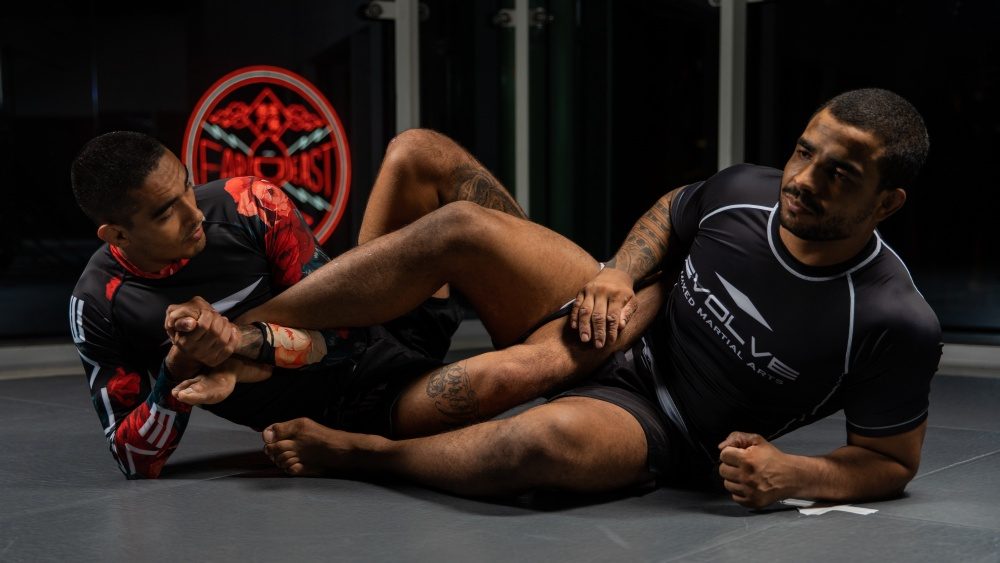
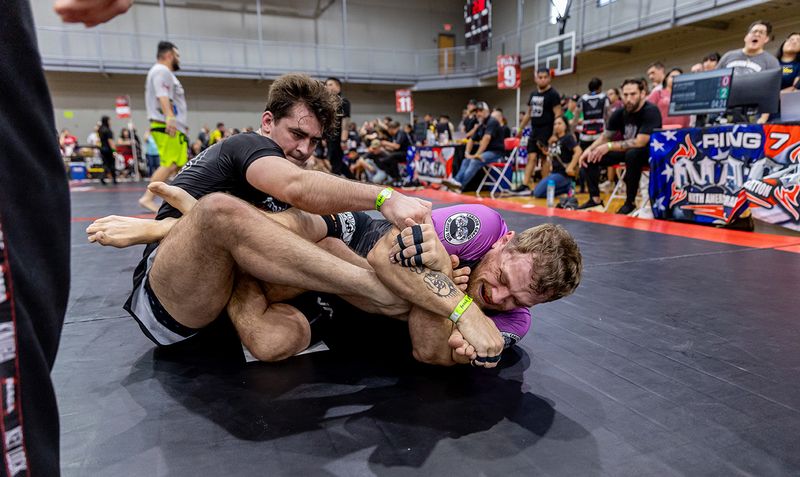
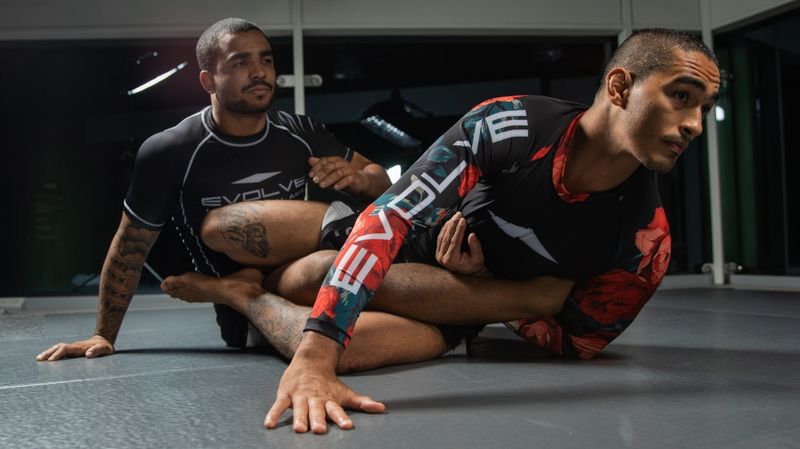
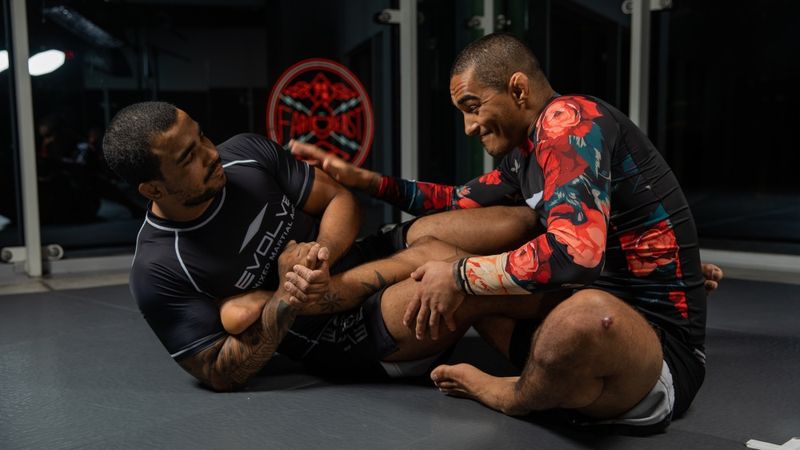
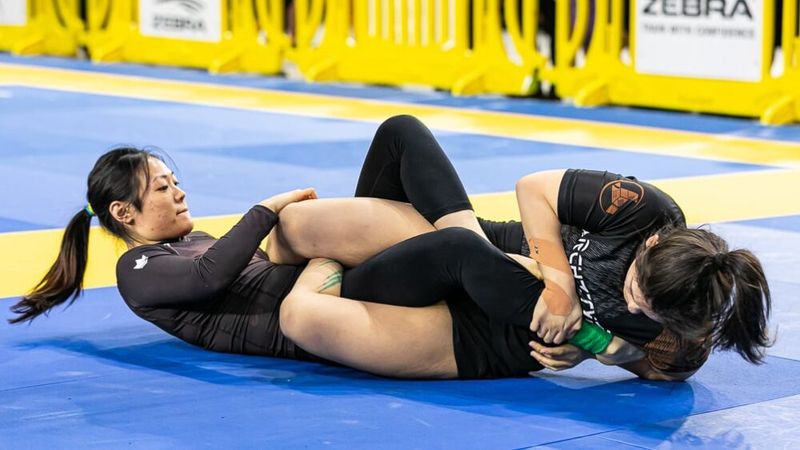
A toe hold is a foot lock that attacks the ankle and knee by rotating the foot medially — turning the sole inward toward the body. You grab the top of the opponent’s foot near the toes with one hand, thread your other arm under their shin, and lock hand to wrist in a figure-four. That two-on-one frame is the same mechanical structure as a kimura, only applied to the foot instead of the shoulder.
The submission is sometimes called a figure-four footlock, and it belongs to the same family as the straight ankle lock and the heel hook. The difference is direction of force. A straight ankle lock drives the toes away from the body; a toe hold twists them across it. That twist is what makes it so quick — there is almost no slack to eat up before the ligaments load.
How the Toe Hold Actually Works
Think of the foot as a lever and the ankle as the hinge. Your figure-four grip is the fulcrum, and the rotation you generate travels straight into the talus and the ligaments around it. Because the knee is often bent when you apply it, the torque can also transmit up the chain and threaten the knee — which is exactly why it taps people fast and why you never crank it in the gym.
Craig Jones, who won Submission of the Year honors for a rare between-the-legs toe hold on Richie Martinez at Quintet 4, keeps his elbow deep and drives the finish by pushing down with the palm rather than yanking. That detail matters. The toe hold is not an arm-strength move. A deep elbow and a tight figure-four turn a small hip rotation into a submission.
Setting Up the Toe Hold From Ashi Garami and 50/50
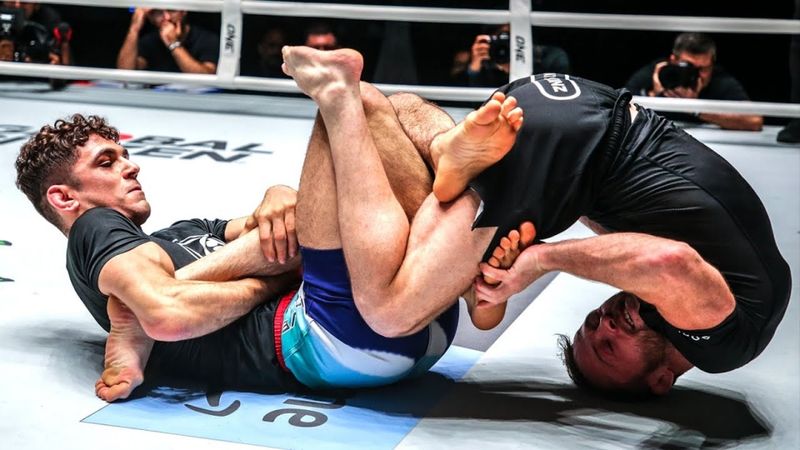
You do not fish for a toe hold from open guard. You earn it from a leg entanglement where the opponent’s leg is already isolated. The most common entries come from ashi garami and the 50/50 guard, where both athletes have a leg trapped and the scramble becomes a grip-fighting battle for the foot.
From ashi garami, the toe hold is often the answer when your opponent buries their heel to kill your heel hook. The moment they hide the heel, the top of the foot becomes available — and that is precisely what the toe hold wants. This is why strong leg lockers treat the heel hook and the toe hold as a pair: threatening one opens the other.
In single-leg X and 50/50, the setup is a reaction to defensive foot posture. When they point their toes and flex to defend the straight ankle lock, you switch your grip to the top of the foot, secure the figure-four, and rotate. The transition between these three submissions — ankle lock, toe hold, heel hook — from one entanglement is what makes the modern leg game so hard to defend.
Why the Toe Hold Belongs in Your No-Gi Game
Here is a mild opinion that will annoy some gi purists: the toe hold is a better no-gi submission than a gi submission. In the gi, lapel and pant grips give the defender anchors to posture and peel your hands off. Strip those grips away and the defense gets harder, because now the person under attack has fewer handles to fight back with.
No-gi also rewards the toe hold’s speed. Sweaty limbs slide, scrambles happen faster, and the figure-four grip does not depend on friction from fabric — it depends on bone-on-bone leverage. You control the foot with your body and your wrists, not with cloth. That is why leg entanglements dominate no-gi events like ADCC, Who’s Number One, and the Craig Jones Invitational far more than they show up in gi tournaments.
Is the Toe Hold Legal? IBJJF, ADCC, and Belt Rules
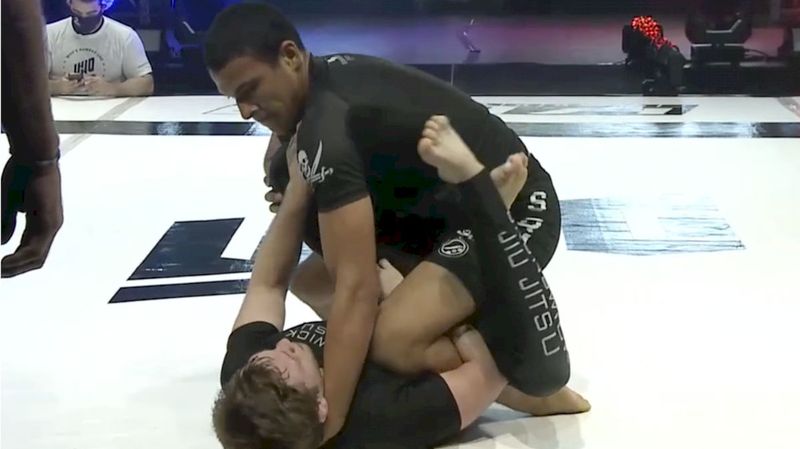
The answer depends entirely on the ruleset, and getting this wrong can disqualify you. In IBJJF competition, toe holds are illegal for white, blue, and purple belts in both gi and no-gi. They become legal only at brown and black belt. ADCC, by contrast, allows toe holds with no belt restriction for adult competitors — heel hooks, ankle locks, toe holds, and kneebars are all on the table.
The IBJJF also has a specific note for no-gi: brown and black belts may apply outward pressure on a toe hold, and the 2021 rules update legalized heel hooks and reaping for that division. If you compete, read the exact ruleset for your event and belt before you ever attack a foot — the same technique that wins a match at ADCC gets you disqualified at an IBJJF purple-belt bracket.
How to Defend and Escape the Toe Hold
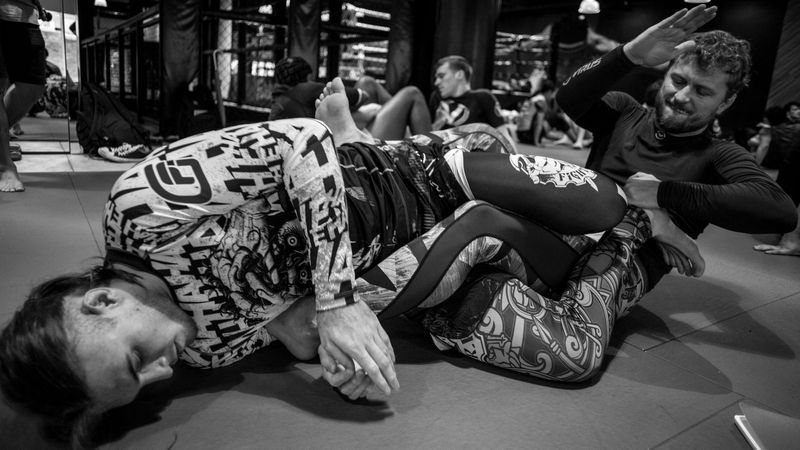
Defense starts before the grip is finished. The principle leg lockers teach is simple: hide the joint under attack first, then beat the grips, then free your knee from the entanglement. For the toe hold specifically, the priority is to stop the rotation before the figure-four closes.
The cleanest counter is to follow the rotation — spin in the direction they are turning your foot so the torque never loads. Boot-strapping your free foot to peel their grip, bringing your knee to the mat to kill the angle, and hand-fighting the figure-four before it locks all buy you time. What you cannot do is stay flat and hope; a finished toe hold with a deep elbow gives you almost no window.
The best defense, though, is positional. If you never let your leg get isolated in a bad ashi garami, you never face the finish. Learning to recognize entanglement entries and clear your hips early stops the toe hold at the source.
Toe Hold vs. Heel Hook vs. Ankle Lock
These three submissions share entanglements but attack different structures, and knowing when to switch is what separates a leg locker from someone who just knows a move. The straight ankle lock attacks the Achilles and ankle by extension — the safest of the three to drill. The heel hook attacks the knee through rotational force on the heel and is the most dangerous. The toe hold sits between them, torquing the ankle and threatening the knee.
In a scramble you rarely commit to one. You chain: attack the ankle lock, and when they defend by hiding the heel, take the toe hold; when they defend the toe hold by flattening the foot, expose the heel. Reading which defense they give you and taking the submission they leave open is the whole game.
Common Toe Hold Mistakes
Most failed toe holds come down to a handful of repeatable errors. Fix these and your finishing rate climbs fast:
- Shallow elbow. If your gripping arm’s elbow is not driven past the foot, you have no leverage and the defender easily posts out.
- Cranking with the arms. The finish is a hip and body rotation, not a bicep curl. Muscling it telegraphs the attack and gasses you out.
- No leg control. Attacking the foot without first isolating the leg in an entanglement lets the opponent simply pull the leg free.
- Ignoring the ruleset. Slapping a toe hold on a blue belt at an IBJJF event is an instant disqualification.
- Cranking in training. The toe hold gives almost no warning before it damages ligaments. Apply slowly, always.
Drilling the Toe Hold Safely
The toe hold has a reputation for injuring training partners, and that reputation is earned by people who treat it like a wrestling scramble. Drill it the opposite way. Apply the rotation at ten percent speed, watch your partner’s foot, and release the instant they tap or verbalize. Because the ligament damage can happen before pain registers, the tapping partner should tap early and often rather than testing their flexibility.
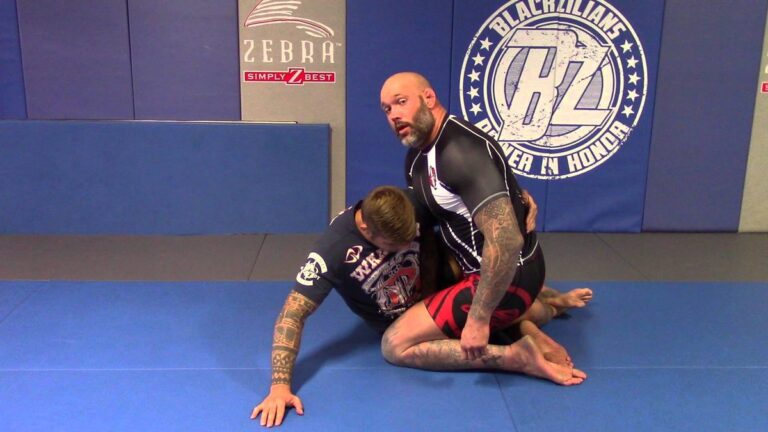
Watch how a specialist frames and finishes before you drill it live. Neil Melanson, a coach known for his leg-lock system, breaks down the mechanics in the video below.
Add the Toe Hold to Your Leg Game
Start by picking one entry — ashi garami is the most forgiving — and drill only the grip and rotation until the figure-four is automatic. Once you can find the top of the foot the moment your partner defends a heel hook, the toe hold stops being a trick and becomes a natural link in your chain. Then wire it to your other leg attacks so every defense your opponent gives you opens a different finish. Pair it with a solid ashi garami foundation and you will tap people who thought they had escaped.
Sources
- BJJ Heroes — The Toe Hold — technique history and the Galvao vs. Popovitch ADCC 2011 finish.
- Evolve MMA — BJJ 101: The Toe Hold — figure-four mechanics and no-gi application.
- Evolve MMA — Where and When Are Leg Locks Allowed in BJJ — IBJJF belt-level and no-gi ruleset breakdown.
- BJJ Fanatics — Are Leg Locks Legal in BJJ? — ADCC and competition leg-lock rules.