Body Lock Takedown No-Gi: 7 Keys to Finish
Nick Rodriguez was a 22-year-old blue belt when he walked into the 2019 ADCC World Championships and put three black belt veterans on their backs with one move. He didn’t out-technique them on the ground — he never let the match get there. He locked his hands around their torsos, broke their posture, and mat-returned them before they could set their base. That run built his entire reputation, and five years later the system he popularized, now branded the “Rody Lock,” is one of the most copied takedown sequences in no-gi competition.
The body lock earns that reputation because it ignores the one thing no-gi strips away from you: fabric. No collar to grip, no sleeve to control — just two arms around a torso and a hand clasp that doesn’t care what your opponent is wearing. Here’s how to actually get it to work.
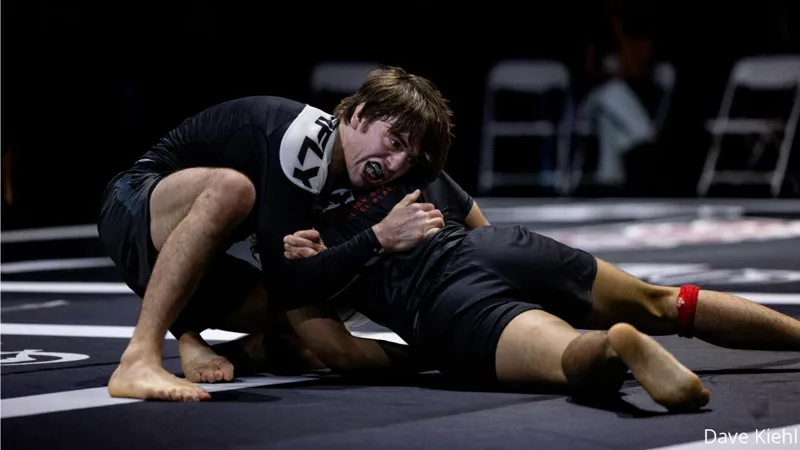
A competitor locks up a body lock during ADCC Trials no-gi action — the position this entire article is built around.
What the Body Lock Takedown Actually Is
Strip away the branding and the body lock takedown no-gi grapplers use today is simple: you clinch up, lock your hands around your opponent’s torso, and use that closed connection to off-balance and finish them to the mat. No leg attack, no ankle grab, no exposure to a guillotine on the way down. You’re fighting hips to hips, chest to chest, and the moment your hands clasp, you’ve created what amounts to a single rigid structure you can tilt, trip, or drive in any direction you want.
That’s the mechanical advantage nobody says out loud often enough: a body lock turns two separate bodies into one kinetic chain. Push, pull, or rotate at the hips and your opponent’s entire frame moves with you, because there’s no gap between you for them to create space and reset.
Key 1: Clasp Low, Around the Hips — Not the Ribs
Most white belts lock their hands too high, up around the ribs or chest, because it feels tighter and more secure in the moment. It isn’t. A high clasp is easy to strip with a single frame or a sharp hip rotation, and it lets your opponent posture back up before you’ve finished anything. Lock low, around the hips, and you’ve pinned the part of their body that actually generates base and power. Hands clasped at the belt line, elbows pinched tight to your own ribs — that’s the grip that survives a scramble.
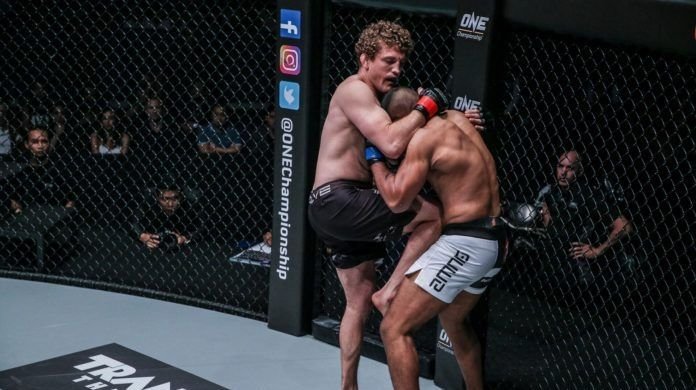
Fighting for the underhook before the clasp closes — the entry that determines whether the lock holds.
Key 2: Break Posture Before You Try to Finish
A body lock on an opponent who’s still standing tall and square does almost nothing. You need their spine bent, their weight forward, before any trip or toss will land. Drive your forehead or shoulder into their chest, walk your feet in tight, and collapse their structure first. Trying to finish the takedown before posture is broken is the single most common way a body lock stalls out into a standing stalemate that gets restarted by the ref.
Key 3: Get Your Hips Lower Than Theirs
Whoever has the lower center of gravity controls the exchange — that’s true in wrestling and it’s just as true in a no-gi body lock. Bend your knees, drop your level, and keep your hips under your opponent’s hips, not level with them. If you’re locked up with your legs straight and your back bent, you’re generating zero drive and every finish attempt is going to come from your arms alone, which won’t be enough against anyone your size or bigger.
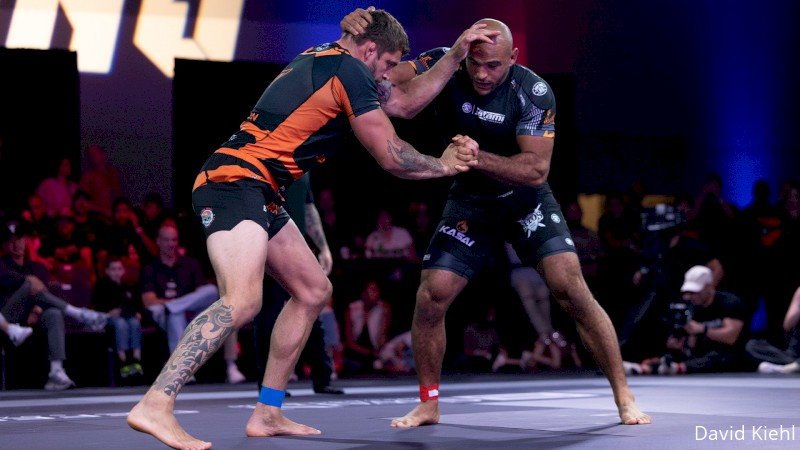
Hand fighting in the tie-up phase — the setup that decides who gets the lock first.
Key 4: Three Ways to Actually Finish It
Once the lock is set and posture is broken, you’ve got three real options. The trip hooks one of their legs with your foot or shin and drives through in the same direction your hips are already moving — the lowest-effort finish and the one most beginners should drill first. The hip toss loads your opponent across your hip like a fulcrum and rotates them over it, which works best when they’re already leaning into you. And then there’s the back arch: lock your hands, arch backward through your own spine, and throw them over and behind you. It’s the highest-output option and the one that ends matches outright, but it also loads your lower back the hardest, so it’s not the first tool you reach for against a bigger opponent.
Pick the finish that matches the resistance you’re feeling, not the one that looks best on video. If they’re bracing against a trip, switch to the toss. If they’re leaning in, the back arch is sitting right there.
Key 5: The Best Entry Isn’t Standing — It’s the Scramble
Here’s what separates grapplers who actually hit body locks live from the ones who only hit them in drilling: the highest-percentage entry isn’t a cold stand-up clinch, it’s the moment right after a stuffed shot. Shoot a double leg, get sprawled on, and you’re already in the clinch with your arms in the right neighborhood. Pummel for double underhooks, clasp your hands behind their back, and you’ve converted a failed takedown into a live one without ever resetting the distance. This is the exact sequence Rodriguez leaned on at ADCC 2019 — short chopping steps to break stance, immediate commitment to the finish, never holding the lock and waiting to see what happens.
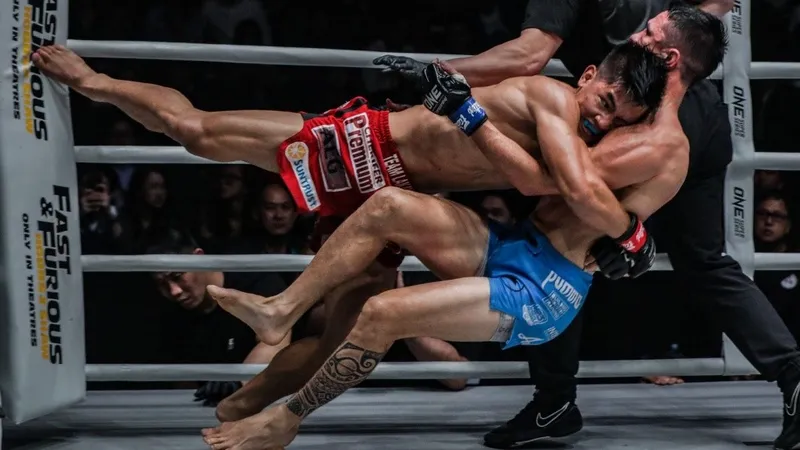
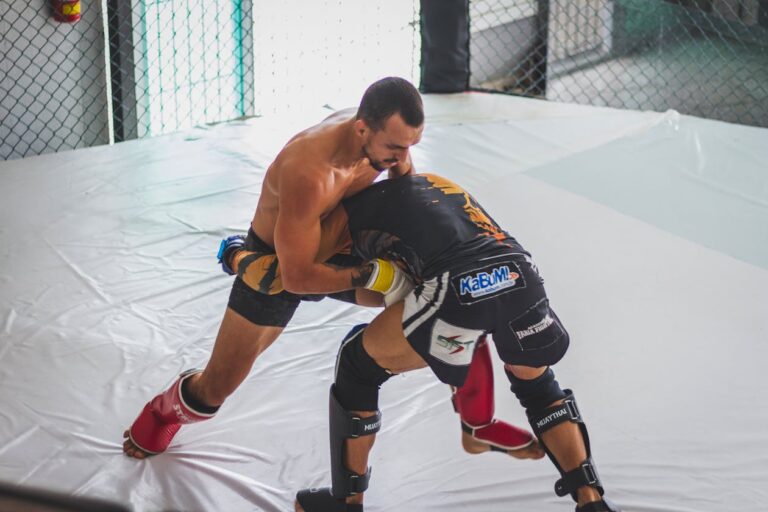
The body lock translates directly to MMA — same clinch mechanics, same hip-first finish, against the cage instead of open mat.
Key 6: Why No-Gi Grapplers Lean On It So Hard
In gi BJJ you’ve got sleeves, collars, and lapels to grip — a dozen different ways to control distance and initiate a takedown. Strip the gi away and most of those options disappear. The body lock doesn’t need any of them. It requires zero grip on clothing, which is exactly why it shows up constantly in ADCC, Polaris, and EBI matches where a missed collar tie just means an empty hand instead of a stalled attack. If you’re building a no-gi takedown game from scratch, this is the technique that keeps working no matter what your opponent is or isn’t wearing.
Key 7: Defending It — Fight the Clasp Before It Closes
The counter to a body lock has to happen early, because once the hands are clasped and your posture is broken, you’re already losing the exchange. Fight the hand-fighting phase itself — frame against the shoulder, create an underhook of your own, and don’t let both of their arms get all the way around your torso. If the lock does close, turn into it rather than away from it; turning away just gives them a cleaner angle for the trip. A wide, low stance before contact is still your best defense, because a narrow base is what lets a body lock tip you over in the first place.
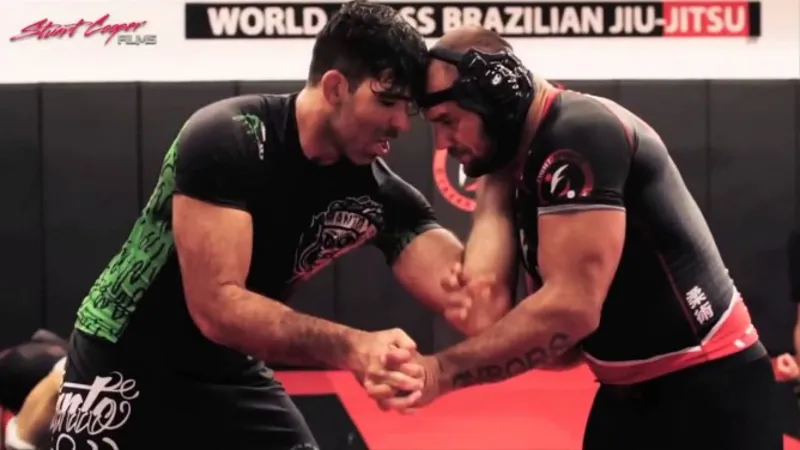
Collar-tie control in the clinch — one of the tools grapplers use to deny the body lock before it ever closes.
Common Mistakes That Kill the Body Lock
- Standing too upright. Height without hip pressure just gives your opponent room to square back up.
- Clasping high on the ribs instead of low on the hips. It’s the single easiest detail to strip.
- Muscling the lift with your arms instead of driving with your hips. Your arms hold the connection; your legs and hips do the actual work.
- Staying square in front of your opponent. Without an angle, you’re fighting their full strength head-on.
- Releasing the lock the instant they hit the mat. The takedown isn’t finished until you’ve followed through into side control or back control — let go early and a scrambling opponent recovers guard for free.
Body Lock Takedowns in Competition
Under ADCC and IBJJF-style no-gi rules, a body lock takedown scores 2 points the moment your opponent’s back or backside touches the mat under your control, and 4 points if you land in a dominant position with 75% or more of their back exposed. That scoring structure is part of why the technique is everywhere in modern no-gi — a trip or toss off a locked clasp routes directly into back control or side control, which means the takedown and the position points often arrive in the same sequence. Watch any recent ADCC Trials bracket and you’ll see grapplers actively hunting the body lock over a leg attack specifically because it’s harder to scramble out of once it’s locked and it doesn’t carry the same guillotine risk a double leg does.
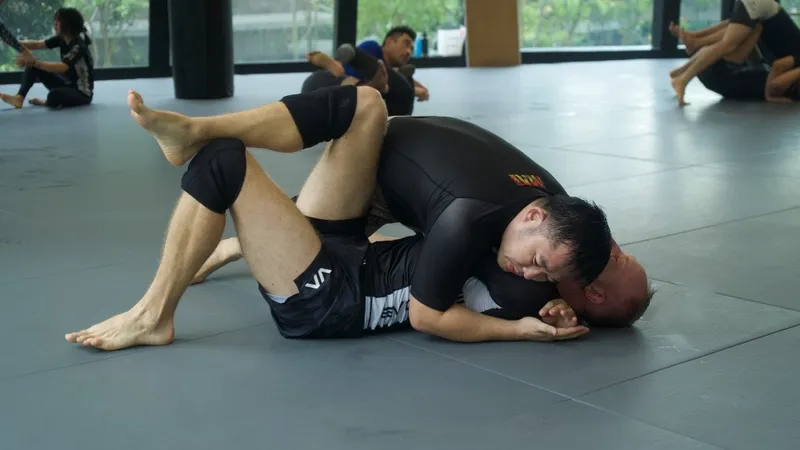
Following the takedown through to top control — the part of the body lock beginners skip.
Wrestling vs. BJJ: Same Lock, Different Finish
Freestyle and Greco-Roman wrestlers have run this exact clinch for decades, and watching how they finish it tells you something useful about your own grappling. Wrestling coaches drill the mat return and the suplex-style lift because their scoring rewards exposure and control, not submissions — the goal is getting the opponent’s back to the mat as violently and controllingly as possible. BJJ grapplers borrow the entry but usually finish into a trip or a controlled lowering, because the priority afterward is holding top position long enough to pass or attack, not just the two points for the takedown itself. Neither finish is wrong. They’re built for different scoreboards.
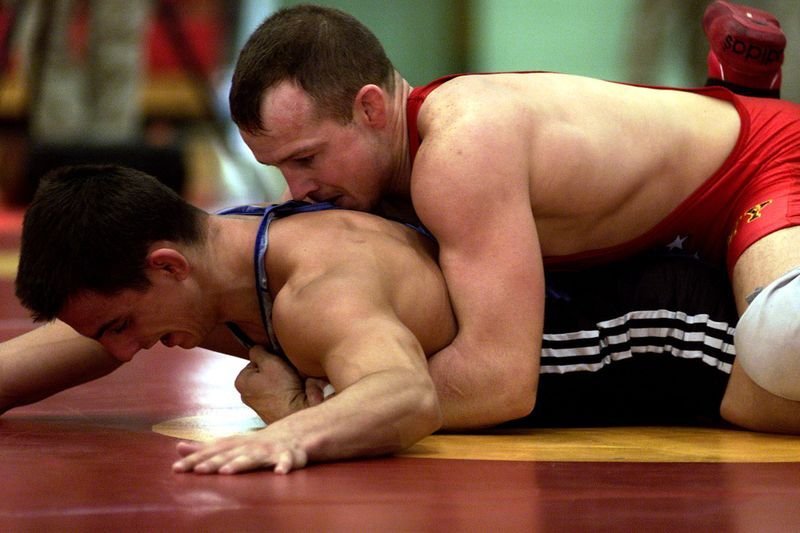
Greco-Roman wrestling’s body lock clinch — the same hand position no-gi grapplers borrowed and adapted.
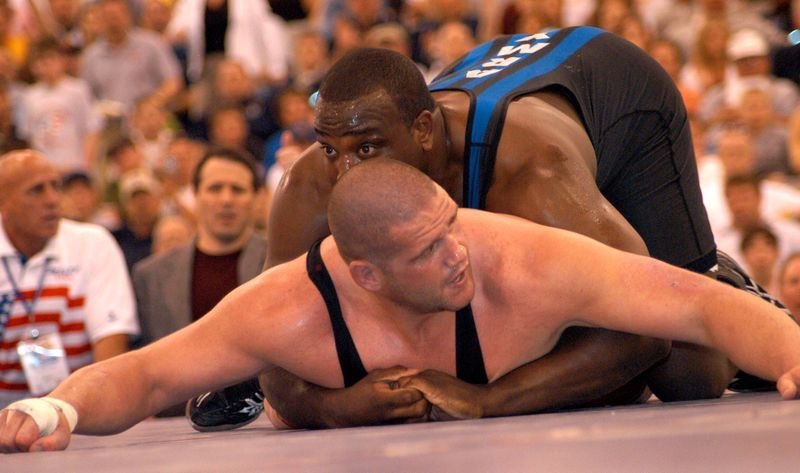
Freestyle wrestling’s version of the body lock — built for mat returns rather than a BJJ-style pass.
Drilling It So It Shows Up Live
The gap between a body lock that works in drilling and one that works live almost always comes down to resistance training. Drill the clasp and the trip cold a few hundred times, sure — but then spend real rounds starting from a stuffed shot, not from a static clinch. That’s where the technique actually gets used in a live match, and it’s the rep that most grapplers skip because it’s less comfortable than running clean reps against a cooperative partner.
Nicky Rodriguez breaking down three finishes from the rear body lock.
Get the clasp low, break posture first, and pick your finish based on how your opponent reacts rather than which one you practiced most that week. The body lock rewards patience in the setup and violence in the finish — grapplers who rush the first half and hesitate on the second are the ones who end up stuck in a standing stalemate. For more ways to close distance without relying on a leg attack, work through the full entry list in our no-gi takedowns guide, and if you’re still building your clinch fundamentals, start with our breakdown of wrestling techniques for BJJ.
Sources
- Evolve MMA — How To Use The Body Lock Takedown In BJJ And Wrestling — mechanics and BJJ vs. wrestling finish comparison.
- Grappler HQ — Body-Lock Takedown: Entries, Trips & Defense — clasp placement, entries, and defensive counters.
- BJJEE — How To Move Like ADCC Medalist Nick Rodriguez — background on the 2019 ADCC body lock run.
- ADCC NEWS — ADCC Rules and Regulations — takedown scoring criteria referenced for the competition section.