Single Leg X Guard: 7 Essential No-Gi Attacks
At ADCC 2019, Lachlan Giles heel-hooked his way through three opponents who each outweighed him by 60-plus pounds, and nearly every one of those finishes started from the same spot: single leg X. That run rewired how a generation of grapplers thinks about the bottom position. Instead of playing guard to sweep and then start over, single leg X guard lets you attack the leg and the sweep from one control, so a failed sweep drops you straight into a leg lock instead of back to square one.
What Is the Single Leg X Guard?
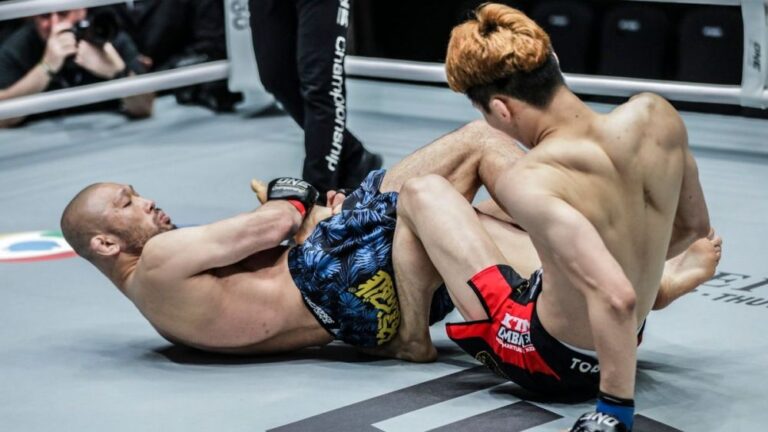
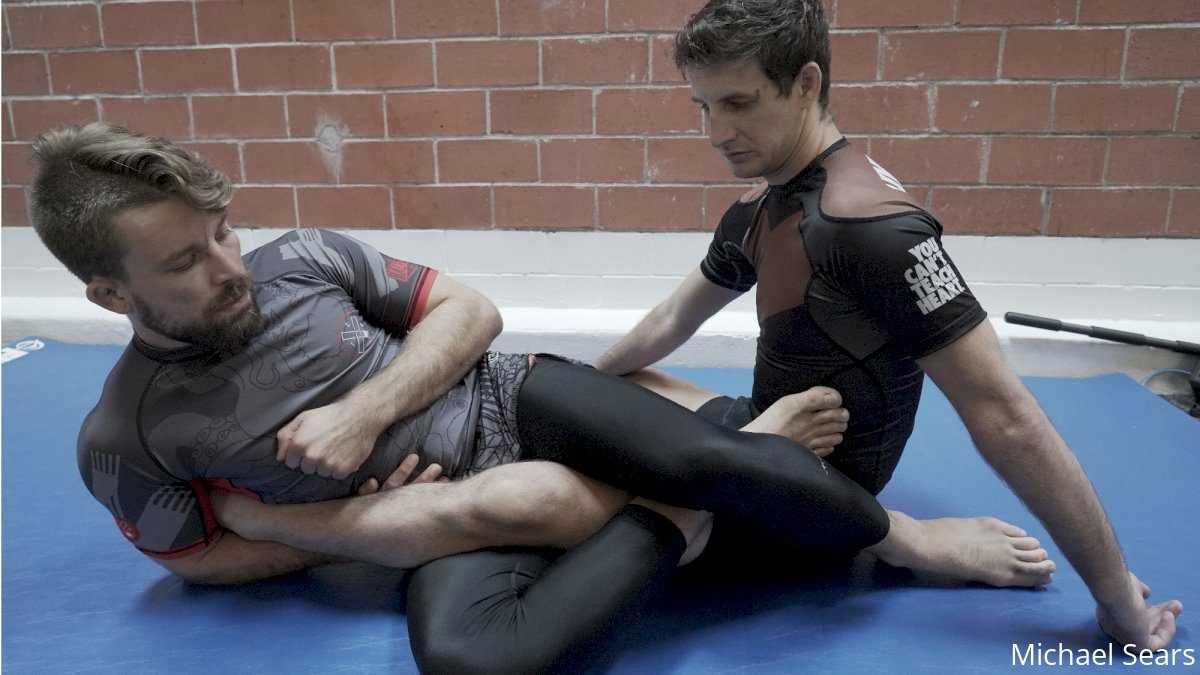
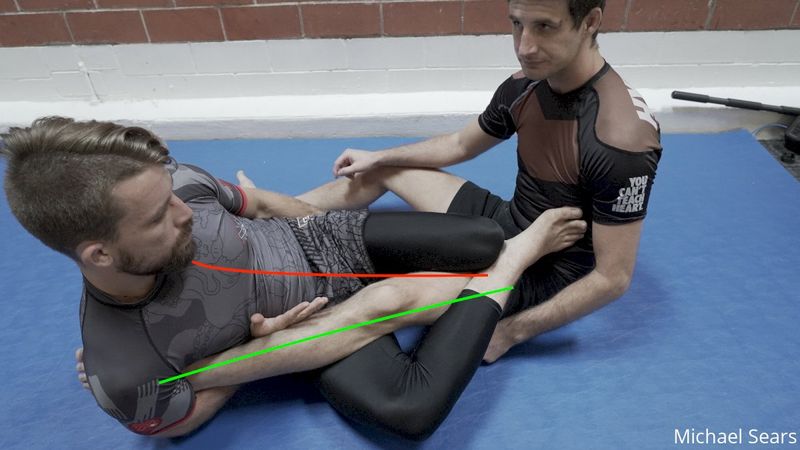
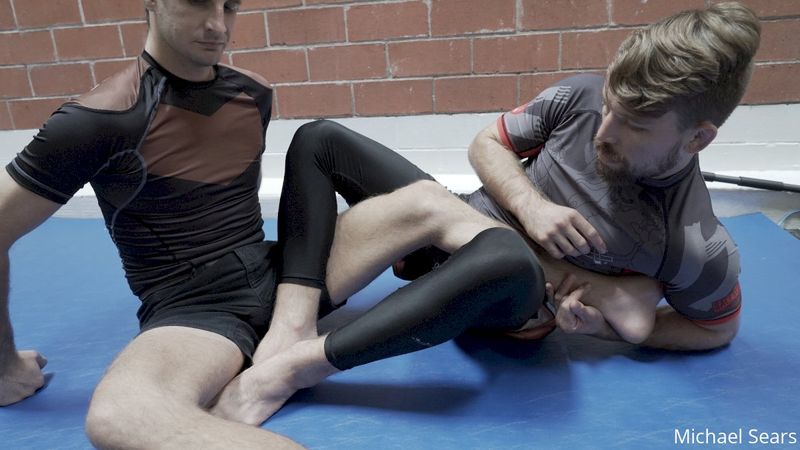
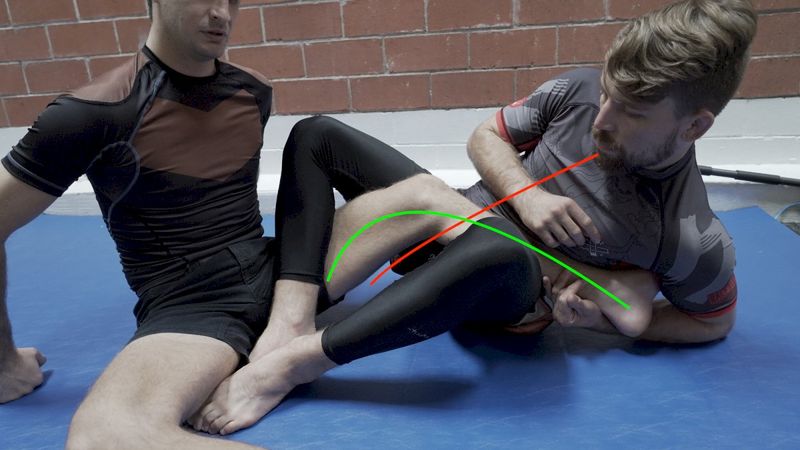
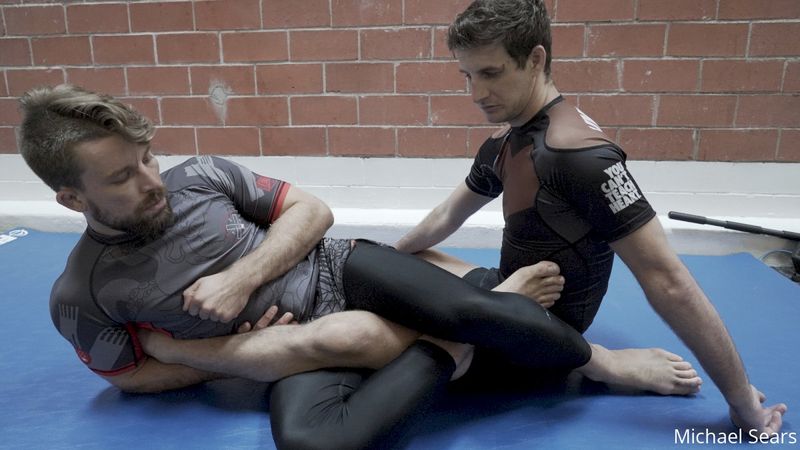
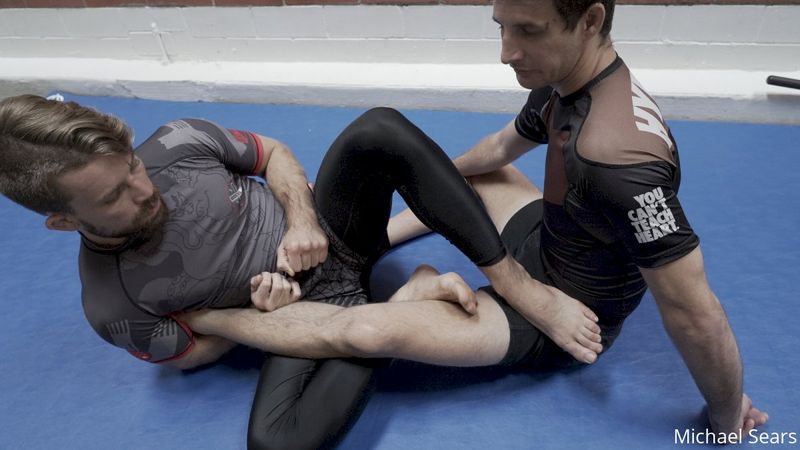
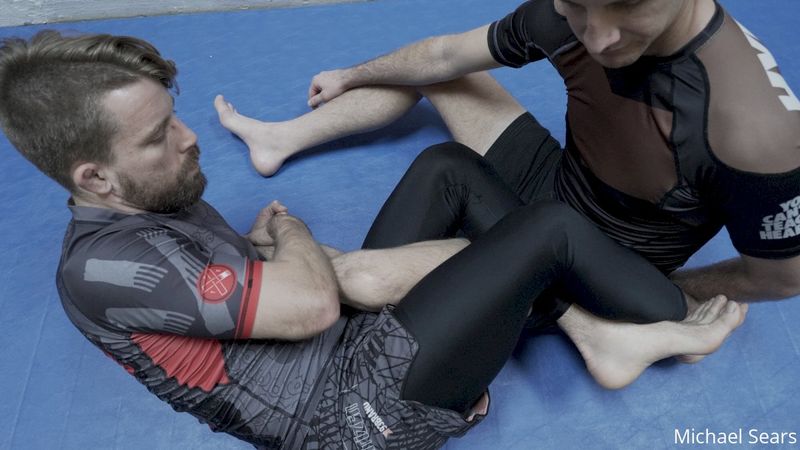
The single leg X guard is a seated or supine position where you isolate one of your opponent’s legs using a cross-body foot configuration. One foot sits on their hip or lower belly to control distance. Your other leg hooks underneath their thigh, and your knee pinches across their hamstring. Your hands trap the ankle or the back of the knee. The name comes from the crossed-foot shape your legs make around that single leg — an X built around one limb rather than two.
What makes it different from butterfly or X-guard is the level of leg isolation. You are not just off-balancing your opponent; you own one of their legs completely, which is the leg you need to either dump them over or attack the foot. That dual threat is the whole point.
Why Single Leg X Took Over No-Gi
Gi grappling gives the bottom player collar and sleeve grips that make spider guard and De La Riva viable for days. Strip the fabric off and those grips evaporate — sweaty wrists slip out of everything. Single leg X does not rely on cloth. It uses your legs as the grip, wrapped around a limb that cannot un-grip you. That is why it scaled so fast in no-gi while a lot of gi guards quietly stopped working.
The other reason is the leg lock meta. Once heel hooks became legal in ADCC, EBI, and most submission-only rulesets, the position that fed cleanly into ashi garami became the most valuable real estate on the mat. Single leg X is one short shuffle away from a straight ankle lock and two steps from an inside heel hook. Craig Jones, Kaynan Duarte, and the Ruotolo brothers all live here for a reason.
How Do You Enter Single Leg X Guard?
The cleanest entry starts from seated guard. As your opponent steps a leg forward to pass, you thread your inside foot to their hip, dive your outside leg under their thigh, and pull their ankle tight to your chest. The moment their knee sits between your legs, you are in. A second reliable entry comes off a failed leg drag or knee cut — as they pin your leg, you catch their posting leg and fold it back into the X.
Timing matters more than flexibility here. You want to enter when your opponent is stepping, not when they are already based and heavy. Chase the leg while it is in motion. If you reach for it late, you get flattened and lose the underhook on the shin.
The 7 Attacks From Single Leg X Guard
This is where single leg X guard earns its keep. From one control point you have a fan of options, and the beauty is that they chain — if they defend the sweep, the submission opens, and vice versa. Here are the seven that carry most of the load in competition.
1. The Technical Stand-Up Sweep
The bread-and-butter finish. You extend your hip foot, elevate their leg, and post to a technical stand-up while their base is gone. Done cleanly, you come up straight into a single-leg takedown and end in top position or on their back. This is the sweep that scores the two points and keeps your leg-lock defenders honest.
2. The Straight Ankle Lock (Aoki Lock)
If they widen their base to kill the sweep, their foot is right there. Slide to straight ashi garami, bring their toes to your armpit, and bridge into a straight ankle lock. It is the highest-percentage submission from the position and the safest for training partners because there is no rotational load on the knee.
3. The Inside Heel Hook
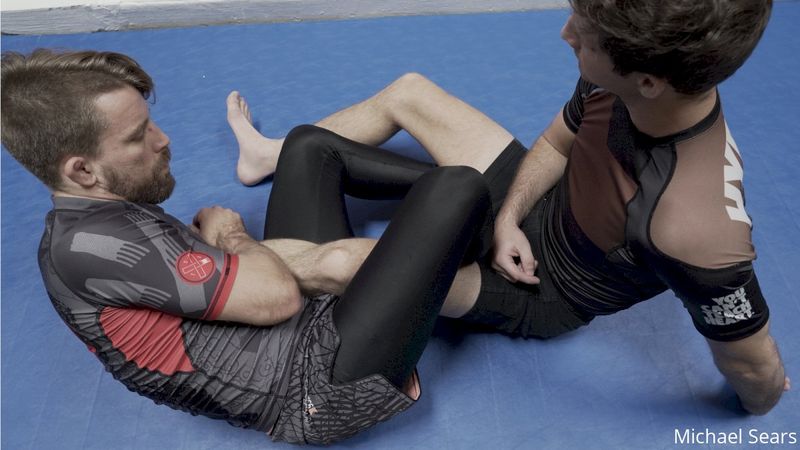
Rotate from straight ashi into the inside position — the saddle, honey hole, or 411 depending on who taught you — and you have access to the inside heel hook. This is the most powerful finish available and the fastest, which is exactly why heel hooks are banned below brown belt in the IBJJF but fully legal in most no-gi submission rulesets. Control the knee line before you rotate; the finish is the easy part.
4. The Back Take
When your opponent turns away to run from the leg lock — the standard escape — they hand you their back. Follow the rotation, come up to a seated position, and climb to a body triangle. Danaher’s students turned this “they run, you take the back” exchange into a scoring machine. The leg lock threat is what forces the turn in the first place.
5. The Overhook Sweep to Dogfight
Grab an overhook on their far leg, sit up, and drive into a dogfight scramble. This one shines when your opponent is heavy and posts hard against the standard sweep. Instead of fighting their weight, you use it — pull them past you and come up on top as they overcommit.
6. The Transition to X-Guard
Single leg X and full X-guard are neighbors. If your opponent steps over to defend, you can extend your hip foot deeper, slide your second hook under their far leg, and drop into X-guard for a bigger elevation sweep. Keeping both guards in your system means you always have somewhere to go when one gets shut down.
7. The Kneebar
Less common but nasty against opponents who post their leg out straight to stop your sweep. When the leg extends, belly-down, pinch the knee, and finish the kneebar. It is the natural punishment for a stiff-legged sweep defense, and few people see it coming.
The Ashi Garami Ladder: Where Single Leg X Leads
Understanding single leg X means understanding the ashi garami ladder it feeds. Straight ashi is your entry rung — safe, controlling, and the launch point for the ankle lock. From there you climb to cross ashi, outside ashi, and finally the inside positions where the heel hook lives. Each rung trades a little control for a lot more finishing power.
The mistake most white and blue belts make is rushing to the top of the ladder. They dive for the inside heel hook before they have secured the knee line, and the leg slips free. Better grapplers sit in straight ashi, break the posture, and only rotate once the leg has nowhere to go. Position before submission still applies — it just moved to the legs.
Single Leg X vs 50-50: What’s the Difference?
People confuse these constantly. In 50-50, both grapplers have a symmetrical leg entanglement on each other — you attack their leg, they attack yours, and it becomes a race. Single leg X is one-directional: you control their leg, they do not control yours. That asymmetry is a real advantage, because you are attacking without exposing your own foot to a counter. If a 50-50 does develop off a scramble, the grappler who understands the heel-hook mechanics usually wins the exchange.
Watch the Single Leg X System in Action
Lachlan Giles builds the entire attacking system in this breakdown — worth the ten minutes if you want to see how the sweep and submission threats feed each other in live rolls.
Common Single Leg X Mistakes to Fix Tonight
The number one leak is a lazy hip foot. If your controlling foot slides off their hip and onto their thigh, they base out and pass. Keep it high and heavy on the hip crease. The second leak is fighting for the finish before you have the position — reaching for the heel before the knee line is trapped just teaches your opponent how to spin free. Lock the position, then attack.
A third one no one talks about: staring at the leg. When you tunnel-vision on the foot, you stop feeling your opponent’s base shift, and you miss the sweep window entirely. Feel the pressure, react to the base, and let the submission come as a reaction to their defense rather than your first move.
Should Beginners Learn Single Leg X?
Yes — but learn the sweep before the heel hook. A brand-new grappler who drills the technical stand-up sweep and the straight ankle lock will get 80 percent of the value with none of the injury risk. Heel hooks demand a training partner who taps early and a coach watching the rotation. Build the position and the sweep first, add the ankle lock, and only layer in the inside heel hook once your control is airtight and your gym allows it. Do that and single leg X guard becomes the most productive twenty minutes of drilling in your week.
Sources
- FloGrappling — The Official Leg Entanglement Encyclopedia — reference guide to ashi garami variations and terminology.
- BJJ Fanatics — Single Leg X Guard — overview of the position and its role in modern no-gi.
- ADCC — Rules & Regulations — official submission-grappling ruleset governing leg locks.