Heel Hook No-Gi: 7 Essential Keys to a Safe Finish
At the 2022 ADCC World Championship, the heel hook accounted for more finishes than any other submission on the mat, outpacing the rear-naked choke that ruled the sport a decade earlier. That single stat explains why almost every serious no-gi competitor now spends part of every week upside down in a leg entanglement. The heel hook no-gi has gone from a banned “dirty” move to the defining weapon of the sport, and if you train without a gi and ignore it, you are handing away points and taps to anyone who didn’t.

What Is the Heel Hook, No-Gi’s Most Feared Submission?
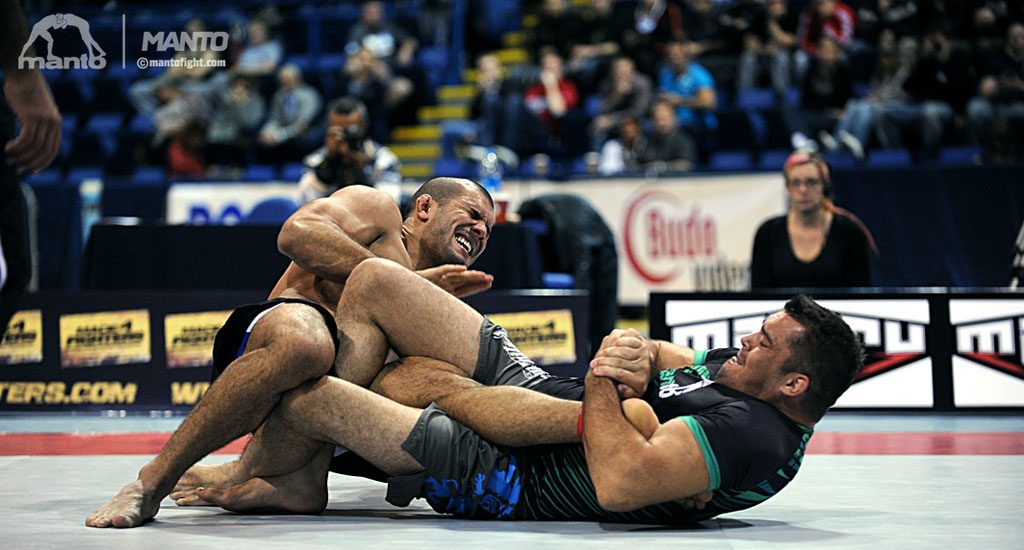
A heel hook attacks the knee, not the foot. You use the heel as a lever, but the damage happens two joints up. When you trap the opponent’s leg and twist the heel, the shin rotates, the knee cannot follow, and the ligaments holding the joint together — the ACL, MCL, and LCL — take the load. That is the whole mechanic in one sentence, and understanding it is what separates a controlled submission from a torn knee.
This is also why the move behaves so differently from an armbar or a choke. There is no gradual stretch that lets your partner feel the finish building. The tissue holds and holds, and then it fails all at once. Craig Jones once put it bluntly: the heel hook doesn’t hurt until it’s already too late. Respect that, and it becomes the best submission in your no-gi game. Ignore it, and you’ll hurt people.
Inside Heel Hook vs. Outside Heel Hook
There are two versions, and they are not interchangeable. The outside heel hook rotates the foot laterally, away from the midline, and mostly stresses the outside of the knee and the ankle. It was the standard for years because it’s easier to reach from positions like 50/50. The inside heel hook rotates the foot medially, toward the midline, and drives straight into the ACL and meniscus. It is the more destructive of the two and the reason competition results shifted so hard once athletes learned to enter it.
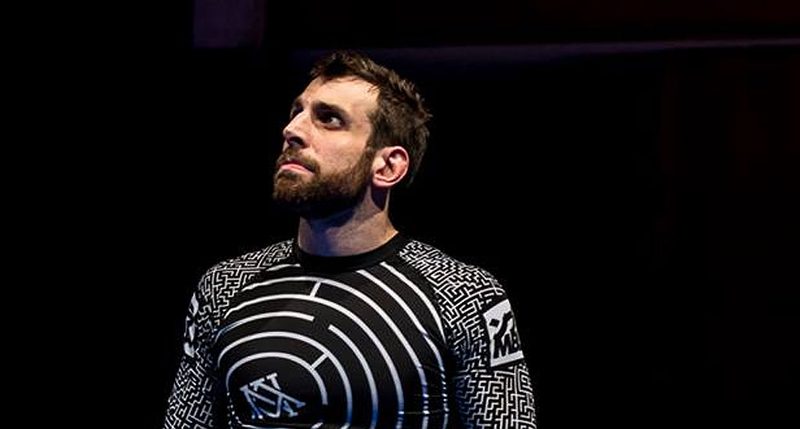
Eddie Cummings was one of the first competitors to build an entire game around the inside heel hook, and the rest of the Danaher-trained group followed. If you’re choosing where to spend your drilling time, the inside variation is the higher-value skill — but it’s also the one most likely to end a training partner’s year if you rush it.
Why the Heel Hook No-Gi Rules the Modern Meta
No-gi removed the grips that used to slow leg-lock entries down. Without lapels and sleeves to grab, the fastest path to control is often the legs, and the heel hook is the submission waiting at the end of that path. Add sweaty limbs that slip out of chokes, and a leg attack that doesn’t rely on friction suddenly looks like the smart bet.
The truth is, most grapplers who dismiss leg locks as a gimmick simply got caught by one and never went back to learn the position. The heel hook rewards patience and control more than explosiveness, which is exactly why smaller athletes like Lachlan Giles have used it to submit opponents forty pounds heavier at the sport’s top event.
The Position Comes First: Ashi Garami and the Saddle
You never start with the heel. You start with control. The finish is only as good as the leg entanglement holding your opponent’s hip in place, because if the hip can rotate, they simply spin out of the submission before you ever load the knee.

The two positions that matter most are ashi garami — the basic single-leg entanglement — and the saddle, also called the inside sankaku or 4-11. Ashi garami feeds the outside heel hook; the saddle feeds the inside one. Spend your first months of leg-lock training learning to hold these positions against resistance before you ever reach for a finish. A grappler who can maintain the saddle for thirty seconds will out-submit a grappler who knows five finishes but can’t keep the hip pinned for five.
How to Finish a Heel Hook in No-Gi Safely
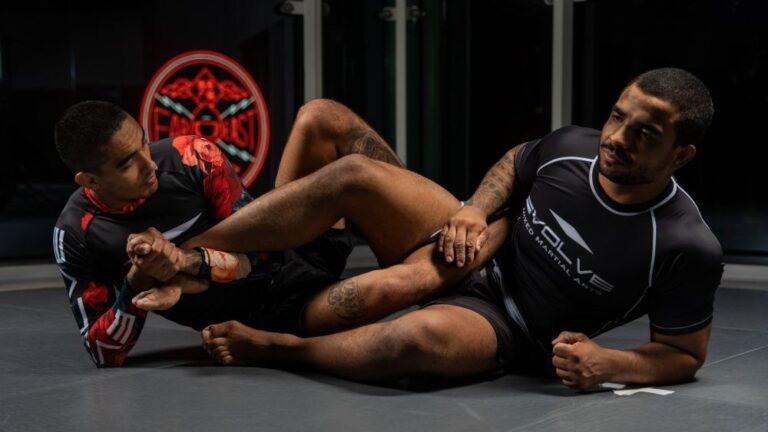
Once the position is locked, the finish is small. Trap the opponent’s knee-line tight to your hips so the leg can’t straighten out. Catch the heel in the crook of your elbow — not your hand — and pin their toes against your chest or armpit so the ankle can’t flex away. Then rotate your entire body, not just your arms. The heel is a handle; your core does the work.
The single most important rule is speed. Apply the rotation over five to seven seconds, not in a snap. Watch your partner, not the leg. The moment you feel the ligaments tighten, you already have the tap — you don’t need to finish the range of motion. Yanking the heel with your arms is both weaker and far more likely to cause an injury there was no need to cause.
The Heel Hook Gives No Tap Warning
This is the part that gets people hurt. With a choke you can hold on a half-second too long and your partner wakes up fine. With a heel hook, a half-second too long is a surgery. The classic cautionary tale is Rousimar Palhares, whose refusal to release leg locks after the tap got him released from multiple organizations.
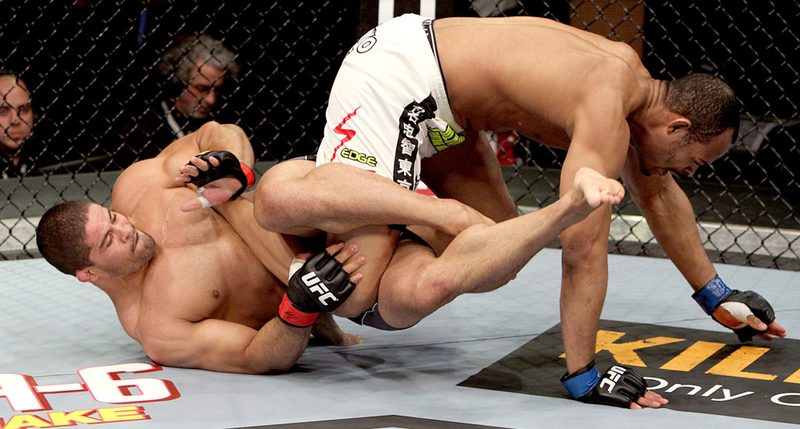
The lesson from Palhares isn’t that heel hooks are evil — it’s that the finish and the release are two separate skills, and the release is the one that keeps you with training partners. In the room, the standard is simple: secure the position, expose the heel, apply slow, and let go the instant they tap or the instant you feel it lock. If your partner doesn’t tap in a controlled rep, you release and reset. You never crank.
Is the Heel Hook Legal in No-Gi Grappling?
It depends entirely on the ruleset, and this trips up more people than the technique does. ADCC allows heel hooks for all belt levels in its no-gi format. Most submission-only promotions — EBI-style overtime events, local sub-only tournaments — allow them too. That’s the environment where the heel hook became king.
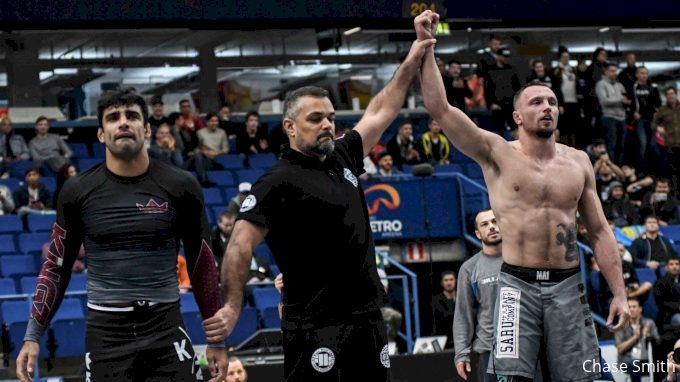
The IBJJF is the big exception. Under IBJJF rules, heel hooks were banned outright for years and only became legal in the no-gi adult brown and black belt divisions relatively recently — still illegal at lower belts and in every gi division. Before you enter any tournament, read that event’s specific rules. Assuming a heel hook is legal because it was legal at your last competition is how athletes get disqualified. The same caution applies to its close cousins, the kneebar and the straight ankle lock, which sit at different legality tiers under most rulesets.
How to Defend and Escape the Heel Hook
The best defense is early. Leg-lock defense fails when it starts late, so the goal is to react the moment you feel the entanglement forming, not once the heel is exposed. The core principles are to clear your trapped knee-line to the outside, hide your heel by pointing your toes toward the danger, and turn into the rotation rather than away from it — spinning the same direction the finish wants to take you buys time to free the leg.
The one thing you must never do is panic-yank the leg straight out. That’s how a defendable position becomes a torn ACL. In training, tap early to entanglements you can’t escape cleanly. There is no ego cost to tapping to a good leg-locker in the room, and there is a very real cost to blowing out a knee to prove you can survive.
Drilling the Heel Hook Without Wrecking Your Partners
You can build a real heel hook game without a single injury in your room, and the gyms that produce the best leg-lockers are usually the safest ones, not the most reckless. Positional sparring is the tool: start in the saddle or ashi garami and play control-versus-escape without any finish at all. The attacker wins by keeping the position; the defender wins by escaping. Nobody touches the heel.
When you do add the finish, cap the speed at a slow, telegraphed rotation and agree with your partner that any tightness is an automatic tap. Ryan Hall, one of the most technical leg-lockers in the sport, is known for a game built on control and inevitability rather than force — that’s the model to copy. For a full breakdown of the ADCC-tested finish against bigger opponents, this walkthrough from Lachlan Giles is worth the fifteen minutes:
Build the Position, Earn the Finish
Start next week’s training with one rule: don’t chase the tap, chase the saddle. Master the leg entanglement and the heel hook shows up on its own, safely and repeatably. Once you can hold the position against a resisting partner, the finish is almost an afterthought — and the tap comes without anyone limping to the sidelines. If you want the position that feeds every one of these finishes, go deep on ashi garami no-gi next, then come back and put the two together.
Sources
- BJJ Heroes — The Success of the Heel Hook in the ADCC — submission statistics showing heel hooks as the top finish at ADCC.
- BJJ Fanatics — Heel Hook Help With Lachlan Giles — technical breakdown of inside heel hook control and finishing mechanics.
- FloGrappling — Craig Jones fighter profile — competition record of a leading no-gi leg-lock competitor.
Browse our top-rated rashguards and no-gi gear at the RashguardGuy shop →