
No-Gi Wrestling Takedowns: 7 Keys to Blend
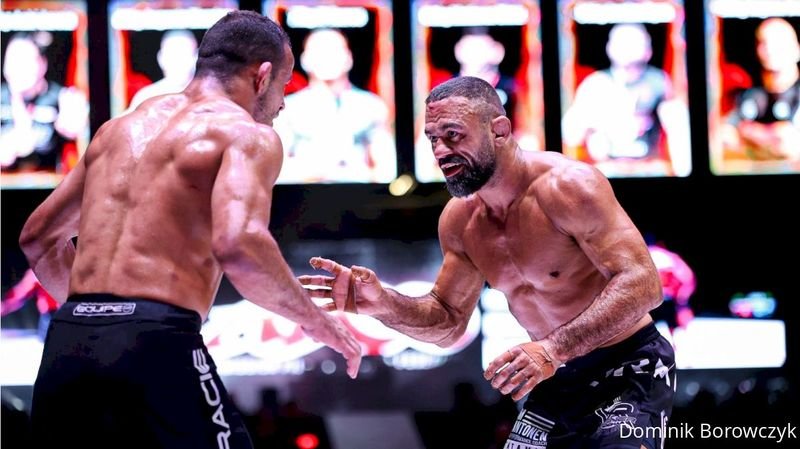
At the 2024 ADCC World Championship, competitors in the men’s divisions landed 62 scored takedowns — more than every takedown recorded across all divisions in 2022 combined. That jump did not happen because jiu-jitsu suddenly discovered wrestling. It happened because wrestlers kept showing up and winning with it.
Why Wrestling Takedowns Have Taken Over No-Gi
The gap between wrestling-heavy and wrestling-light competitors is not subtle. A BJJ Heroes breakdown of ADCC matches found a 41% match-takedown ratio, almost three times the 14% ratio recorded at the same year’s IBJJF World Championship1. Same athletes, same rule family in spirit, different incentive structure — and the number moves by a factor of three.
No-gi removes the handles gi grappling relies on. Without a collar or sleeve to grip, a guard player has fewer tools to pull someone into their game before the fight even starts standing. That favors whoever controls the clinch, and wrestlers have spent years controlling clinches. The same BJJ Heroes dataset tracked 830 matches and 116 recorded takedowns, with single-leg variations landing at roughly a 20% success rate — the highest of any leg-based entry2.
The shift shows up in who gets invited to superfights, too. A decade ago, the sport’s biggest grappling events were stacked with pure BJJ competitors who treated the opening exchange as a formality before pulling guard. Now a wrestling base is treated the way a black belt treats a strong guard — a prerequisite, not a bonus skill. Gyms that used to run wrestling as an occasional seminar now run it as a weekly fixture for exactly that reason.
The Takedowns Worth Blending In First
Not every wrestling takedown transfers cleanly. Four do the heavy lifting in no-gi, and each one solves a different problem a pure guard-puller never has to think about.
- Double leg — the default answer when your opponent squares up. Our full breakdown of the double leg takedown for no-gi covers the exact shot-to-finish sequence.
- Single leg — safer against a sprawl, and the entry most grapplers should drill first because it exposes less of your neck.
- Snap down to front headlock — built for the opponent who bends forward to avoid a shot, which describes most BJJ competitors reacting to a level change for the first time.
- Body lock — our body lock takedown guide goes deeper, but the short version is that it needs no grip at all beyond your own arms, which makes it the most no-gi-proof entry on this list.
Pick one of these as a primary weapon before trying to run all four. Grapplers who try to learn every entry at once tend to master none of them — the wrestlers who show up in ADCC highlight reels usually have one takedown they hit from three different setups, not four takedowns they hit occasionally.
Grip Differences: Collar Ties Replace the Gi
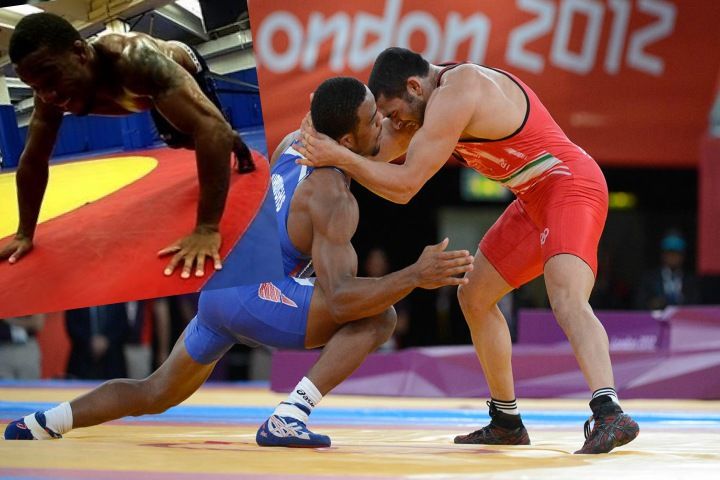
This is where most BJJ-first grapplers get stuck. A gi grappler reaches for a sleeve or collar out of habit, and in no-gi that hand closes on nothing. Wrestling solves this with a different grip vocabulary entirely — collar ties, two-on-one wrist control, and underhooks that do the same job a lapel grip used to do: control the head and the near-side arm before the legs ever move.
A collar tie buried on the back of the neck does three things at once. It breaks posture, it blinds the opponent to a level change, and it sets up a snap down the moment they try to stand back up straight. None of that requires fabric. Grapplers who also build raw hand and forearm strength tend to hold these ties longer under fatigue — our grip strength for no-gi guide covers the training side of that if clinch fights are slipping away late in rounds.
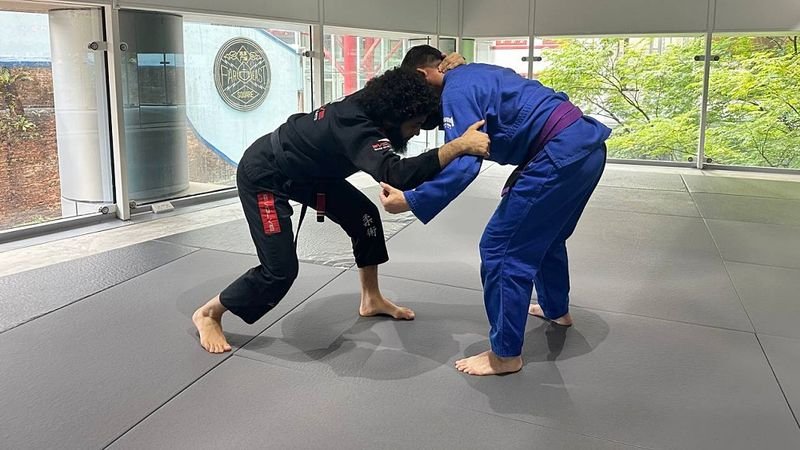
Wrist control matters just as much and gets ignored more. In the gi, a sleeve grip controls the arm automatically. In no-gi, you have to actively fight for a wrist or forearm tie before a shot, or your opponent’s free hand ends up stiff-arming your head out of range. Wrestlers call this hand-fighting, and it happens for ten or fifteen seconds before most shots — watch any ADCC standing exchange and the actual takedown is the shortest part of the sequence.
Chain Wrestling: What to Do When the First Shot Fails
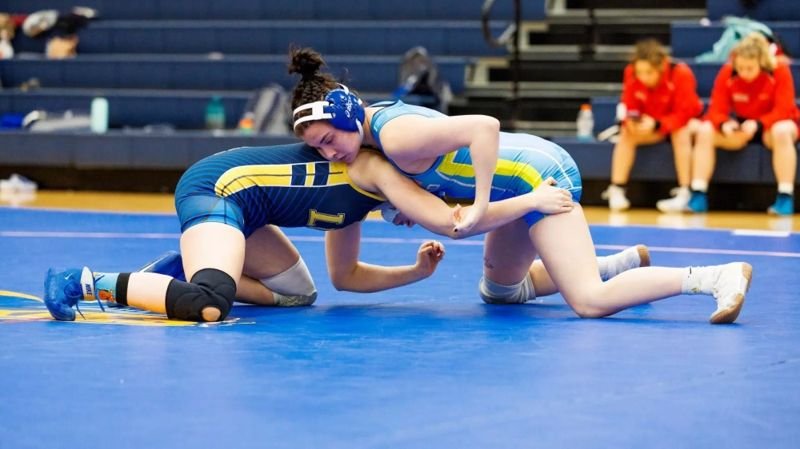
A single wrestling takedown attempt is a coin flip against anyone who has drilled a sprawl. Chain wrestling is the fix, and it is the single biggest thing BJJ-only grapplers skip when they try to add wrestling to their game. The idea is simple: every failed shot hands you a new angle, not a dead end.
A stuffed double leg usually means your head ended up on the outside of their hip. From there a single leg on the same side is already half-finished — you just switch which leg you’re controlling. A sprawled single leg often puts you in position for an ankle pick on the planted foot, since that foot has to bear weight the instant they sprawl. A blocked snap down, in turn, often exposes a body lock, because the opponent has to straighten up and extend their arms to stop the snap, which hands you the exact torso control a body lock needs.
Drilling these chains in sequence, rather than resetting to a neutral stance after every miss, is what separates someone who “knows takedowns” from someone whose takedowns actually score in live rounds. Most gyms drill each takedown in isolation and never connect them, which is backwards from how they actually happen in a real exchange.
Submission Awareness While You Shoot
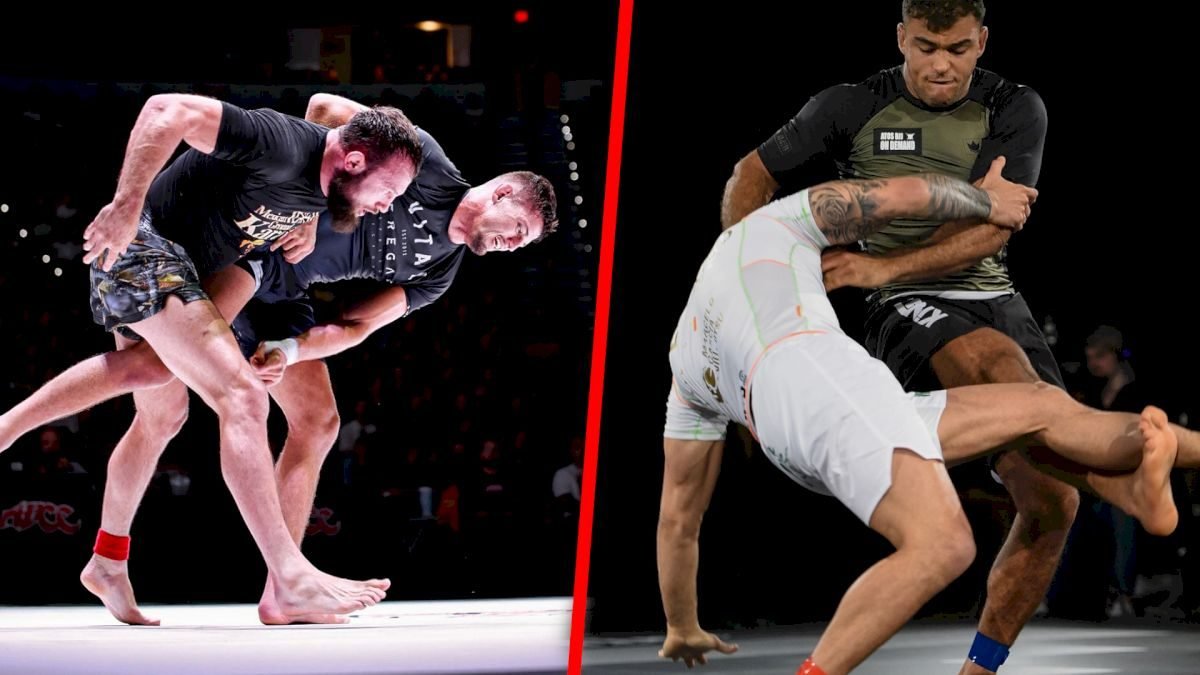
Wrestling was built for a sport with no submissions, and that gap shows up fast once a wrestler starts shooting on BJJ black belts. A head-down double leg against a wrestler is just a takedown. A head-down double leg against a guillotine specialist is a tap waiting to happen. The guillotine and the D’Arce are both built to punish exactly the head and arm position a textbook wrestling shot creates.
The adjustment is not complicated, but it has to become automatic: keep your head to the outside hip on a double leg instead of driving it up the center, and control the far-side arm before you commit so it cannot wrap your neck on the way down. Kimura traps work the same way against a sloppy underhook — if your underhook arm drifts too high while you’re fighting for a body lock, that arm is available for a figure-four the moment the opponent feels it coming.

A Training Blueprint for Blending the Two Styles
Gyms that successfully fold wrestling into a BJJ room tend to follow the same rough progression instead of just bolting a wrestling class onto the schedule. Start with positional drilling — shots from a tie-up, no resistance, pure repetition on footwork and head position. Add a compliant partner who resists just enough to force a real finish. Then move to live king-of-the-hill rounds that start standing, where the only objective is the takedown itself, not what happens after.
The step most schools skip is live wrestling with a submission clock running. Standing-only rounds build bad habits because there is no consequence for a sloppy head position. Once takedown-only rounds feel easy, switch to full rounds that start standing and count both the takedown and anything that happens in the first ten seconds on the ground. That is the only drill that actually trains the submission-awareness piece from the section above.
A simple weekly split works for most schedules: one session purely on entries and chains against light resistance, one live-wrestling session that starts every round standing, and one normal no-gi round-robin where takedowns are just part of the game instead of the focus. Three months of that rotation does more for a BJJ competitor’s standing game than a year of occasional wrestling seminars.
Common Mistakes Wrestlers Make Importing Takedowns Into BJJ
The most common failure point is overcommitting a shot the way folkstyle wrestling rewards. In a six-minute wrestling match, a stuffed shot costs two points and a bad position. In a no-gi submission match, the same stuffed shot with your head buried can cost the entire round. Wrestlers moving into grappling have to relearn when NOT to finish a takedown that is clearly failing.
The second mistake is energy management. Wrestling rounds are short and explosive; grappling rounds run five, ten, sometimes twenty minutes. A wrestler who dumps their whole gas tank into the first thirty seconds of takedown exchanges often has nothing left for the guard-passing or scrambling that follows. Pace the shots. You do not need to score the takedown in the first minute — you need to still be shooting good takedowns in the last one.
The third mistake is treating the takedown as the finish line. In folkstyle and freestyle wrestling, a takedown ends the exchange and the referee resets position. In no-gi, landing the takedown just opens a new fight for top position, and a grappler who stands up to celebrate or relaxes their grip for a second gets swept or reversed by someone who never stopped moving.

John Danaher’s breakdown above backs up the same point this article keeps circling back to: the takedowns that work in no-gi are the ones that need the least amount of gripping to finish, because no-gi gives you almost nothing to grip. Build your game around that constraint instead of fighting it, and the transition from wrestling room to BJJ mat stops being a rebuild and starts being an upgrade.
Sources
- Is Wrestling The Key to ADCC Success? — BJJ Heroes — match-takedown ratio data comparing ADCC (41%) to the IBJJF World Championship (14%).
- By The Numbers: Most Successful Takedowns in Jiu-Jitsu — BJJ Heroes — 830-match dataset tracking takedown frequency and single-leg success rate.