
No-Gi Hip Injuries: 7 Keys to Recover
The hip takes a different kind of abuse in no-gi than it does under the gi. Without fabric to grip and slow a scramble down, grapplers spend more time chasing frames with bare skin, which means more reps in the exact positions — deep half, single leg X, closed guard under a standing pass — that load the hip joint into flexion and rotation at the same time. The 2026 UK survey of 341 grappling athletes across BJJ, judo, catch wrestling, and MMA grappling that tracks most of the field’s injury data put hip and groin injuries at 3.6% of all reported cases in BJJ specifically, behind the knee and shoulder but ahead of several joints most grapplers worry about more. Modest doesn’t mean safe to ignore — an adductor strain or an inflamed bursa that gets trained through instead of rested is how a two-week injury turns into a six-month one.
Why No-Gi Guard Battles Load the Hip Harder Than the Gi Does
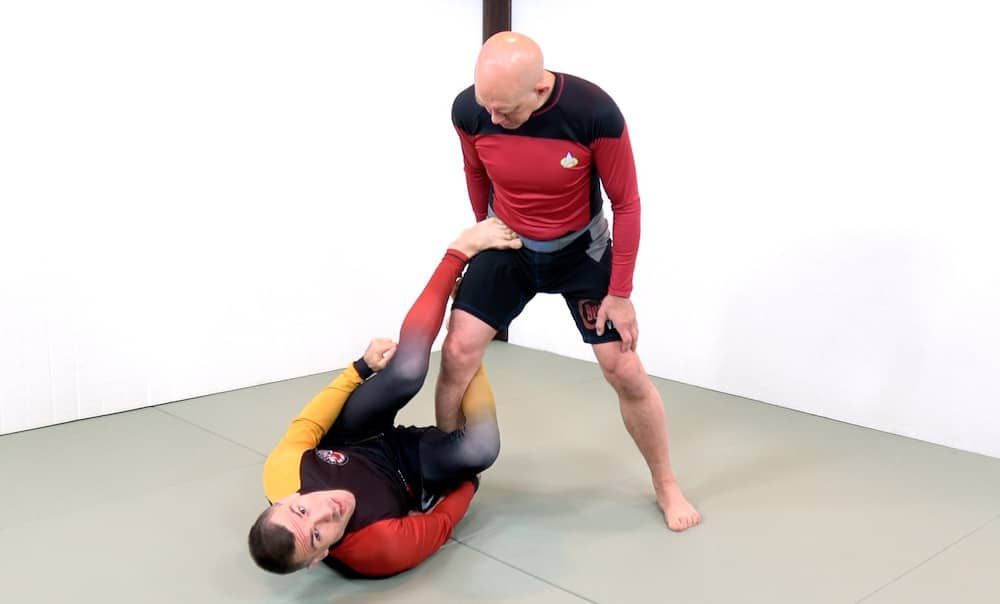
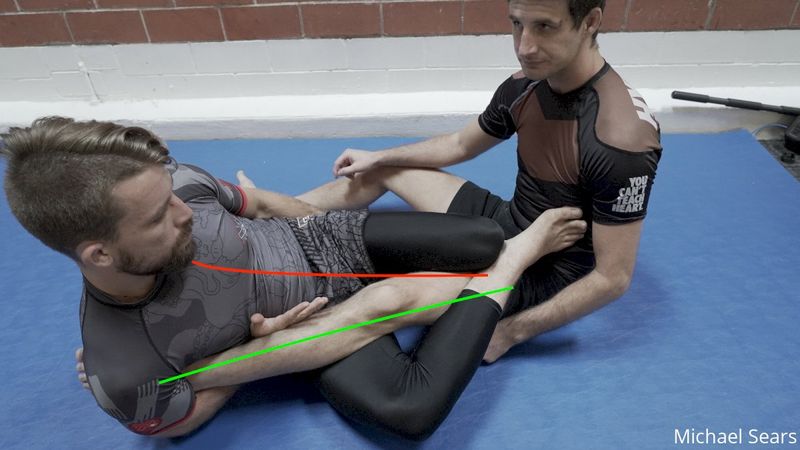
Grip the sleeve and collar of a gi and a scramble slows down just enough for both grapplers to reset their hips before the next exchange. Take the gi away and that friction disappears. No-gi guard retention runs almost entirely on hip speed — swiveling through single leg X, chasing a de la riva hook, or recovering a seated guard against a standing pass all ask the hip to hit end-range flexion combined with internal or external rotation, over and over, usually while an opponent is actively trying to break the position open. That combination of deep flexion plus rotation is the same loading pattern associated with femoroacetabular impingement, a structural pinch at the joint capsule that shows up on imaging in an estimated 10% to 15% of the general adult population before symptoms even start.
Guard passing adds its own version of the same problem. A stack pass or a wide knee slide that drives an opponent’s leg out to the side loads the defending hip’s adductors in a stretched, loaded position — closed guard under a standing pass, scissor and flower sweep attempts, and spider guard or lasso grips that keep a leg extended all put the groin under tension at the worst possible angle for a muscle that’s already fatigued. The same asymmetric hip loading flagged in no-gi lower back injuries from guards like de la riva and single leg X doesn’t stop at the SI joint — it runs straight into the hip socket itself.
The Hip Injuries No-Gi Grapplers Actually Get
Most hip complaints in no-gi fall into one of seven categories, and only one of them is a real emergency. Osteitis pubis shows up as groin stiffness and pain with hip movement after months of repetitive twisting past a comfortable range. Hip bursitis follows a similar overuse path — constant pressure through the hip during scrambles and top-position grinding irritates the fluid-filled sac that cushions the joint, and it gets worse, not better, if you keep training through it. A hip pointer is blunt trauma, a bruise from a hard fall or getting caught awkwardly in a scramble, and it hurts more than it damages. Snapping hip syndrome is the strange one: a tendon or muscle catches and releases over a bony ridge, producing an audible pop or click that sounds alarming and usually isn’t serious.
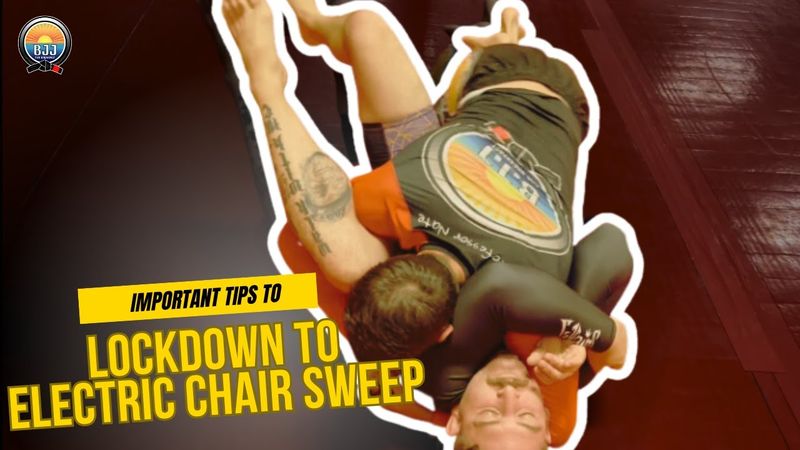
The adductors deserve their own mention, since groin strain is the single most common hip-adjacent complaint no-gi grapplers report. A pulled adductor from a scissor sweep or a stack pass rarely needs imaging — it needs rest and a progressive loading program. The submission version of the same stress shows up directly in techniques like the banana split, which targets the groin and hip flexor on purpose, and the electric chair position, which stretches the same tissue from the lockdown half guard. The two injuries worth taking seriously are a stress fracture, which develops from months of overtraining without enough mobility work, and a labral tear — cartilage damage inside the joint that causes a deep ache, a catching sensation, and genuine instability, and which sits alongside adductor strain and rectus femoris strain in what sports medicine researchers call the “sports hip triad,” a cluster of injuries that tend to show up together in athletes who load the hip explosively and repetitively.
What the Numbers Actually Say
A 2025 global cross-sectional study of 881 BJJ practitioners found hip and groin problems accounted for roughly 3.1% of medically diagnosed injuries, split almost evenly between hip pain and groin pain, against an overall injury incidence of 5.5 per 1,000 training hours and 55.9 per 1,000 competition matches. That same study put the knee and shoulder well ahead at 25% and 13% of all injuries, which tracks with what most gyms already assume — the hip isn’t the joint grapplers fear, and that’s exactly why it gets undertreated when it does act up. The UK survey covering four grappling disciplines backs up the low-but-real pattern: 3.6% in BJJ, 1.9% in catch wrestling, 1.8% in judo, and zero reported cases in the MMA grappling, Greco-Roman, and Sambo samples — a gap that likely reflects smaller sample sizes in those groups more than an actual absence of hip injuries in those styles.
What the raw percentages miss is severity. A groin strain that gets ignored because it ranks low on the injury-frequency chart can still take a grappler off the mats for two months, and a labral tear that goes undiagnosed because “it’s just a hip thing” can turn into a hip that needs arthroscopic surgery instead of six weeks of physical therapy. Low frequency and low stakes are not the same thing.
Red Flags That Mean You See a Doctor, Not a Trainer
Garden-variety hip soreness loosens up as you warm up and fades within a few days. A handful of signs mean the trainer’s advice stops mattering and a doctor’s opinion starts:
- A deep pinch at the front of the hip in full flexion that doesn’t ease up after a week of rest
- A catching, locking, or giving-way sensation inside the joint itself, not just tightness
- Groin pain sharp enough to change your walking gait, not just your training
- Swelling, bruising, or visible deformity after a hard fall or a scramble gone wrong
- Pain that wakes you up at night or doesn’t respond at all to rest and ice
- Any snapping hip that starts coming with pain instead of just sound
The gait change is the one grapplers blow past most often. A sore hip that still lets you walk normally is usually muscular. A hip that makes you limp, even slightly, even a day later, is telling you something structural is involved, and that’s not a symptom a foam roller fixes.
What Actually Helps a No-Gi Hip While It Heals
There’s no taping job that fixes a hip the way kinesiology tape helps a strained shoulder sit a little straighter. What works instead is unglamorous: two to four days of genuinely avoiding loaded flexion, ice after any session that still aggravates it, and a training modification that swaps wide, loaded guard positions for ones that keep the legs closer to the body. Trading an extended-leg spider guard or lasso grip for a tighter half guard with a knee shield takes the stretched-adductor stress out of the equation without pulling you off the mats entirely.
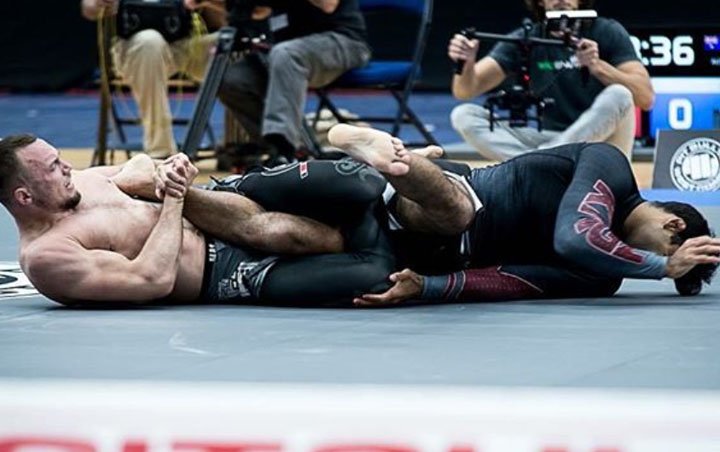
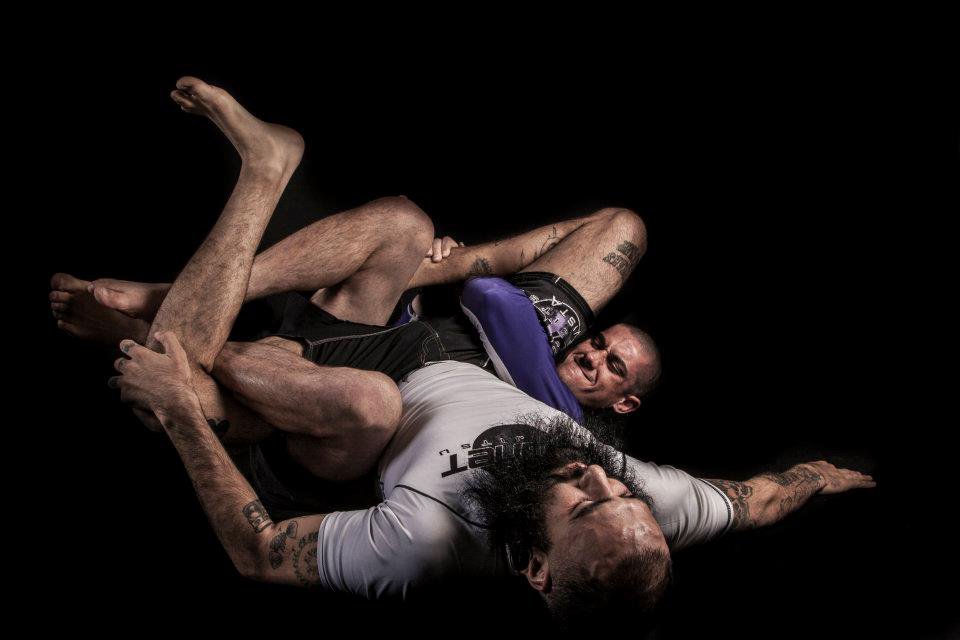
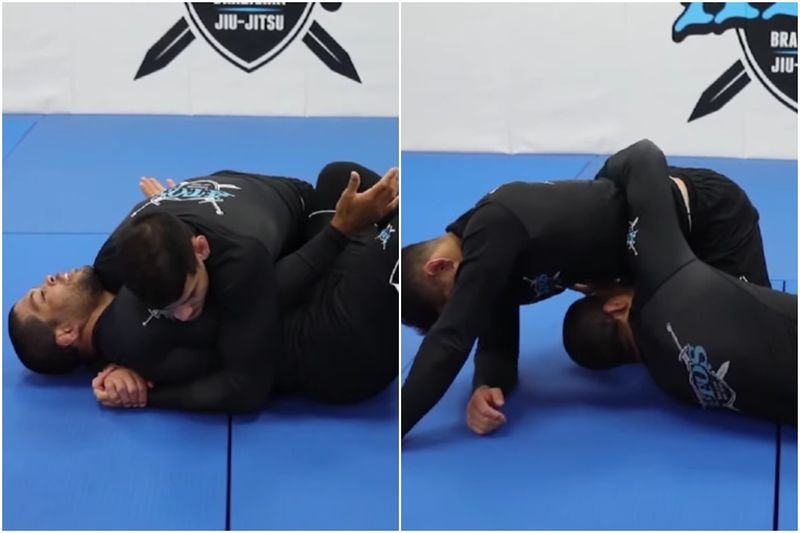
Drilling beats rolling during this stretch, and so does picking partners who know to ease off deep leg entanglements and stack passes while you’re working around it. Guard retention scrambles like the one below are exactly the movement pattern that reinjures a healing adductor or flares an irritated bursa, so treat live scrambling as the last step back, not an early one.

The Return Timeline No One Tells You
A mild adductor or flexor strain settles in two to four weeks with rest, ice, and a gradual reintroduction of resistance work. A moderate strain or a case of hip bursitis that actually calms down runs closer to four to eight weeks before full-contact rolling makes sense again. A labral tear sits in a different category — conservative treatment with targeted physical therapy can work for some grapplers, but others end up needing arthroscopic repair, and that recovery is measured in months, with a return to live grappling that depends on imaging and a surgeon’s clearance, not how the joint feels on a given Tuesday.
The mistake that resets the clock is testing a healing hip against live resistance before testing it against anything else. Pain-free daily movement comes first, then isolated strength work, then controlled drilling with a cooperative partner, and only then live rolling. A hip bump sweep attempted at 80% readiness against someone trying to resist it is a worse bet than waiting one more week and attempting it at 100%.

Building a Hip That Doesn’t Give
The single most useful habit for preventing no-gi hip injuries isn’t a brace, it’s a dedicated adductor program run on days you’re not rolling hard. Copenhagen planks and side-lying leg raises build the strength that keeps a stretched groin from tearing under a scissor sweep. Band-resisted adduction work trains the same tissue through a fuller range than drilling alone ever will. None of this needs more than two short sessions a week to show a real difference within a month or two.
Mobility work matters just as much as strength, and it belongs before class, not instead of a warm-up. Five minutes of lateral lunges, hip circles, and slow frog stretches gets blood into the joint before the first live round, which is exactly when a cold hip gets asked to hit end-range flexion without warning. Shrimping and hip-escape drills double as both a warm-up and a rehearsal for the exact movement pattern — rapid hip extension under load — that a lot of grapplers never train outside of live rolling, which is the worst possible time to find out a hip isn’t ready for it.
Sources
- Bell, J., Travis, E., & Jones, A. (2026). A Retrospective Self-Reported Audit of Injuries Amongst Grappling Athletes Competing in the United Kingdom. International Journal of Strength and Conditioning — 341-athlete survey across four grappling disciplines, hip and groin injury rate data.
- Injury prevalence among Brazilian Jiu-Jitsu practitioners globally: a cross-sectional study in 881 participants — global BJJ injury survey, hip/groin medically-diagnosed injury rate and training exposure data.
- BJJ Hip Injuries: Types and Treatment — breakdown of osteitis pubis, bursitis, hip pointer, stress fracture, impingement, snapping hip, and labral tear.
- BJJ & MMA: Hip Pain Management in Brazilian Jiu Jitsu — clinical perspective on hip impingement and deep flexion/rotation loading in grapplers.