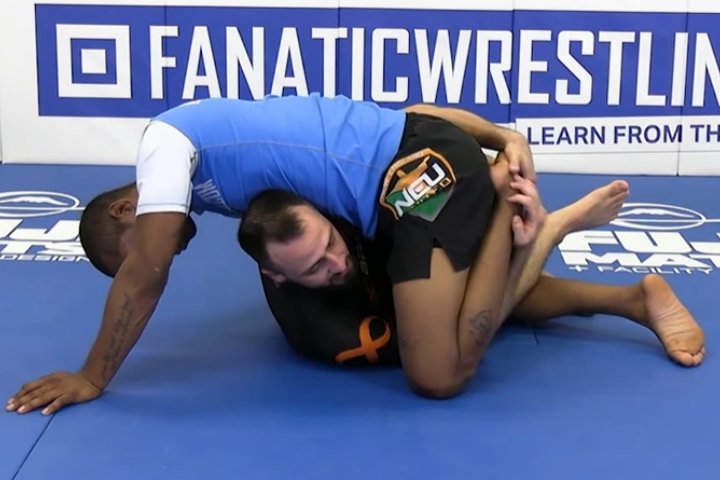
Ashi Garami: 7 No-Gi Leg Entanglements That Set Up Heel Hooks
At ADCC 2024, more than 60% of matches ended with a leg attack — and almost every one of those finishes started from ashi garami. Ashi garami is the family of no-gi leg entanglements that John Danaher built his death squad around: a positional system where you bury your opponent’s leg, control the line of his hips, and hunt heel hooks, knee bars, or toe holds without ever needing a kimono grip. If you train no-gi and you’re not at least defending these positions reflexively, you are losing rounds to anyone who has watched the last three years of WNO.
The position is older than its current reputation. Ashi garami appeared in Jigoro Kano’s original judo syllabus as a leg entanglement, but it stayed niche until Eddie Cummings and Garry Tonon dragged it into competitive grappling at EBI 1 in 2014. Twelve years later it’s the default attacking platform in submission-only no-gi from amateur regionals through ADCC Worlds. The seven variations below cover the entry frames that actually win matches — not every shape ever named, just the ones you’ll see at your gym tomorrow.
What Is Ashi Garami in No-Gi BJJ?
Ashi garami translates loosely from Japanese as “leg entanglement,” and that’s the cleanest way to think about it. It’s not a single technique — it’s a category. Any time both of your legs wrap around one of your opponent’s legs in a way that isolates their knee line, you’re in some form of ashi garami bjj. The position exists in gi BJJ too, but the rule sets that allow heel hooks in no-gi (ADCC, IBJJF no-gi at brown and black, every sub-only show on the planet) are what made it the dominant leg-attack platform of the modern era.
Most schools group the position into four families: single leg X (outside ashi), inside sankaku (the “saddle”), 50/50, and cross ashi. The single concept connecting them is leg isolation — once you trap one of your opponent’s legs between yours and pin his free leg where it can’t post or escape, you’ve earned the right to start hunting submissions. Read our single leg X guard breakdown for the foundational entry mechanics. This piece is about what happens after that entry.
1. Single Leg X (Outside Ashi Garami): The Beginner’s Heel Hook Entry
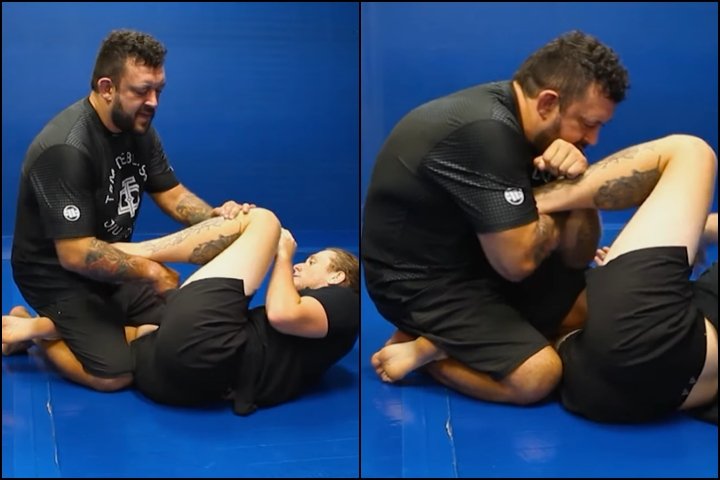
Single leg X is the entry most beginners actually learn first, and it’s still where the majority of competition heel hooks start. Marcelo Garcia popularized it as a sweeping platform back in 2003 — he was hitting it without any idea anyone would one day use it for the outside heel hook. The shape is simple: your bottom leg threads behind your opponent’s standing leg, your top shin posts inside his hip, and your other foot grips his back hip or knee.
For sweeping, you elevate his trapped leg and dump him to his side. For attacking, you fall to your outside (the “false reap” angle the IBJJF tolerated for years), expose his outside heel, and finish the outside heel hook. Lachlan Giles built almost his entire competitive career on this single entry — including his bronze medal run at ADCC 2019, where he tapped three opponents bigger than him in a single bracket using nothing but outside ashi garami entries.

The trade-off: you’re giving your opponent your back. If he frames correctly and pivots his trapped knee outward, he can pop free and start passing. Train the entry with someone who can actually defend — not your blue-belt friend who’ll freeze when he feels the foot threading through.
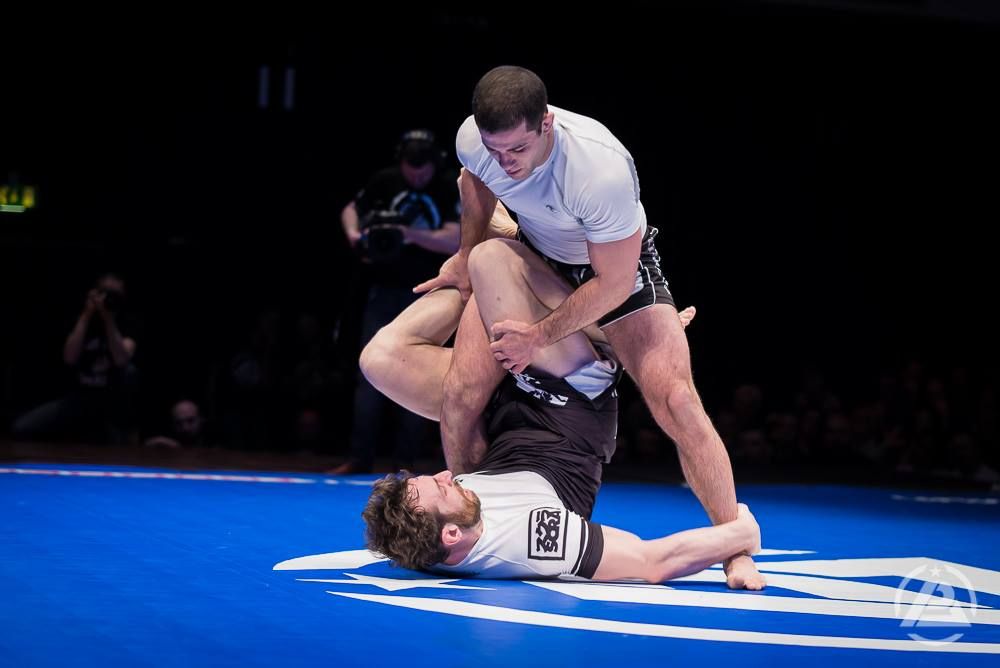
2. Inside Sankaku — The Saddle Position
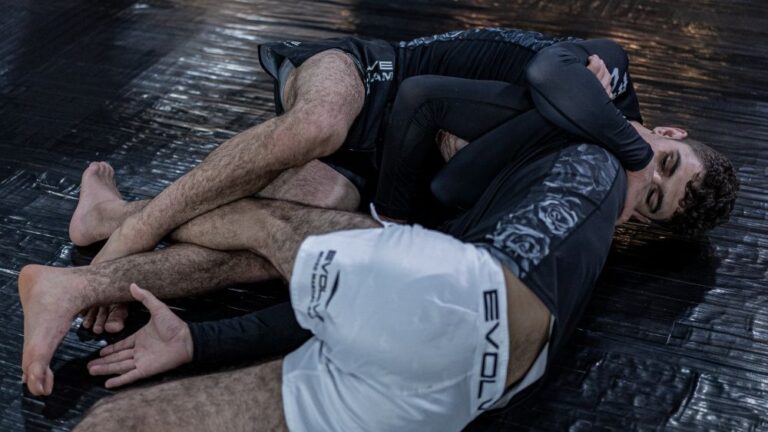
Inside sankaku is where Danaher built his empire. It’s also called the saddle, the honey hole bjj position, or the 4/11 (because your legs form the numbers 4 and 11 when viewed from above). You hook one of your legs over the top of your opponent’s hip and bring your foot through to the inside of his thigh, then triangle that foot behind your own knee. His leg is trapped vertically, you’re sitting upright, and his heel is exposed straight at your sternum.
The saddle position bjj wins matches because of the inside heel hook. That’s the high-percentage finish — the only leg lock that ADCC officially allowed at brown and black for the entire decade before the 2024 ruleset opened things up further. From here you can also attack the knee bar, the toe hold, and (if your partner panics and rolls) the calf slicer. Watch any Gordon Ryan ADCC final from 2017 through 2022 and you’ll see this position at least four times per match. He doesn’t always finish it; he uses it as a control trap to dictate where the match goes.

3. 50/50 — Both Legs Inside, Both Heels Exposed
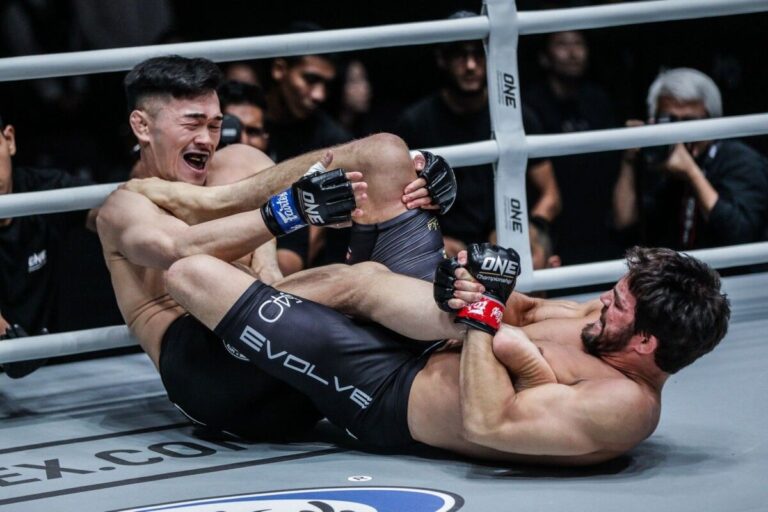
50/50 is what happens when both grapplers find inside ashi garami on each other at the same time. It used to be considered a stall position — gi competitors would camp there hunting points and ankle locks. In no-gi it’s the most dangerous neutral position in grappling, because both heels are exposed, and the first person to clear their own hip wins.
Lachlan Giles and Craig Jones disagree publicly about whether 50/50 is good or bad. Giles’s full instructional is literally called Leg Lock Anthology: 50/50 — he thinks the position is winnable if you understand the heel exposure mechanics. Jones is more skeptical; he’ll enter it if forced but prefers cross ashi or inside sankaku, where the heel exposure isn’t symmetric. The truth is simpler than either of them lets on: if you’re cleaner on hand fighting and faster on the hip switch, 50/50 favors you. If you’re not, it’s a coinflip you don’t need to take.

4. Cross Ashi Garami — Reaching Across for the Outside Heel
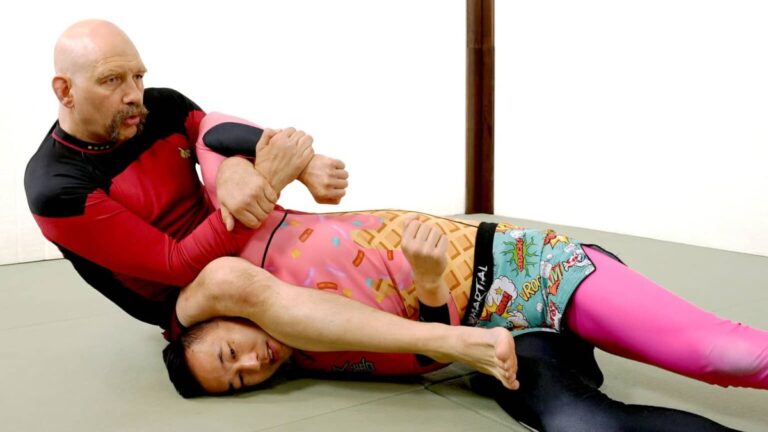
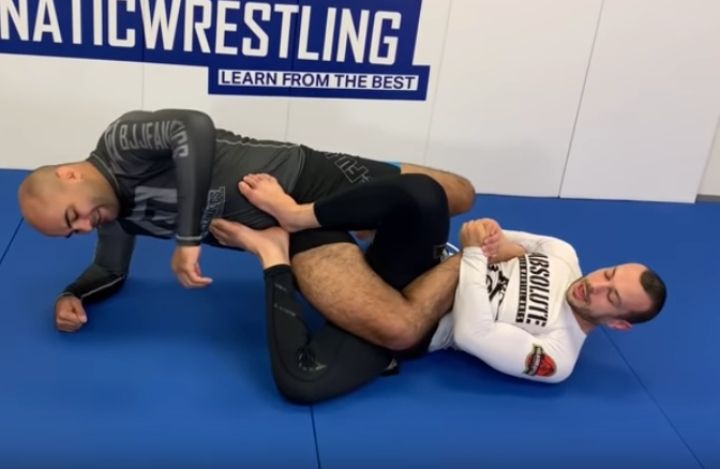
Cross ashi garami is the variation Robert Degle has spent the last five years systematizing. Instead of trapping your opponent’s same-side leg, you reach across with your near-side leg and grab his far leg. It looks awkward at first — your hips are square to his head, your legs are crossed in front of you — but the heel exposure it creates is unique: his outside heel is now pointing directly toward your face.
This setup is what makes the outside heel hook so accessible. You don’t need to chase the heel exposure; the position hands it to you. The finishing mechanic is identical to single leg X, but the entry is cleaner against opponents who already know how to defend straight ashi. Most modern Danaher-influenced grapplers chain cross ashi and inside sankaku as a positional fork — if your opponent defends one, he’s exposed in the other.
5. The Reap Question — Why Modern Rules Changed Everything
For two decades, IBJJF banned the “reap” — bringing your knee across the centerline of your opponent’s leg, the exact mechanic that exposes the heel in inside sankaku and cross ashi. This is why old-school gi BJJ competitors looked at leg locks as low-percentage. They literally weren’t allowed to enter the positions that make leg locks work in the first place.
The 2024 IBJJF rule update opened reaps and heel hooks at brown and black belt in no-gi — finally bringing the federation in line with what ADCC, WNO, and every sub-only promotion had already been doing for years. If you compete IBJJF, train ashi garami like it’s legal now, because it is. If you compete ADCC or sub-only, this has been your default game since 2014.

6. Ashi Garami to Back Take — When the Heel Hook Isn’t There
The smartest people in the leg lock game don’t always finish from ashi garami. They use it as a positional fork: if you don’t tap, you give up your back. Sometimes the heel doesn’t expose cleanly, or your opponent defends his foot well, and forcing the finish from there just burns energy you’d rather spend elsewhere. The answer is to switch to the back take.
From inside sankaku, when your opponent rolls belly-down to defend the heel, you ride the rotation and end up with both hooks in on his back. The mechanic is the same one every guard player learns going from x-guard to back take — only the entry position changes. Connect this with our heel hook setups guide and you’ll see how the positional fork stacks: ashi garami heel hook attempt, back take if they defend, choke from back. Three threats. One position.
7. Defending Ashi Garami — Hand Fighting Before You’re Stuck
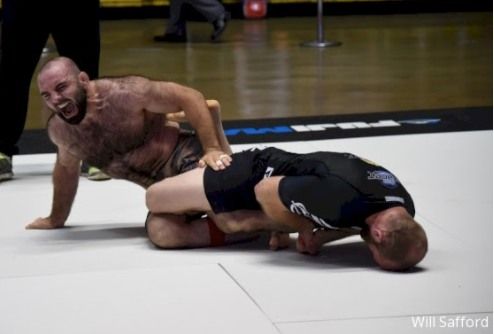
Defending ashi garami starts before you’re in ashi garami. The instant you feel your opponent’s foot threading inside your hip line, your two hands need to be on his ankle, peeling that foot back out. This is the moment every modern coach calls “the entry battle.” Lose it and you’re playing catch-up from a position specifically designed to deny you escape mechanics.
If you do end up trapped, the priorities in order are: hide your heel by externally rotating your foot; sit up and frame on his far knee to deny heel exposure; hand fight the inside hook to threaten the boot escape; and if all else fails, stand up while he’s still on the ground and force him to choose between holding the position and standing with you. The same defensive frame applies if you’re caught in a knee bar from no-gi positions — the knee bar threat often opens the heel hook in the first place.
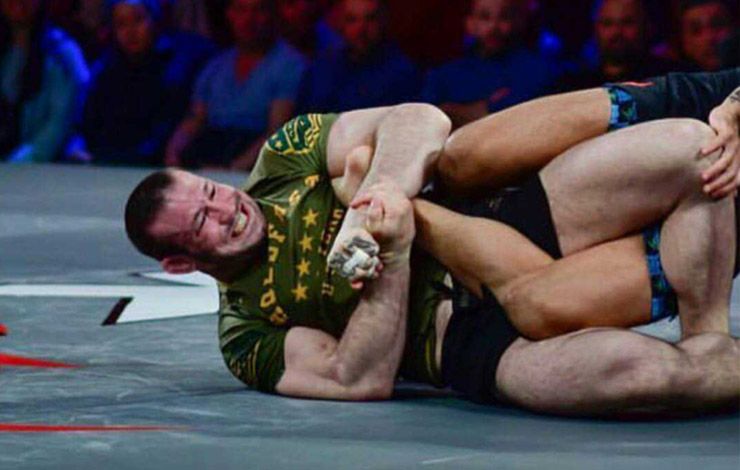
Watch: Lachlan Giles and Craig Jones Break Down Ashi Garami vs 50/50
Both of these guys hold ADCC medals and have produced the most-watched instructionals in the game. Their disagreement about whether to live in ashi garami or in 50/50 captures the whole strategic debate in seven minutes.
Common Questions About Ashi Garami
Is ashi garami legal at white belt?
The position itself is allowed in any rule set that allows leg attacks. IBJJF and ADCC restrict the specific submissions (heel hooks, knee reaps) by belt level, but the entry is always legal. Most academies start teaching the position around blue belt because the defensive mechanics require enough mat time to make sense.
What’s the difference between ashi garami and 50/50?
50/50 is when both grapplers have inside ashi garami on each other simultaneously. It’s a specific symmetric configuration. Ashi garami is the broader family that 50/50 belongs to — along with single leg X, inside sankaku, and cross ashi.
Can I attack ashi garami from top position?
Yes — top ashi is increasingly common at high levels. You drop into the position from a standing or kneeling top guard pass. Craig Jones has a famous “Z guard to ashi” sequence in his instructionals; the entry off a half-guard pass attempt is one of the highest-percentage top leg lock setups in modern no-gi.
Why do they call inside sankaku the “saddle”?
The shape your legs make around your opponent’s trapped leg looks like a saddle from above. The same position has several names — inside sankaku (Danaher’s terminology), 4/11 (Mike Reilly’s notation), honey hole (Eddie Cummings’ nickname) — they all describe the same configuration with the same submission options.
If you’re rolling no-gi in 2026 and treating ashi garami as a “leg lock thing” instead of as the central positional game of modern jiu-jitsu, you’re playing a 2012 ruleset against opponents trained on a 2024 one. Drill the entry battle. Drill the heel hide. Drill the back take when the finish isn’t there. Pick one variation from this list, train it for ninety days, and watch your no-gi game change.
Sources
- The Top 10 Leg Lockers To Watch At ADCC 2024 — FloGrappling coverage of the modern leg-lock era at ADCC
- Ashi Garami BJJ — BJJ Fanatics’ breakdown of the ashi garami family and its sub-variants
- Basic Ashi Garami Positions Explained — Evolve MMA’s beginner-friendly overview
- Eddie Cummings profile — BJJ Heroes biography of one of the architects of modern leg-lock jiu-jitsu
- IBJJF Rule Book — Official competition rules including 2024 reap and heel hook updates
Browse our top-rated rashguards and no-gi gear at the RashguardGuy shop →