No-Gi Rib Injuries: 5 Keys to Recover
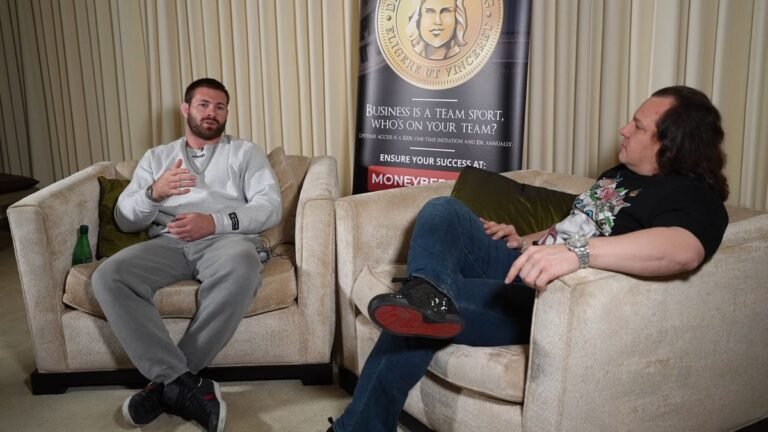
Gordon Ryan pulled out of every match on his 2023 UFC Fight Pass Invitational card after he “badly popped” a rib drilling back escapes — not competing, drilling. He told his team he’d tried to train through it for a week first. That detail matters more than the injury itself: the five-time ADCC champion, with a full medical staff around him, still waited too long to stop and still needed months to get back. If his team can misjudge a rib injury, yours probably will too — the same impatience is what turns a manageable joint injury like turf toe into a recurring problem.
Why the Body Lock Pass Is the No. 1 Rib Culprit in No-Gi
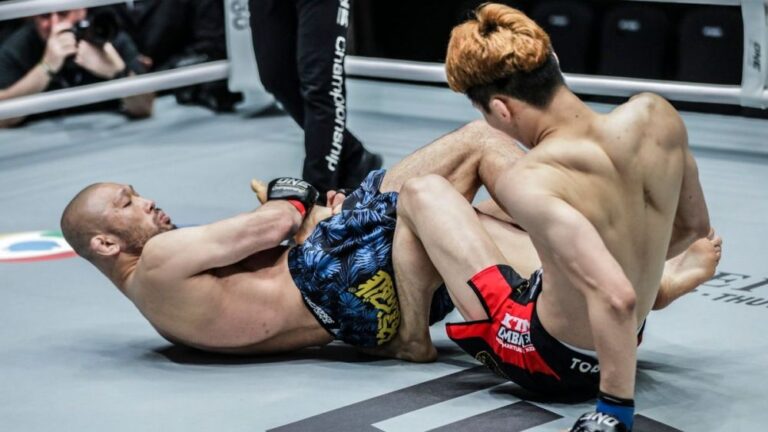
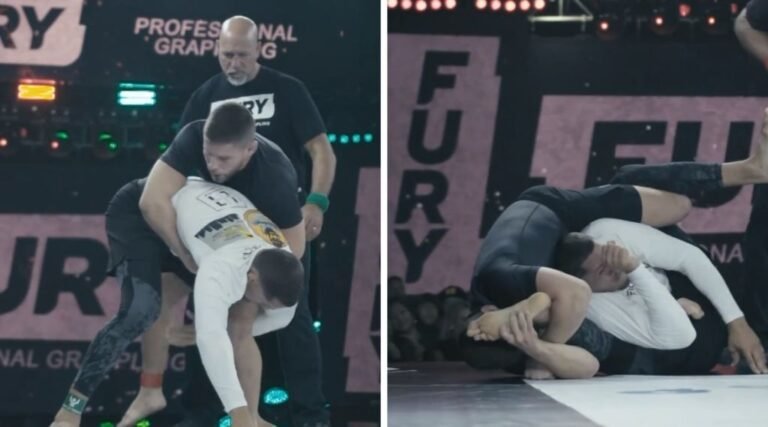
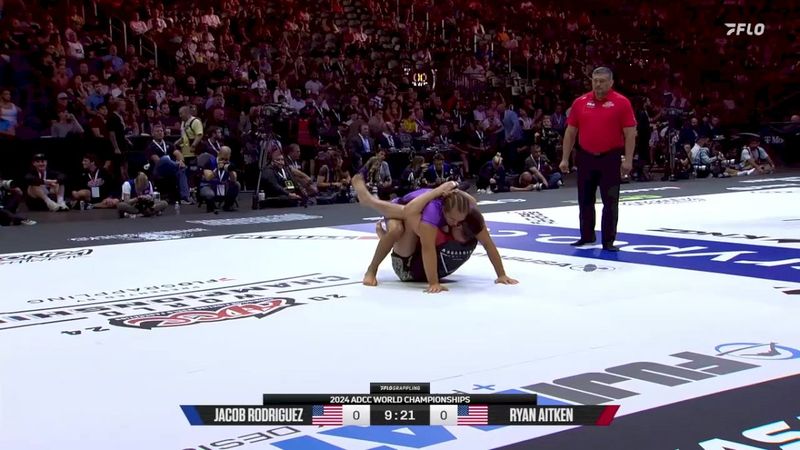
Gi grapplers spread rib-cage load across collar and sleeve grips. No-gi strips that away. The body lock pass — clasping both hands behind the opponent’s lower back and driving chest-to-chest — has become the default pressure-passing method at ADCC-level competition precisely because there’s no fabric to grab and stall the drive. All of that force transfers straight into the floating ribs of the grappler on bottom, right where cartilage meets bone and has nowhere to flex.
Weight disparity makes this worse than most grapplers account for. A 20-pound gap between training partners doesn’t just mean the bigger grappler passes more often — it means the ribs underneath absorb proportionally more load per pass, which is why so many rib injuries happen in open-mat rolling against a heavier, less experienced partner rather than in a controlled drilling round with someone your own size.
There’s also a timing factor nobody talks about: ribs are most vulnerable on the exhale. A grappler who gets caught mid-breath under a body lock pass, with the diaphragm already pulled in and the rib cage partially collapsed, takes dramatically more structural load than one who’s braced on an inhale. Elite competitors train breathing discipline under pressure specifically to avoid getting caught in that exhale window during a scramble.
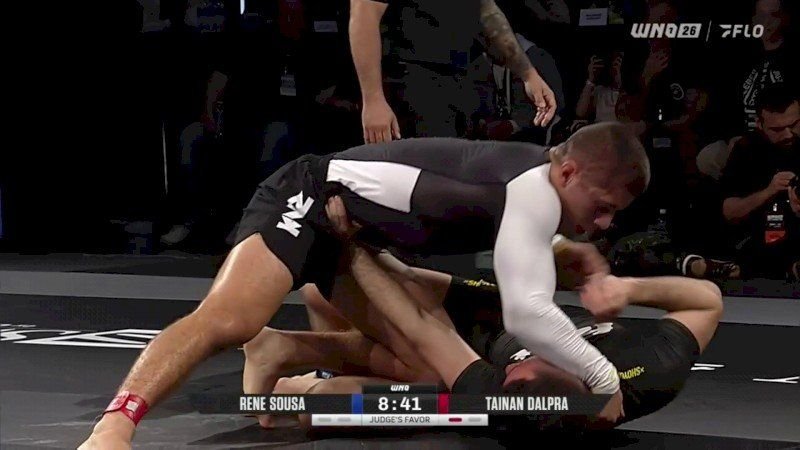
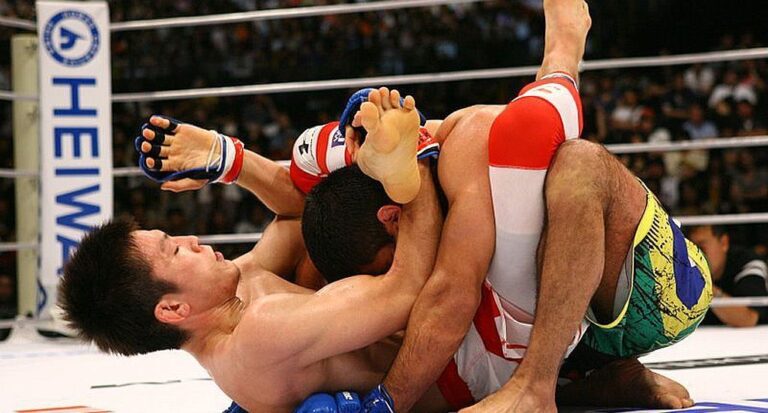
Cross-face pressure from side control does the same thing from a different angle, and knee-on-belly adds a direct point load. None of these are rule violations or dirty technique — they’re the sport working as designed. The ribs just aren’t built to absorb repeated compressive force from someone’s full bodyweight, and no-gi grinds out more rib exposure per minute of live rolling than almost any other grappling position.
Three Rib Injuries No-Gi Grapplers Actually Get
Not every rib injury is the same, and treating a bruise like a fracture (or vice versa) wastes weeks of recovery time either way.
Intercostal strain or bruise is the most common and least serious. You’ll feel a dull ache that sharpens on a deep breath or a sneeze, usually without a specific “pop” moment. These heal in 2-4 weeks and tolerate gentle movement almost immediately.
Costochondral separation is the one that fools people. It happens when the rib tears loose from the cartilage connecting it to the sternum — often from a single hard cross-face or a body lock pass landing wrong — and it comes with a distinct pop and a sharp point of pain you can sometimes press and feel shift. Because cartilage doesn’t show up well on an X-ray, it gets missed or dismissed as “just bruised” constantly. Recovery runs 8-12 weeks, nearly triple a simple bruise, and training through it is how a six-week injury turns into a six-month one.
Rib fracture sits in between at 4-6 weeks for the bone itself, though pain-free breathing and rotation usually lag another few weeks behind the bone healing. A fracture typically announces itself immediately — audible crack, can’t take a full breath, pain on light palpation anywhere along the rib, not just at one joint. Clinical guidance on rib injuries backs up the same split: cartilage damage lags well behind bone healing because cartilage doesn’t knit the way bone does.
If you felt a distinct pop and can press a specific spot to reproduce sharp pain, assume costochondral separation until a doctor tells you otherwise. Guessing wrong in the optimistic direction is the single most common way grapplers extend their own layoff.
When Rib Pain Means See a Doctor, Not Just Tape It
Most rib injuries in grappling are manageable at home with rest, tape, and patience. A smaller number need imaging and medical oversight, and waiting too long to find out which category you’re in is how a 4-week injury becomes a 4-month one.
- Shortness of breath that doesn’t ease once you stop moving
- Visible deformity, swelling, or a lump along the rib line
- Pain that’s just as sharp lying still as it is moving
- Bruising that spreads significantly over 48-72 hours rather than fading
- Any pain centered over the sternum itself rather than the rib shaft
That last one deserves its own flag. Sternum-centered pain after a chest-to-chest grind can point toward a costosternal injury rather than a simple rib issue, and those carry a small but real risk of complications that a standard rib bruise doesn’t. If in doubt, a same-day urgent care visit costs you one missed training session. Guessing wrong costs you a lot more.
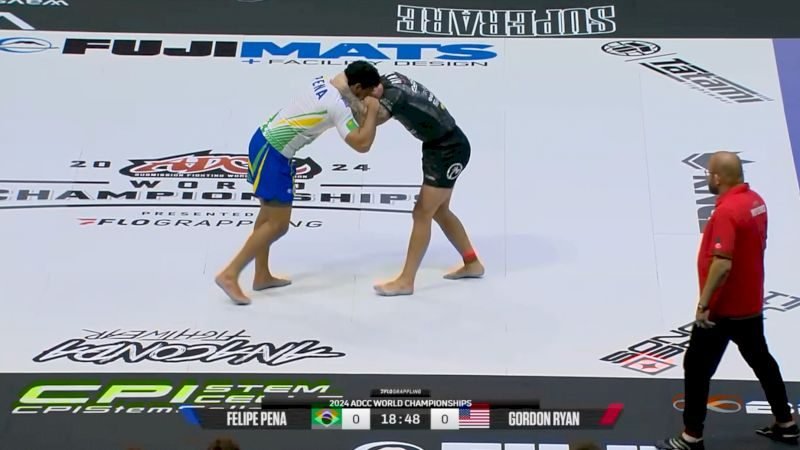
Gordon Ryan’s Popped Rib: What Training Through Pain Actually Costs
Ryan’s injury happened during a back-escape drilling session, not live rolling — a detail that gets lost in how the story usually gets told. Drilling feels safe because the intensity is lower, but repeated bridging under a training partner’s weight loads the ribs through the exact same compressive mechanism as a live body lock pass, just with less urgency to stop when something feels wrong.
He withdrew from his scheduled match against Mason Fowler and pulled out of every card through the rest of that year, telling fans he’d be at the events coaching rather than competing. That’s a five-time ADCC champion, with a full performance team, choosing a full-season shutdown over trying to grind through it. The lesson isn’t “rib injuries are scary.” It’s that even elite-level training management didn’t make the injury heal faster once he’d aggravated it — avoiding the aggravation in the first place was the only real win available.
Taping and Bracing: What Actually Helps
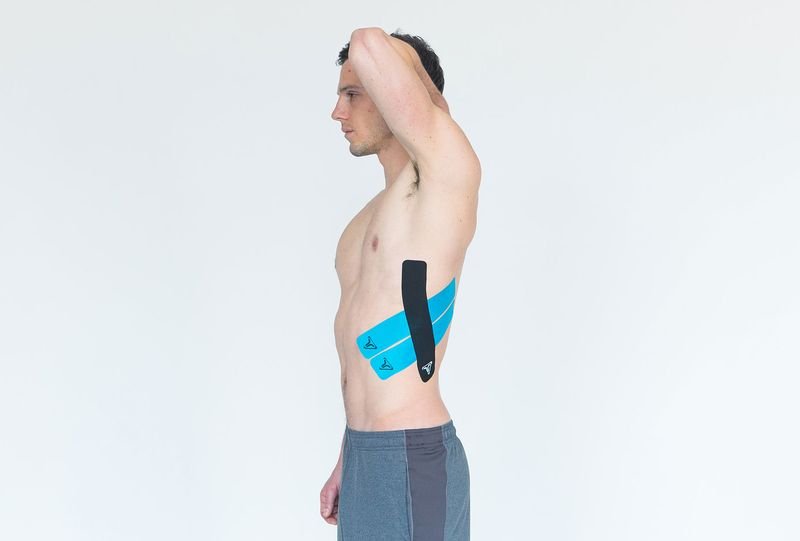
Kinesiology tape doesn’t speed up tissue healing — nothing does except time — but it does two things that matter for a grappler stuck between “rest completely” and “go broke not training.” It gives you a proprioceptive reminder to avoid the exact rotation that re-aggravates the injury, and it provides enough compression to make deep breathing and coughing noticeably less sharp during the first two weeks.
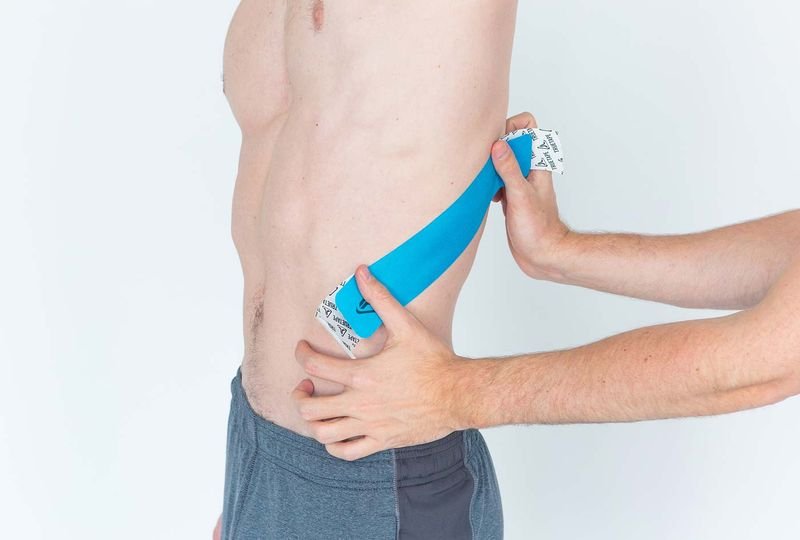
The application matters more than the brand. Run the tape along the rib itself rather than wrapping the whole torso — a full wrap restricts the breathing mechanics you’re trying to protect. Anchor one end just off the injured spot, lay it down with light stretch directly over the site, and let the far end sit unstretched. Most grapplers tape too tight and end up fighting the tape for breath room instead of the injury.
A rigid rib belt helps more with fractures than with costochondral separation, since separations need the joint to keep moving gently rather than being locked still. Skip the belt for sleeping if it restricts your breathing — disrupted sleep slows healing more than an unsupported rib costs you. The rest of your recovery routine between sessions matters just as much as the tape job itself.
The Return-to-Training Checklist No One Follows
Most grapplers use a single test: does it still hurt? That’s the wrong question, because adrenaline and warm-up endorphins mask rib pain right up until the moment a stray cross-face finds the spot again. A staged return beats a date on the calendar every time.
- Pain-free deep breathing, including a full inhale without catching
- Coughing or sneezing without a sharp flinch
- 15 push-ups and a 60-second plank with no pain at the injury site
- Light bridging and shrimping drills, unweighted
- 30 seconds under light mount or knee-on-belly from a partner you trust, applying maybe 30% of normal pressure
- A full technical round at reduced intensity before any live rolling
Skip a stage and most grapplers find out the hard way by restarting the whole sequence. The gap between “stage 4 feels fine” and “stage 6 feels fine” is usually another 10-14 days, and that gap is non-negotiable no matter how bored you are of watching from the mat edge.
Training Around a Rib Injury Without Going Stir-Crazy
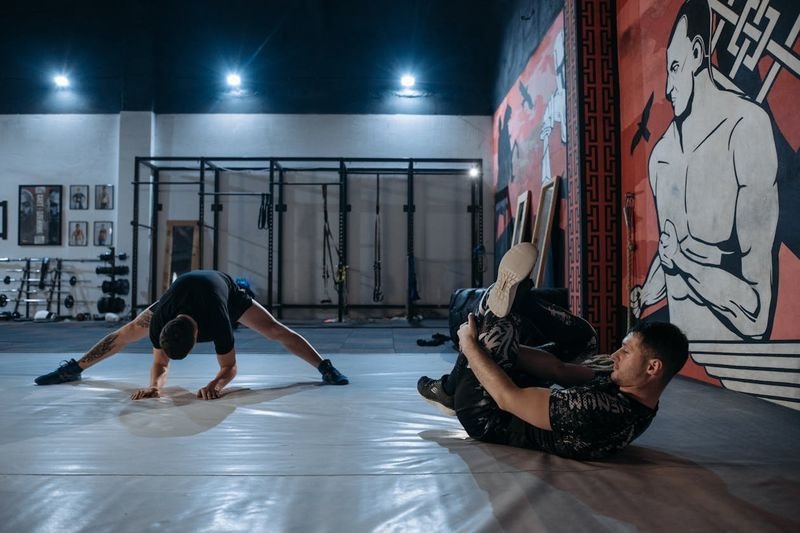
A rib injury doesn’t have to mean zero mat time. Standing grip fighting, takedown entries against a cooperative partner, and leg-lock entries from seated guard all load the ribs minimally compared to top pressure or bottom-of-side-control positions. Footwork, hand-fighting, and even light technical review of passing sequences from a standing or kneeling position keep your timing sharp without putting weight through the injury.
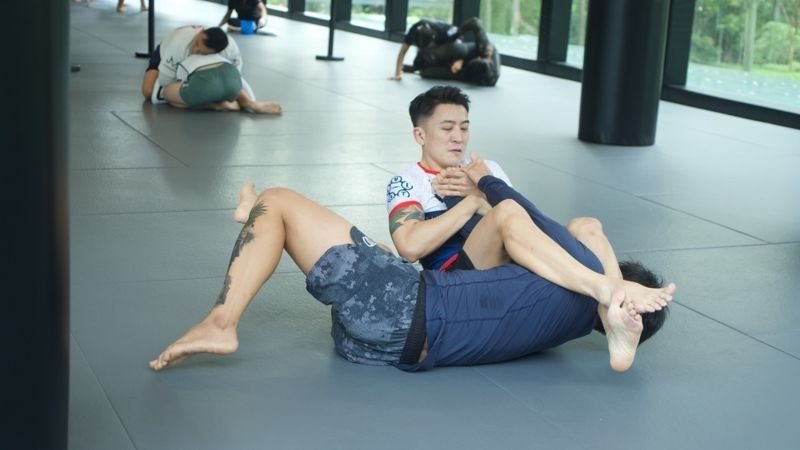
What to avoid entirely until you clear the checklist above: bottom side control, turtle position under pressure, any drilling partner applying real body lock weight, and — this one gets missed constantly — jiu-jitsu-specific cardio circuits that involve burpees or sprawls, since the explosive torso flexion reproduces the same mechanism as the original injury.
Sleep posture matters more than most grapplers expect too. Side-sleeping on the injured rib feels protective but actually compresses the joint for six to eight hours straight — back-sleeping with a pillow under the knees takes pressure off the torso and tends to cut morning stiffness noticeably within the first week. Combine that with cutting caffeine late in the day, since poor sleep is one of the few variables in rib recovery you actually control day to day, unlike the healing timeline itself.
Sources
- MMA Mania — Gordon Ryan announces withdrawal from UFC Fight Pass Invitational after “badly popped rib” — details on the drilling-session injury and season-long withdrawal.
- Better Health Channel — Rib Injuries — recovery timelines and diagnostic differences between strains, separations, and fractures.
- FloGrappling — Felipe Pena record breakdown before ADCC 2024 superfight with Gordon Ryan — context on the body lock pressure exchanges common at elite no-gi competition.