Recovery Gear for Grapplers: What Actually Speeds Up No-Gi Repair
Nobody warns you that the hardest part of no-gi isn’t the training — it’s showing up to do it again 18 hours later. A heavy round of scrambles, guard retention, and leg-lock exchanges taxes the body in a way lifting never does: constant isometric grips, twisting spinal loads, and the low-grade beating your neck and fingers take under a good front headlock. Recovery gear for grapplers exists to shorten the gap between that beating and your next session. But the market is loud, and a lot of what gets sold as “recovery” is expensive theater. This is the honest version — what genuinely moves the needle for a no-gi body, what’s a nice-to-have, and where your money is better left in your pocket.
Why Grappling Recovery Is Its Own Problem
Recovery advice written for runners or lifters doesn’t fully transfer to grappling, because the stress profile is different. Grappling is dense with eccentric and isometric contractions held under an unpredictable, resisting load — you’re not moving a bar through a fixed path, you’re fighting a person who changes the resistance every second. That produces a specific kind of fatigue: connective-tissue soreness in the forearms and grips, deep hip and adductor tightness from guard work, and a stiff, overworked neck and traps from posture battles. Add the small joint trauma of finger grips and toe-tangled scrambles, and you get a recovery demand that’s less about big-muscle soreness and more about joints, tendons, and the nervous system.
That’s the frame to hold when you evaluate any piece of recovery gear: does it address the tissues grappling actually punishes, or is it solving a problem you don’t have? A tool built for a marathoner’s calves may do nothing for the forearms and hips that limit your training volume.
The Foundation: Sleep, Food, and Nothing You Can Buy
It has to be said before any gadget: the two most powerful recovery tools for a grappler cost nothing and can’t be shipped in a box. Sleep is where tendon and nervous-system repair actually happens, and no massage gun compensates for six broken hours. Protein and total calories are the raw material your body rebuilds with. If you’re training no-gi four or more times a week on poor sleep and inconsistent food, buying recovery gear is like buying premium fuel for a car with a hole in the tank.
The reason this matters for a gear guide is simple: everything below is a multiplier on a foundation, not a substitute for one. Fix the sleep and food first, and cheap recovery tools suddenly work better. Skip them, and even the priciest device underdelivers. With that said — here’s what earns a place in a grappler’s bag.
Compression Gear: The Quiet Workhorse
Compression is the most underrated category for grapplers, partly because it overlaps with the rashguards and spats you already wear. Graduated compression sleeves and tights encourage venous return — helping flush the metabolic byproducts that build up in overworked hips, calves, and forearms — and there’s reasonable evidence they reduce next-day soreness perception even when their effect on raw performance is modest.
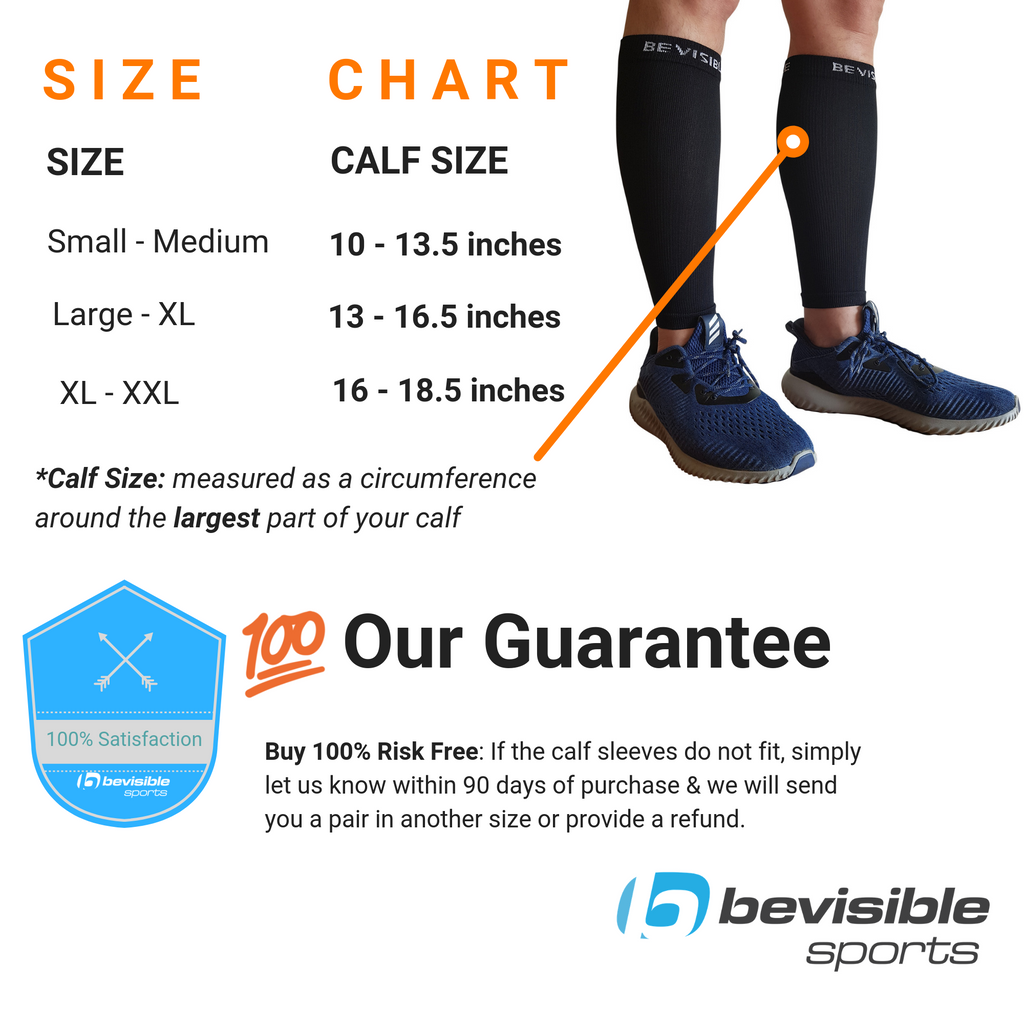
For no-gi specifically, the useful pieces are calf sleeves for grapplers who do heavy leg-entanglement work, forearm sleeves if grip fatigue is your limiter, and full-length compression tights worn after training rather than during. The distinction matters: worn during a session, compression is mostly about warmth and skin protection; worn for a few hours post-session or overnight, it’s doing the circulatory recovery job. You don’t need a lab-grade medical garment. A well-fitting athletic compression sleeve does the bulk of the work.
Where people waste money is buying “recovery” branding at a premium over identical athletic compression. Fit and graduated pressure are what matter — snug but never numbing. If a sleeve leaves deep marks or your hand tingles, it’s too tight and you’ve bought a tourniquet, not recovery gear.
Percussion, Foam, and the Self-Massage Question
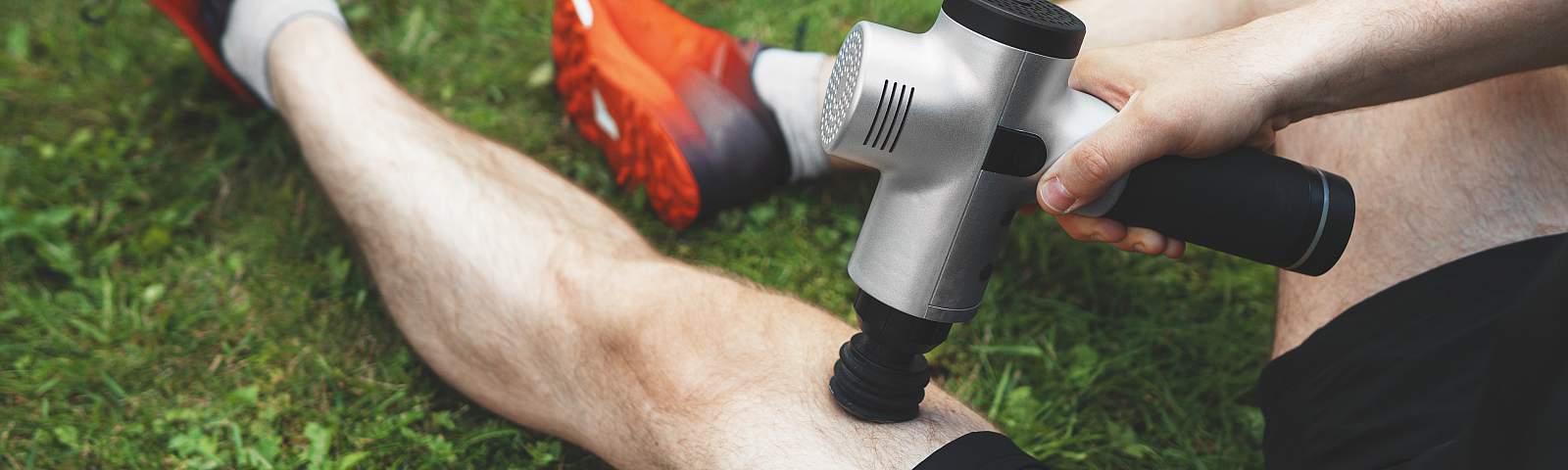
Massage guns became the face of the recovery-gear boom, and they’ve earned a spot — with caveats. A percussion device is genuinely useful for a grappler because it lets you target the exact tissues that limit you: the forearm flexors, the traps and neck (gently), the adductors and glutes that seize up after guard-heavy rounds. Two minutes on a tight adductor before rolling can restore range of motion; the same after training can take the edge off the next-day stiffness.
The caveats: a massage gun doesn’t “break up” anything, and the effect is largely neurological — it reduces perceived tightness and briefly improves mobility rather than repairing tissue. That’s still valuable, but it means the $400 pro model isn’t four times better than a solid $80 one. Battery life, a comfortable grip, and a couple of attachment heads are all most grapplers need. Never hammer a fresh injury, a joint, or the front or sides of your neck.
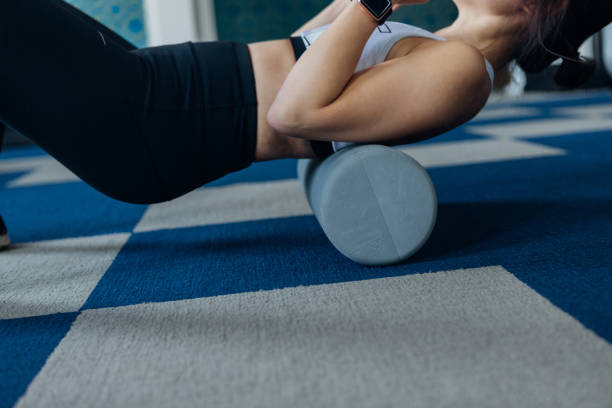
The humble foam roller and a lacrosse ball deserve mention here because they do most of the same job for a fraction of the cost. A ball pinned against a wall reaches the exact forearm and glute knots grappling creates, and a firm roller handles the upper back and quads. If budget is tight, a roller and a ball beat a mid-tier massage gun for grappling-specific tightness. The gun wins on convenience and reach, not on results.
Cold, Heat, and Knowing Which to Reach For
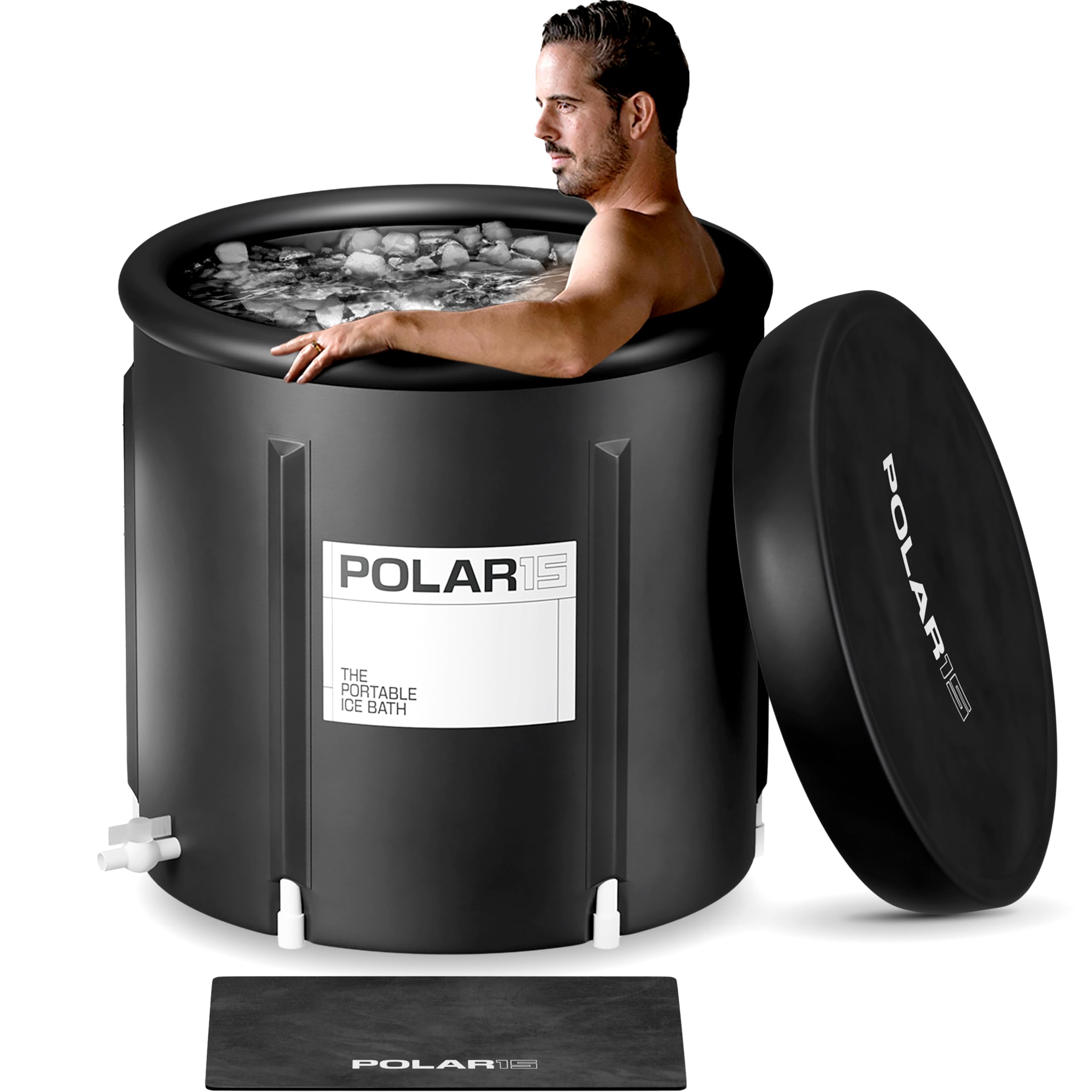
Temperature therapy is where grapplers most often get the timing wrong. Cold — an ice bath, a cold shower, or a targeted ice pack — blunts inflammation and calms an angry, acutely tweaked joint. That’s exactly what you want after a session where you got your neck cranked or a knee torqued. But routine post-training ice baths after normal hard rounds can actually mute the adaptation you’re training for, because some inflammation is the signal your body uses to get stronger. Save aggressive cold for genuine acute flare-ups and comp recovery, not every session.
Heat is the more useful daily tool for most grapplers. A heating pad on a chronically stiff neck or lower back, a warm shower before mobility work, or a sauna session increases blood flow and loosens the connective tissue no-gi keeps tight. The simple rule: cold for something that’s acutely injured and inflamed, heat for something that’s chronically stiff and cranky. Get that backward — icing a stiff neck that just needs blood flow, or heating a freshly sprained joint — and you slow yourself down. Neither an ice bath nor a sauna is mandatory gear; a bag of ice and a hot shower cover the essentials.
Skin, Joints, and the Unglamorous Gear
Recovery for a no-gi grappler isn’t only muscular. The mat is a shared surface, and skin recovery is real recovery — a ringworm or staph outbreak costs you more mat time than any muscle soreness. An antimicrobial body wash used immediately after training, clean dry rashguards, and not sitting around in sweaty gear are the least glamorous and most reliably valuable habits in this entire guide.
Joint support is the other quiet category. Finger tape isn’t just for injuries — buddy-taping or supporting a grip-worn knuckle preventively keeps small tweaks from becoming layoffs. A neoprene knee sleeve adds warmth and proprioceptive support for grapplers with cranky knees from leg entanglements. These aren’t recovery gear in the spa sense, but they keep you training, which is the entire point. The most effective recovery tool is the one that prevents the injury that would have cost you three weeks.
How to Spend Smart
If you’re building a grappler’s recovery kit from nothing, spend in order of leverage. Fix sleep and food first — free. Add a foam roller and a lacrosse ball for targeted self-massage — cheap and high-value. Layer in compression sleeves for whatever tissue limits your volume, and an antimicrobial wash plus finger tape for the unglamorous stuff that keeps you on the mat. Only then consider a massage gun for convenience, and cold/heat therapy for acute flare-ups and comp prep. Almost nobody needs to start at the $500-gadget end of that list.
The through-line: recovery gear for grapplers works best when it’s matched to what no-gi actually does to your body — grips, hips, neck, joints, and skin — and when it sits on top of the boring fundamentals rather than pretending to replace them. Buy the tools that keep you training this week and healthy next month, skip the ones sold on branding, and you’ll spend a fraction of what the marketing suggests while recovering better than the person who bought all of it.
Ready to build out a smarter kit? Compare compression recovery sleeves, a massage gun, and a foam roller, and pair them with fresh no-gi rashguards so you’re never rolling in yesterday’s sweat.
Sources
- National Center for Biotechnology Information (NCBI) — research on compression garments, cold-water immersion, and recovery
- Sleep Foundation — sleep and athletic recovery
- Centers for Disease Control and Prevention — skin infections in contact sports and mat hygiene