Body Lock Pass: 7 Keys to Dominant No-Gi Passing
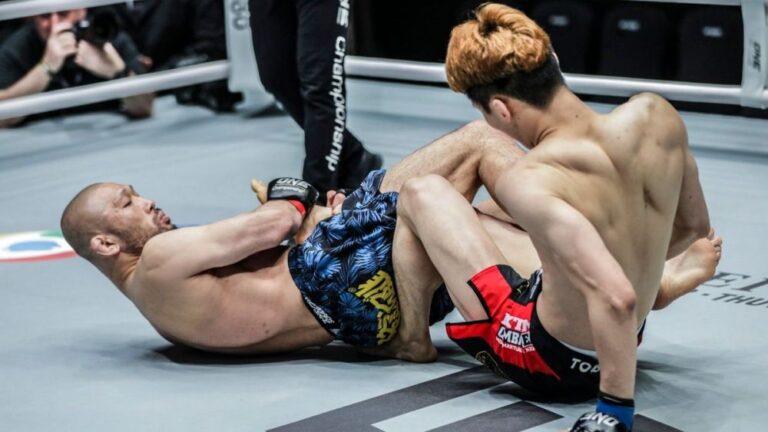
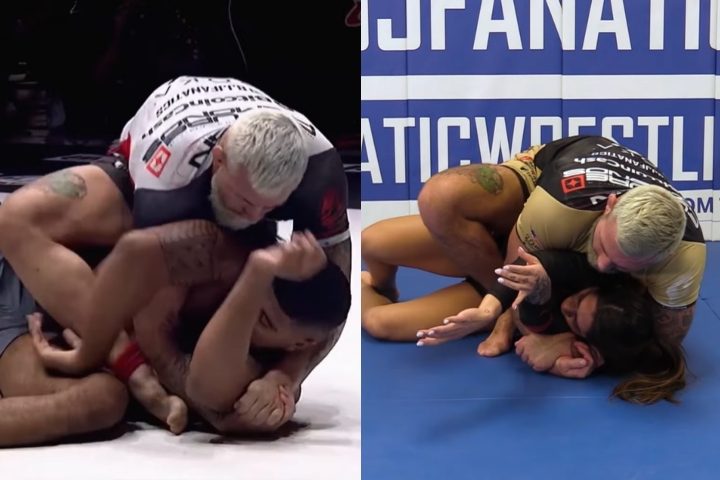
Gordon Ryan has passed the guard of nearly every elite no-gi grappler on the planet, and a huge share of those passes started the same way: two arms cinched around the hips, hands locked, chest crashing forward. That is the body lock pass, and it has quietly become the default answer to open guard in modern no-gi. The reason is simple — there is no collar to grab and no sleeve to pin, so the passing game shifted toward controlling the one thing an opponent can never take off: their own body.
What Is the Body Lock Pass?
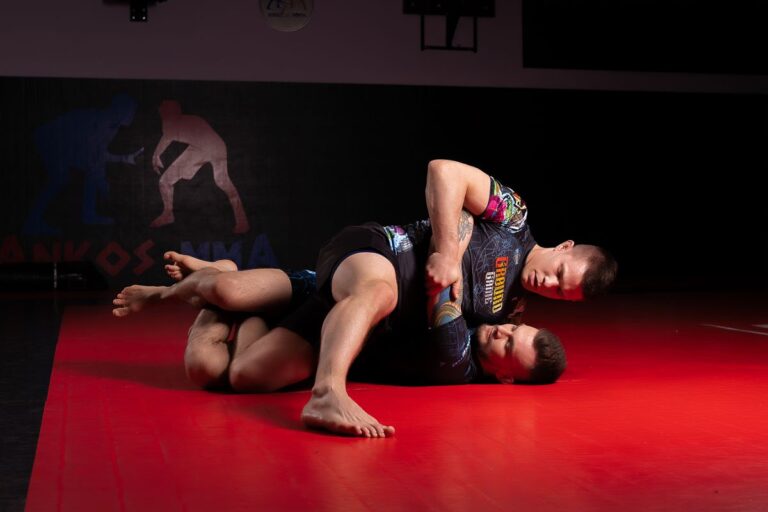
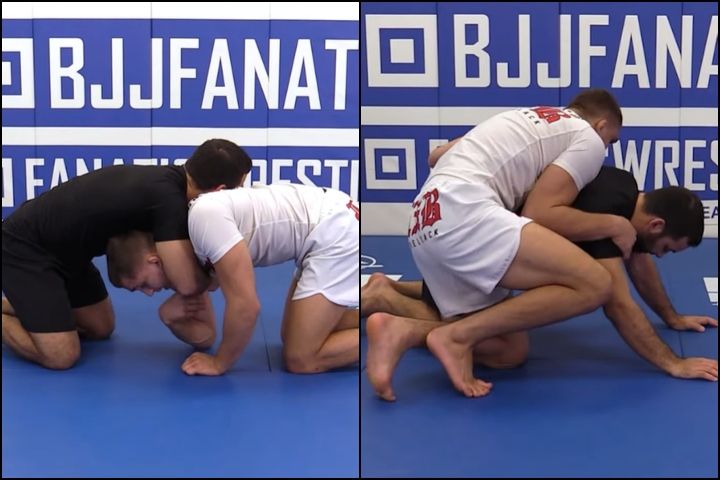
The body lock pass is a pressure-based guard pass built around clamping your arms around your opponent’s hips or lower torso and locking your hands together, then using chest-to-chest connection to pin them flat while you circle to side control. Instead of fighting for grips on fabric, you make your opponent’s own hips the handle. Once the lock is tight, their legs lose most of their power because the hips can’t turn to reload the guard.
It is a principle more than a single move. The same lock works against closed guard, half guard, butterfly, and seated open guards. What changes is the entry and the finishing angle, not the core idea: connect, flatten, walk around. That flexibility is what makes it worth drilling early rather than treating it as an advanced trick.
Why the Body Lock Dominates No-Gi
Grips decide guard passing, and no-gi strips away the strongest ones. In the gi, a passer can pin a sleeve and a collar and shut down half of the guard before moving. Take those away and the classic grip-fighting passes lose their teeth. The body lock fills that gap because a locked pair of hands around the hips is a grip nobody can strip — you are gripping yourself.
There is also the pace of no-gi to consider. Sweat makes everything slippery and scrambles happen fast, so passes that rely on delicate hand positions tend to fail under a hard roll. The body lock is the opposite: it is heavy, sticky, and it only gets tighter as the opponent struggles. Ryan has said he treats the body lock as three finishing options — stuffing the legs, shelving them on his hip, or splitting them — chosen on the fly based on how the bottom player reacts. That decision tree is why the same starting position produces so many finishes.
How to Set Up the Body Lock: Step by Step
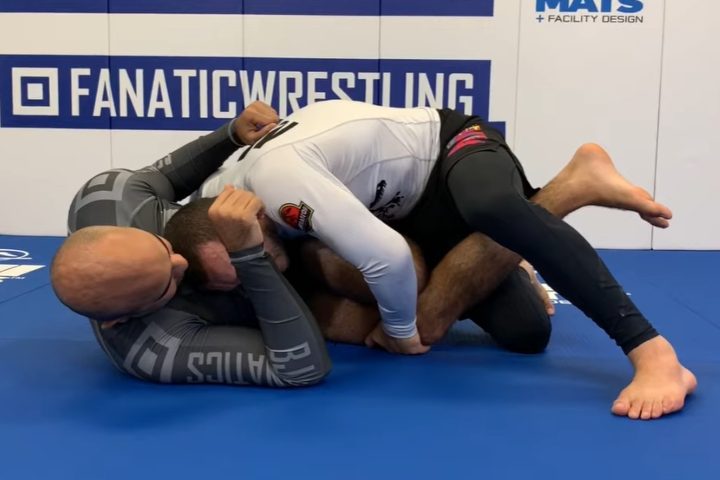
The lock lives or dies on the entry. Rush it and you get swept; enter with control and the rest is pressure. Here is the sequence most no-gi passers use to build it from open guard.
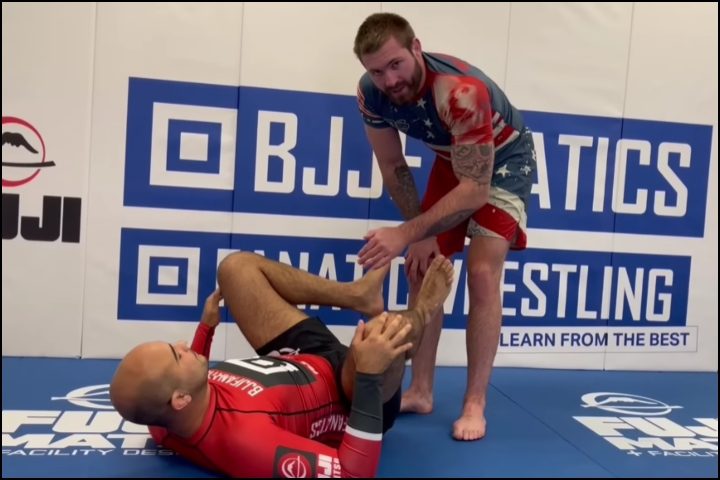
- Beat the feet first. You cannot lock the hips while their feet are framing on your hips. Pin an ankle, staple a knee to the mat, or pass the feet to one side to clear the frames.
- Level change, don’t reach. Drop your hips and dive your shoulder into their stomach rather than bending at the waist. Reaching with straight arms hands them an underhook and a sweep.
- Thread and lock low. Wrap both arms around the belt line — the lower the better. A lock over the ribs lets them turn; a lock on the hips shuts the turn down. Use a gable grip or grab the wrist, never interlace fingers.
- Chest to chest, head down. Flatten your chest onto theirs and drive your head past their shoulder toward the mat. This is the commitment moment. Stay tall here and they will frame and recover.
- Kill the near knee. Use your own knee or a shoulder to pin their bottom knee so they can’t insert a shield or shrimp back to guard.
- Walk your feet toward their head. Small steps, staying low, circle your body around theirs like the hand of a clock until your chest is perpendicular to them.
- Sag and slide to side control. Once you clear the hip line, release the lock and post to establish side control or mount before they can turn in.
Passing Half Guard With the Body Lock
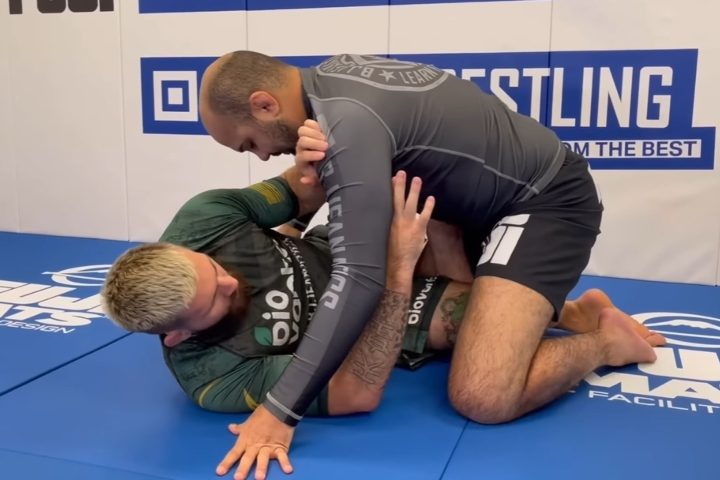
Half guard is where the body lock shines the brightest, because you are already chest-to-chest and only one leg is trapped. The trap is getting greedy and yanking the leg out — that invites an underhook and a wrestle-up. Instead, lock the body first, flatten the bottom player so they can’t get to their side, and only then work the trapped knee free with a small hip switch. The order matters: control, flatten, extract. Reverse it and you end up in a scramble. If you want to build the position that feeds this pass, our breakdown of no-gi half guard covers both sides of the exchange.
The Three Ways to Finish
Once the lock is set, the bottom player’s reaction tells you which finish is open. Reading that reaction is the whole skill.
Stuff: When they try to re-guard by lifting their knees between you, drive your locked arms down and pin both legs flat to the mat, then step over. Shelf: When they turn to a side and load their legs onto your hip, ride the hip, keep the lock, and swing your legs back to clear them. Split: When they keep their knees tight and defensive, wedge a knee between their thighs to break the legs apart and slide through the gap. All three start from the identical lock — you are just choosing the exit based on what they give you.
Common Mistakes That Kill the Body Lock Pass
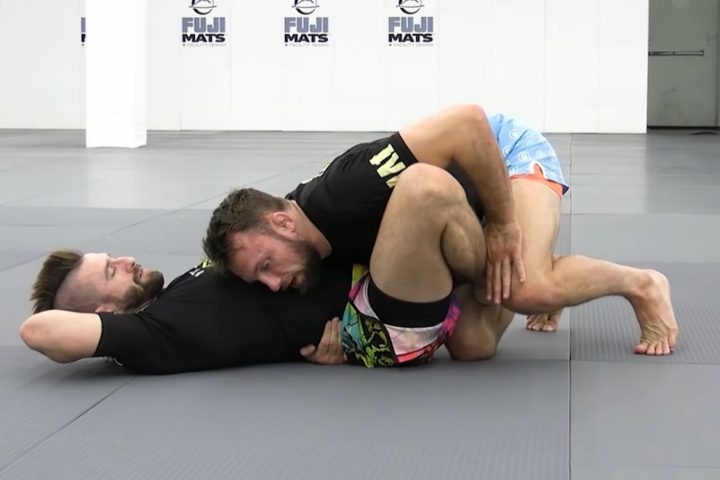
The single most common error is locking too high. A body lock over the ribs feels secure but leaves the hips free, and free hips mean an active guard. Drop the lock to the belt line every time.
The second mistake is staying tall through the entry. Passers who keep their head up and their chest off the opponent give away the underhook, and from there a strong bottom player will elevate and sweep. Commit to the chest connection or don’t enter at all. A third quiet killer is forgetting the knee — even a perfect body lock fails if the bottom player can insert a knee shield and pry space. Pin the near knee as part of the lock, not as an afterthought.
Drills to Build the Timing
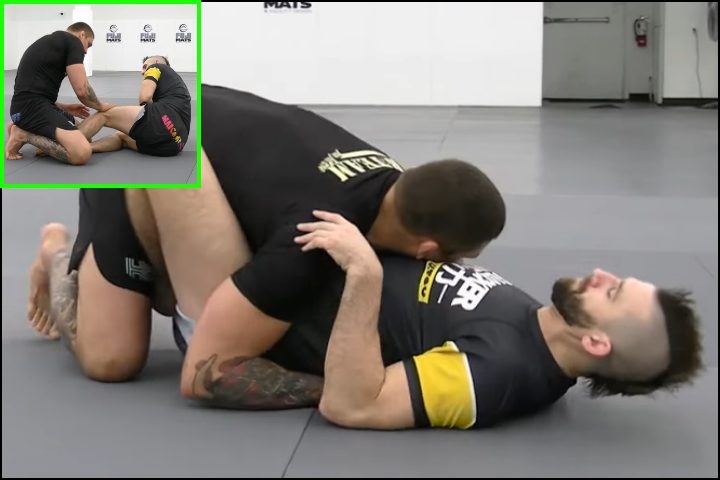
The body lock is a timing skill disguised as a strength move. Two drills build it fast. First, positional starts from the locked position: your partner begins in a defensive frame and your only job is to clear the hip line to side control while they resist at 50 percent, then 70, then full. Second, the entry drill — start standing in front of open guard and rep the level change and lock a dozen times per side without finishing, so the shoulder-into-stomach entry becomes automatic. Grapplers who drill the entry separately pass far more often than those who only train the finish, because the entry is where most passes die.
Pair this with a passing system that attacks from a different angle, like the knee cut pass or the leg drag, and you force the guard player to defend two very different threats. A passer with only one pass is easy to plan for.
Body Lock vs Other No-Gi Passes
| Pass | Best Against | Main Risk |
|---|---|---|
| Body Lock | Half guard, seated & flat open guard | Back exposure if you over-commit high |
| Knee Cut | Half guard, quarter guard | Underhook and back take |
| Leg Drag | Open guard, seated guard | Inversion and leg entanglement |
| Toreando | Supine open guard | Guard recovery on the re-frame |
None of these replaces the others. The body lock is your pressure answer, the knee cut is your speed answer, and the leg drag is your angle answer. Elite passers chain all three, and the body lock is usually the one they fall back on when a scramble gets messy and they just need to smother.
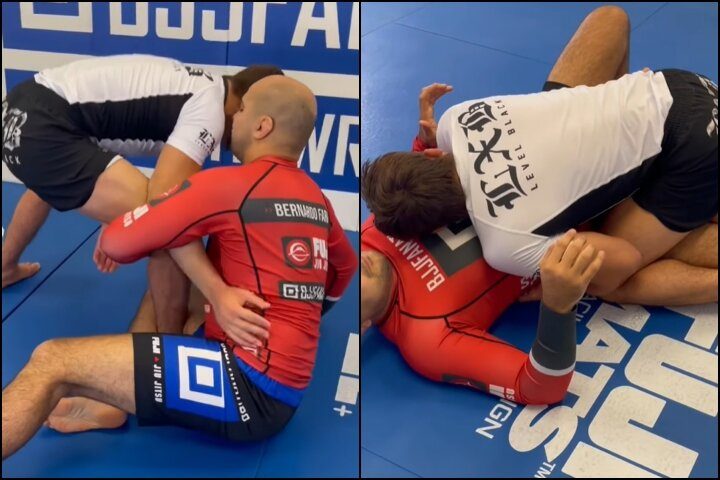
See It in Action
Watching the level change and the lock timing does more than any written cue. Gordon Ryan breaks down his exact entry and finishing details in this walkthrough.
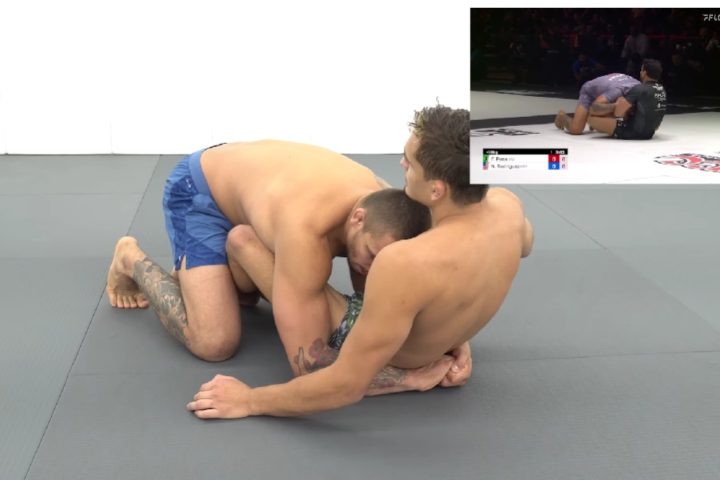
Frequently Asked Questions
Is the body lock pass legal in competition? Yes. The body lock itself is legal across IBJJF, ADCC, and every major no-gi ruleset. Some gi rulesets cap how long you can hold a body lock while standing, but for no-gi ground passing it is fully legal.
Do I need to be bigger or stronger to use it? No. Position beats power here. A tight low lock and good chest connection let a smaller passer flatten a larger opponent, because you are borrowing their own hips against them rather than muscling the legs.
Can I body lock pass from standing? You can enter from standing by level-changing into a seated opponent, but the finish still happens on the ground once you flatten them. Standing is the doorway, not the room.
What position do I end up in? A clean body lock pass delivers you straight to side control or mount, and often to back control when the opponent turns away to defend.
Sources
- BJJ Fanatics — The 5 Stages of the Body Lock Pass — breakdown of the body lock in four passing stages.
- BJJEE — Gordon Ryan Shows How to Do the Perfect Body Lock Pass — Ryan’s stuff, shelf, and split finishing options.
- Grappling Insider — Gordon Ryan on the Finer Points of His Body Lock Pass — details on entry timing and pressure.
Add the body lock to your game and open guard stops being a wall and starts being a doorway. Drill the entry until the level change is reflexive, keep the lock low, and let your chest do the work your arms want to do. Then pair it with a second pass so no guard player ever gets to plan for just one threat — that combination is what turns a passer into a problem.