Imanari Roll No-Gi: 5 Keys to Land the Leg Lock Entry
At UFC 232 in December 2018, Ryan Hall ended BJ Penn’s legendary MMA career in 2 minutes and 46 seconds — not with a wrestler’s shot or a judo throw, but with an Imanari Roll. Penn barely had time to register the level change before he was on the mat with his heel already locked. It was the first submission loss of Penn’s career in more than 20 years of competing.
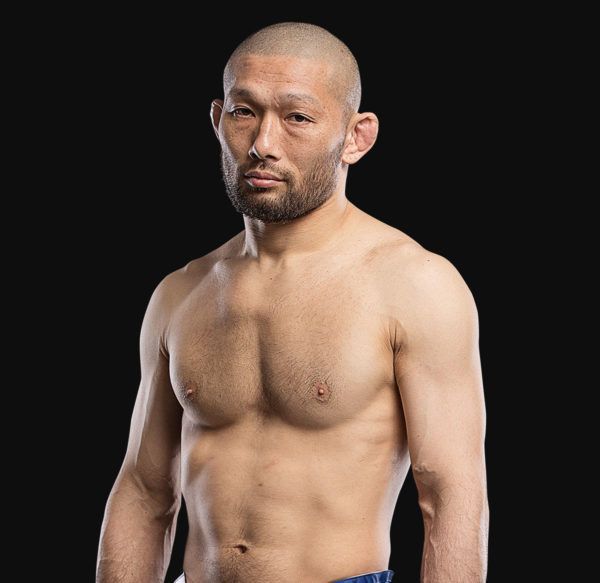
The technique itself predates Hall by two decades. Japanese BJJ black belt Masakazu Imanari — nicknamed “Ashikan-Judan,” meaning Master of Leg Locks — had been using a forward roll from standing to enter heel hooks and ankle locks in MMA since the early 2000s. His leg lock submission record in MMA is one of the most impressive in the sport’s history. The roll became his signature, and eventually his name.
In no-gi grappling, the Imanari Roll solves a specific tactical problem: how do you attack someone’s legs from standing without broadcasting your intention? A traditional level change gives a trained wrestler time to sprawl. The Imanari Roll works because it reads like nothing until your body is already past their hips.
What Is the Imanari Roll?
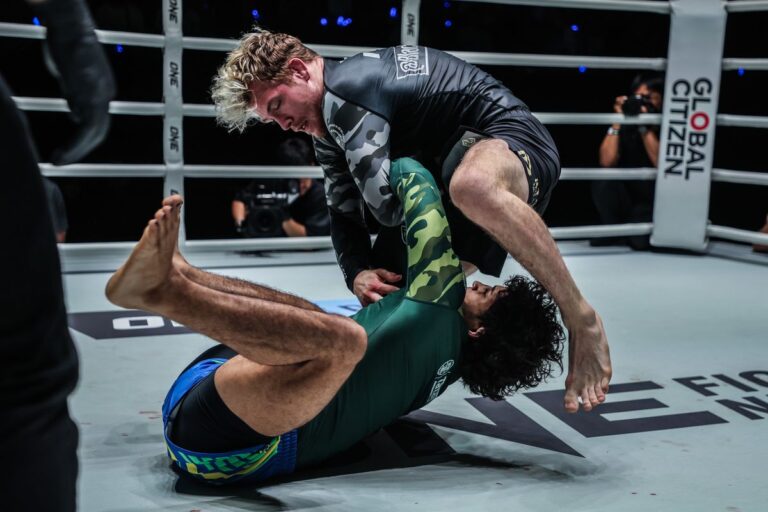
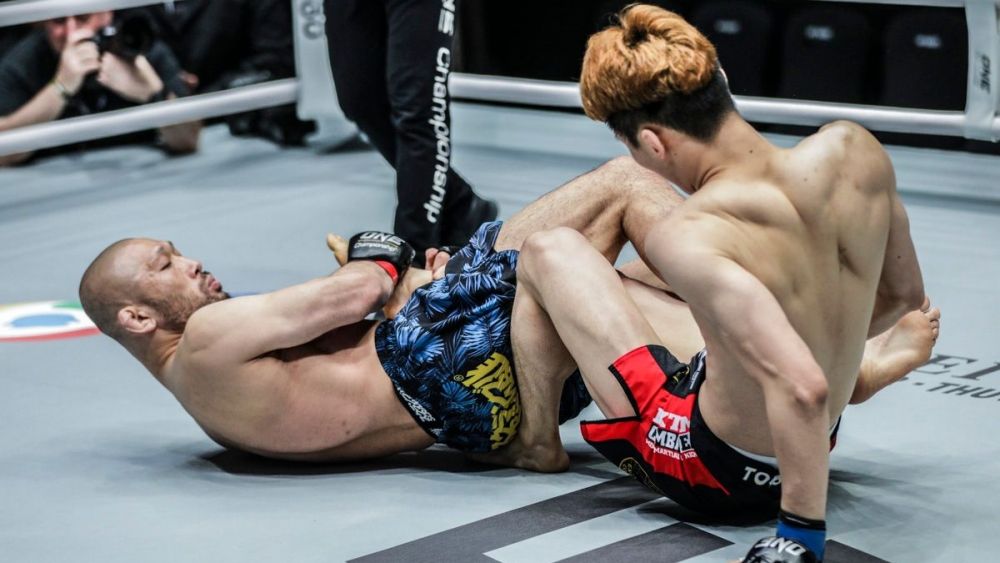
The Imanari Roll is a rolling leg lock entry from a standing or open guard position. The technique combines a forward roll with a curved lateral path that takes your body under your opponent’s center of gravity and into a leg entanglement.
It is not a takedown, and understanding that distinction changes how you execute it. The goal is not to put your opponent on the ground — it’s to arrive in leg lock territory while they’re still standing. When hit cleanly, you end up in ashi garami, inside senkaku (the honeyhole position), or 50/50 before your opponent has time to sprawl or base.
The closest movement analog is the Granby roll from wrestling — a shoulder roll used to escape bottom position — but with a forward trajectory and a leg capture at the end. What makes the Imanari Roll work is the orbital entry path. Your body doesn’t go straight into your opponent. It curves around one of their legs, arriving perpendicular to them rather than in line. That curve is the detail that separates entries that land in leg lock territory from entries that get sprawled on.
Imanari Roll No-Gi: The 5 Keys That Make It Work
Most failed Imanari Roll attempts share the same problems: the entry goes straight instead of curving, the roll happens too early, or the leg capture is missed. These five technical points address each failure mode.
Key 1 — Lead Leg Step to the Outside
Step your lead foot to the outside of your opponent’s near foot, not directly in front of them. Planting inside their stance locks you into a straight path. The outside step is what allows the orbital curve. Think of it as positioning your body to arc around their leg, not through it.
Key 2 — Explosive Knee Drop Creates Rotational Force
As your lead foot plants, drop your trailing knee hard to the mat. This is not a controlled step — the force of the knee drop is what generates the rotation that carries you under your opponent’s hips. A soft knee drop produces a slow roll with no momentum. You need force here to make the entry fast enough to work on trained opponents.
Key 3 — Same-Side Shoulder Roll (Never Cross-Body)
Roll over the shoulder on the same side as your lead leg. If you lead with your right foot, you roll over your right shoulder. Going cross-body — leading right, rolling left — kills the orbital path and dumps you flat in front of your opponent instead of under their leg. This mistake is responsible for most failed attempts at the intermediate level.
Key 4 — Curve, Don’t Straighten
Your body path during the roll must describe a curve. You’re not rolling toward your opponent in a straight line — you’re curving around their near leg. The mental cue that works for most people is thinking of your roll as entering an orbit around their leg rather than shooting through them. When you finish, your body should be perpendicular to theirs, not parallel.
Key 5 — Hip Raise to Catch the Leg
As you complete the roll, lift your hips sharply to trap your opponent’s leg between your hip and thigh. This hip raise is the leg capture. Without it, the leg slides free and they can sprawl on top of you. The timing is critical: raise too early and you miss the leg; raise too late and they’ve already based out.
Three Finishing Positions Off the Imanari Roll
Where you land off the Imanari Roll determines which submission is available. The three primary landing positions each offer different attack options.
Inside Senkaku (Honeyhole)
If your roll brings you under their near hip with their heel pointed toward your shoulder, you’re in inside senkaku — the honeyhole position. Your legs wrap around their near leg, their heel is at your hip, and an inverted heel hook is available. This is the position Masakazu Imanari targets on most of his entries, and it’s considered one of the most mechanically dangerous leg lock positions in grappling because of the torque it creates on the knee.
Ashi Garami
Landing slightly outside their near leg puts you in straight ashi garami — a single leg entanglement with one leg in and one out. From here, a straight ankle lock is immediately available and an outside heel hook is accessible with a reposition. Ashi garami is the lower-risk landing position: if your opponent defends and postures, the finish is harder to find, but you’re also less exposed than in inside senkaku. Many intermediate practitioners default to ashi garami as their primary entry destination until their heel hook finishing is sharp enough to go straight to inside senkaku. See the ashi garami no-gi guide for control and finish details from each variation.
50/50 Guard
Ryan Hall’s primary Imanari Roll destination is 50/50 — a mutual leg entanglement where both grapplers have equal position. The strategic logic is sound: in 50/50, an opponent who reacts explosively doesn’t escape cleanly, because their leg is already caught. Hall goes to 50/50 instead of inside senkaku deliberately, trading the immediate heel hook entry for a more controlled position from which he applies the inside heel hook with less risk of a scramble. For working from 50/50 once you’re there, see the 50/50 guard no-gi guide.
The Viral Moment — Marvin Castelle at Fight To Win Pro 24
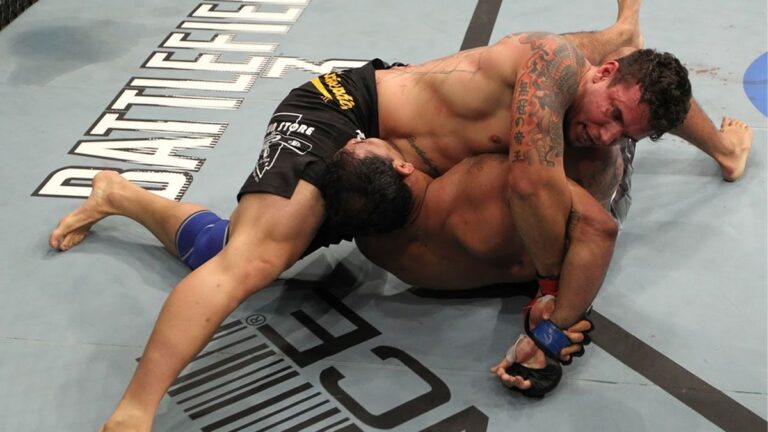
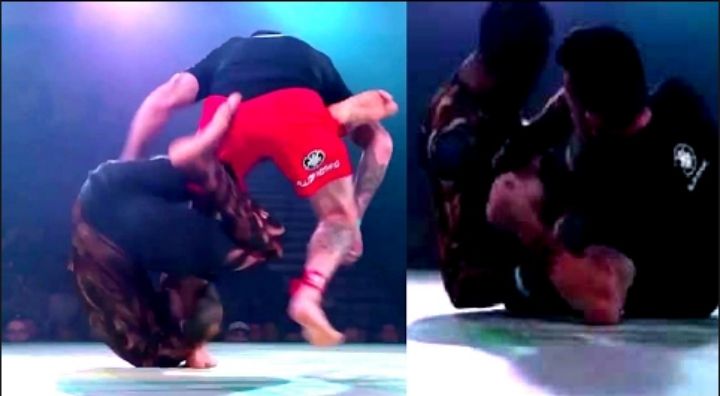
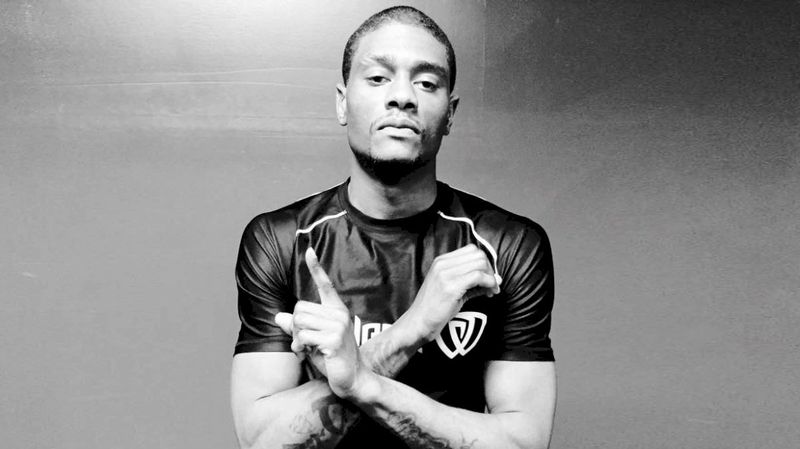
In February 2017, Marvin Castelle — a 10th Planet brown belt under Eddie Bravo — hit what became the most-watched Imanari Roll in grappling history. At Fight To Win Pro 24 in Los Angeles, Castelle executed a textbook orbital entry on Darby Faulkner that went straight into inside senkaku and a heel hook finish. The clip went to over 11 million views on Facebook.
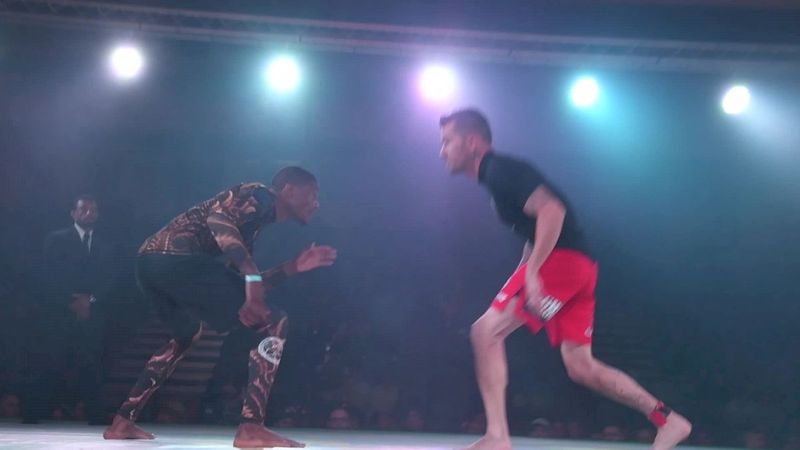
Watch the slow-motion replay and you’ll see exactly what separates this entry from a failed attempt. Castelle’s knee drop is explosive. His shoulder roll is tight with no wasted movement. His body curves hard to the left before the leg capture, not straight into Faulkner. The entire entry takes under two seconds from initiation to inside senkaku. Castelle later said the clip changed his career — he had to develop a full instructional just to meet the demand from grapplers who wanted to learn the technique.
Ryan Hall vs. BJ Penn — UFC 232
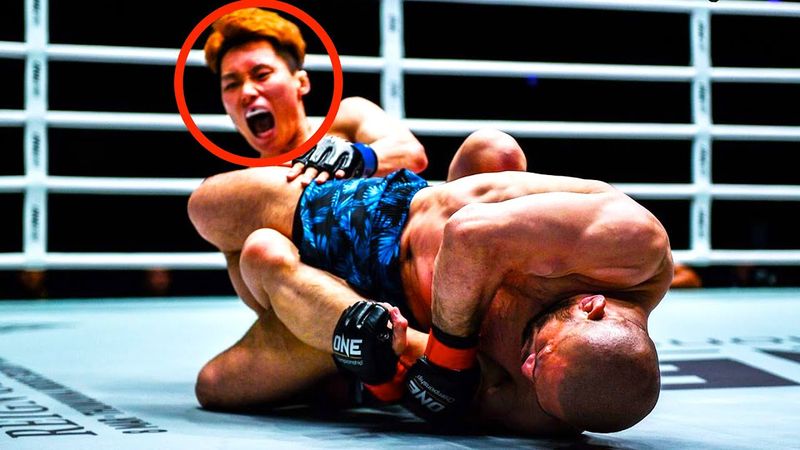
Hall had used the Imanari Roll twice during The Ultimate Fighter Season 22 before anyone outside the BJJ community knew what it was. At UFC 232, he used it on a legend. Penn entered the Octagon for the first time in five years; Hall entered with a 7-0 UFC record and a reputation for leg locks that most referees and commentators still didn’t fully understand.
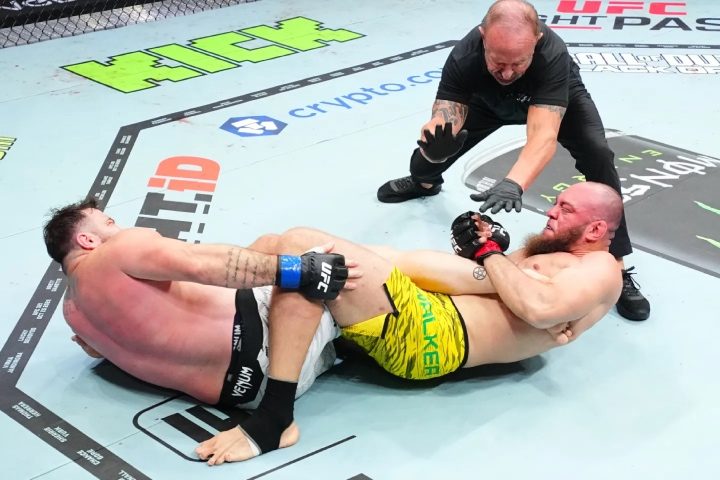
After an initial exchange where the referee stood both fighters up, Hall went straight to work. He initiated the Imanari Roll, curved under Penn’s near leg, and landed in 50/50. From there, he applied an inside heel hook — Penn tapped at 2:46. It was the first submission loss of Penn’s career across more than 30 professional fights. Hall’s variation matters here: he doesn’t chase inside senkaku and an immediate inverted heel hook. He goes to 50/50 first, controls the position, and then applies the heel hook from a more stable base. That methodical approach is what makes the technique reliable against elite competition rather than just flashy in lower-level events.
IBJJF Rules — Where the Imanari Roll Is and Isn’t Legal
The IBJJF has banned the Imanari Roll under their ruleset. The stated rationale involves the uncontrolled nature of the rolling entry and the injury risk it creates for both competitors, particularly in situations where the opponent doesn’t know the attack is coming. This effectively removes the technique from most gi tournaments and a significant portion of no-gi events that align with IBJJF rules.
Where it remains legal: ADCC submission wrestling, EBI (Eddie Bravo Invitational), Fight To Win Pro, most submission-only events, and the ONE Championship grappling format where Imanari himself still competes. Imanari faced Marcelo Garcia at ONE 170 in January 2025 at age 49, still hunting leg locks. For competitors, the practical move is to confirm the ruleset before drilling the Imanari Roll as a primary weapon. A disqualification in an IBJJF event costs you the match even if the technique itself is clean.
How to Drill It Safely
The Imanari Roll is a high-velocity movement that needs to be learned slowly before going live. A full-speed roll into an unprepared training partner’s legs creates injury risk for both people.
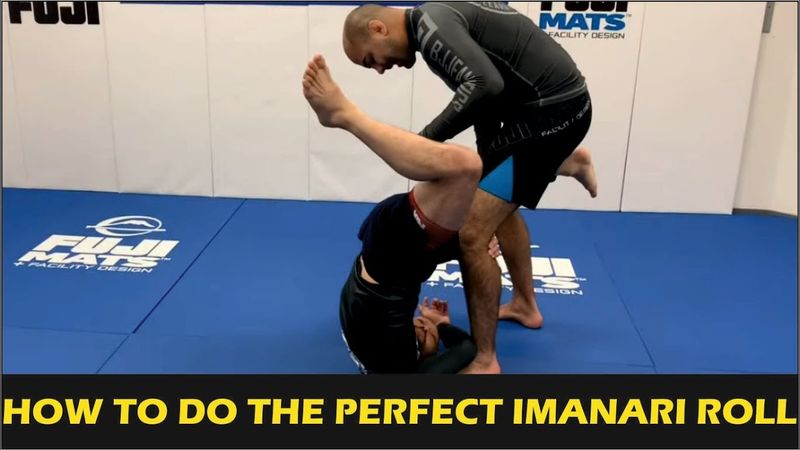
Start with Granby rolls in isolation until the shoulder roll is second nature — you shouldn’t have to think about which shoulder to roll over. Then add the forward trajectory, practicing the orbital curve without a partner. The metric for readiness is whether you land perpendicular to your imaginary opponent or in line with them. Perpendicular means the curve is working; parallel means you’re still rolling straight.
With a partner, walk through the entry at 30% speed with zero resistance until the leg capture is automatic. Then have your partner offer light resistance — not defending, just present — so you adjust to the feel of an actual body in the way. Live reps with someone who knows the position come last. For the heel hook finish once you’re in position, the heel hook no-gi guide covers the mechanics of the finish, tap signals to watch for, and how to apply it without injuring training partners.
The roll rewards repetition over intensity. Masakazu Imanari built his entire grappling system around this one entry and drilled it thousands of times before bringing it to competition. Your Imanari Roll will feel awkward for the first 200 or so attempts. That’s the process.
Sources
- Evolve Daily — How To Perfect The Imanari Roll In BJJ — Technique breakdown with step-by-step execution
- FloGrappling — One Year Later: How The Imanari Roll Changed Marvin Castelle’s Life — Castelle’s viral moment and career impact
- BJJ World — Imanari Roll Breakdown: The Most Attractive Leg Lock Entry — Analysis of the three primary finishing positions
- Attack The Back — Imanari Roll: A History and Techniques — History and Ryan Hall’s UFC application
- ONE Championship — Masakazu Imanari athlete profile — Imanari’s competition record and grappling resume