Over-Under Pass No-Gi: 7 Steps to Shut Down Any Guard
Bernardo Faria won five IBJJF World Championships with a game that opponents knew was coming from across the mat and still couldn’t stop. His weapon wasn’t a secret move. It was the over-under pass — heavy, methodical pressure that gave the bottom player no room to recover, re-guard, or breathe. If there’s one passing system worth owning in no-gi grappling, it’s this one.
What Makes the Over-Under Pass Different in No-Gi
Most guard passes rely on speed, timing, or undercutting the guard before your opponent can settle. The over-under is the opposite approach: you establish control, kill their frames, and grind through with body weight. That’s why it translates so cleanly to no-gi. You don’t need sleeve grips or collar control. The grip is body-to-body at the hip — harder to strip than any fabric-based grip.
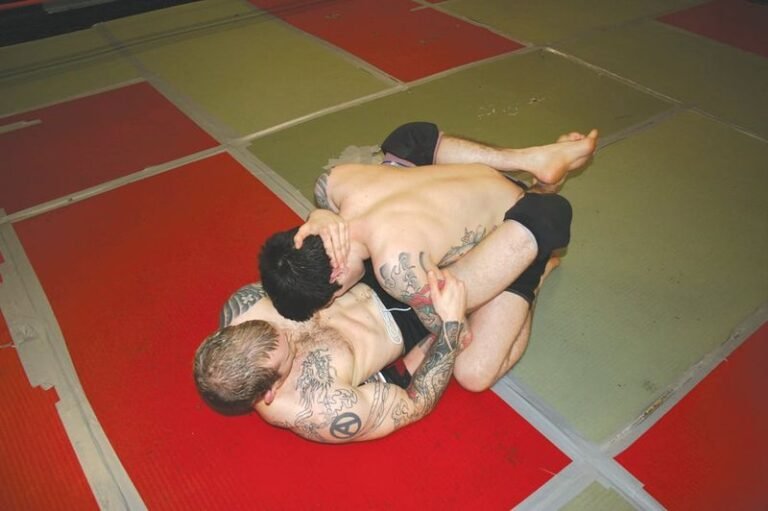
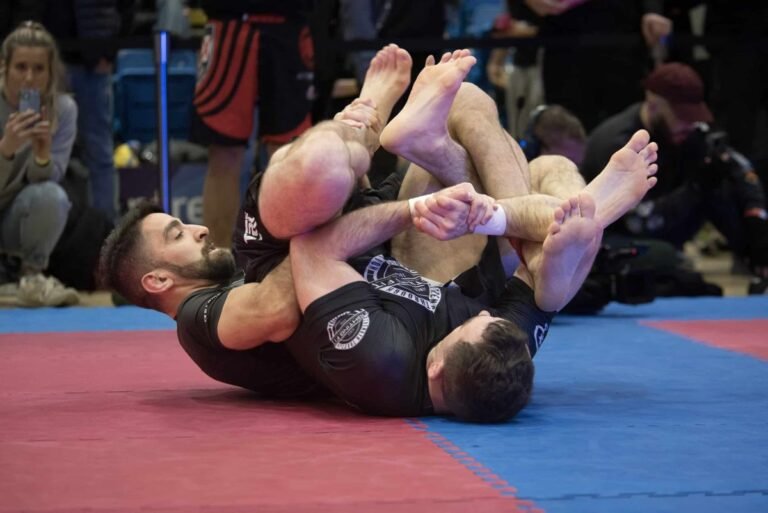
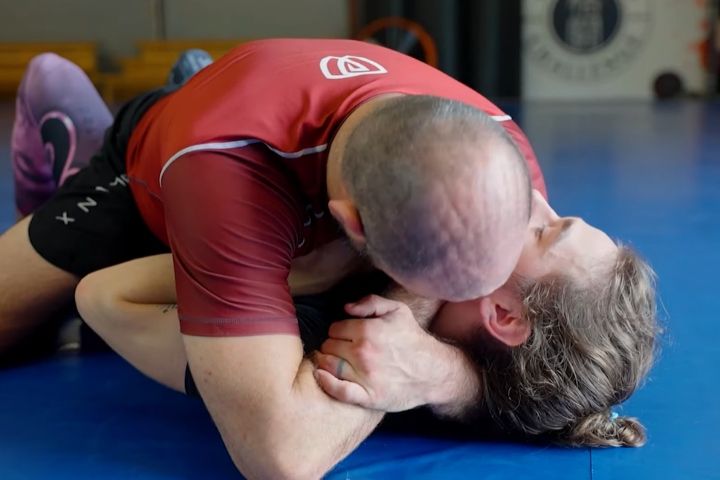
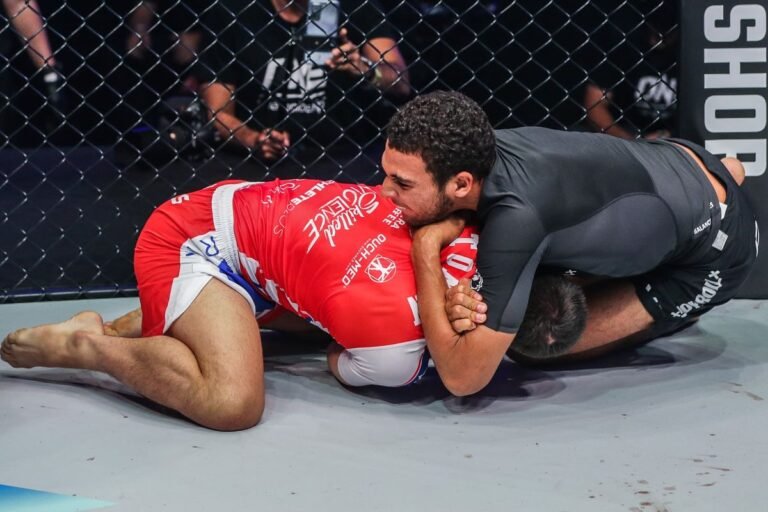
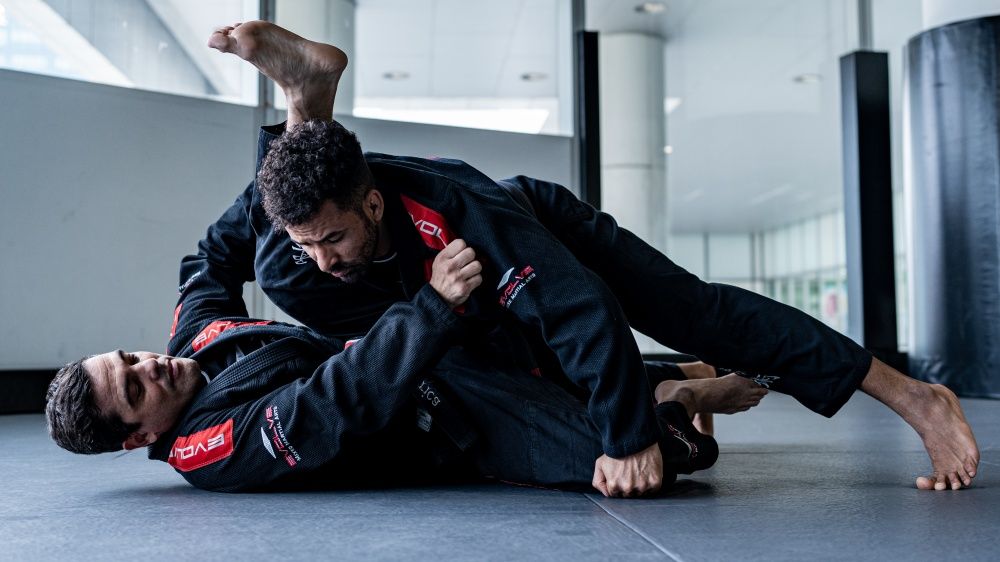
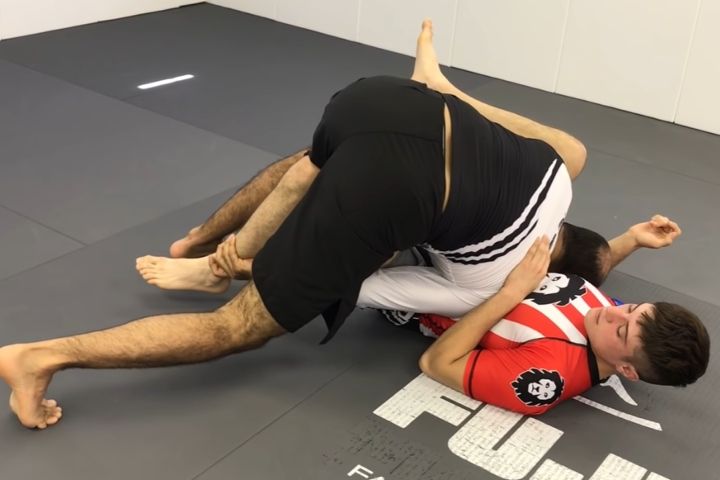
The fundamental principle is splitting your opponent’s legs. Your underhook arm goes inside their near leg at the hip crease. Your over arm wraps the outside of their far thigh. Hands lock at their lower back or hip. From there, your head goes into their chest or ribs and your full weight drives through. Their guard is neutralized not because you broke it, but because you made it irrelevant.
In no-gi, one important adjustment: you cannot grab the ankle or knee of the over leg — you need to wrap the thigh itself and lock your hands. Without the sleeve to anchor on, slipping is the primary risk. Committing your weight early is non-negotiable. A tentative over-under is an easy sweep.
How to Execute the Over-Under Pass: 7 Steps
The pass has a clear mechanical sequence. Shortcuts skip steps and get punished.
Step 1: Break their guard
From standing or kneeling, get inside position before you establish the over-under grip. Use a knee wedge, hip pressure, or a torreando fake to open the guard. Trying to set the over-under while they have closed guard locked around your waist just gives them a back take.
Step 2: Set the underhook
Once the guard is open, drive your inside arm under their near leg — not at the knee, but deep at the hip crease. This is the anchor point. Your arm should come through so your bicep presses against their inner thigh. If you’re too shallow, they’ll frame their shin against your arm and recover easily.
Step 3: Establish the overhook
Your other arm goes over their far thigh. Don’t grab the knee — wrap the mid-thigh with your forearm and bicep. Your hand locks with the underhook hand at their lower back or hip. This hand position is your control. If they can break it, they can shrimp out or recover guard.
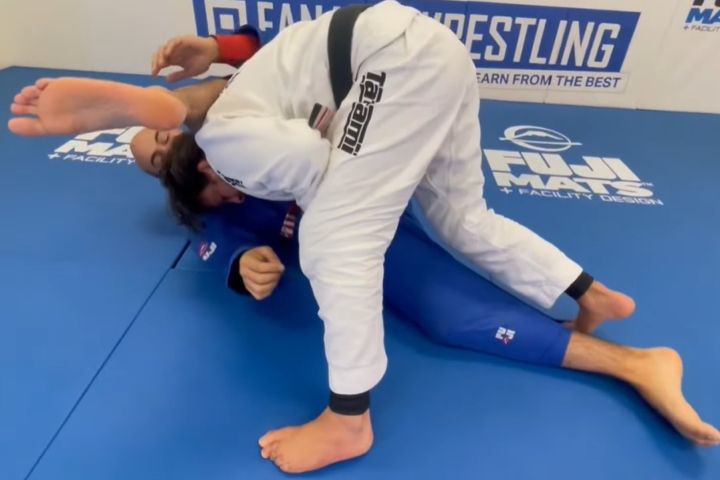
Step 4: Drive your shoulder into their chest
This is where the pass actually happens. Drop your shoulder — the one on the underhook side — directly into their chest or ribs. Don’t lean from the hips. Drive with your legs and transfer body weight through your shoulder. Their ability to frame against your hip drops to zero when your chest is in their chest.
Step 5: Get on your toes
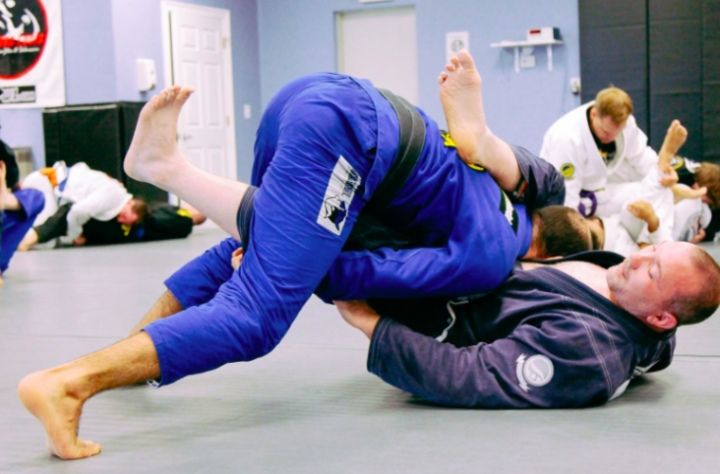
Rise onto your toes with your weight concentrated on their body. Most people stay flat-footed and lose pressure when they try to walk around. Toes means you can drive down while also moving laterally. Gordon Ryan uses this tripod stance to maintain crushing weight while repositioning — it’s the detail that separates a pass that stalls from one that finishes.
Step 6: Walk to the underhook side
Begin stepping toward the underhook side. Your head and shoulder follow your feet — the pressure point shifts but never disappears. This is a slow, deliberate walk. If you rush, you lose the pressure and they hip escape.
Step 7: Finish to side control
As you clear their hips, bring your chest down across their body and flatten them. Release the over grip and establish a standard side control — crossface arm under their head, near arm blocking the hip. Your underhook transitions to a tight body lock. The pass is done. Don’t celebrate early; stay heavy until you feel them stop fighting.
Over-Under Variations by Guard Type
The over-under isn’t locked to a single starting position. The grip changes slightly depending on what guard you’re passing.
Against half guard
This is the classic entry. Their outside leg is free, making it easy to establish the over arm on their far thigh. The underhook is on the trapped leg at your hip crease. Drive your knee forward to take the underhook knee to the mat, then walk toward their head. The half guard is the position this pass was built to destroy — the bottom player’s outside leg control is eliminated the moment you lock the over-under.
Against X-guard
When they establish X-guard, their inside hook is the dangerous one. Catch the over arm around their outside leg, then use your free hand to post and strip the inside hook. Once the hook is gone, you’re back into standard over-under territory. Don’t try to power through both hooks — kill one, then proceed. The key is to not allow them to off-balance you before you’ve established the over.
Against sitting guard and open guard
Shoot the underhook arm through before they can establish both frames. If they’re sitting up with a weak frame on one side, that’s your entry. Drive through the weak frame, establish the over on their far leg, and link your hands. Their reaction to your entry determines whether you load weight immediately or walk first. A hard reaction means wait; a passive reaction means dump your weight now.
Against the leg drag
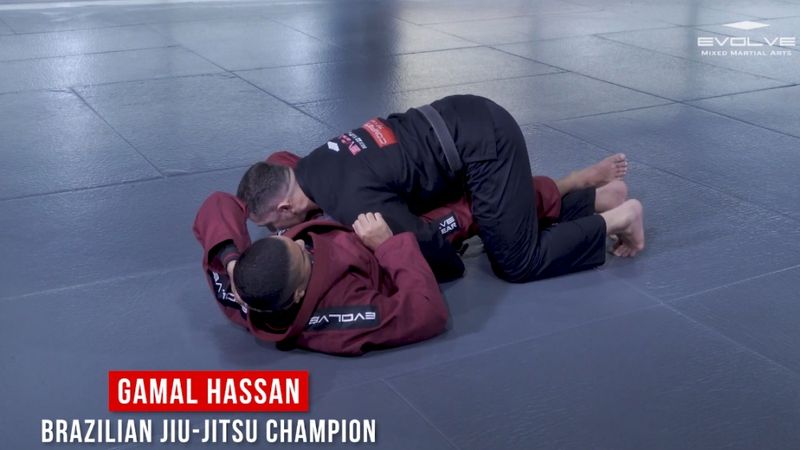
The over-under and the leg drag pass share a relationship — both split the guard. A failed leg drag that loses the grip can be recovered into an over-under if you still have inside position. Just shoot the underhook through the gap left by the leg drag and link your hands. The transition is fast enough that a defensive bottom player rarely has time to reset before you’ve re-established control.
4 Mistakes That Kill Your Over-Under
Most over-unders fail for the same predictable reasons.
Staying flat-footed
When you stay on flat feet, you can’t transfer weight properly and you can’t walk laterally without lifting your chest. The bottom player gets space to hip escape or turn into you. Stay on your toes from the moment you establish the grip. This is the single most common reason white and blue belts fail the over-under consistently.
Hip too high
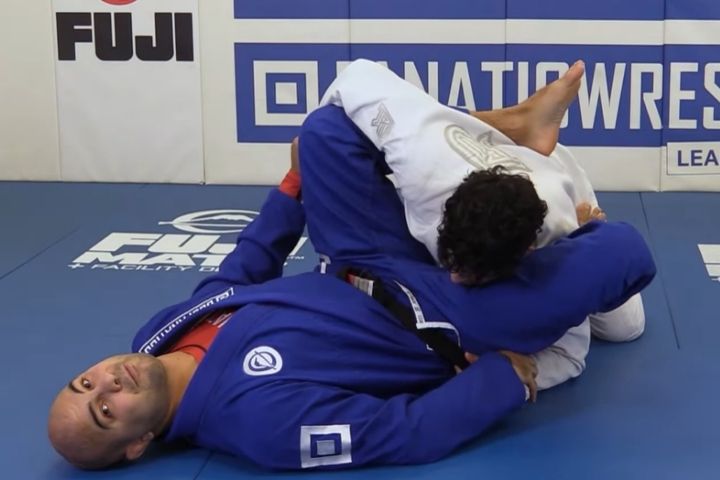
If your hips are elevated, they have space to reach an underhook on your body or pull a single-leg. The weight needs to be DOWN — into their center of gravity, not hovering above it. When you feel them framing against your hip, it’s because your hip is giving them something to push against. Drop it. Think of flattening your body onto theirs like a blanket, not pressing down like a pushup.
Shallow underhook
A shallow underhook — where your hand barely passes the knee — gives them a platform to frame and recover. You want your bicep deep against their inner thigh, past their knee completely. If the underhook is shallow, they can drive their shin across your arm and re-guard before you’ve taken a single step. Drive through aggressively on the entry or don’t enter at all.
Rushing the walk
The over-under finish is a walk, not a dive. If you rush, you break pressure, they create space, and you’re either back in their guard or getting back-taken. Take one step at a time. Keep the shoulder heavy. Let the weight do the work. Faria’s drilling videos show him moving almost in slow motion during the pass — the speed comes from his opponent having no space to respond, not from him moving fast.
What Your Opponent Will Try (and How to Counter It)
A competent bottom player has specific responses to the over-under. Knowing them in advance means you’re never surprised.
The hip escape
This is the most common response — they shrimp away from the underhook side to create space and re-establish guard. Counter: don’t let them shrimp. Your shoulder pressure should be heavy enough that moving their hips laterally requires them to first lift your entire upper body. If they’re shrimping easily, you’re not heavy enough.
Rolling to turtle
They roll into turtle to deny the side control finish. Let them. When they turtle, your underhook arm is already inside their hip — transition to a seat belt grip and take the back. Rolling to turtle against an over-under is often just giving up their back voluntarily. Experienced practitioners know this and use the turtle roll to force the back-take into a planned back defense sequence.
The sit-up and back take
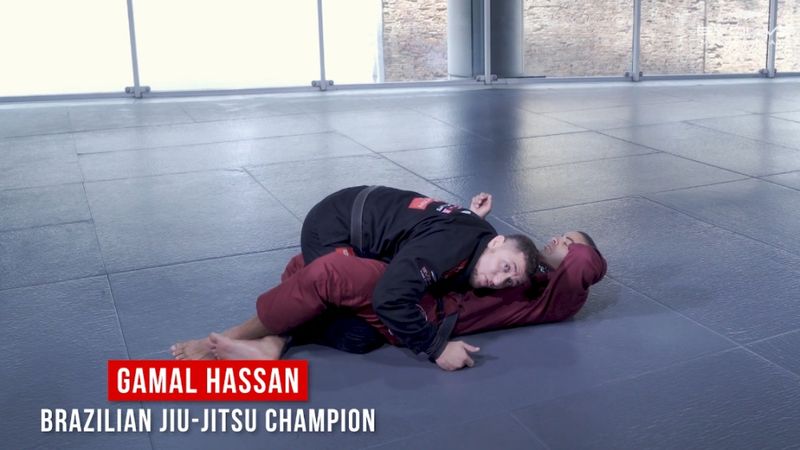
An athletic player will try to sit up explosively and take your back. This works when your shoulder pressure is insufficient. If your head is driven down into their chest — not just resting on it — they don’t have room to sit up. Drive through them, not down toward the mat. There’s a meaningful difference in angle that matters here.
Single-leg off the overhook
If your hip is too high and your weight is back, they can reach their outside arm under the over arm leg and pull a single-leg. Keep your hips low and your weight forward. If they get the single, sprawl immediately and return to the underhook position. A proper sprawl from over-under often still leaves you inside position to re-enter.
How to Drill the Over-Under Into Your Game
The over-under takes more reps than most techniques to feel natural. The pressure application isn’t instinctive — most people are trained to be gentle with training partners. You need to develop comfort applying real body weight.
Start with the static position: have your partner lie flat and practice loading your weight correctly — shoulder into chest, toes up, hands locked. Feel what “heavy” actually means before you try to walk. Spend five minutes per session in this static position before drilling the movement. You’ll be surprised how much lighter you were actually going before doing this exercise.
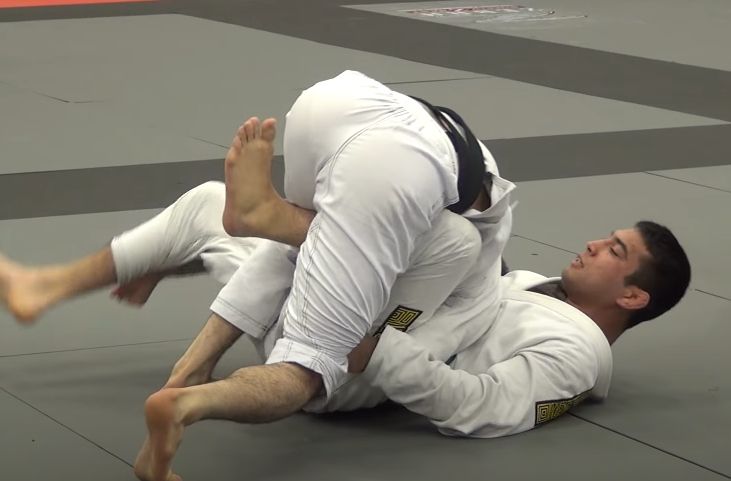
Then drill the pass in isolation: partner holds half guard, you establish the over-under and walk to side control. Reset. No resistance at first — just the mechanical movement ten times each side. When the movement is automatic, add resistance: let the partner shrimp and drill applying pressure to stop the shrimp. The goal is to eliminate any hesitation in the shoulder drive.
In sparring, commit to attempting the over-under even when you lose it. The instinct after a failed entry is to switch to something faster and more athletic. Don’t. Chase the over-under, re-enter, rebuild the grip. The pass requires persistence more than athleticism — train that persistence intentionally. A round where you attempt the over-under eight times and finish it twice is more valuable than a round where you land three quick leg drags and never practice your pressure system.
At the elite level, Bernardo Faria drilled the over-under obsessively even as a black belt with five World Championships. According to BJJ Fanatics documentation of his training methodology, he would specifically hunt the over-under entry for entire rolling sessions, ignoring other passing opportunities. That level of commitment to a single system is what turns a technique into a game plan — and a game plan into a championship run.
Sources
- BJJEE — How To Over Under Pass In No-Gi: Bernardo Faria Demonstrates — primary technical reference for no-gi grip adaptation
- Evolve Daily — Why You Should Learn The Over-Under Pass — breakdown of positional applications and effectiveness
- BJJ World — Bernardo Faria Over-Under Pass And Common Mistakes — mistake analysis and correction
- BJJEE — Everything You Need To Know About The Over-Under Guard Pass — comprehensive positional coverage including variations