Turf Toe BJJ: 7 Essential Recovery Keys
Three minutes into live rolling, your partner traps your foot flat against the mat mid-scramble and your big toe bends back in a direction toes were never built to move. You finish the round because tapping out to a joint felt dumb, and by the time you untie your rashguard your toe has already started to swell. That’s turf toe, and on a no-gi mat it’s one of the most common injuries nobody warns new grapplers about.
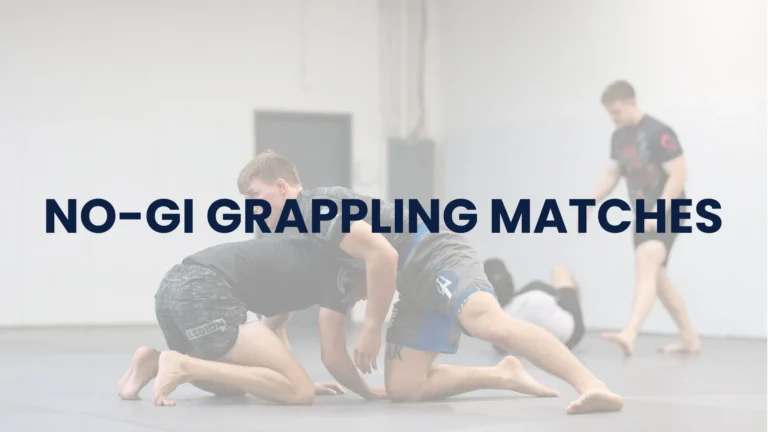
The name comes from American football, where it was first documented on artificial turf in the 1970s, but the mechanism is identical in grappling. Forced hyperextension of the big toe tears the ligaments and joint capsule that hold the first metatarsophalangeal (MTP) joint together. Football players get it planting on hard turf. Grapplers get it from bridging escapes, forward rolls, scrambles where a foot gets pinned under a hip or knee, and the simple act of driving off a bent toe during a takedown attempt. Barefoot sports make it worse, and that’s a detail most generic guides on this injury skip entirely.
What Turf Toe Actually Is and How No-Gi BJJ Causes It
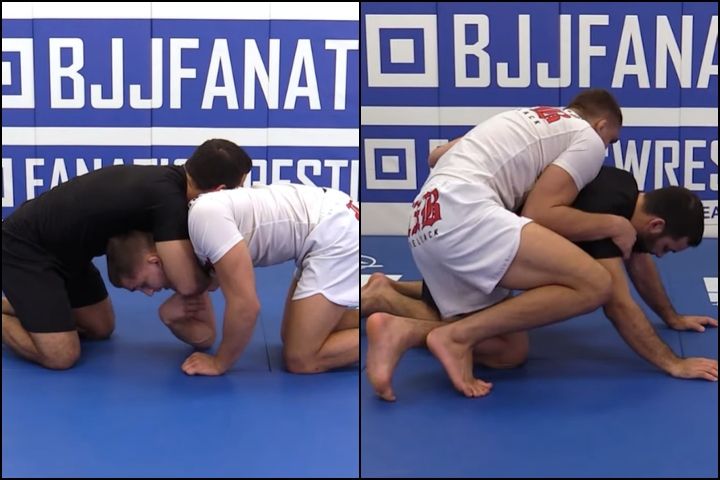
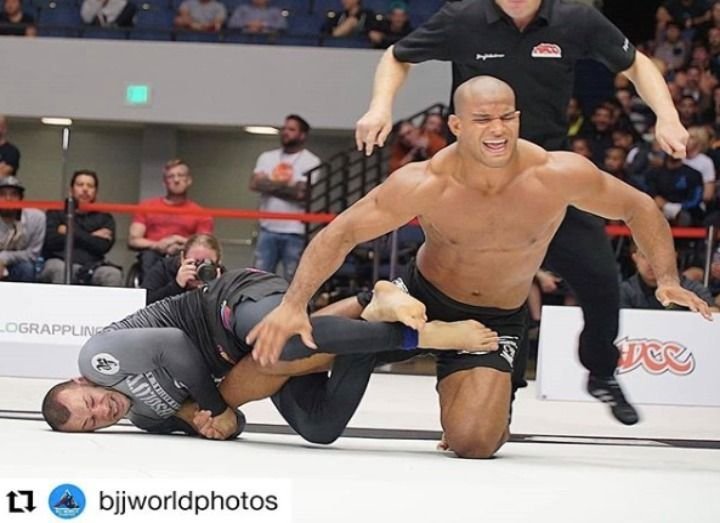
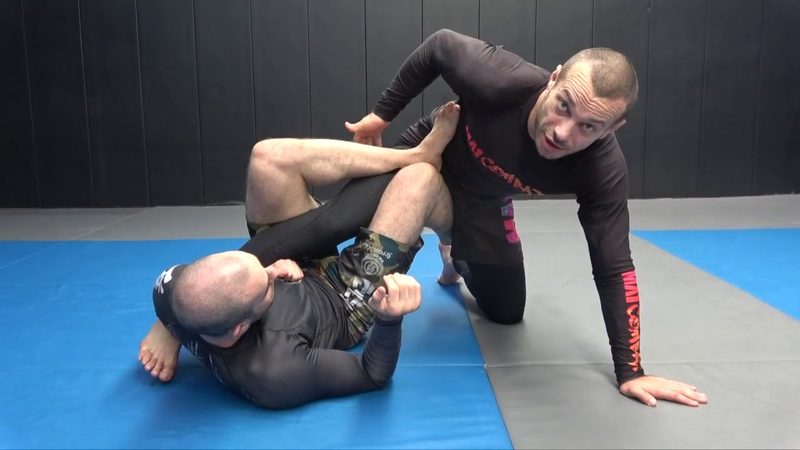
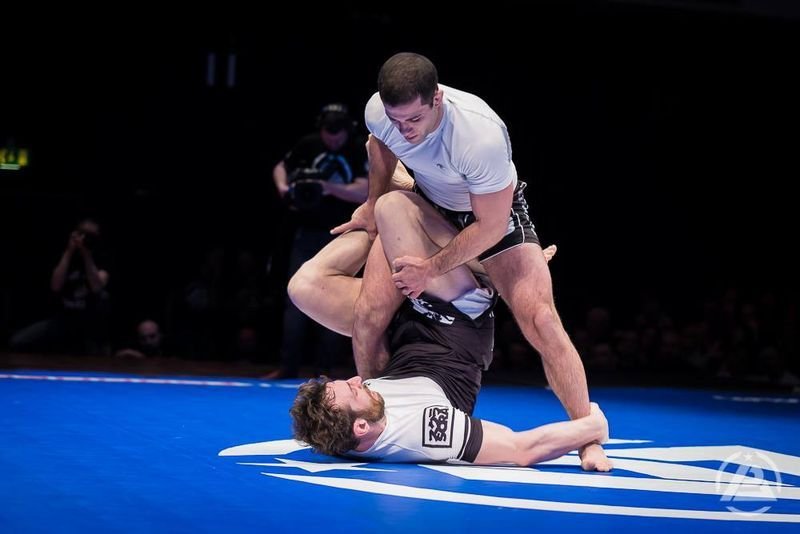
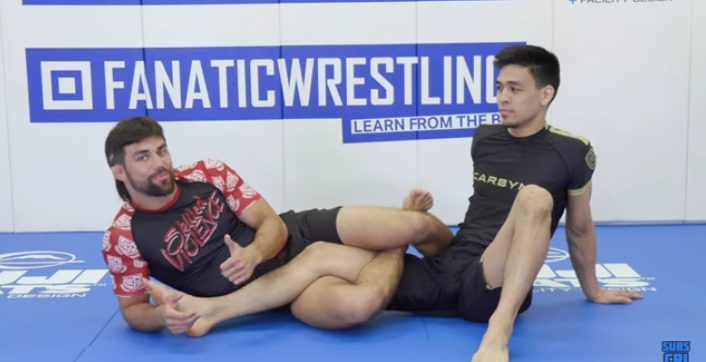
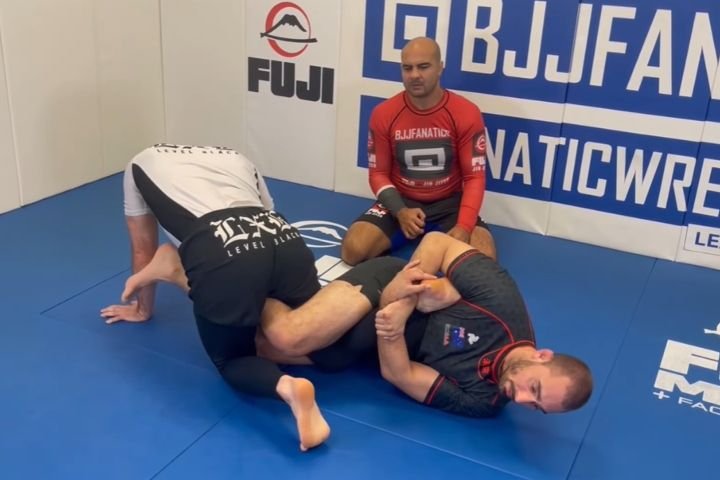
Turf toe is damage to the plantar plate and capsule-ligament complex under the big toe’s base joint, the joint that lets your toe bend up every time you push off the mat. In BJJ, three specific moments cause the vast majority of cases: bridging out of a mount or side control with your toes dug into the mat, forward-rolling out of a submission attempt and catching a toe under your own bodyweight, and getting your foot trapped between the mat and an opponent’s hip or knee during a scramble while your momentum keeps driving forward. Ashi garami entries and other leg-entanglement positions add a fourth mechanism — your foot gets wedged between your opponent’s legs while they’re actively fighting for a heel hook or toe hold, and the trapped foot takes torque it wasn’t positioned to absorb.
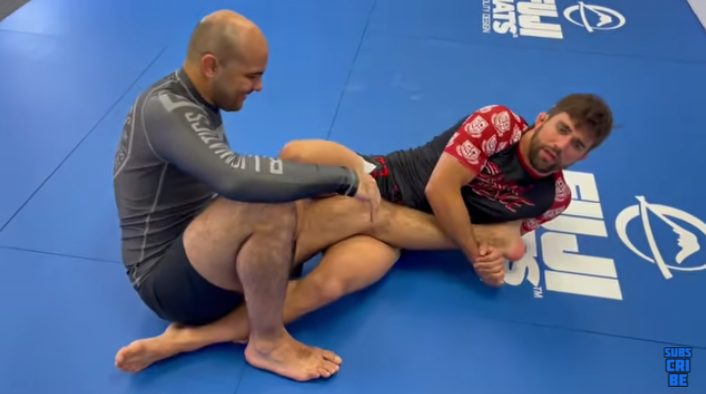
What makes grapplers different from football players is the complete absence of a shoe. A cleat’s rigid sole spreads load across the whole foot and physically blocks the big toe from bending past a certain angle — it’s built-in protection most athletes never think about. Pull that sole away and the joint absorbs 100% of the hyperextension force directly. That’s why a sport with comparatively low-impact, controlled movement still produces turf toe at rates that surprise people coming from striking-based martial arts. The ground game keeps your toes loaded under bodyweight for long stretches, not just a single violent push-off, so the joint accumulates stress differently than it does on a football field.
Turf Toe Grading: Telling a Grade 1 From a Grade 3
Grading turf toe correctly changes everything about how you train around it, and this is the part most grappling-specific articles skip entirely in favor of generic RICE advice.
| Grade | Damage | Signs | Typical Recovery |
|---|---|---|---|
| Grade 1 | Ligaments stretched, no tearing | Mild tenderness, little to no swelling, close to full range of motion | About 1 week |
| Grade 2 | Partial ligament/capsule tear | Visible bruising, noticeable swelling, pain walking, limited range of motion | 3-6 weeks, often with a walking boot and PT |
| Grade 3 | Complete tear, joint instability | Severe pain and swelling, can’t bear weight normally, joint feels loose | Months, surgery possible |
The Cleveland Clinic’s clinical breakdown of the condition lines up with what shows up on the mat: Grade 1 sprains are stretched ligaments without tearing, Grade 2 adds a partial tear with visible bruising and real swelling, and Grade 3 means the joint capsule has torn completely and the toe joint itself becomes unstable.[1] A 2023 outcomes study on surgically treated turf toe found that athletes who had Grade 3 injuries with joint instability and delayed their diagnosis past two weeks had meaningfully worse functional outcomes than those treated early — which is the clinical argument for getting an X-ray instead of guessing.[4]
Turf Toe vs. Broken Toe vs. a Jammed Toe: How to Tell Them Apart
A jammed toe hurts for a day or two, has minimal swelling, and you can wiggle it without much resistance — that’s a contusion, not turf toe. A broken toe is usually a sharp, specific pain over the bone itself rather than the joint, sometimes with visible deformity or a toe pointing in the wrong direction, and it often bruises the nail bed within hours. Turf toe sits in between: the pain centers on the base joint where the toe meets the foot rather than the toe itself, it gets worse specifically when you push off or bend the toe upward, and swelling builds gradually rather than appearing instantly. If you can’t tell which one you’re dealing with after 48 hours, that uncertainty alone is the reason to get an X-ray — fractures and Grade 3 turf toe tears can look nearly identical from the outside, and treating a fracture like a simple sprain is how a six-week injury turns into a permanent one.
Can You Still Train or Compete With Turf Toe?
Grade 1 turf toe rarely stops a grappler from training. Tape the joint, skip explosive takedowns and sprawls for a week, and most people roll through it with minimal modification. Grade 2 is where the real decision happens — you can usually still drill and do controlled positional rolling, but live rolling with scrambles and leg entanglements puts you one bad angle away from turning a partial tear into a complete one. Competing on a Grade 2 is a real risk calculation, not an automatic no, and it depends on how much joint instability you’re feeling and how soon the competition is. Grade 3 is a hard stop on live training. The joint is mechanically unstable at that point, and rolling on it invites a Grade 3 to become a surgical case. UT Southwestern’s sports medicine blog puts the Grade 3 recovery window at several months minimum, with some cases needing surgical repair of the plantar plate before an athlete can safely cut and pivot again.[3]
How to Tape Your Toe for No-Gi BJJ
Generic athletic taping guides miss the two things that matter most on a grappling mat: sweat and friction. Standard medical tape peels off within five minutes of live rolling, and anything too rigid restricts the ankle and midfoot movement you need for base and guard retention. Buddy taping is the standard approach — tape the injured big toe to the second toe with a small piece of gauze or foam between them to prevent skin breakdown, then wrap athletic tape (not medical tape) around both toes two to three times, snug enough to limit upward bend but loose enough that circulation isn’t cut off. Check color and feeling in the toe after taping; if it goes pale and stays pale, it’s wrapped too tight.
For grapplers who need more rigidity than buddy taping alone provides, a low-dye taping technique — strips run under the arch and across the ball of the foot — limits how far the MTP joint can extend without touching the toes themselves, which some athletes find holds up better through a full sweat-soaked round. Either way, re-tape before every session rather than trying to stretch one wrap across multiple days; grappling tape loses its hold fast once it’s been through a scramble. The same stretch-and-snug logic shows up in our guide to BJJ finger tape methods — different joint, same core principle of supporting the joint without locking it out completely.
Why Barefoot No-Gi Grappling Makes This Worse Than Shod Sports
Football, basketball, and soccer all report turf toe, but cleated and court-shoe athletes still get a layer of structural protection a bare foot doesn’t have. A rigid or semi-rigid shoe sole physically resists how far the big toe can bend upward before the shoe itself runs out of flex — it’s a mechanical stop built into the equipment. No-gi grapplers train and compete barefoot by rule, so that stop doesn’t exist. The joint takes the full range of whatever force gets applied to it, whether that’s a single explosive moment or the slow grinding load of a foot pinned under bodyweight for thirty seconds during a guard pass. This is also why turf toe in grappling tends to recur more than it does in cleated sports — once the capsule has been stretched once, barefoot training keeps re-testing that same range of motion session after session, with nothing between the joint and the mat to slow it back down.
Treating Turf Toe: What Actually Speeds Recovery
RICE — rest, ice, compression, elevation — is still the correct first 48 hours for any grade, and skipping it is the single most common mistake grapplers make because they want to get back on the mat faster. Ice for 15-20 minutes several times a day cuts the initial inflammation that otherwise prolongs the whole recovery window. NSAIDs like ibuprofen manage pain and swelling in the acute phase, though they shouldn’t replace actually limiting load on the joint. Raleigh Bone and Joint’s treatment guide recommends a stiff-soled shoe or a turf toe plate — a rigid insert that mimics what a cleat does naturally — for Grade 2 injuries during the weeks when a walking boot isn’t quite necessary but normal footwear still isn’t supportive enough.[2] For Grade 2 and 3 injuries, physical therapy focused on regaining pain-free range of motion before reintroducing load makes a measurable difference in how clean the joint feels once you’re back to full training — rushing straight from a boot into live rolling without that intermediate step is how the injury becomes chronic.
Returning to Rolling: A Realistic Timeline by Grade
Grade 1 grapplers are usually back to full live rolling within a week to ten days, taped, with a short adjustment period where takedowns and explosive scrambles get avoided first. Grade 2 typically means two to three weeks of drilling and positional work before live rolling returns, and four to six weeks before competition-intensity training feels normal again — pushing that timeline because a tournament is close is exactly how a partial tear becomes a complete one. Grade 3 recovery runs two to four months minimum, longer if surgery was involved, and the return should be staged: pain-free walking, then light drilling, then controlled rolling, then full intensity, with taping as a long-term habit rather than a short-term fix. A trapped-foot scramble that re-injures a joint that hasn’t finished healing is a far worse outcome than the extra two weeks of patience would have cost.
Smart grapplers treat toe health the same way they treat every other piece of recurring wear and tear on this sport — manage it instead of ignoring it until it forces a layoff. What goes in your no-gi competitor’s gear bag should include athletic tape and a spare roll for exactly this reason, the same way a serious grappler never shows up without ear protection after learning the hard way how fast a cauliflower ear forms in the first 48 hours. Small joints and cartilage don’t give you a warning round.
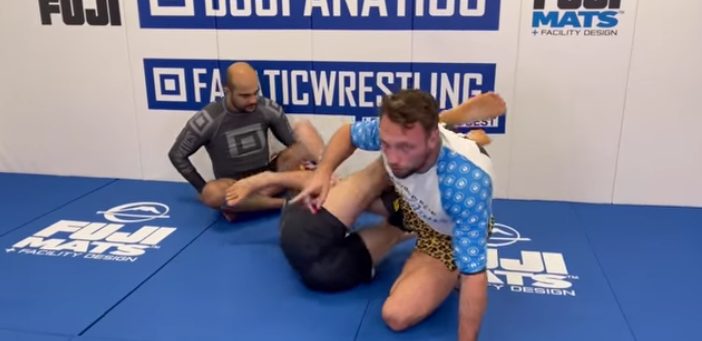
Watch: Taping Technique for Turf Toe
The Bottom Line on Grappling With Turf Toe
A sore big toe feels like the kind of thing you roll through without thinking twice, and for a Grade 1 sprain that instinct is usually fine. The mistake is applying that same instinct to a joint that’s visibly bruised, swollen, and unstable — at that point the toe isn’t asking for a few days off, it’s telling you the capsule is torn and every scramble afterward is a bet against a joint that can’t currently protect itself. Tape it, grade it honestly, and give the Grade 2s and 3s the weeks they actually need. The grapplers who come back fastest from this injury are rarely the ones who pushed through swelling — they’re the ones who treated the first 48 hours like they mattered.

Sources
- Cleveland Clinic — Turf Toe — Clinical grading system and symptom breakdown for Grade 1-3 turf toe injuries.
- Raleigh Bone and Joint — Turf Toe Treatment and Recovery — Treatment protocols including stiff-soled footwear and turf toe plates for Grade 2 injuries.
- UT Southwestern Medical Blog — Turf Toe Symptoms and Treatment — Recovery timelines and surgical considerations for severe turf toe.
- PMC — Surgical Outcomes in Turf Toe Injuries — Outcomes data on Grade 3 turf toe injuries treated surgically, including the impact of diagnosis timing.