Suloev Stretch No-Gi: 7 Keys to the Finish
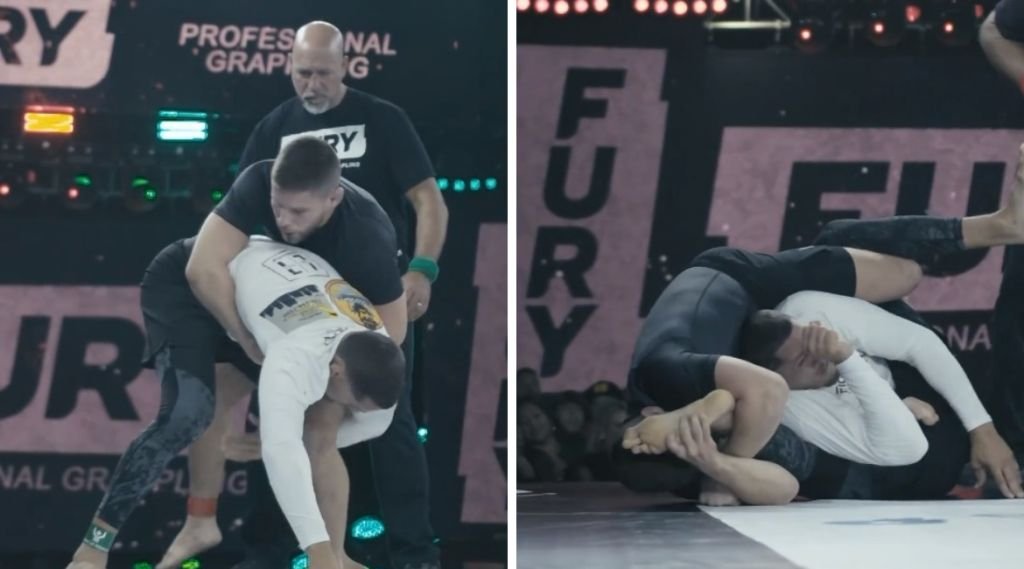
Pat Sabatini tapped Niko Price with it in under four minutes at Fury Pro Grappling 8 in December 2023. Four years earlier, Aljamain Sterling and Zabit Magomedsharipov both won UFC fights with the same submission on the same card, UFC 228, nine fights apart. Despite that, rashguardguy.com has never run a standalone breakdown of it — every leg lock piece on this site has gone to heel hooks, toe holds, and kneebars. The suloev stretch deserves its own entry because it behaves nothing like those three.
What Is the Suloev Stretch in No-Gi Grappling?
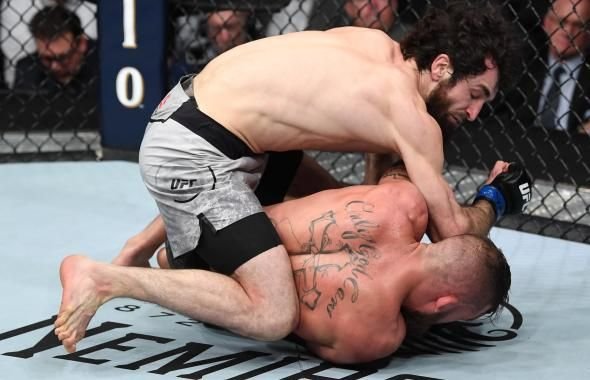
The submission is named after Amar Suloev, a Russian fighter who finished Paul Cahoon with it in 63 seconds back in 2002. It sat unnamed for over a decade until BJJ journalist KJ Gould tagged it in 2013, and it stayed a curiosity until UFC 228 in 2018 put it on two highlight reels in one night. The mechanism is simple to describe and hard to escape: from back control, your opponent posts a foot on the mat to stand up and strip your hooks. You trap that foot or ankle before it can plant, drop your hip to the floor, and drive your legs away from theirs. The leg stays pinned at the ankle while your hip extension stretches everything between their heel and their glute.
Why It Targets the Hamstring, Not Just the Knee
Most grapplers file the suloev stretch under leg locks and move on, but the injury pattern is different from a kneebar. A kneebar hyperextends the knee joint by levering the lower leg against a fixed thigh. The suloev stretch does something closer to a straight-leg deadlift on one side of a body that doesn’t want to move: your hip extension pulls the entire posterior chain — hamstring, then knee capsule, then hip — past its range before the knee ever reaches full extension. Josh Cisneros, the ADCC medalist who built a reputation on this exact finish, has described it as a tear that happens instantly rather than a joint lock that gives a warning creak. That’s the real danger. A kneebar tapper usually feels the knee start to go and has a half-second to tap. A suloev stretch tapper is often already injured by the time the pain registers.
That distinction matters for how you drill it. Partners need to agree on a slow count before any speed work, and the finishing grapplers in this piece — Sabatini, Sterling, Magomedsharipov — all come from backgrounds where they’d drilled the position for years before ever hunting the finish live.
The Setup: Catching the Leg Before It Plants
Everything about this submission depends on timing, not strength. From the back with both hooks in, most escapes start the same way: the bottom grappler bases a hand or two on the floor and posts a foot to start standing. That post is the window. You thread your leg over theirs or scoop the ankle with your arm before the foot fully plants, because once their weight settles onto that leg, the angle to stretch it disappears and you’re just along for the ride on their back.
Once the ankle is trapped, the finishing mechanics are almost entirely lower body. Your upper-body connection — a seatbelt grip or body lock around the torso — isn’t there to crank anything. It’s there to stop your opponent from squaring their hips back toward you and stepping out of the trap. The actual submission comes from your hips driving down and away, using your own bodyweight against a leg that has nowhere to retreat to. Grapplers who try to finish it with their arms instead of their hips usually lose the position before they get the tap.
The Fights That Put It on the Map
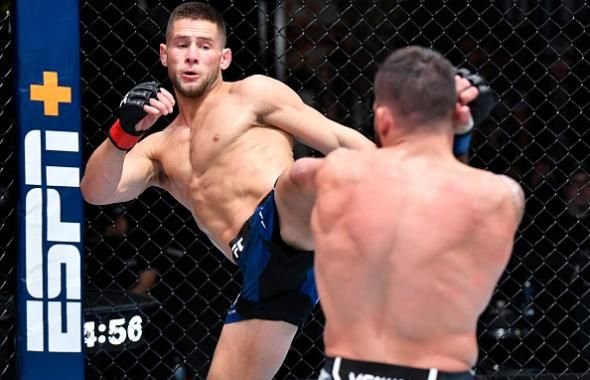
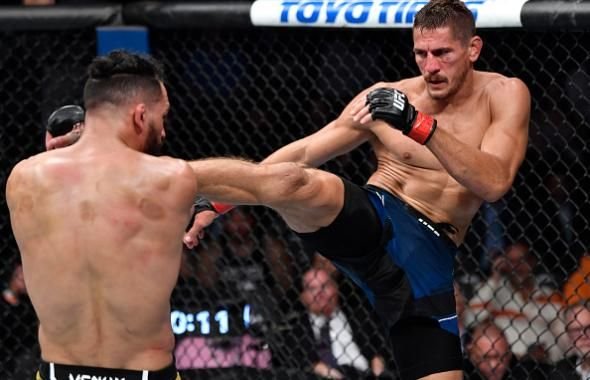
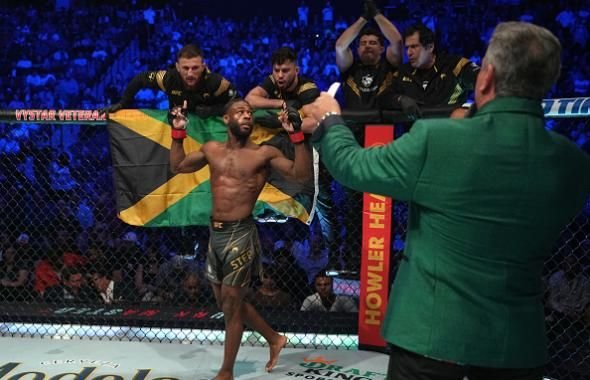
UFC 228 in September 2018 is still the best single reference for how this submission looks under pressure. Zabit Magomedsharipov caught Kyle Bochniak with it mid-card, and later that night Aljamain Sterling finished Cody Stamann the same way — two featherweight-to-bantamweight fighters, same mechanism, same event, and most casual fans had never seen the position named before that card. Both finishes happened off scrambles, not set entries, which is the honest version of how this submission usually arrives: an opponent trying to climb out of back control at the wrong moment.
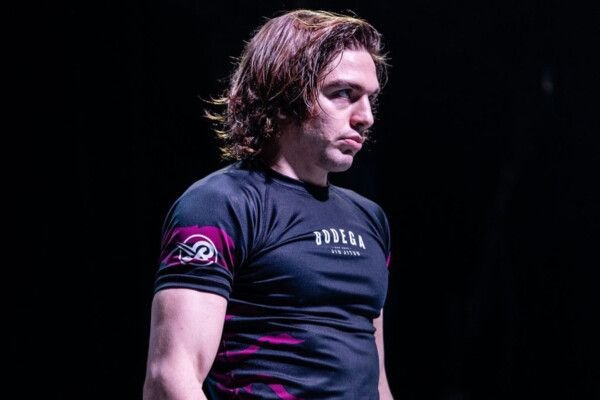
Pat Sabatini’s finish on Niko Price at Fury Pro Grappling 8 in December 2023 is the cleanest instructional example because it happened in a pure grappling match with no strikes to set it up. Sabatini has called it his favorite technique, and the tape shows exactly the sequence above: Price stands, Sabatini traps the leg before it plants, and the stretch is on within seconds. On the competitive no-gi side, Josh Cisneros used it twice at the 2022 ADCC West Coast Trials, submitting Gianni Grippo with it on his way to a runner-up finish, then carried that reputation into a bronze medal at the 2024 ADCC World Championship.
Defending It Before It Locks In
The defense window is small but real. The entire submission depends on your foot being exposed during the stand-up, so the fix starts before you move at all: clear your opponent’s hooks and break their body-lock grip first, then stand only once your base leg is already free of their control. Standing with a trapped ankle already loaded is how most people get caught — they’re reacting to the position instead of dismantling it first.
If the ankle does get trapped, the fastest way out is to turn into your opponent rather than away from them. Squaring your hips back toward their chest closes the angle their hip extension needs and gives you a path to recover guard instead of eating the stretch. This is the same principle behind a good back escape: the moment you feel a hook or a trapped limb, stop trying to finish the stand-up and start turning to face your opponent. Waiting even one extra second to see if you can power through the stand-up is usually the mistake that turns a minor scramble into a hamstring injury.
Is the Suloev Stretch Legal in Competition?
Rules split on this one more than most leg attacks. ADCC allows it outright at the adult advanced level — it’s how Cisneros built his reputation there — but bans it in beginner divisions specifically because new competitors don’t recognize the danger signs early enough to tap before something tears. The IBJJF goes further and restricts it by belt rank rather than division: only brown and black belts are cleared to use it, which keeps it out of the hands of grapplers who haven’t logged enough mat time to apply it under control. If you’re training no-gi outside of competition, match your gym’s house rules to whichever federation you compete under, and don’t assume a leg lock that’s legal in one ruleset is automatically fine in the other.
Where It Fits Among Back-Control Finishes
Most grapplers who hunt finishes from the back default to chokes first and look for leg attacks only when the choke isn’t there. The suloev stretch flips that order in one specific scenario: a committed stand-up escape. A north-south choke or a kneebar both need the bottom grappler to stay relatively flat or turtled. The instant someone commits to standing, those options close and the suloev stretch opens. Competitors who run a disciplined back-control game, the way Cisneros does, tend to treat it as the designated answer to that one specific escape attempt rather than a submission they hunt from a static position.
Training It Safely in the Gym
Because the injury happens faster than most joint locks, gyms that drill this seriously tend to build in more safeguards than usual. Start every rep from a static position with the ankle already trapped, with zero speed on the finish, so both partners learn exactly where the stretch begins before anyone adds resistance. Live drilling should use a hard, early verbal tap standard — not the physical tap-out most grapplers wait for on other submissions — because by the time you feel resistance building in a live roll, there often isn’t a half-second window left to signal before something tears.
The suloev stretch isn’t a submission you can force into a roll the way you can hunt a kimura or an armbar. It shows up when someone else makes the mistake of standing before clearing their hooks, and it rewards whoever recognized that window a half-second faster. Drill the trap, drill the defense, and you’ll start seeing that window a lot more often than you’d expect from a submission most grapplers can’t even name.
Sources
- The Suloev Stretch at ADCC Trials: What Is It and How Does It Work? – FloGrappling — origin, naming history, and Josh Cisneros’s 2022 ADCC West Coast Trials run.
- Pat Sabatini Secures Suloev Stretch Submission at Fury Pro Grappling 8 – MyMMANews — the Sabatini vs. Price finish breakdown.
- Aljamain Sterling Athlete Profile – UFC.com — record and fight history including the UFC 228 finish.
- The Ultimate Rules Guide for BJJ Competitions – Elite Sports — IBJJF belt-rank restriction and ADCC beginner-division ban.