Gogoplata: 5 No-Gi Setup Keys for This Rare Submission
Most grapplers see the gogoplata in highlight reels and assume it’s a flexibility stunt for contortionists. That’s the wrong read. At the 2009 ADCC Submission Wrestling World Championship, Ryan Hall caught Keith Ritter with a textbook gogoplata — one of the cleanest executions in high-level no-gi competition history. The submission worked not because Hall is unusually flexible, but because he understood the rubber guard system well enough to set the position up before Ritter recognized the threat. That’s the real story of the gogoplata: it rewards preparation over athleticism.
What Is the Gogoplata?
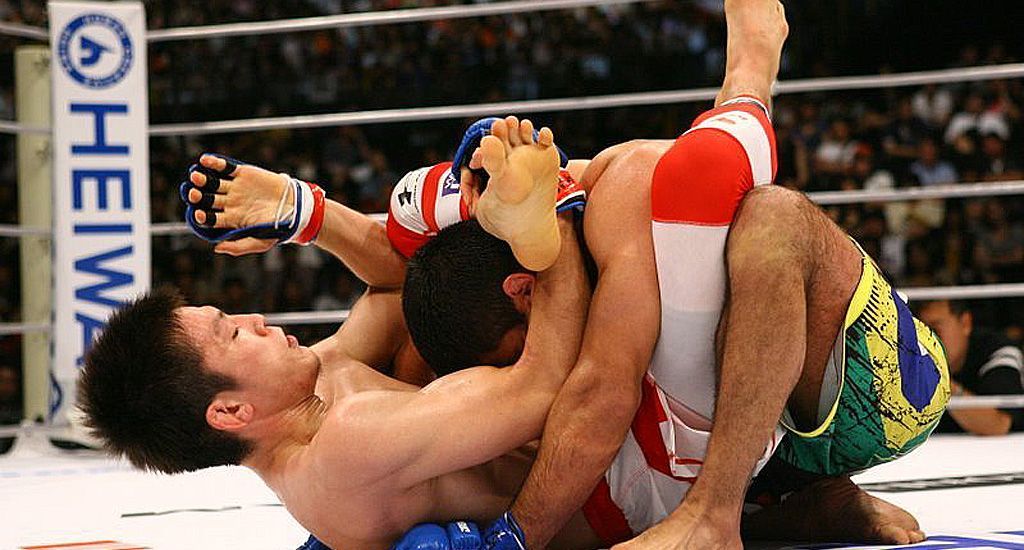
Gogoplata is Portuguese slang — a blend of “gogo” (roughly throat in Brazilian gym slang) and “plata,” a colloquial term for a fight or struggle. The technical description: a shin-across-throat choke from closed or rubber guard where your shin bone presses across the opponent’s trachea while both hands pull the back of their head downward, creating a compression that cuts off the airway.
It lands somewhere between a choke and a neck crank depending on execution angle. When the shin is perfectly positioned across the trachea and you drive it forward, it chokes. When the opponent tries to power out and you respond by pulling the head down harder, the cervical spine takes stress as well. Most opponents tap to the choke component before the neck crank kicks in — which is exactly how it should work.
The gogoplata differs from the triangle or guillotine in one key way: it attacks from guard using your leg as the choking surface instead of your arms. That’s what makes it difficult to see coming. Nobody trains their trachea to recognize a shin, because almost nothing else attacks from that angle.
The Rubber Guard System Behind the Gogoplata
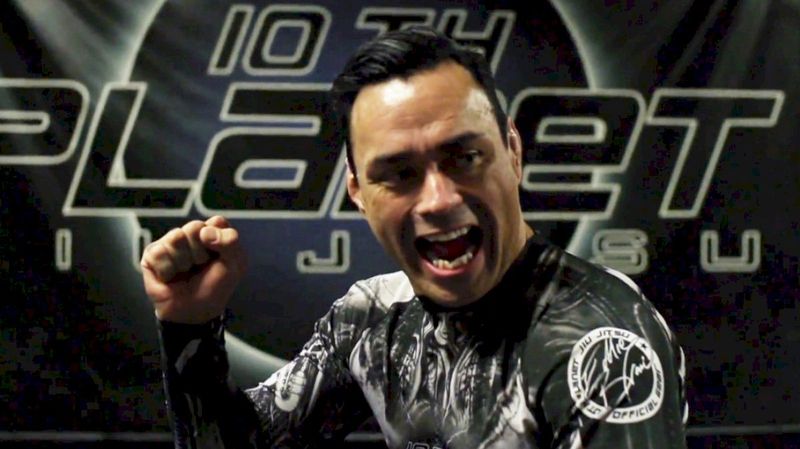
Eddie Bravo developed rubber guard in the early 2000s as a closed guard system built specifically for MMA — where an opponent in your guard can punch. The design goal was a position where your legs trap the opponent’s arm while keeping both of your hands free to attack submissions, without relying on lapels that don’t exist in no-gi or MMA. The rubber guard BJJ system is still the primary entry path for the gogoplata in competition.
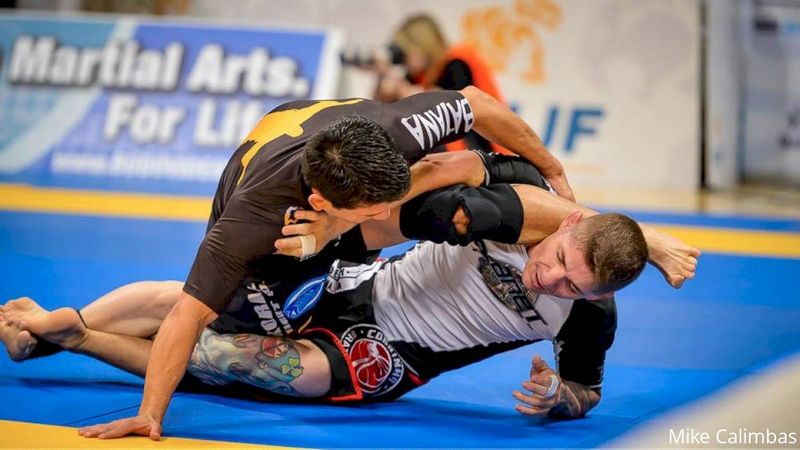
The rubber guard sequence runs through four positions: Chill Dog, Mission Control, New York, and the gogoplata itself. Each is a checkpoint that advances control:
- Mission Control: Your leg is over the opponent’s near-side arm, foot behind their shoulder. Their arm is trapped between your leg and your body, and their posture starts to break.
- New York: Your same-side hand grabs your own foot so your other hand comes free. You now control posture with leg position alone, both hands available to attack.
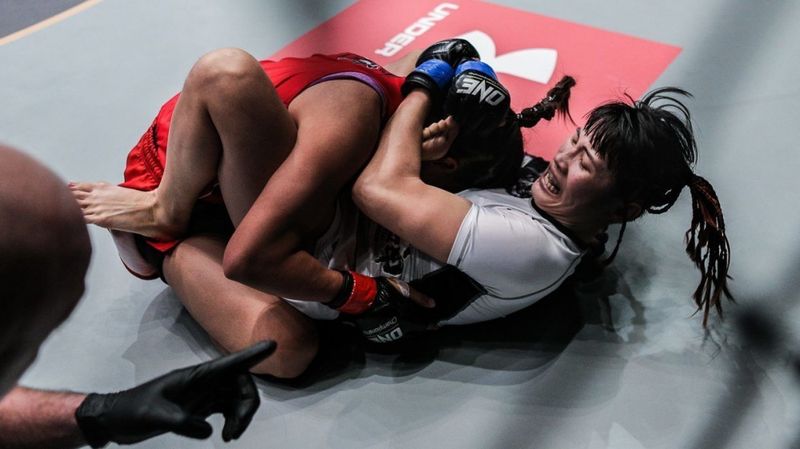
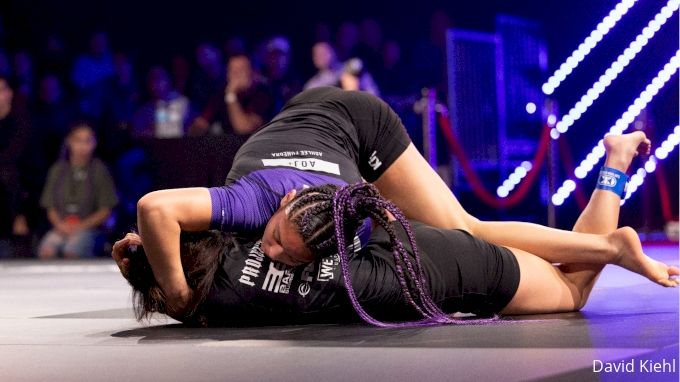
- Gogoplata: From New York, you transition the shin from arm-trap position up and across the chin until the shin blade lands on the throat. Both hands go to the back of the head.
The hip flexibility requirement is real but often overstated. What you actually need is enough adductor and hip flexor mobility to hold Mission Control without burning out your grip. With consistent drilling, that’s achievable for most people within a few months — it’s not a contortionist position. The difficulty is maintaining rubber guard long enough to advance through the sequence, not the final position itself.
How to Set Up the Gogoplata Step by Step
Here’s the technical breakdown for no-gi, starting from closed guard:
Step 1 — Establish closed guard. Hips tight, heels locked at the opponent’s lower back. Pull them toward you to break their base and prevent posturing.
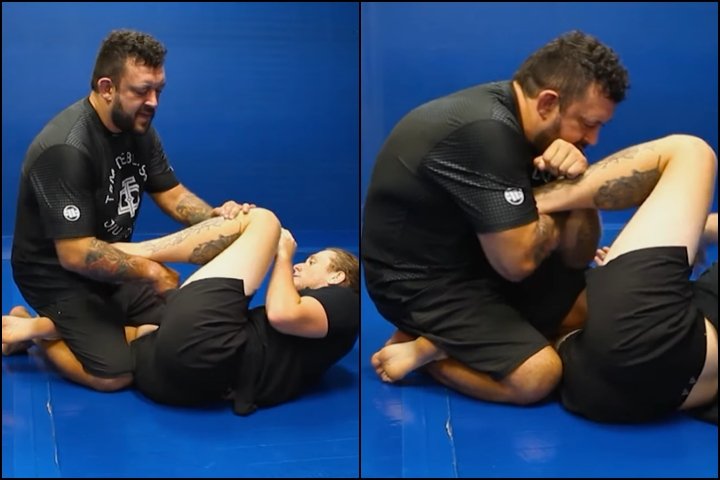
Step 2 — Get to Mission Control. Reach up with one hand and grab behind your own shin. Lift your leg up and over the opponent’s near-side arm so the arm is pinned between your leg and your body. Their posture should start to break as they lean into you.
Step 3 — Transition to New York. Your same-side hand grabs your own foot, freeing your other hand. You’re now controlling their posture through leg position and the pull of your hand on your foot.
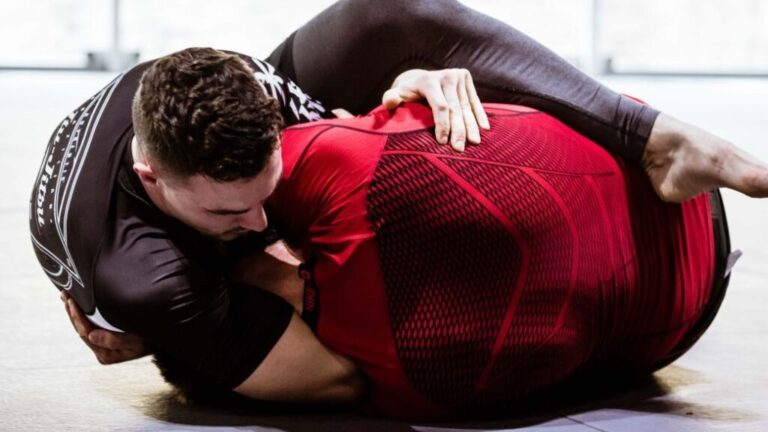
Step 4 — Clear the chin. This is where most attempts fail. You have to slide your shin from arm-trap position upward, past the chin, until the shin blade lands directly across the trachea. Don’t rush this step — a premature finish attempt with the shin still on the jaw gives them room to posture out and escape the whole position.
Step 5 — Control the head. Both hands to the back of the opponent’s head, fingers interlaced or palm-to-palm. You’re pulling the head down while your shin presses forward — classic scissors mechanic, two forces meeting at the throat.
Step 6 — Finish. Extend your hips slightly into them, pull the head with both hands, drive the shin forward. The trachea compression closes quickly if the position is correct.
5 No-Gi Positions the Gogoplata Opens From
The rubber guard entry is the textbook path, but it’s not the only one. Competition grapplers have hit the gogoplata from several different starting positions — which matters because it means opponents who defend only the rubber guard sequence can still get caught.
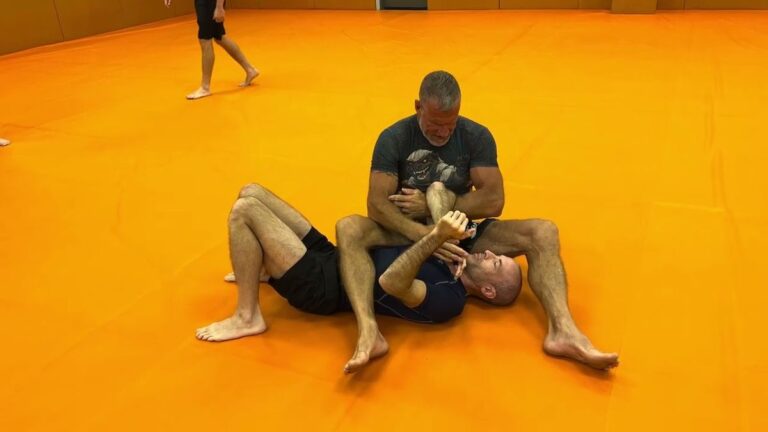
1. Failed triangle attempt. When you attempt a triangle and the opponent starts to stack, they often drop their head and hips forward. That exact posture — head low, pressure forward — can be caught while transitioning to a gogoplata. Your leg is already over their shoulder, and as they stack you angle out and clear the shin to the throat.
2. From half guard. When an opponent is flattening you in half guard and pressing their weight forward, pulling them toward you can create space to get a leg high enough for a rubber guard entry. This is less common but has appeared in competition when the classic path wasn’t available. For the full half guard control breakdown, see Half Guard No-Gi: 7 Essential Sweeps & Attacks.
3. As a triangle counter-setup. If you have a triangle locked in but they’ve stacked enough to stall the finish, transitioning toward a gogoplata can catch them switching defensive focus. The moment they post to posture out of the triangle is when the shin slip becomes possible.
4. After a failed armbar. When you release an armbar and the opponent yanks their arm free, their head sometimes ends up in position. The transition happens in the scramble — your leg is already moving, they’re focused on recovering the arm, the shin can find the throat before they reset.
5. In combination with the Americana. Setting the Americana from guard creates defensive pressure on the arm and shoulder. When the opponent over-focuses on protecting the arm, the guard game can reset into Mission Control territory. More on that setup: Americana Submission: 7 No-Gi Setups That Force the Tap.

Why Most Grapplers Skip the Gogoplata — and Why That’s a Mistake
The real reason most grapplers don’t train the gogoplata isn’t flexibility. It’s that most gyms don’t drill the rubber guard sequence at all. If your guard game is built around pulling guard, framing, and hunting for the triangle or armbar from conventional closed guard, the rubber guard checkpoints feel like a foreign system — which they are, unless you’ve specifically put in time on them.
The energy cost also scares people off. Rubber guard is active. You’re constantly managing posture with muscle tension in your hip flexors. If you gas out holding Mission Control without advancing to New York, you’ve spent a lot of effort for nothing. That creates negative reinforcement: athletes try the position, burn out before reaching the gogoplata entry, and file the whole system under “doesn’t work for me.”
The fix is drilling the transitions — not just holding positions — until the advancement from Mission Control to New York to gogoplata is a single fluid movement rather than three separate steps with decision points between them. Ryan Hall could hit the gogoplata at ADCC because the sequence was automatic. That automation comes from drilling, not from being born flexible.
The gogoplata also works because almost nobody trains to defend it. Defenses against triangles, guillotines, and armbars are universal gym knowledge. Defenses against a shin across the throat are not. That’s a genuine competitive advantage for anyone willing to put the drilling time in. The same principle applies to other underused submissions — the wrist lock works partly because most opponents have never felt one applied at speed.
How to Defend the Gogoplata
The primary defense is posture. The entire rubber guard system depends on your posture being broken in closed guard. If you maintain an upright spine and keep your head up when someone pulls you into guard, Mission Control cannot be established — there’s no way to trap the arm without the posture break first.
If you’re already in Mission Control, focus on freeing the trapped arm rather than fighting the leg. The arm that’s pinned is what enables their hip and leg control. Once that arm comes free, the rubber guard position usually collapses without them having a way to re-establish.
If the shin is already on your throat: don’t yank straight backward. That movement drives the shin deeper into the trachea. Turn your chin downward toward the shin to reduce pressure while working to free the arm and create an angle to posture up.
The highest-percentage escape window is during the New York to gogoplata transition. As they slip the shin from arm-trap position across the throat, there’s a brief moment where their control is transitional. A hard posture-up at that exact moment can disrupt the shin placement and break the sequence before it’s fully locked.
Who Uses the Gogoplata at the Top Level
Ryan Hall remains the most prominent high-level example of the gogoplata in major no-gi competition. His 2009 ADCC Submission Wrestling World Championship match against Keith Ritter is the benchmark — clean setup, correct position, tap. Hall’s entire game was built around flexible open guard and submission-from-guard offense, so the gogoplata was a systematic result of his style rather than a trick play.
Eddie Bravo’s most famous match result came in 2003 when he submitted Royler Gracie using rubber guard — not a gogoplata, but the same foundational system. Bravo has consistently argued that the rubber guard sequence is one of the most underexplored areas in competitive grappling, and that assessment hasn’t changed.
Geo Martinez (10th Planet) is the current generation’s clearest practitioner of the rubber guard game in high-production grappling events like WNO. His competition record reflects what happens when someone treats the gogoplata entry as a primary submission threat rather than a last resort.
Shinya Aoki has submitted opponents with gogoplata variants in MMA and submission grappling. The technique has appeared at Bellator and in regional promotions often enough to confirm it’s viable at professional level — but rarely enough that opponents consistently have zero muscle memory for defending it. That combination is exactly the profile of a technique worth adding to a complete no-gi submission game.
Sources
- Wikipedia: Gogoplata — Etymology, technical classification, and historical competition examples
- 10th Planet Jiu Jitsu: How To Do A Gogoplata From Rubber Guard — Technical demonstration of the rubber guard entry sequence by 10th Planet instructors
- Evolve MMA: BJJ 101 — The Gogoplata — Overview of the submission mechanics and its history in competitive grappling
- ADCC 2009 Results — Ryan Hall vs. Keith Ritter gogoplata submission, complete 2009 ADCC bracket