Armbar No-Gi: 7 Setups That Force the Tap in 2026
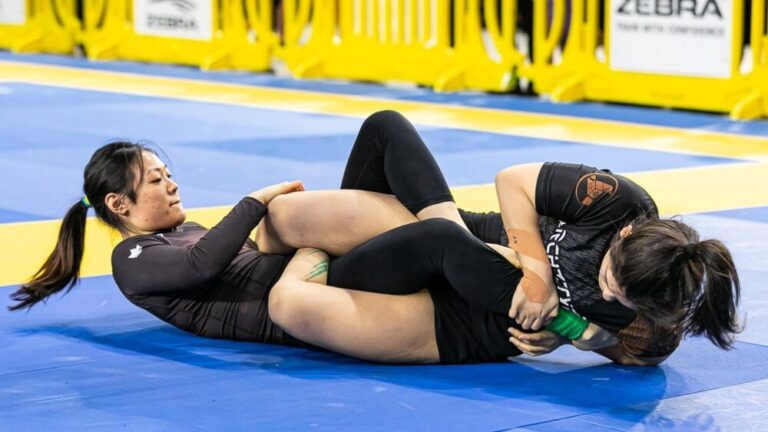
At the 2024 IBJJF World No-Gi Championship, ten black belt matches ended with an armbar no gi finish — only the rear naked choke and inside heel hook racked up more taps. The technique is over a century old, and it still pays the bills at the highest levels of submission grappling. The reason is simple. When the sleeve and collar disappear, the armbar adapts faster than almost any other classical attack: wrist control replaces fabric, hip pressure replaces grip, and the angle still snaps the elbow exactly the same way.
This guide breaks down seven setups that elite no-gi players hit in 2026, the mechanical details that make each one finish, and the mistakes that get the arm yanked out before you can extend it.
Why the Armbar No-Gi Is a Different Animal
In the gi, sleeve grips do most of the work. You pin the wrist with cloth, peel the elbow with the same hand, and the friction of the kimono buys you the half-second you need to swing your leg over. Strip the gi away and that crutch vanishes. The wrist is slippery with sweat, the elbow slides through the crook of your knee, and any pause lets the defender stack into you. So no-gi armbars are won inside three windows: the moment you isolate the wrist, the moment you break posture, and the moment you commit hips to the cut. Miss any one and you give up the position.
The good news is that the body’s biomechanics haven’t changed. Hyperextension of the elbow joint still tops out at roughly 5 to 10 degrees past straight before tendons and ligaments give up. What changed in 2026 is the entry library. Tainan Dalpra’s spinning armbar from scrambles, Mikey Musumeci’s triangle-to-armbar trap, and Kade Ruotolo’s overhook armbars from the dog fight position have rewritten what a competition armbar looks like on the rashguard circuit.
Setup 1: Closed Guard Hip-Up Armbar
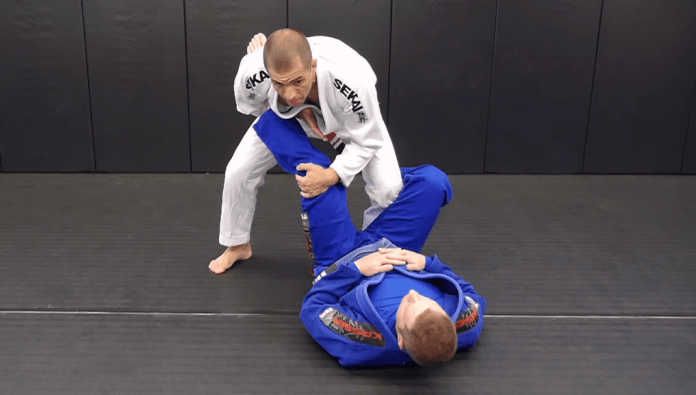
The hip-up from closed guard is still the first armbar most coaches teach, and it’s still the most reliable starter when the opponent posts on your chest. Trap the opposite wrist with a same-side cross grip, kick your hips at a 45-degree angle, and shoot the leg across the face before your bottom shoulder leaves the mat. The detail that finishes more reps in no-gi: pinch your knees together hard before you arch. If the knees flare, the defender’s arm slides through and you collapse into open guard with nothing to show.
Giancarlo Bodoni, the 2022 ADCC heavyweight champion, teaches this entry in one of the cleaner short tutorials on YouTube. Bodoni is one of the few competitors who finishes high-percentage classical armbars at black belt no-gi, and his cue — control the elbow, not the wrist, before you swing — is what separates a finish from a scramble.
Setup 2: Mount Armbar With Wrist Control
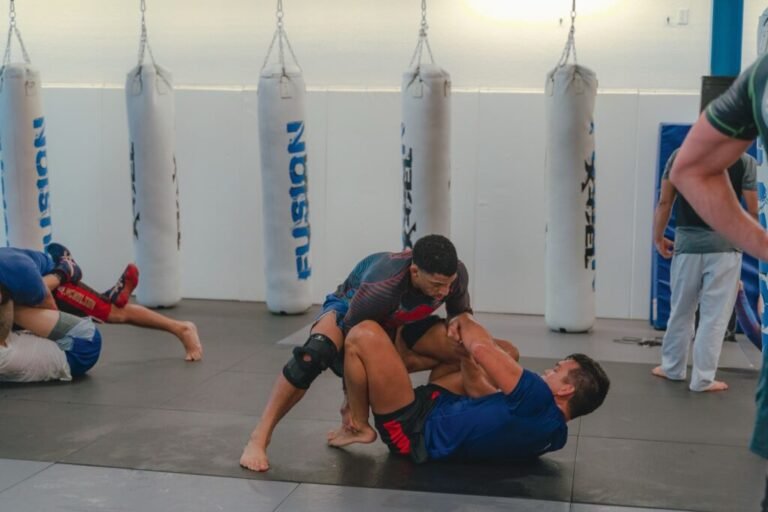
Top mount is the easiest place to hunt an armbar no gi because gravity is already in your corner. The mistake most upper belts make is jumping straight to the spin without first pinning the wrist to the mat. Take a same-side wrist-to-mat ride, drive your sternum into the defender’s chest to glue them in place, and walk your knee to their ear before you swing. The over-the-head leg goes last, not first.
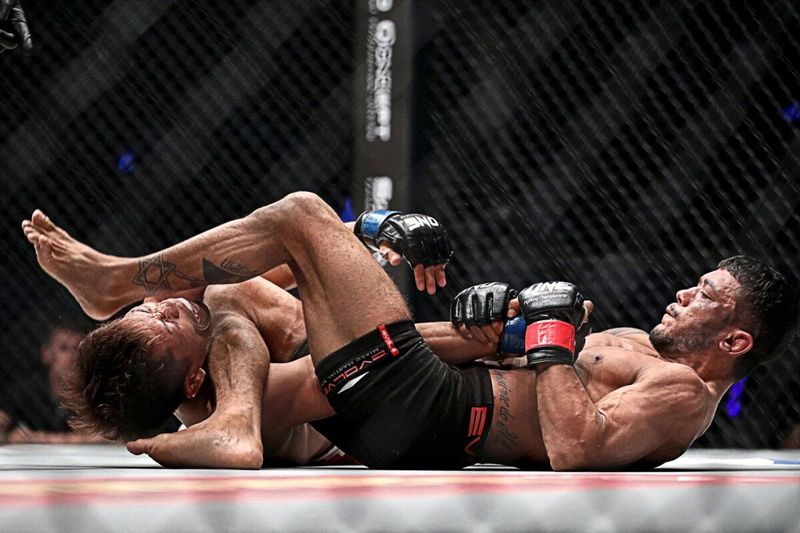
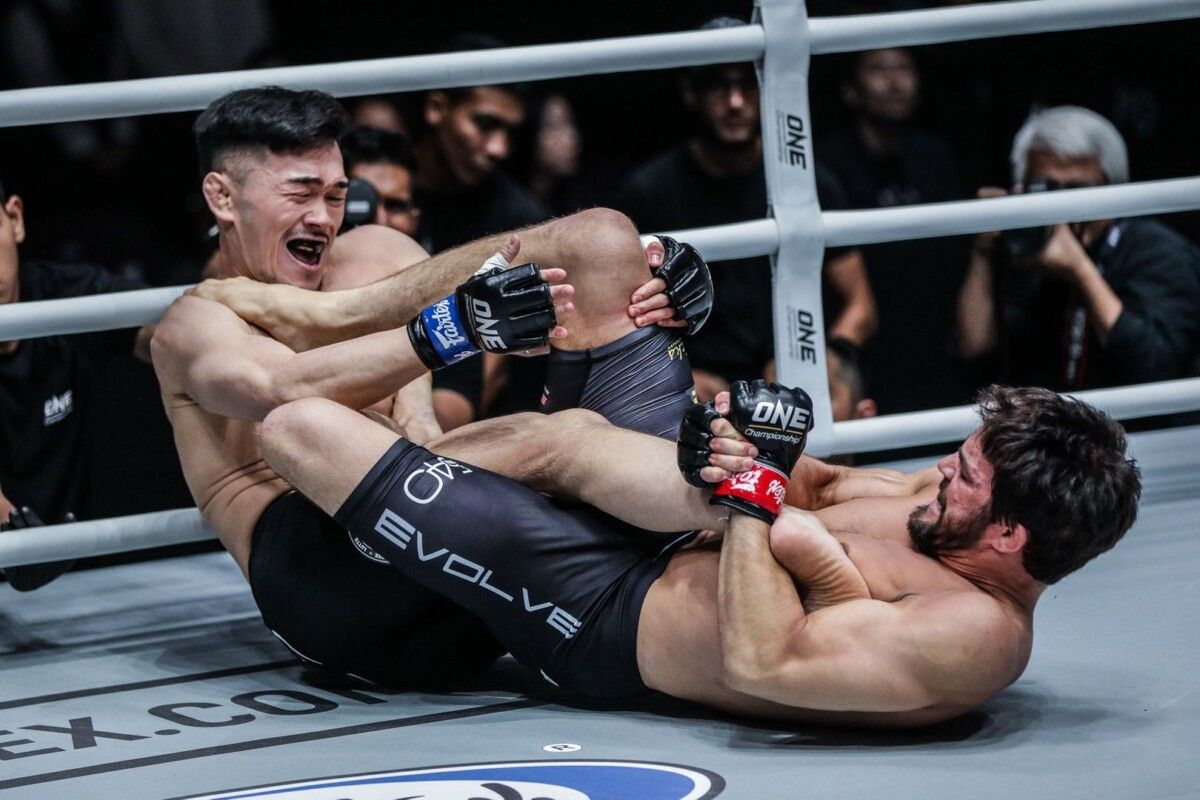
Alex Silva of Evolve MMA has finished more armbars than any other athlete in ONE Championship history — five in his career. His mount entry is identical to the one Roger Gracie used at black belt: post on the head, drive the opposite knee high, fall to the side opposite the trapped arm. The cage version above shows the exact moment Silva locks the elbow against his hip and starts the slow extension. If the defender tries to T-shirt grab their own bicep to defend, it’s already too late.
Setup 3: S-Mount Armbar Against the Stack
If the opponent stacks you when you swing for mount armbar, S-mount is the answer. Swing your top leg back instead of forward, drop your weight onto their face, and use your bottom shin under their head as a post. The S-mount armbar is the highest-percentage finish at the brown and black belt level of IBJJF no-gi competition for a reason — when the stack lane closes, the defender has no room to bridge out.
One detail that gets skipped in most no-gi gyms: after you’ve S-mounted, sit your hip directly on the defender’s shoulder before you fall back. Skipping that step means falling back against air, and a strong opponent simply rolls out the back door. Sit, then fall.
Setup 4: Triangle to Armbar — The Mikey Musumeci Trap
This is the entry that won Mikey Musumeci a $50,000 bonus at ONE Fight Night 13 when he finished Jarred Brooks. The setup chains a triangle attempt and an armbar so that defending one opens the other. Lock a high closed guard. Shoot for the triangle. When the opponent tucks their head and grips your knee to defend, peel the free arm across, switch your top leg over the head, and finish a perpendicular armbar with the triangle leg trapping the body.
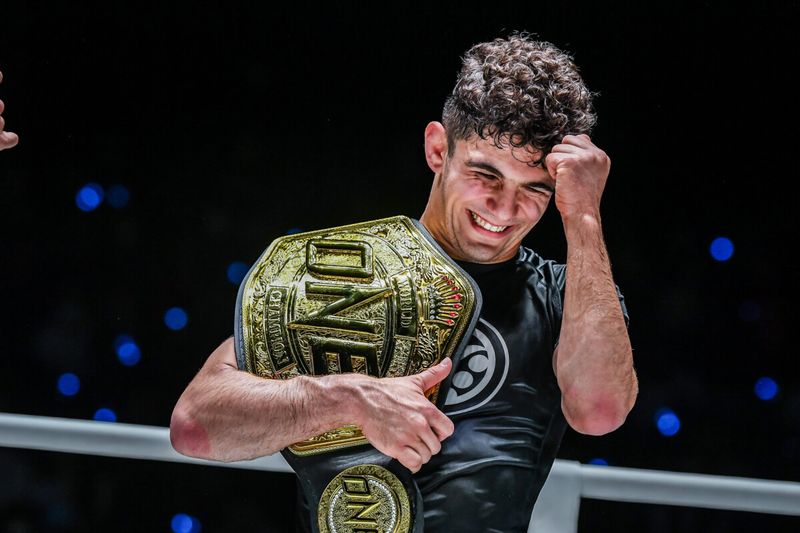
Musumeci finishes this chain on Olympic-level wrestlers because the defender can’t simultaneously stop the choke and the armbar — every defensive grip helps one and hurts the other. The cue: don’t decide which submission you’re hitting until after the opponent commits. Let their reaction pick for you.
Setup 5: Back Take to Armbar When the Choke Stalls
Take the back, threaten the rear naked, watch the defender peel one strap of your seatbelt and turtle their chin. That’s your armbar window. Walk your top leg over the head, slide off the shoulder you’ve already lost, and finish a back-side armbar with the bicep cradled against your thigh. This works in MMA and grappling because the defender’s hands are committed to defending their neck — both wrists are already where you want them.
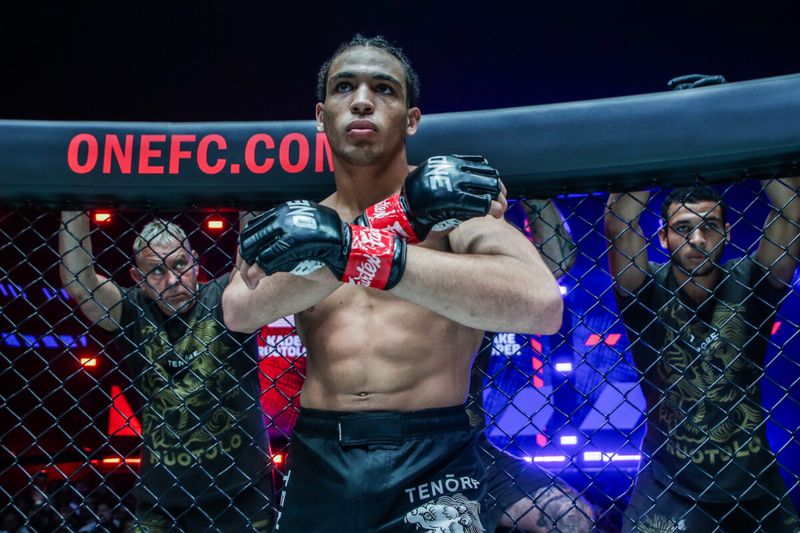
Kade Ruotolo became the youngest ADCC gold medalist in history at 19 by hitting this exact chain twice in his bracket at ADCC 2022. He finished PJ Barch by armbar in the semi-final after starting the attack as a back take. The lesson elite no-gi players are taking from Ruotolo: don’t be married to the choke. The back position generates two finishes and you’re better off taking whichever the defender hands you first.
Setup 6: North-South to Spinning Armbar
North-south is unglamorous and brutal, and the armbar from it has had a quiet renaissance in 2026. The mechanics: from north-south top, control the far wrist with both hands, walk your knees up past the defender’s head until your shin caps their ear, then sit through and pull the elbow toward the ceiling. The arm comes free with almost no warning because the defender’s framing options collapse the moment your hips reach their head.
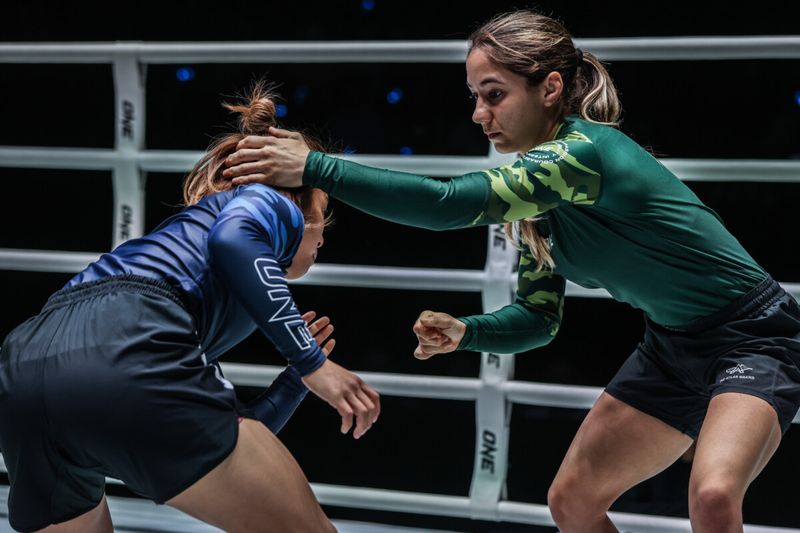
Mayssa Bastos of B-Team has been racking up armbar wins in ONE Championship’s atomweight grappling division by chaining this exact transition. She enters north-south after a sweep, threatens the kimura, and pivots to the spinning armbar when the defender flares the elbow to escape. The kimura grip is the setup, not the finish. That’s a structural reframe most gyms haven’t caught up to yet.
Setup 7: Belly-Down Juji-Gatame Finish
The classical face-up armbar has a problem at black belt no-gi: any decent defender hides the elbow against their own chest, hugs their bicep, or stacks before you can extend. The fix is rolling belly-down. Once you’re perpendicular to the trapped arm, kick your top leg toward the mat, roll over the trapped shoulder, and extend the hand toward the floor instead of the ceiling. The defender’s hidden elbow comes free the instant their thumb rotates downward.
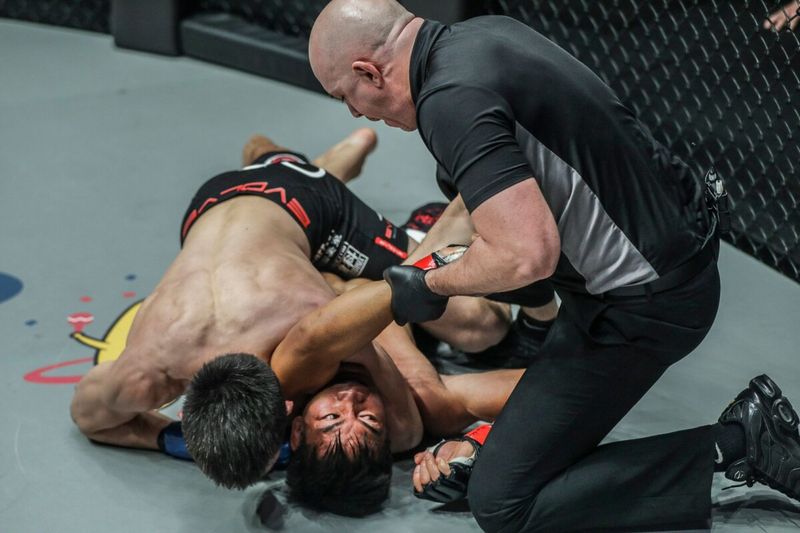
Shinya Aoki has finished more belly-down armbars in MMA than any other competitor — his judo base translates straight into no-gi because the original juji-gatame is a judo technique, and judo is a no-gi grip system once the lapel is gone. The above frame shows Aoki seconds before the referee waves it off. The defender’s elbow is pointing the wrong way and there’s no posture left to defend with.
Common Mistakes That Get the Arm Yanked Out
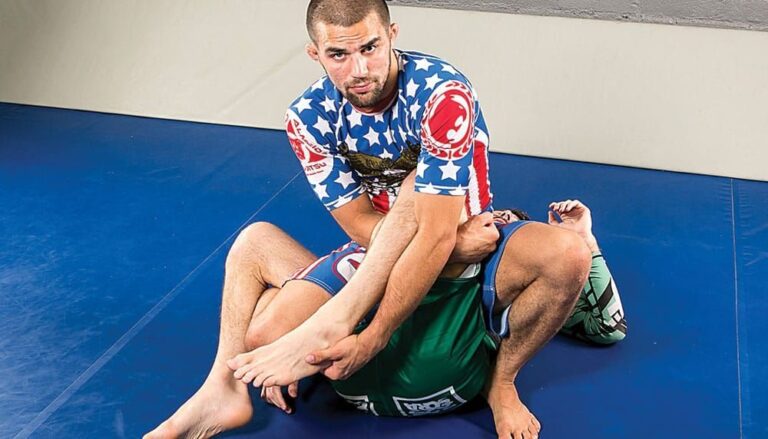
Most failed no-gi armbars die for one of four reasons. The first is raising the hips before the arm is actually trapped — you commit to the extension, the defender pulls their hand back, and you eat a guard pass for free. Second is gripping the wrist instead of cupping the elbow. Sweat makes wrists slide; elbows don’t. Third is over-rotating, which lets the defender hitchhike their thumb and slip the arm through. Fourth is forgetting the knees. If your knees flare even a few inches during the finish, the defender’s arm rolls out sideways and the technique is dead.
One more underrated mistake: hunting the armbar with the wrong leg over the head. The leg that finishes the armbar is the one on the same side as the trapped shoulder. If you swing the wrong leg over, you’re attacking from a 90-degree angle instead of the 110-to-120 the joint actually needs to break. Drill the side switch in isolation before you chain it into live rolling.
The Rashguard Question
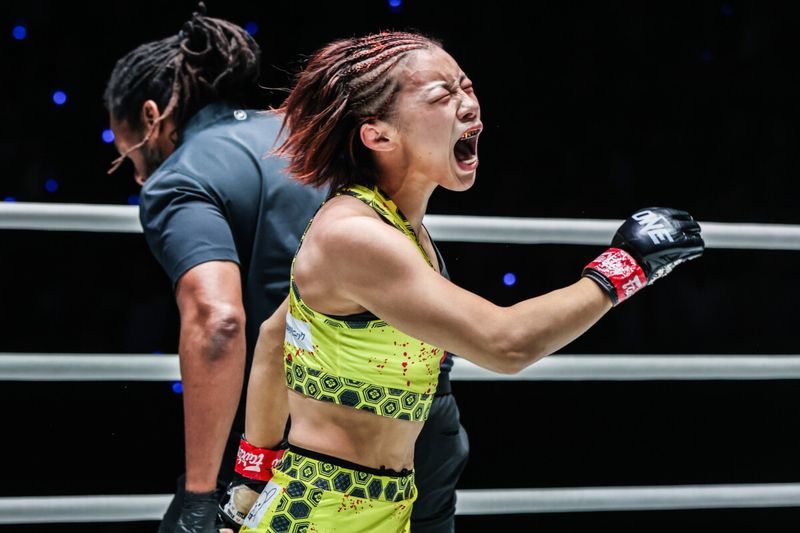
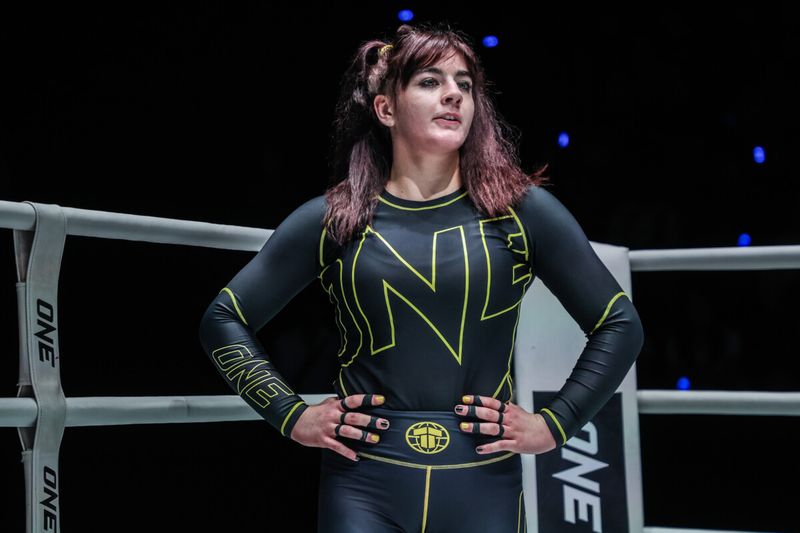
If you’re chasing armbars at no-gi opens, your top matters more than most beginners realize. A loose rashguard rides up during the spin and gives the defender a free fistful of fabric to peel your control off — same problem as the gi, just inverted. A snug compression top with flatlock seams stays put through the entire transition. We covered the practical buying angle in our 2026 best rashguards for BJJ and grappling guide, and the materials breakdown lives in our polyester, spandex, and nylon comparison if you want to nerd out on fabric.
Where to Drill This Next
The armbar is one of three submissions every serious no-gi grappler should be able to hit blindfolded — the others being the rear naked choke and the triangle. Pick two of the seven setups above, drill them for ten focused minutes at the start of every session for two weeks, then build the rest of your A-game around them. Volume on the same entry beats variety every time. Mikey Musumeci has finished his triangle-to-armbar trap maybe ten thousand times in training before he ever hit it on a Brooks-tier wrestler.
If you compete at no-gi tournaments this year, expect to see more chained armbars at brown and black belt than you did a year ago. The Ruotolo brothers have made it cool again, and that means the defender’s IQ is climbing with it. Drill the chain. Drill the recovery if the first attempt fails. The arm is still the second-easiest submission target in the human body — but only if you trap it before you commit your hips.
Sources
- Mikey Musumeci Submits Jarred Brooks With Triangle-Armbar, ONE Fight Night 13 — ONE Championship coverage of Musumeci’s title-retention submission.
- The Most Effective Submissions in ONE Championship History — ONE Championship breakdown including Alex Silva’s armbar record.
- Recapping Mikey Musumeci’s Flawless Run Through ONE Championship — career retrospective covering Musumeci’s no-gi submission portfolio.
- 2024 IBJJF World No-Gi Championship Results — BJJ Heroes data on armbar finish counts at black belt.
- Kade Ruotolo — Career & ADCC 2022 — overview of Ruotolo’s ADCC armbar finishes including the semi-final over PJ Barch.
Browse our top-rated rashguards and no-gi gear at the RashguardGuy shop →