Rashguard Materials Compared: Polyester, Spandex, and Nylon for No-Gi BJJ
Walk into any no-gi BJJ gym and you’ll see a wall of rashguards—long sleeve, short sleeve, ranked, white, full sublimation. They look similar from across the mat. Flip the tag, though, and you’ll find three materials in nearly every blend: polyester, spandex, and nylon. The exact ratio is the difference between a rashguard that lasts two years of hard rolling and one that bags out, pills, and cracks at the seams in three months.
This guide breaks down what each fabric actually does, why blend ratios matter more than brand names, and how to read a tag before you spend $50–$80 on something you’ll wash twice a week.
Why Fabric Choice Matters More in No-Gi
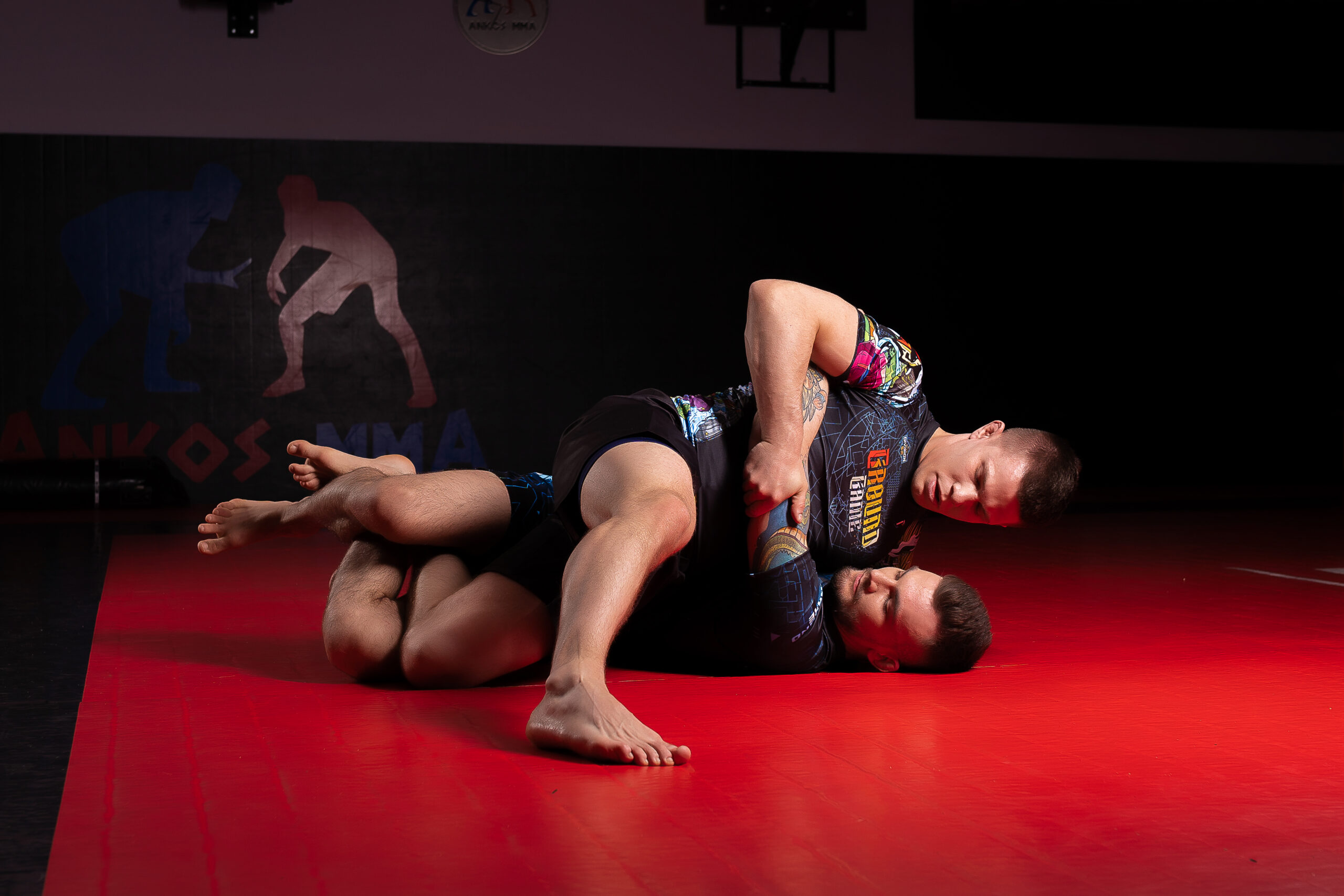
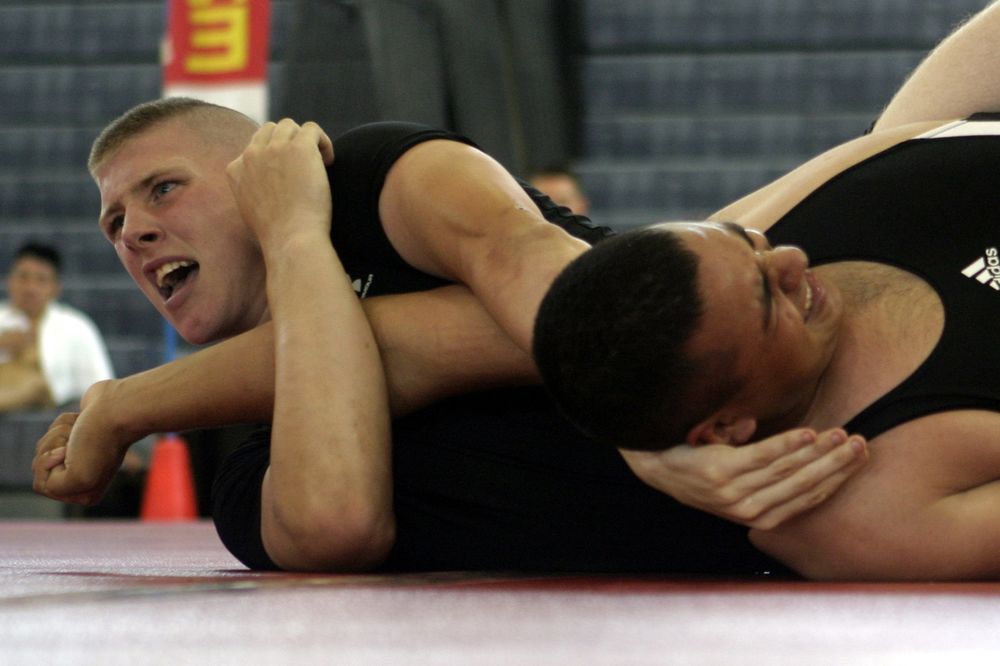
In gi grappling, your kimono takes the abuse. In no-gi, your rashguard is the primary contact surface—against partners’ skin, against the mat, against your own sweat for an hour straight. A rashguard has to do four things at once: stretch with explosive movement, recover its shape after each scramble, wick sweat away from the skin, and resist abrasion from collar ties, pummels, and mat burn.
No single fiber does all four well. That’s why every quality rashguard is a blend. Understanding what each material contributes lets you pick a garment that matches how and where you train.
Polyester: The Durability Backbone
Polyester is a synthetic fiber spun from petroleum-based polymers. It’s the dominant material in roughly 80–90% of all rashguards on the market and usually makes up 80–88% of any given blend. There’s a reason it’s everywhere.
What Polyester Does Well
- Abrasion resistance: Polyester fibers don’t snap easily under friction. Mat burn that would shred cotton barely scuffs polyester.
- Color retention: Sublimation printing chemically bonds dye into polyester fibers. The print won’t crack, peel, or fade through hundreds of washes.
- Hydrophobic: Polyester doesn’t absorb water. Sweat stays on the fiber surface and evaporates instead of soaking in, which is why polyester rashguards feel dry after a tough round.
- Cost: It’s cheap to produce, which keeps decent rashguards in the $40–$60 range instead of $90+.
Where Polyester Falls Short
Pure polyester has no real stretch. A 100% polyester shirt would feel like a stiff jersey on the mat—you’d hear it tear at the armpit on your first sit-up sweep. Polyester also retains odors. Bacteria cling to the hydrophobic surface, which is why old rashguards develop a permanent funk that no detergent fully removes. Synthetic-specific sport detergents help, but they don’t eliminate the issue entirely.
Spandex (Elastane/Lycra): The Stretch Engine
Spandex is the trade name in North America. In Europe it’s called elastane. Lycra is a branded version owned by Invista. They’re chemically the same thing—a polyurethane-polyurea copolymer that can stretch to roughly five times its resting length and snap back without permanent deformation.
You’ll see spandex listed at 12–20% in most rashguard blends. That percentage is doing more work than it looks.
What Spandex Does Well
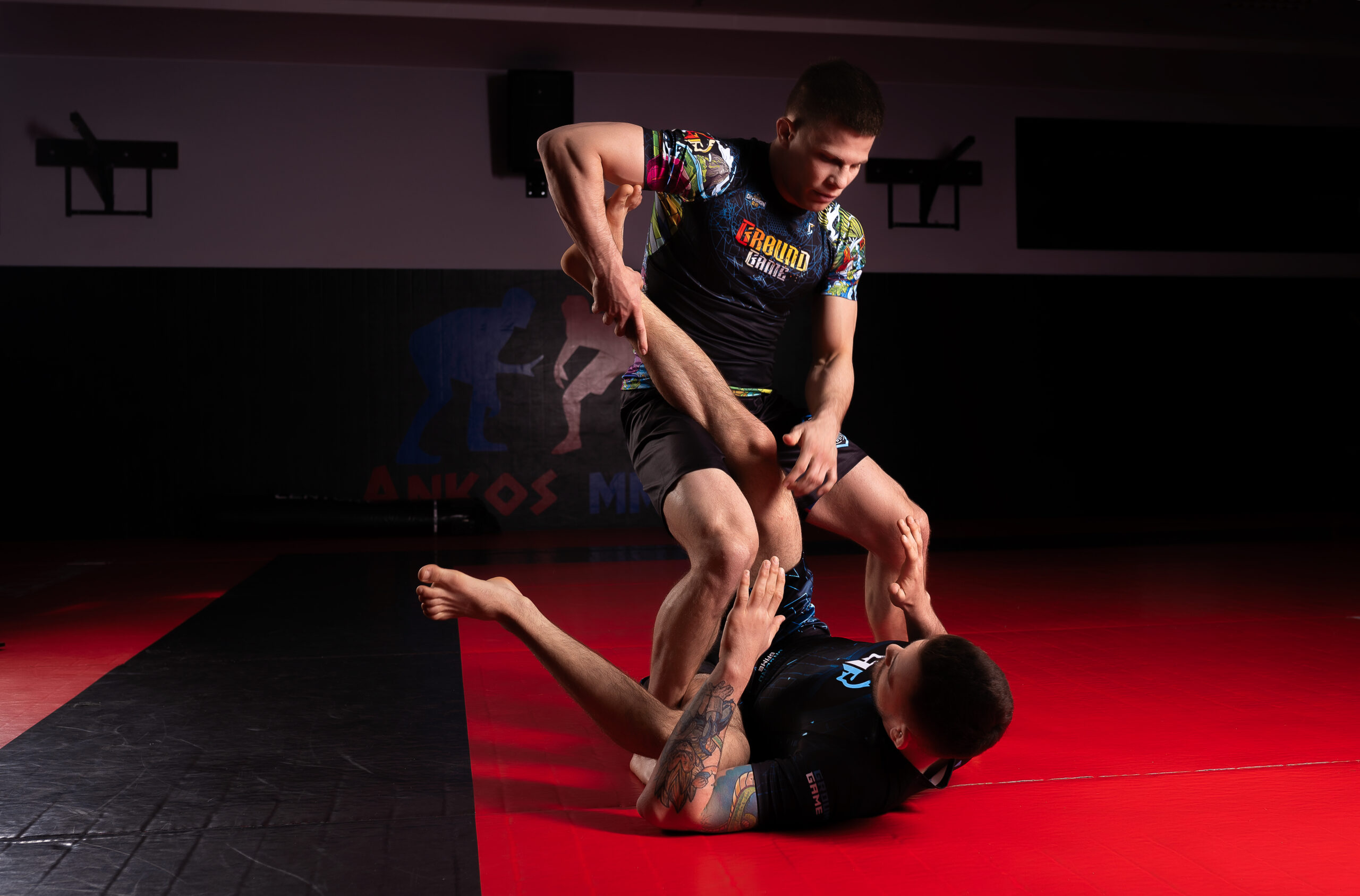
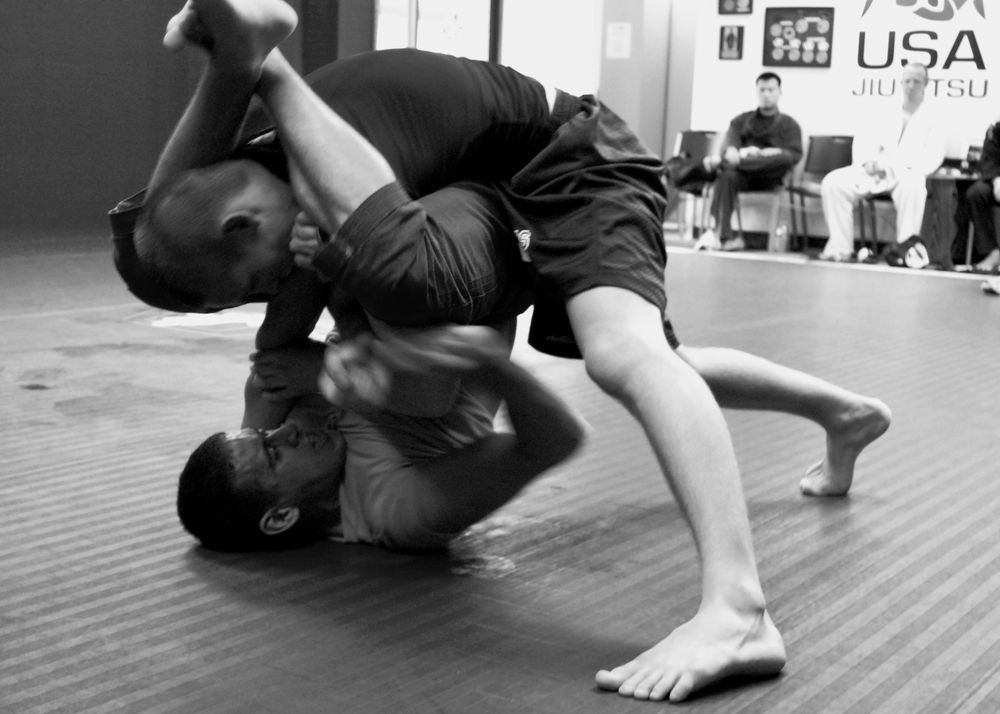
- Four-way stretch: Spandex moves both vertically and horizontally, which is why a 12% spandex rashguard can survive a deep underhook scramble without tearing.
- Shape recovery: Pure polyester stretches and stays stretched. Spandex pulls the fabric back to its starting shape, which is why a quality rashguard fits the same after 50 washes as it did out of the bag.
- Compression fit: The snug feel that makes a rashguard hard for an opponent to grip and pull comes almost entirely from the spandex content. More spandex equals more compression, up to a point.
Where Spandex Falls Short
Spandex degrades. Heat, chlorine, and harsh detergents break down the elastomeric chains. A rashguard tossed in a hot dryer loses elasticity fast—the spandex fibers literally shorten and stop bouncing back. That’s why every legitimate manufacturer prints “hang dry” on the tag, and why a rashguard that fit perfectly in week one feels loose after six months of careless laundry.
Spandex is also expensive per gram. Pushing past 20% in a blend rapidly raises the manufacturing cost, which is why you rarely see consumer rashguards north of that ratio.
Nylon: The Premium Alternative
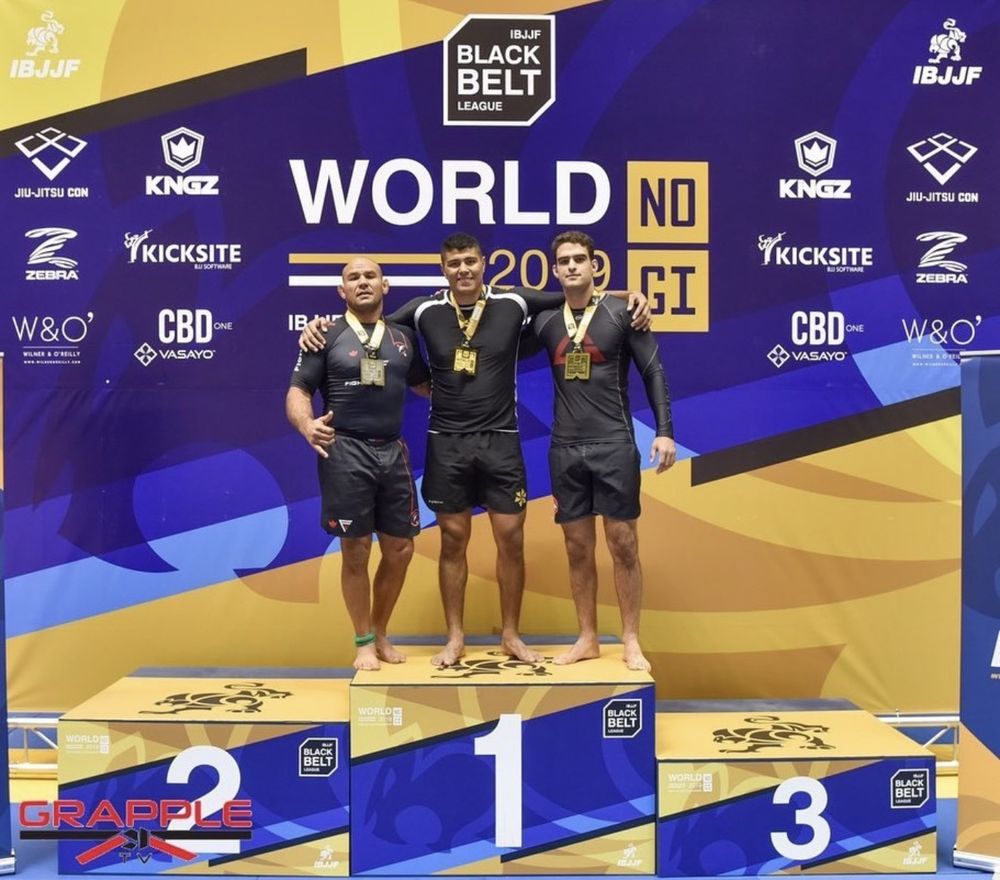
Nylon (technically polyamide) is the underdog material in BJJ apparel. You’ll mostly see it in higher-end rashguards from brands like Hyperfly, Shoyoroll, and a handful of Japanese makers. It’s not a polyester replacement—it’s a different kind of fiber with different tradeoffs.
What Nylon Does Well
- Tensile strength: Nylon is roughly 1.5x stronger than polyester at the same weight. It tears less under sustained pulling, which matters when a training partner cranks a collar tie or wrist control.
- Soft hand feel: Nylon weaves smoother and feels silkier against the skin. Many grapplers find a nylon-blend rashguard noticeably more comfortable for long open-mat sessions.
- Better moisture handling at high effort: Nylon wicks slower than polyester but releases moisture more evenly. In humid climates—Florida, Brazil, Southeast Asia—a nylon-spandex blend can feel less clammy than the polyester equivalent.
Where Nylon Falls Short
Nylon absorbs more water than polyester. A nylon-blend rashguard soaks heavier in a long round and takes longer to dry on the line. Nylon also doesn’t accept sublimation prints as cleanly—the colors come out slightly muted, which is why most heavily-printed competition rashguards are still polyester. And nylon costs more, so the price tag on a 70% nylon rashguard usually starts around $70 and climbs from there.
Blend Ratios That Actually Work
Read enough rashguard tags and a few patterns emerge. These are the blends that hold up under hard no-gi training:
- 85% Polyester / 15% Spandex: The industry standard. Durable, affordable, holds its print. The default for most reputable brands.
- 80% Polyester / 20% Spandex: Tighter compression, more stretch. Slightly less durable over the long haul because there’s less polyester carrying the structural load.
- 70% Nylon / 30% Spandex: Premium feel, exceptional stretch and recovery. Usually paired with smaller, simpler graphics. Better for daily training than gaudy competition designs.
- 88% Polyester / 12% Spandex: Higher abrasion resistance, slightly looser feel. Common in long-sleeve training rashguards built to last 18+ months.
Avoid anything with cotton in the blend. Cotton soaks up water, holds bacteria, and goes from comfortable to clammy in two minutes of rolling.
Construction: Why Two Identical Blends Wear Differently
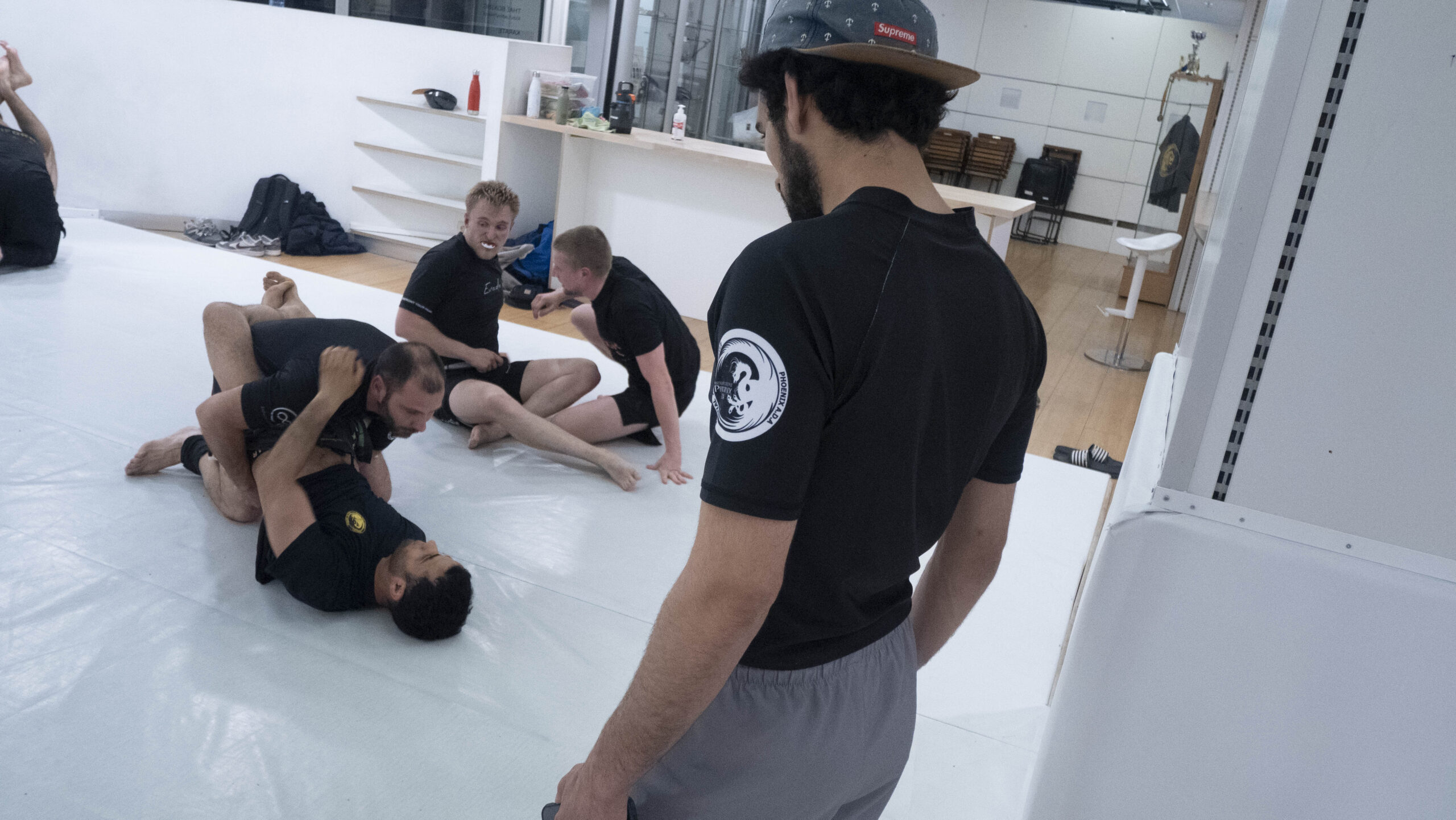
Material is half the story. Construction is the other half. Two rashguards with identical 85/15 blends can wear out at very different rates depending on how they’re stitched and printed.
Flatlock vs Overlock Stitching
Flatlock seams sit flush with the fabric—no raised ridge to chafe under the arms during a long round. Overlock seams are faster to produce but create a small inner ridge that can rub against bare skin. Every quality no-gi rashguard uses flatlock stitching at the shoulders, sides, and underarms. If you can feel a hard ridge running down the inside of the sleeve, that’s overlock—and it’ll cause friction burns over a 10-minute round.
Sublimation vs Screen Print
Sublimation dyes the polyester fibers themselves. The print becomes part of the fabric and can’t crack, peel, or fade. Screen prints sit on top of the fabric as a layer of plastisol ink. They look good in week one and start cracking by month three. Anything advertised as all-over print is sublimated; if a rashguard has a small chest logo with a slightly raised, rubbery feel, that’s screen print and it will degrade.
Picking the Right Blend for How You Train
Daily Training (4–6 Sessions a Week)
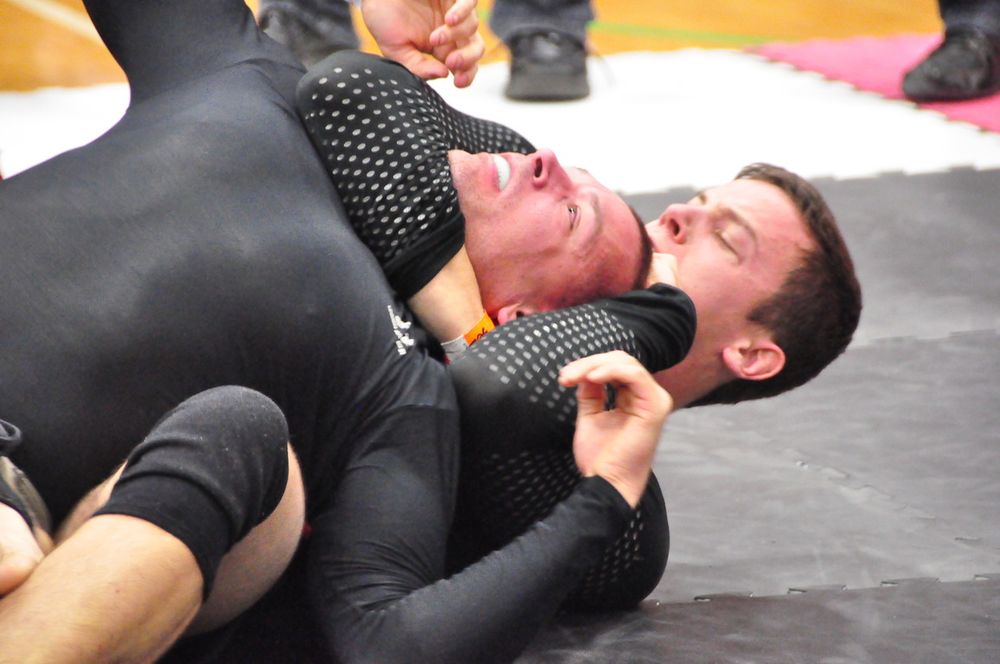
Default to 85/15 polyester-spandex. Buy three to four rashguards in this blend and rotate them. They’re cheap enough to replace once a year and tough enough that you probably won’t have to.
Competition
IBJJF rashguard rules require a rank-color band on the sleeve and don’t allow seams that can be gripped. An 80/20 polyester-spandex with sublimated rank stripes and flatlock construction checks every box. Don’t bring your most beat-up daily trainer to a competition—the spandex will be tired and you’ll feel the fit difference under stress.
Hot, Humid Climates
If you train in Florida, Texas, Brazil, the Philippines, Thailand, or anywhere else where 90°F and 80% humidity is normal, consider a nylon-spandex blend for at least one rashguard. The smoother feel under sweat-soaked conditions is noticeable. For dry-climate gyms—most of Europe, the Mountain West, northern Asia—polyester is the better default.
Care: Protecting Whatever You Bought
The fastest way to ruin any rashguard, regardless of fabric, is the dryer. Heat destroys spandex. Wash cold or warm, then hang dry. A rashguard hung overnight is dry by morning in nearly every climate.
- Wash inside-out: Protects the print and reduces friction on the outer fibers.
- Skip the fabric softener: It coats synthetic fibers and ruins moisture-wicking.
- Use a sport-specific detergent: Hex, Defunkify, or Tide Sport break down the body oils that ordinary detergent leaves behind. This is the actual fix for the funk problem.
- Wash within a few hours of training: Wet rashguards left in a gym bag overnight grow bacteria fast. Even rinsing in cold water before hanging helps.
The Bottom Line
For most no-gi grapplers, an 85/15 polyester-spandex blend with flatlock seams and full sublimation prints is the right answer. It’s durable, affordable, and dries fast. Step up to a 70/30 nylon-spandex blend if you want a more premium feel, train in heat and humidity, or just prefer a softer hand against the skin. Pure polyester is too stiff. Pure spandex doesn’t exist as a rashguard fabric. And anything with cotton in the blend belongs in the donation pile.
The rashguard you grab off the rack will feel almost identical to the one next to it. Read the tag. The numbers tell you which one will still fit right a year from now.
Sources
- IBJJF Official Rules — Uniform & Rashguard Requirements
- Textile Exchange — Preferred Fiber and Materials Reports
- FloGrappling — No-Gi Competition Coverage
- AATCC — Textile Performance Testing Standards
Browse our top-rated rashguards and no-gi gear at the RashguardGuy shop →