How to Clean Wrestling Ear Guards: A No-Gi Hygiene Routine That Stops Skin Infections
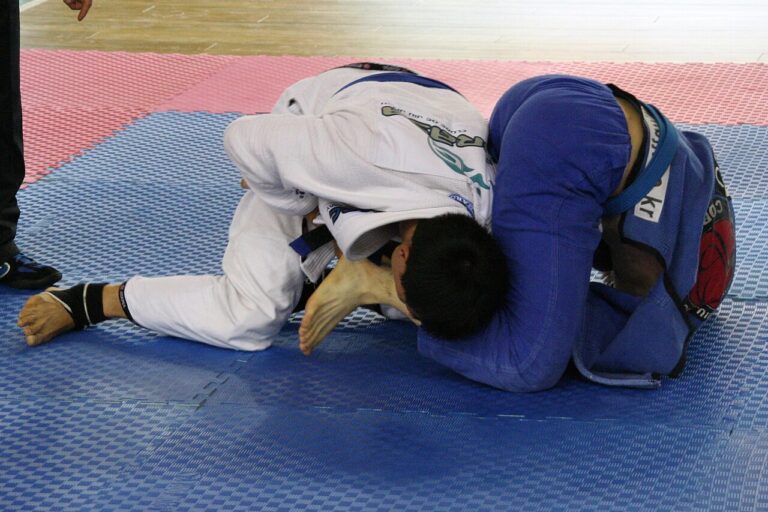
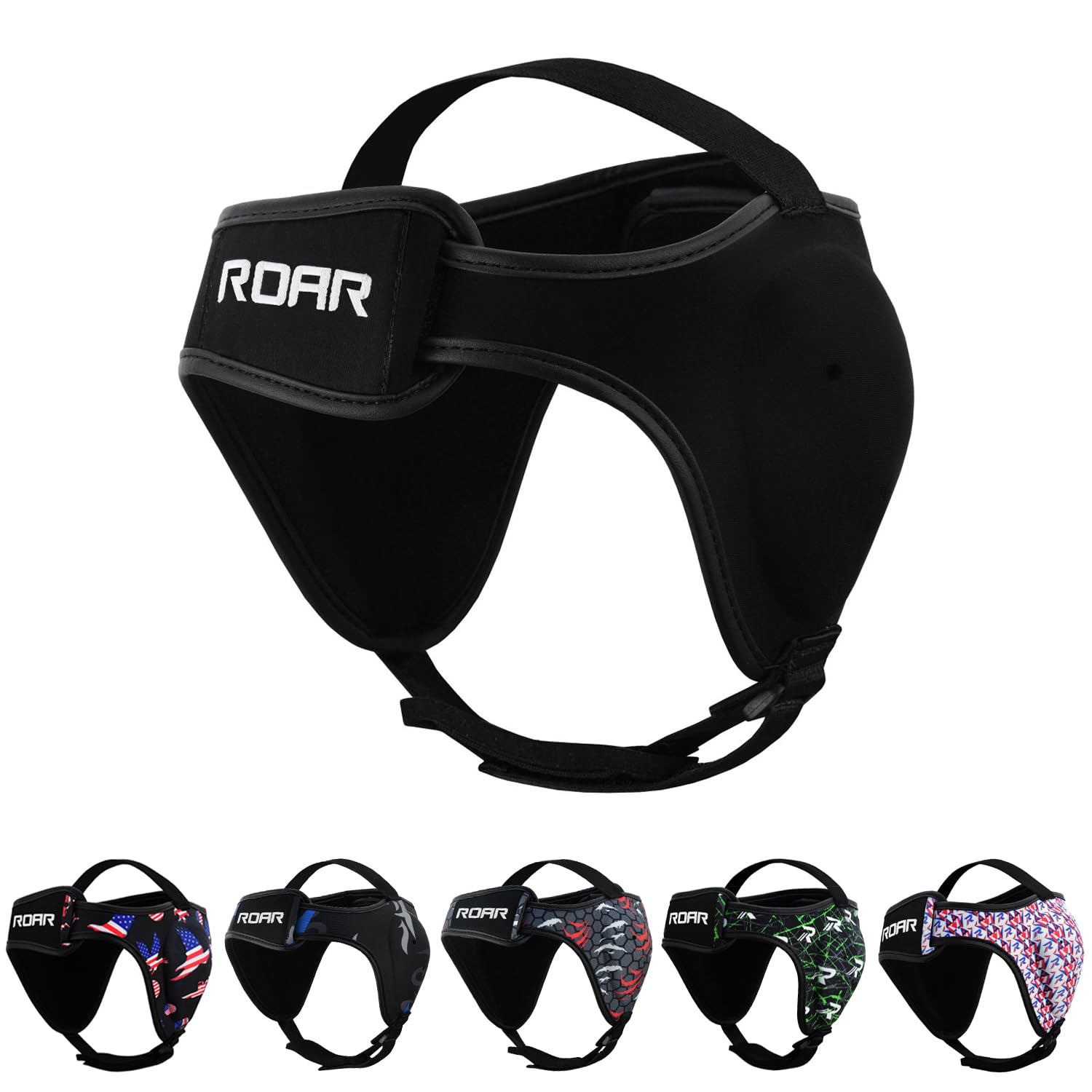
Most no-gi grapplers treat wrestling headgear like a hat. Buy it once, throw it in the gym bag, sweat in it for a year, and never wash the foam. That works exactly until the day a teammate catches ringworm off the shared loaner pair, or until your own ear canal starts itching after every roll. The Velcro, foam, and plastic shell on a Cliff Keen Tornado or Asics Snap Down hold sweat against skin for ninety minutes at a time, and the bacteria that thrive in BJJ academies — staph, MRSA, tinea — happily colonize that microclimate. The problem is that the same shortcuts you use on a rashguard, like a hot wash or a bleach soak, destroy the foam padding inside ear guards. This piece is a hygiene routine that actually works on wrestling headgear without dissolving the protection underneath.
Why Ear Guard Hygiene Is Harder Than Rashguard Hygiene
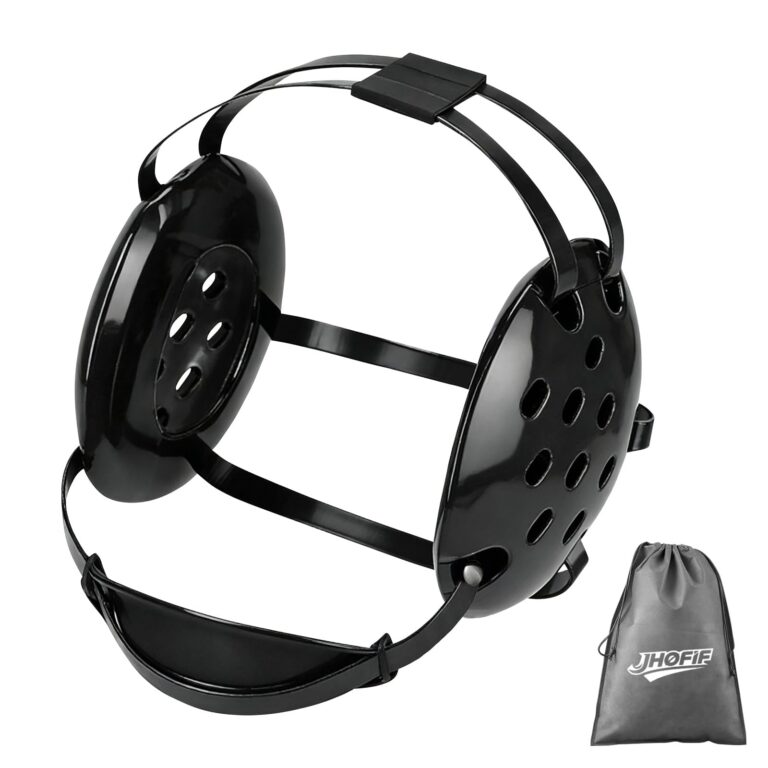
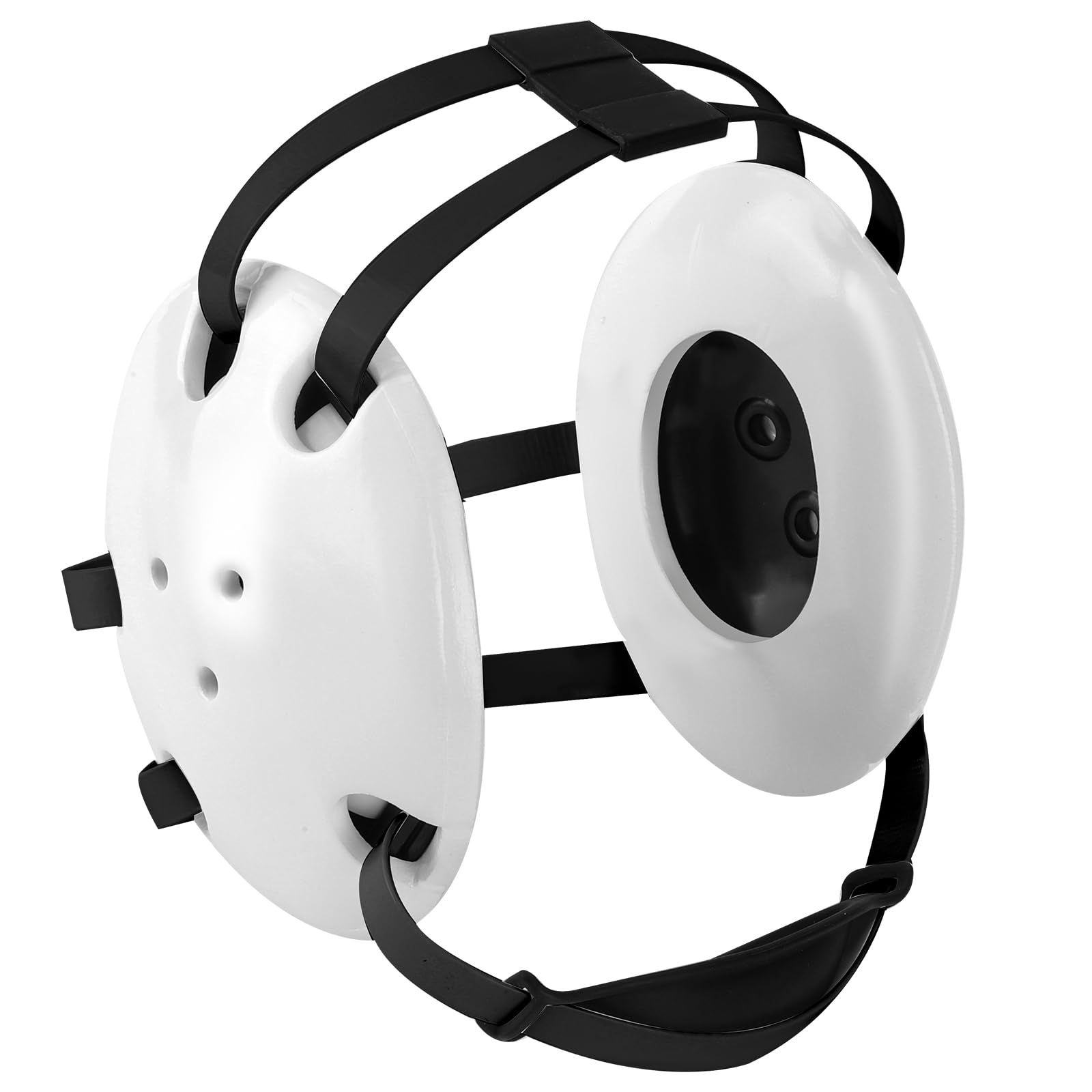
A rashguard is one material, machine washable, and you can practically boil it if you are paranoid. Wrestling headgear is a layered sandwich: rigid plastic cups, closed-cell foam padding, elastic straps, plastic buckles, and Velcro chin pads. Each layer has its own cleaning tolerance. Closed-cell foam shrugs off water but breaks down in hot temperatures and strong solvents. Velcro loses grip when it accumulates lint and dead skin. Elastic straps stretch and snap if you put them through a dryer. So the cheap rinse-and-forget routine that works on a rashguard turns a ninety-dollar headgear into landfill in six months.
The other half of the problem is location. Ear guards sit on your auditory canal — a warm, moist, partially closed environment that is already prone to otitis externa in athletes who do not dry their ears properly. Damp padding pressed against that area for forty-five minutes of scrambles is exactly the setup that ear-infection pamphlets warn about. So the routine has to actually dry the foam, not just rinse it. And it has to do that without softening the cup that is the reason you bought the gear in the first place.
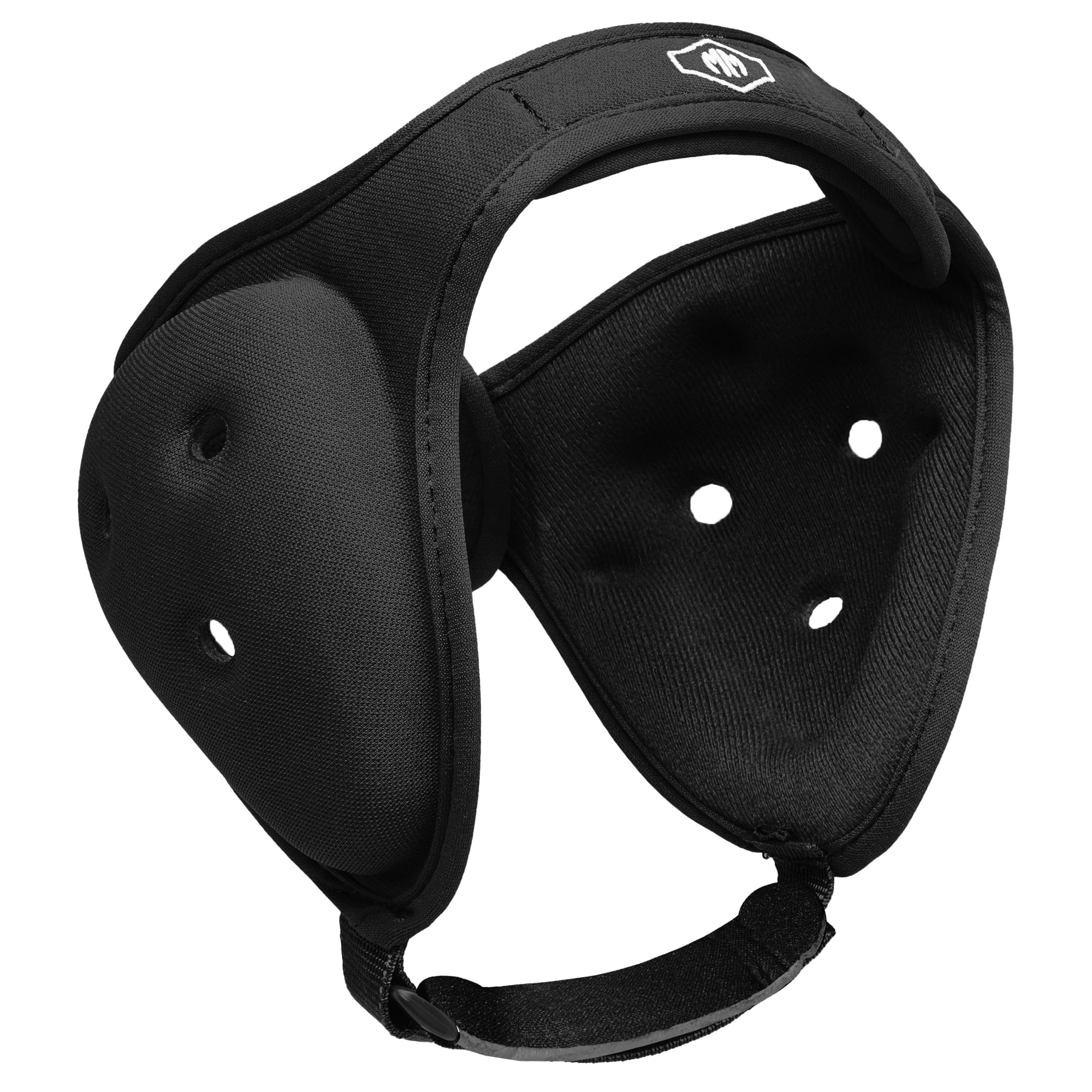
What Actually Grows Inside Used Headgear
Three categories of pathogens show up repeatedly in academy outbreak reports and the wrestling-medicine literature: skin bacteria, fungal infections, and ear-specific yeasts. Knowing which is which decides which cleaner you reach for.
Staphylococcus aureus and MRSA
Staph lives on healthy skin and turns aggressive when it finds a cut or abrasion — which a chin strap or a fingernail across the ear delivers regularly during scrambles. MRSA, the antibiotic-resistant variant, is the one academy owners actually fear. Both die quickly with simple soap and friction. They do not need bleach. They do need contact time — a wipe takes seconds; killing a colony takes about a minute of scrubbing.
Ringworm (Tinea Corporis)
Ringworm is a fungus, not a worm, and it spreads on contact with infected skin or any damp surface that has touched infected skin. Wrestling headgear is one of the most-shared-not-shared items in any gym — a teammate grabs your pair when they forget theirs, and you both leave with it the same week. Ringworm survives in damp foam for weeks. It hates being dry. Drying is more important than scrubbing here.
Yeast and Swimmer’s Ear (Otitis Externa)
The ear canal under a pad gets warm and humid for the entire session. That is the textbook condition for Pseudomonas and yeast overgrowth — what swimmers call swimmer’s ear. Athletes who finish training, peel off the gear, and let damp foam sit against the cartilage during the cool-down are inviting this. Wipe the inside of the cup before you ever set the gear down on the mat.
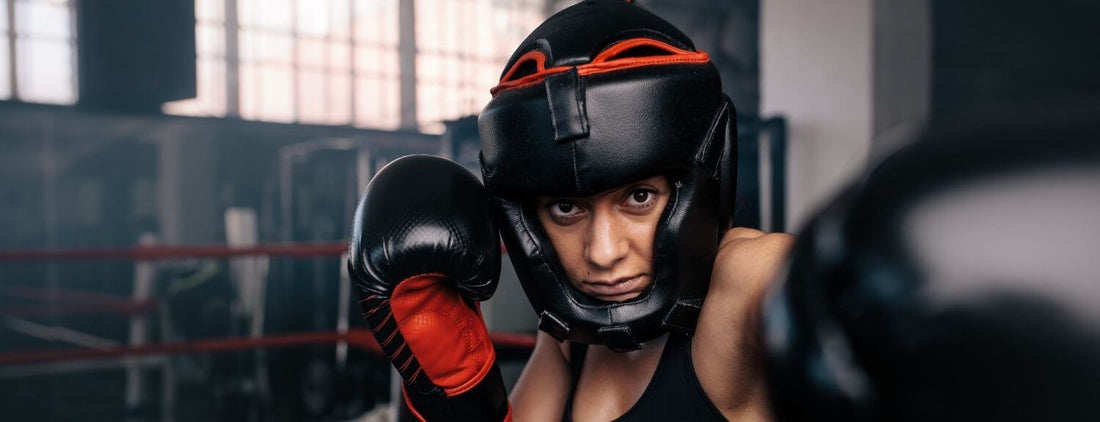
The Daily Routine: After Every Session
Two minutes. That is the actual time budget for keeping ear guards usable across a full year of training.
Take the headgear off in the locker room, not in the car. Use an unscented antibacterial wipe — the kind kept in a small canister, similar to baby wipes but rated for skin contact and EPA-listed against staph. Wipe the inside of both cups first, then the chin strap, then the outside of the shell. Pay particular attention to the padding ring that contacts your ear cartilage; that is the staph zone, and it is the part everyone skips.
Loosen every strap to its maximum length so they air out flat. Hook the headgear over a mesh bag handle or a carabiner clipped to the outside of your gym bag — never bury wet headgear inside a closed bag with damp rashguards piled on top of it. By the time you get home, the foam should be dry to the touch.
What Wipes Actually Work
Wrestlers favor wipes that contain benzalkonium chloride or quaternary ammonium compounds — the same chemistry that medical clinics use for mat surfaces. Avoid alcohol-only wipes; alcohol evaporates fast but does not have the contact time to kill ringworm, and repeated alcohol exposure dries foam to the point of cracking. If your gym sells branded mat wipes at the front desk, those are usually a safe choice.
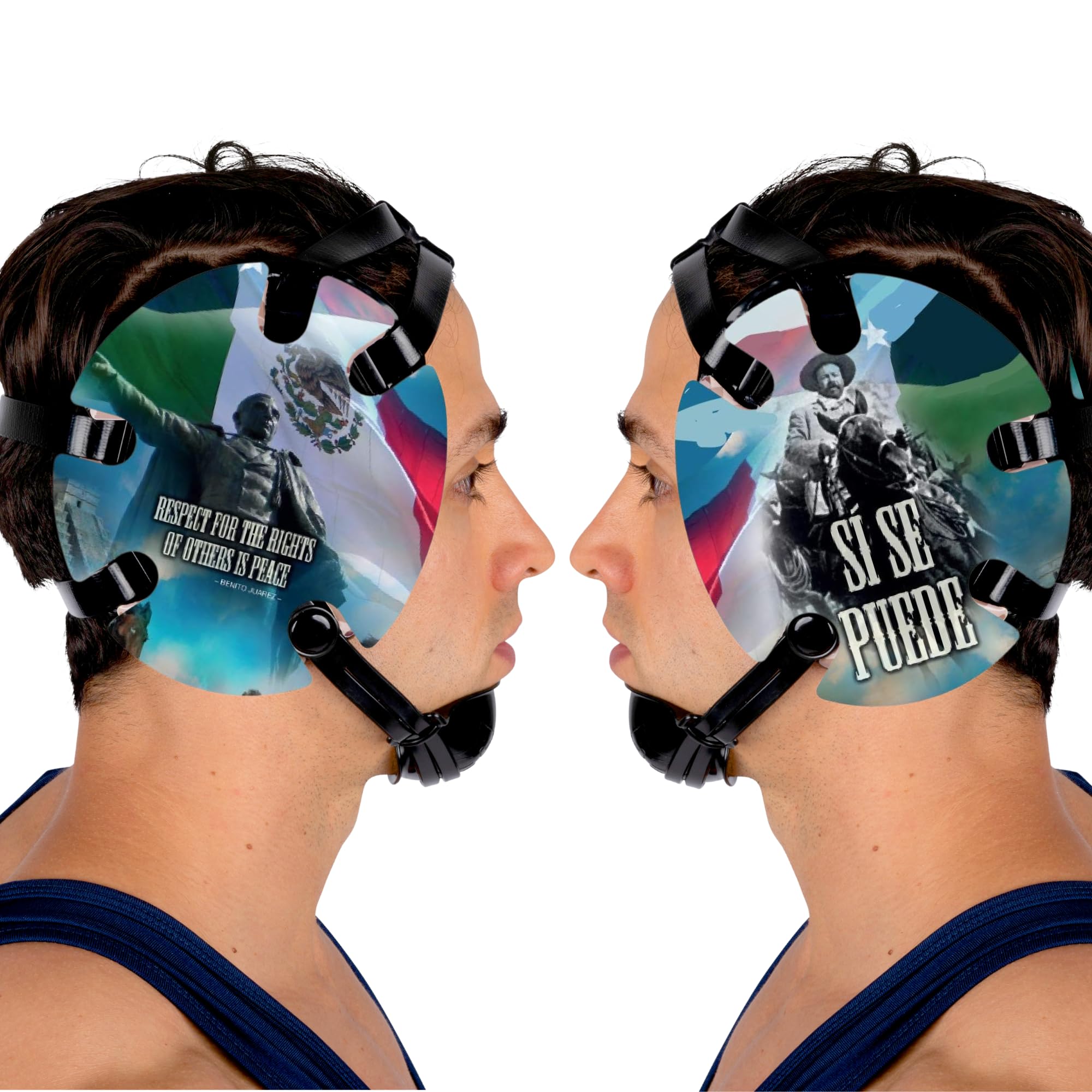
The Weekly Deep Clean
Once a week, take the gear apart. Most quality headgear — Cliff Keen Tornado, Asics Snap Down, Brute — has snap-out ear cups and detachable chin straps. Snap the cups out. Pull the chin pads off. You should end up with five or six pieces sitting on the counter.
Run a sink full of lukewarm water — body temperature, not hot. Add a pea-sized drop of fragrance-free dish soap or a sport-specific gear wash. Submerge each piece, work the soap into the foam for thirty seconds, then rinse under running cold water until you cannot smell soap. Do not twist or wring the foam — squeeze it gently between flat palms to push water out. Lay every piece on a clean towel in a single layer and roll the towel up to absorb surface moisture, then unroll and let air-dry overnight on a wire rack or hung from clips on a hanger.
If you suspect ringworm exposure — a teammate just announced they tested positive — add a vinegar soak. White distilled vinegar diluted one part to four parts cold water for ten minutes kills tinea spores without harming foam. Rinse afterward and dry as above. Reassemble the gear only when every piece is bone dry; trapping moisture between layers is how the next outbreak starts.

The Habits That Wreck Ear Guards
Hot Water Above 40°C
Closed-cell foam softens and compresses permanently above forty degrees. The padding ring on the inside of the cup loses its rebound, the gear stops sealing against the ear cartilage, and the whole point of wearing it disappears. Lukewarm only. If you can hold your hand in it comfortably for thirty seconds, it is safe.
Bleach on Foam
Sodium hypochlorite kills everything but it also degrades the polymer chains in EVA and polyethylene foams. A single bleach soak can turn ear pads brittle. Save bleach for the hard plastic shell only if you are truly worried about MRSA exposure, and rinse it off in under a minute.
The Washing Machine
The agitation pulls Velcro apart, stretches elastic past its memory point, and dings the plastic shell against the drum. Even on a delicate cycle in a mesh bag, the dryer step ruins straps in two cycles. Hand-wash only. The two minutes you save by tossing it in the wash cost you the gear.
Storage Between Sessions
Ear guards should not live inside a closed gym bag. The single biggest hygiene upgrade most grapplers can make is buying a small mesh bag — a citrus laundry bag from any supermarket works — and clipping it to the outside of the main gym bag with a carabiner. Headgear, mouthguard case, and finger tape go inside the mesh bag. They air out continuously between sessions, and you never accidentally pile a sweat-soaked rashguard on top of damp foam.
For the off-day storage — the night between sessions — leave the gear out on a shelf or hung from a hook in a ventilated room. Bathrooms are the worst spot; they are humid. A closet shelf in a bedroom or a hook in the entryway is fine.
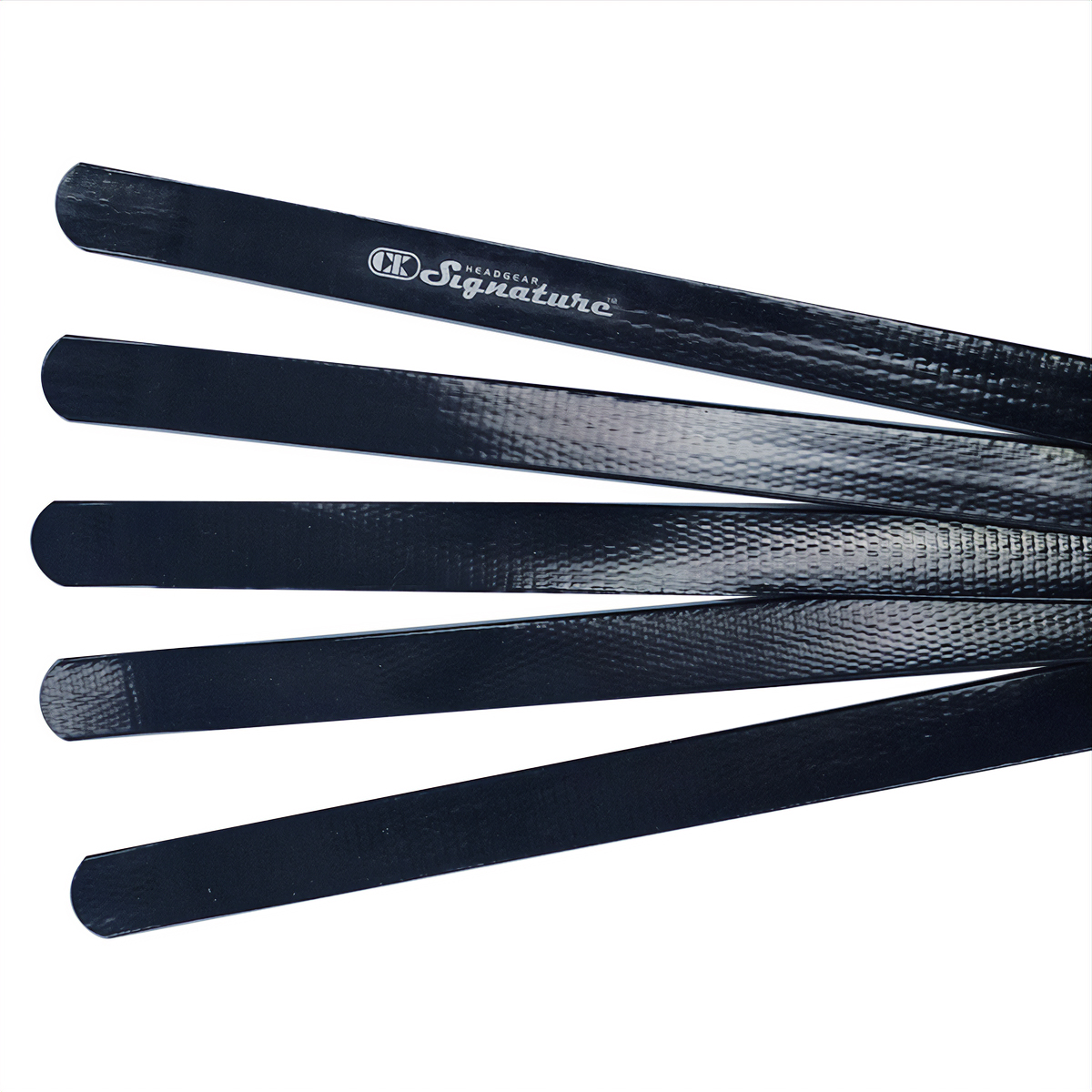
When to Replace Headgear
Even with perfect hygiene, ear guards have a service life. The padding compresses over time, the straps lose elasticity, and the Velcro stops gripping. Signs it is time to retire a pair:
- The foam ring around the ear cup feels firm and unresponsive when pressed with a thumb.
- The chin strap no longer holds tension — the gear slides during scrambles.
- Velcro grabs in patches instead of along the full strap.
- A persistent odor survives a full deep clean and overnight dry.
- Visible foam discoloration that does not rinse out, especially in the contact ring.
For a grappler training four to six times a week, that is roughly twelve to eighteen months. Heavy-volume competitors closer to nine months. Headgear is a consumable, not an heirloom, and the day it stops sealing is the day cauliflower ear starts winning the race again.
The Bottom Line
Wrestling headgear protects cartilage, but the same closed environment that prevents cauliflower ear creates the ideal conditions for skin and ear infections. The hygiene routine is not complicated — wipe after every session, hand-wash weekly, dry thoroughly, replace when the foam dies. The grapplers who treat ear guards like a hat get itchy ears, persistent odor, and an annual ringworm scare. The ones who treat them like a piece of medical equipment train infection-free for years on the same pair.
Sources
- Centers for Disease Control and Prevention — guidance on MRSA and skin infections in athletes
- Wikipedia — Cauliflower Ear (Auricular Hematoma)
- Wikipedia — Tinea Corporis (Ringworm)
- Wikipedia — Otitis Externa (Swimmer’s Ear)
- Amazon — wrestling headgear for no-gi BJJ
Browse our top-rated rashguards and no-gi gear at the RashguardGuy shop →