Arm Drag No-Gi: 7 Details for Cleaner Back Takes
The arm drag no-gi game still matters because it creates one of the cleanest routes to the back without forcing a big athletic shot. When the timing is right, a good arm drag turns a small wrist-and-triceps pull into a back take, a single leg, or a front headlock chain before your opponent resets.
That is why the move keeps showing up in wrestling-heavy no-gi rooms and in the systems built by athletes like Marcelo Garcia, Giancarlo Bodoni, and plenty of modern grapplers who want efficient entries instead of messy hand-fighting wars. If you already like standing exchanges but feel your drags stall halfway through, the problem is usually not the move. It is the detail work around angle, head position, and what you do right after the pull.
Arm drag no-gi basics: what makes the move work
An arm drag works when you move your opponent’s arm across their center line and step your body to the outside at the same time. A lot of grapplers understand the hand motion but forget the footwork, so they pull the arm and stay directly in front. That just creates a stronger collar tie battle for the other person.
In no-gi, you do not have cloth to freeze the exchange. That means the entry has to be connected to motion, not just a static reach. Usually that starts with one of three triggers: a wrist tie, a failed collar tie exchange, or an opponent who lets their elbow drift away from the rib cage while posting on your shoulder or head.
Use the drag as a transition tool, not a pose. The second you feel the arm travel, your feet, head, and hips need to travel too.
- Pull the wrist or forearm across, not straight down.
- Step outside the lead foot so you clear the center line.
- Keep your forehead tight to the near-side shoulder or upper back.
- Connect your chest before you chase the rear body lock.
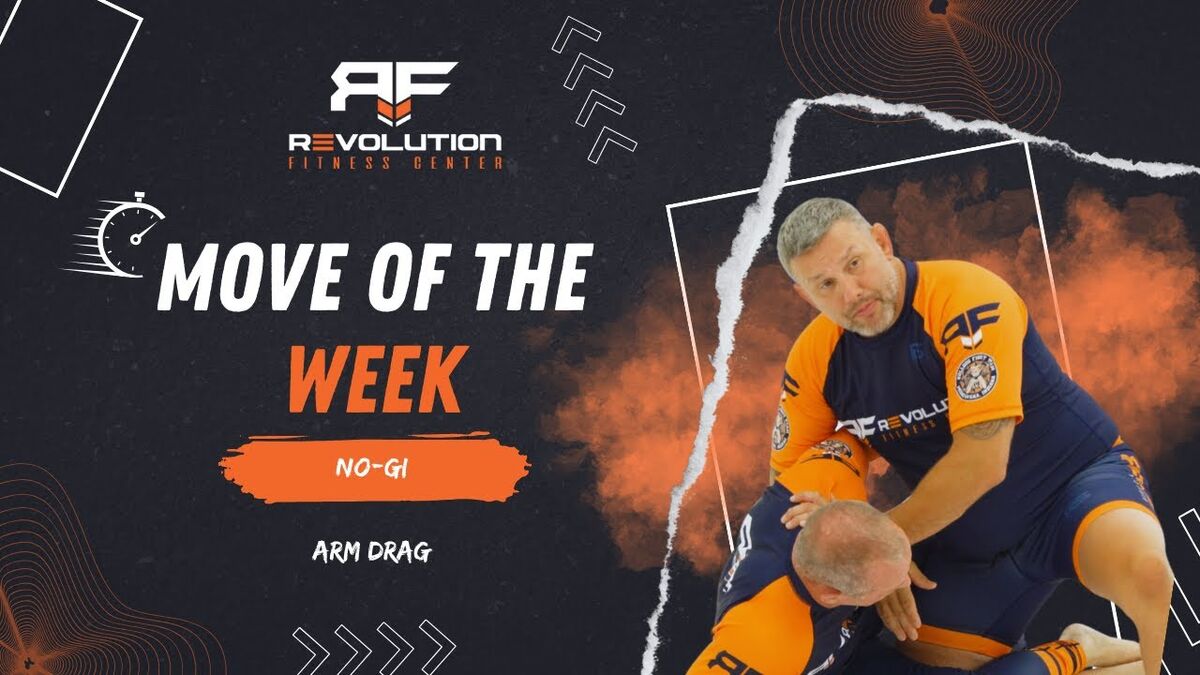
A clean no-gi arm drag starts with hand-fighting and immediate angle change, not a big yank.
1. Win the wrist first, then drag the elbow line
The easiest way to miss an arm drag is to attack the shoulder with no control lower on the arm. In live no-gi, the better entry is usually a quick wrist touch, a two-on-one feel, or at least a brief connection on the triceps before you move. That lower control gives you steering. Without it, the opponent retracts their arm and squares up before the drag even develops.
Think about the arm as a lever. If you can influence the hand or wrist, the elbow line becomes easier to pull across your body. This is one reason Marcelo Garcia-style drags have aged so well. They are short, sharp, and tied to real contact rather than hopeful reaching.
A good cue is this: do not try to drag a strong arm. Drag an exposed one. If their elbow is tight, keep hand-fighting. If their arm floats, go.
2. Step to the outside on the same beat
The best arm drag no-gi entries happen on one beat. Your hands pull, and your feet move at the exact same time. If you drag first and step second, you give the other person a recovery window. If you step first and drag second, you often run yourself into a collar tie or a snap down.
Most misses come from staying square. The drag should put your lead shoulder past their lead shoulder. That angle matters more than the size of the pull. Even a modest redirect works if your feet land outside and your hips are ready to follow.
This is also why shorter grapplers often make the move look effortless. They are not stronger. They just move their feet early and get off the center line before the opponent feels threatened.
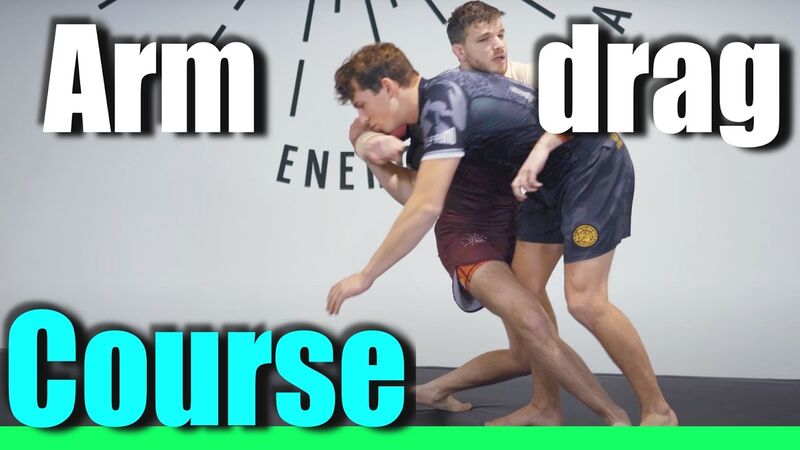
The drag becomes dangerous when the feet clear the center line immediately.
3. Keep your head glued to prevent the square-up
Once you reach the side, your head becomes the wedge that stops the opponent from turning back in. Many grapplers win the drag and then stay disconnected with their posture too upright. That gives the other person enough space to whizzer, face you, or run their hips away.
Instead, put your forehead or temple into the near-side shoulder, upper back, or jawline area, depending on the angle you win. This is not about headbutting or muscling. It is about eliminating the recovery lane.
When your head stays tight, the rest of the chain becomes easier:
- rear body lock if you cleared behind the shoulder,
- single leg if they step away and expose weight,
- mat return if they stand tall and try to peel your hands.
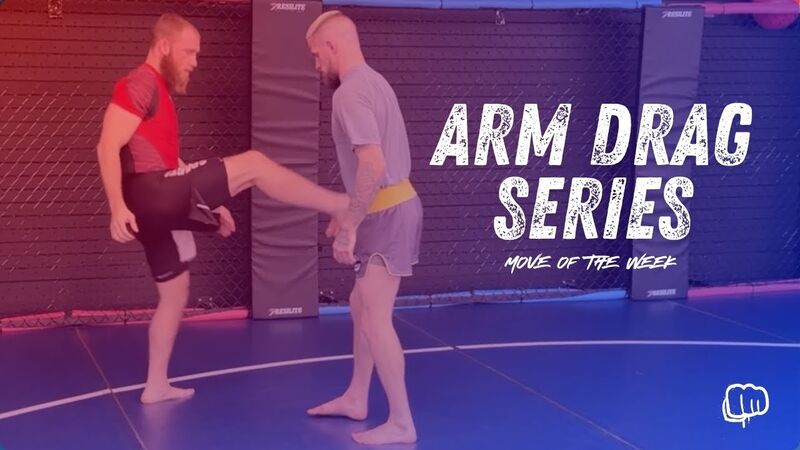
Head position is what keeps the back-take lane open after the drag lands.
4. Expect the single leg, not just the back take
A lot of arm drag instruction for beginners oversells the clean back take. Yes, it happens, especially against upright or inexperienced partners. But against good grapplers, the first strong reaction is often a step-out. That is not failure. That is the single-leg opening.
If you go into the exchange demanding the back, you will force the finish and lose the better option. If you treat the arm drag as a fork in the road, the move gets much stronger. Back exposure is one win condition. Leg exposure is the other.
That mindset also makes your drag more believable. Your partner cannot simply turn and step without consequence if your hands are already prepared to drop to the leg. High-level wrestlers have understood this for years, and no-gi grapplers are steadily closing that gap.
On Rashguard Guy, that same chain mentality is what makes moves like the wrestle up and the body lock pass so reliable. The first attack starts the reaction. The second attack finishes it.
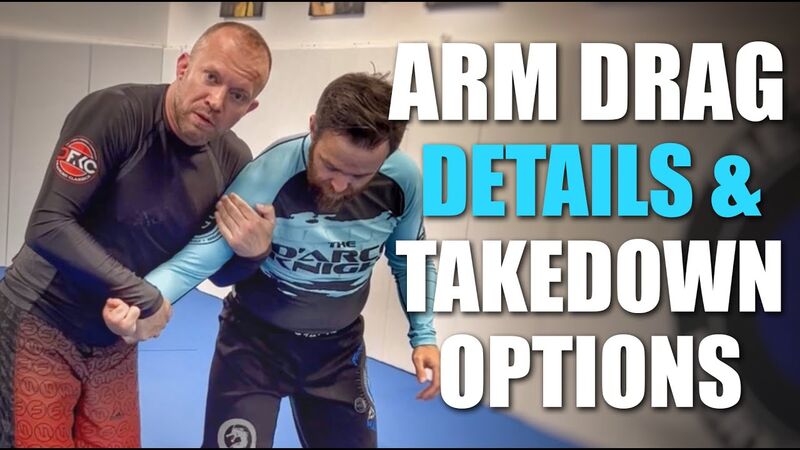
The drag should connect naturally to a single leg when the opponent circles hard.
5. Drill the arm drag no-gi finish in short chains
The move improves quickly when you stop drilling it as one isolated action. Instead of endless dead reps from neutral stance, build short chains that match what really happens in sparring:
- wrist touch to arm drag to rear body lock,
- wrist touch to arm drag to single leg,
- failed drag to snap down,
- failed drag to front headlock re-attack.
This approach teaches the real value of the technique. The drag is not just a highlight-reel back take. It is a reliable way to create motion, force defensive steps, and get to stronger ties. If your gym has wrestlers, ask them to give you realistic reactions instead of cooperative freeze frames. That pressure is where your timing sharpens.
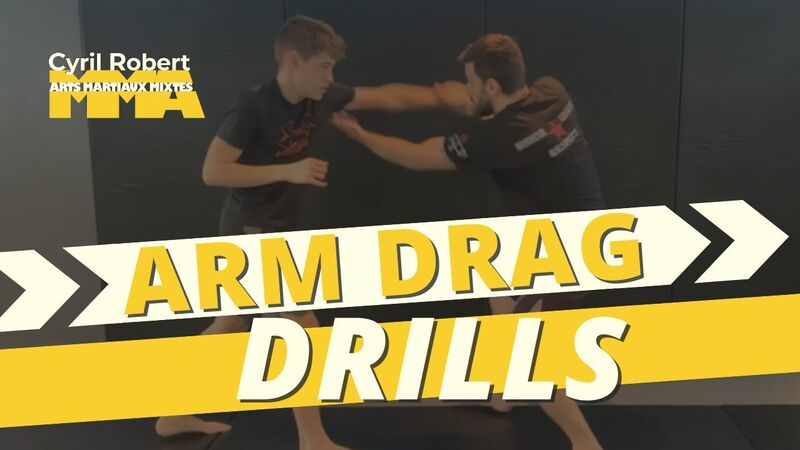
Short chained reps build better arm drag timing than isolated dead drilling.
6. Study Marcelo Garcia, but adapt the posture to modern no-gi
Marcelo Garcia remains the obvious reference point whenever arm drags come up, and for good reason. He turned a seemingly simple redirect into one of the most recognizable entries in submission grappling. But copying the move literally can cause problems if you ignore how modern rooms feel.
Today’s no-gi athletes are more comfortable wrestling off the mat return, more aware of rear body lock danger, and quicker to sit on the leg if they feel their back getting exposed. That means the classic Marcelo blueprint is still valuable, but it needs modern pacing. Stay lower on entry, expect a second attack, and do not hang on the shoulder line waiting for a perfect back take.
If you want another leg-entry layer after the drag, study how athletes transition between drag mechanics and leg-entanglement threats. That is one reason our ashi garami guide matters here too. Modern no-gi rewards transitions more than isolated moves.
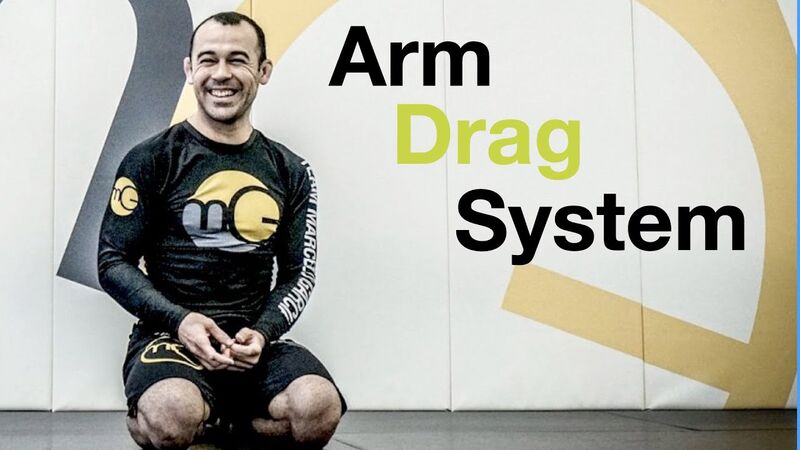
Marcelo Garcia set the standard, but modern no-gi asks for faster follow-up attacks.
7. Fix the three mistakes that kill most arm drags
If your arm drag keeps failing in live rounds, the culprit is usually one of these three problems.
You are pulling backward instead of across
The drag is a redirection, not a row. Pulling backward gives the opponent posture and makes their shoulder harder to clear.
You pause after contact
Any pause kills the move. The arm drag no-gi entry has to blend into your step and head position right away.
You chase the back with your arms before your chest arrives
When the hands reach before the body connects, you lose pressure and let the opponent spin free. Chest connection first, lock second.
These fixes sound small, but they are the difference between a move that only works in drills and a move that works against people who know what is coming.
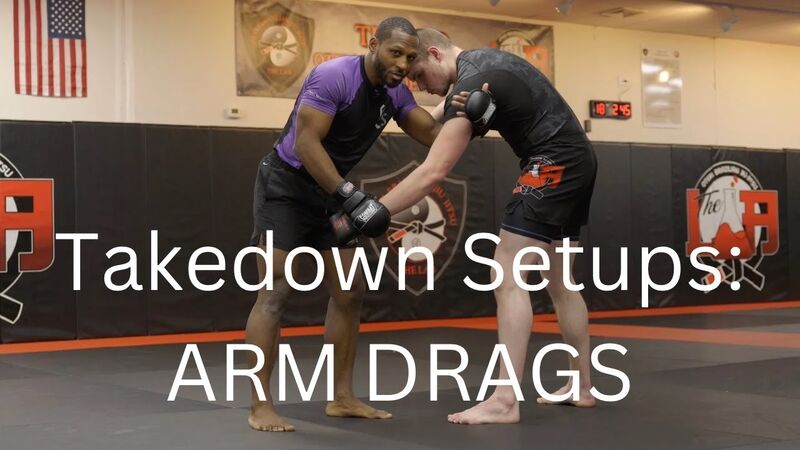
Against resistance, the best arm drags are compact, connected, and instantly chained.
Where the arm drag fits in a no-gi game in 2026
The move is not flashy by modern no-gi standards, and that is part of its appeal. In a scene full of big scrambles, seated entries, and leg-lock feints, the arm drag remains one of the most practical ways to get behind someone without overcommitting. It works from standing, from seated guard, and inside transition-heavy exchanges where one exposed elbow changes the whole sequence.
It also scales well. Beginners can use it to understand angles and back exposure. Advanced grapplers can use it to chain into wrestling finishes, mat returns, and submission entries. The same mechanics show up again and again because they solve a timeless problem: how to get off the center line and attack before your opponent squares up.
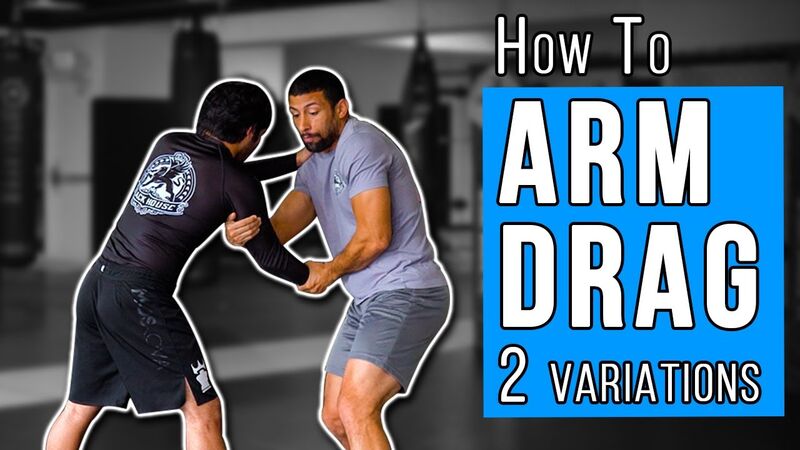
The best no-gi arm drags still look simple because the timing is doing the work.
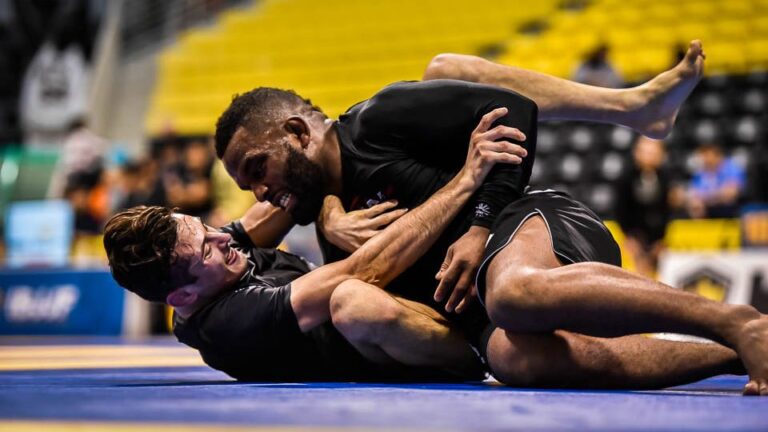
Watch: a strong arm drag no-gi example
The video below is a useful visual reference because it shows the move in a compact, no-gi format without a lot of extra talking. Watch the footwork and how quickly the angle changes once the arm starts moving.
Final word
The best arm drag no-gi players are not winning with brute force. They win the wrist, step outside on the same beat, glue the head in place, and chain immediately to the next finish. If you tighten those details, the move stops feeling like a low-percentage trick and starts feeling like a reliable entry to your whole top game. For more practical no-gi mechanics that connect well with this style, revisit our breakdowns of the half guard sweep and the wrestle up.
Sources
- MOTW | No-Gi | Arm Drag — concise no-gi arm drag demonstration used for the embedded video and featured image source.
- Armdrag TAKEDOWNS | Grappling BJJ — shows arm drag entries and takedown follow-ups in no-gi attire.
- Arm Drag Series for Wrestling, BJJ, or MMA — useful for chaining the drag into multiple wrestling outcomes.
- Arm Drag Fundamentals & Takedown Options — reinforces timing, angle, and finish options after the drag.
- Arm Drag Drills | MMA, Grappling, BJJ, Wrestling — drilling ideas for live-reaction training.
- Marcelo Garcia Arm Drag System — reference point for the historical and technical influence of Marcelo Garcia on the move.
- Here’s How To Arm Drag Anyone – And Take Their Back — brief technical reminder about back-take mechanics and common arm-drag scenarios.
- How To Arm Drag Takedown Your Opponent Marcelo Garcia Style No Gi & Gi — cited for the Marcelo Garcia connection and takedown-oriented arm-drag framing.
Browse our top-rated rashguards and no-gi gear at the RashguardGuy shop →