Toe Hold No-Gi: 7 Setups That Force the Tap
The toe hold no-gi tap rate has roughly doubled at the high end of the sport since 2019, and it has done it for one boring reason: the position rewards grippy hands more than fabric. Toe holds attack the lateral ankle and load the knee through external rotation, so a finish lands when you cup the toes, frame the shin, and figure-four your own wrist before your opponent can twist their heel down. The seven setups below are the ones that show up most often on the IBJJF No-Gi Worlds and ADCC tape, ranked by how quickly the average gym-level grappler can pick them up.
Why the Toe Hold No-Gi Belongs in Every Leg-Lock Game
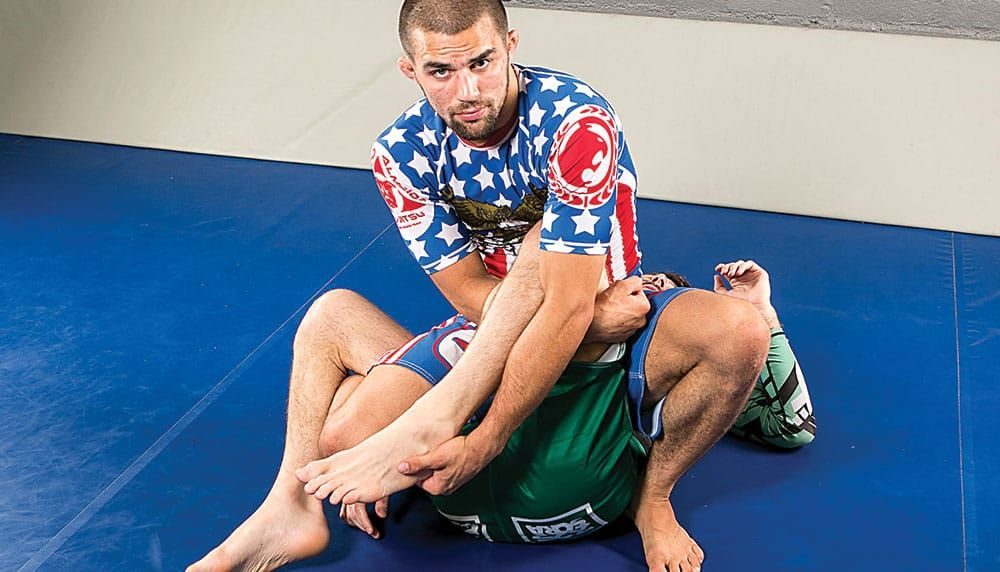
Most no-gi rooms drill heel hooks for a year before a coach even mentions the toe hold, and that order is backwards. A toe hold travels with you everywhere — half guard top, half guard bottom, single leg X, saddle, back exposure — because all it needs is access to the foot and a free arm. Heel hooks demand a leg entanglement first. The toe hold doesn’t.
The other reason it belongs in the toolkit: it’s legal almost everywhere a heel hook isn’t. IBJJF lets brown and black belts use the toe hold in both gi and no-gi, while heel hooks for adult no-gi only opened up to brown and black in 2021. ADCC allows the toe hold across every division. If you compete locally, you can tap a blue belt with a toe hold; you’d get DQ’d trying the same with a heel hook.
Setup 1 — Outside Ashi to Toe Hold
The cleanest entry in the sport. From outside ashi garami, your opponent is reaching for the kneeline or trying to spin to expose the heel. Pin their knee to your hip with your top leg, then reach across your own body with your far hand and cup the four small toes. The figure-four locks with your near arm, and the finishing line is short: turn the foot inward like you’re trying to point their pinky toe at their own hipbone.
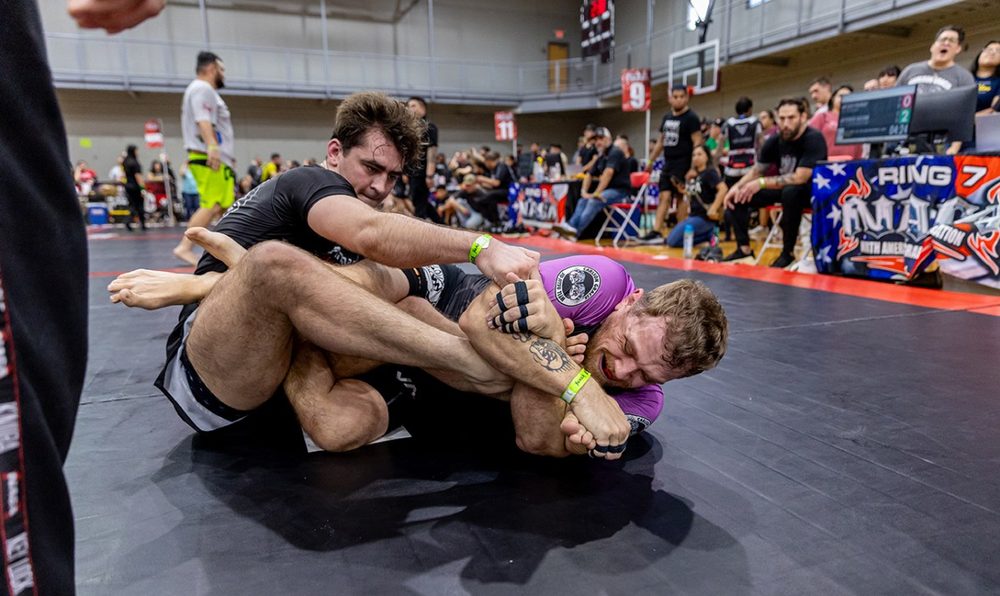
The detail most people miss is the elbow. The figure-four arm must stay tight to your own ribs. The second that elbow flares, the toes slip off the side of the foot and the wrench-like angle that makes the submission work disappears. Grip the toes. Pin the elbow. Rotate the wrist, not the shoulder.
Setup 2 — Single Leg X-Guard to Toe Hold
Single leg X is the dominant no-gi leg entry under brown belt, and the toe hold is the cleanest finish a blue or purple belt can hit from there because it’s legal at every rank. Sweep your opponent to the side, follow them down, and as their hips hit the mat their trapped foot is already exposed near your far hip. Cup the toes before they recover the knee line — the window is short. Once they post on a hand to get up, you’re already rotating.
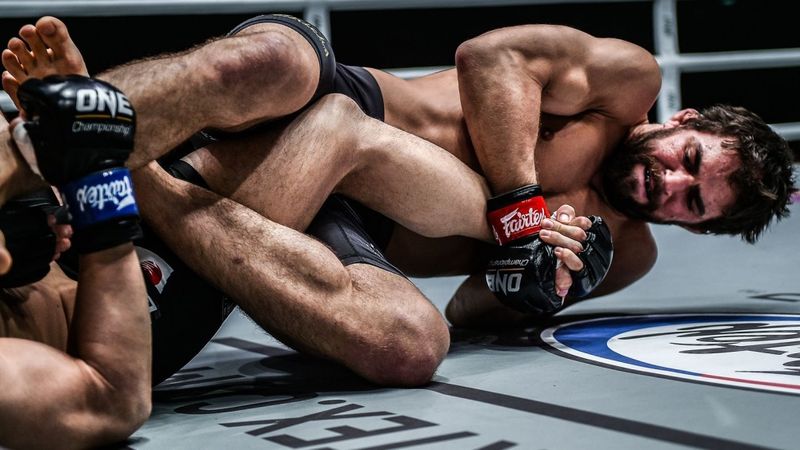
If you train at a gym that runs single leg X heavy, anchor the toe hold as your fallback every time the straight ankle lock gets defended. Most opponents fight the ankle lock by pulling their foot away — that motion turns their toes directly into your figure-four. For the broader system, our single leg X-guard sweep and back-take guide shows the entries that feed this exact finish.
Setup 3 — Saddle to Toe Hold
Saddle (also called honey hole or inside sankaku) gets sold as a heel hook position, but the toe hold is the better finish for anyone competing under brown belt. The mechanics fit: your opponent’s leg is trapped between yours, their foot is right next to your near shoulder, and your far arm is free. Reach across, cup the toes, frame the shin with your near forearm, and figure-four.
One subtle point — keep your hips elevated while you finish. Saddle defenders survive by flattening you out and rolling toward the trapped leg. If you stay arched and roll slightly toward your shoulder, the foot can’t escape and the finishing arc shortens.
Setup 4 — Toe Hold off a Failed Heel Hook
Heel hooks get defended by hiding the heel — pointing the toes inward, peeling the wrist, hand-fighting the inside sankaku grip. The defense puts the foot in a position where the toes are right there for the taking. Garry Tonon hits this transition constantly: he commits to the heel hook, the opponent twists out, and the same hand that was on the heel slides up to the toes.
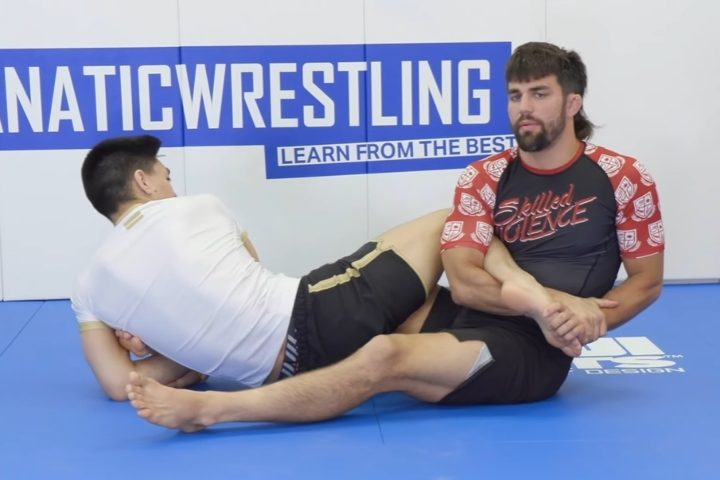
This is the highest-percentage transition in the modern no-gi leg lock game. The opponent’s brain is still on the heel — they’re not protecting the toes yet. A two-second pause and you have the figure-four locked. If you train heel hooks, you should be drilling this exact transition every session.
Setup 5 — Knee Shield Half Guard to Rolling Toe Hold
The rolling toe hold is one of the few flashy finishes that’s also high percentage at the gym level. From bottom half guard with a knee shield, your top leg is wedged against your opponent’s hip. Throw the knee shield over their head while you grip-fight for the toes, then roll across your own shoulder. You finish in outside ashi with the toe hold already in place.
Catch is the rolling motion has to be committed. A half-hearted roll leaves you stuck under side control. Drill the roll separately from the grip — the timing is everything. When you get it right, your opponent goes from passing your half guard to tapping the mat in under three seconds.
Setup 6 — Toe Hold from Top Half Guard
Most grapplers think of top half guard as a passing position, not a submission one. That’s a mistake at no-gi. When you’re settled in top half and your opponent is shrimping for the underhook, their bottom leg’s foot is exposed near your knee. Drop your weight, hook the toes with your near hand, frame the shin with your forearm, and finish without ever leaving the position.
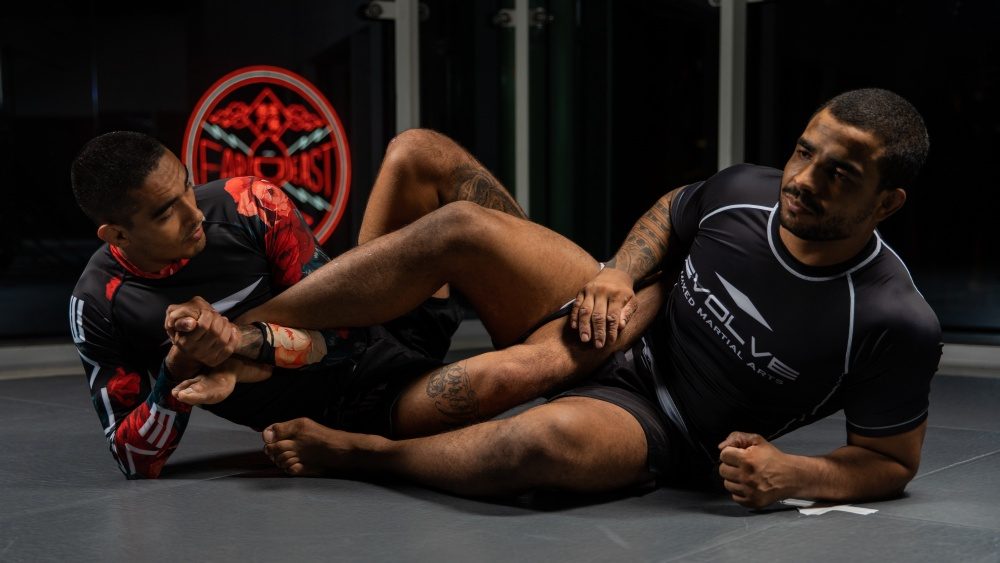
The setup works best when your opponent is already in motion. A static opponent flattens out and hides the foot. A moving opponent — one trying to escape, shrimp, or recover guard — keeps the foot floating in striking range. Bait the motion, then close the grip. Pair this with our no-gi ankle lock setup guide and you have two attacks from the same position.
Setup 7 — Toe Hold from a Closed Guard Counter
This one rewards patience. When you’re in closed guard bottom and your opponent stands to break your guard, they almost always step one foot back to base. That back foot is exposed for a quarter-second. Open your guard, push their hips with one foot, and reach for the back-foot toes with the same-side hand. Drop to your side, lock the figure-four, finish.
The timing is tight and the finish only works on people who break guard standing — about half the room at any given gym. But it’s the kind of submission nobody sees coming, which is exactly what makes it land. If they survive it once, they’ll change how they break your guard, which opens up other sweeps.
Toe Hold Rules: IBJJF vs ADCC vs Local Tournaments
If you compete, the rules matter as much as the technique. IBJJF allows the toe hold for brown and black belts in both gi and no-gi divisions, and bans it for white, blue, and purple. ADCC’s official rules permit the toe hold across all weight classes and skill levels, including the trials. EBI, Polaris, Who’s Number One, and most submission-only circuits follow ADCC-style rules: toe holds legal across the board.
The IBJJF restriction trips up newer grapplers who train it freely in class and then forget at competition. If you’re a blue belt rolling at a no-gi IBJJF tournament, you cannot hit a toe hold, no matter how clean the entry is. You’ll get DQ’d. Check the rule set of every event before you compete — most local sub-only promotions follow ADCC, but a handful copy IBJJF.
Common Mistakes That Cost You the Finish
Gripping low on the foot is the number one mistake at every belt level. The toes are the end of the lever. Grip the mid-foot or the heel and you cut your finishing arc in half — your opponent can muscle out. Grip the four small toes and stack them tight, and the foot pivots like a wrench.
The second mistake is squeezing instead of rotating. The toe hold is not an arm crush. The submission comes from rotating your figure-four like you’re turning a steering wheel, pointing the pinky toe toward your opponent’s same-side hip. If you just squeeze, you build pressure but no finishing angle. Rotate, don’t crush.
The third one is flaring the elbow. Keep the figure-four arm pinned to your own torso — the second the elbow drifts, the grip breaks and the foot slides free.
How Toe Holds Compare to Other No-Gi Leg Locks
The toe hold sits in the middle of the no-gi leg lock spectrum in terms of danger. Heel hooks are the most dangerous — they spiral the knee and the damage shows up before pain does. Straight ankle locks are the safest — pure ankle compression, with a long tap-time runway. The toe hold is somewhere in between: external rotation loads the lateral knee, but the tap usually comes from ankle pain before the knee gets shredded.
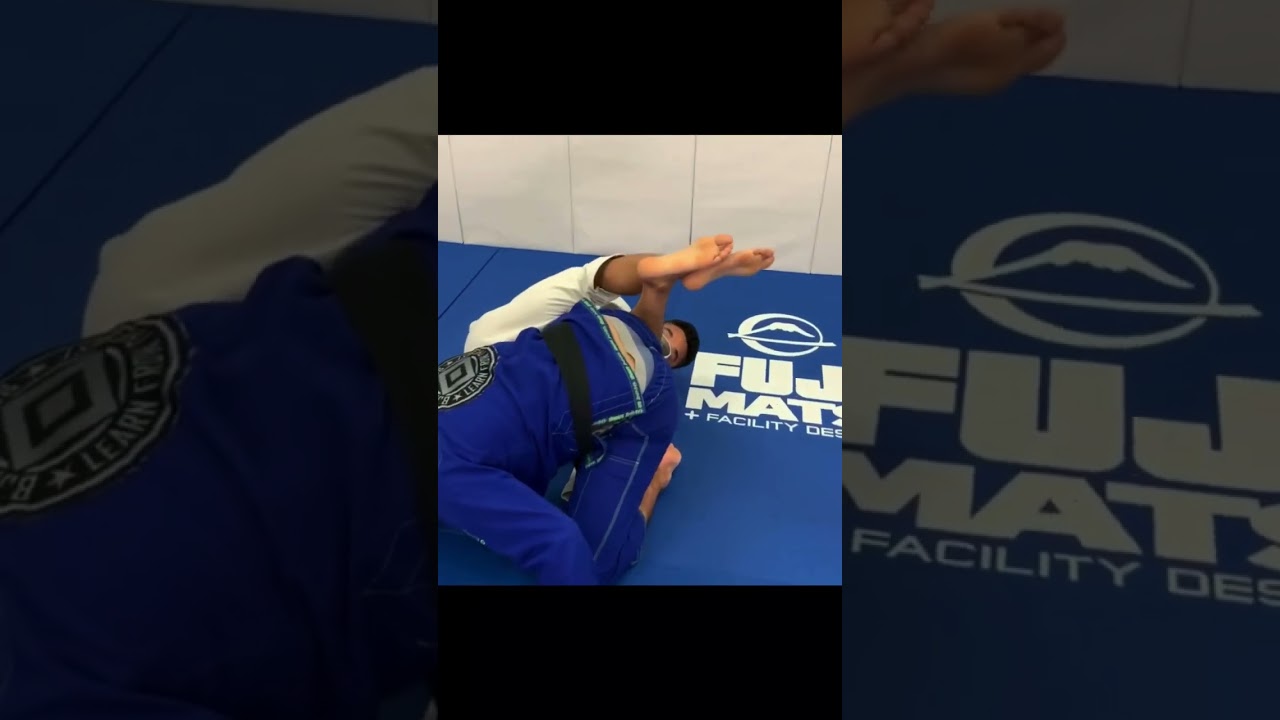
That makes it ideal for gym rolls. Your training partners can tap before damage happens, which is hard to say about the heel hook. For competition under brown belt, it’s often your only legal leg lock besides the straight ankle. For full picture training, pair it with our no-gi heel hook safety guide so you know which finish to commit to based on belt rank, ruleset, and the position you’ve landed in.
Train the Toe Hold Without Wrecking Partners
Tap early in training. The toe hold rewards stubbornness in competition and punishes it in the gym — partners who refuse to tap end up with sprained ankles, popped fibular ligaments, or worse, a torqued lateral meniscus. The damage doesn’t always announce itself with sharp pain. It can feel like a “tweak” that flares into chronic instability over months.
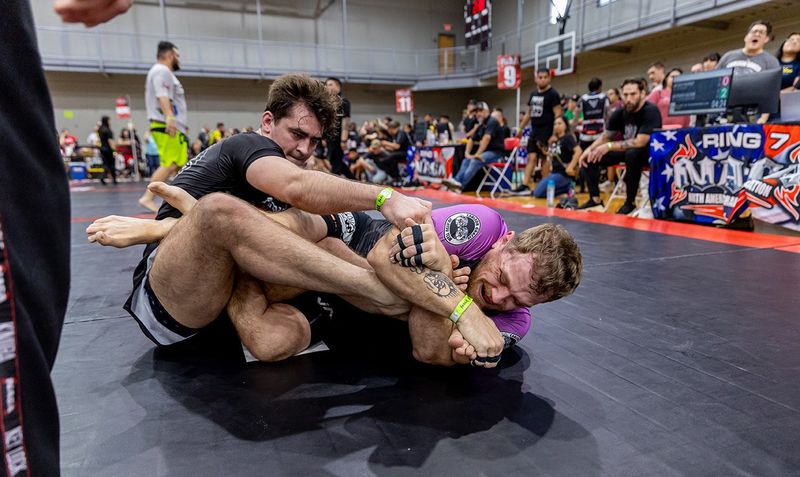
When you’re the one applying it, finish slow during drilling. Apply the rotation in inches, not in a snap. In live rolling, ramp up the pressure over a full breath. The toe hold has a finishing window of maybe one to two seconds before the foot starts to give — there’s no need to crank it like a heel hook. If your partner doesn’t tap on the second rotation, release and reset. Coaches see this and trust you with their advanced students. Coaches see the opposite — guys who twist hard and fast — and stop pairing them with anyone who matters.
What to Drill This Week
Pick one of the seven setups above and run it as your only leg-lock attack for three sessions. Most grapplers never finish a toe hold in live rolling because they treat it as a backup. Run it as a primary attack — entries, grip-fight, figure-four, rotate — and the finish rate climbs in a week.
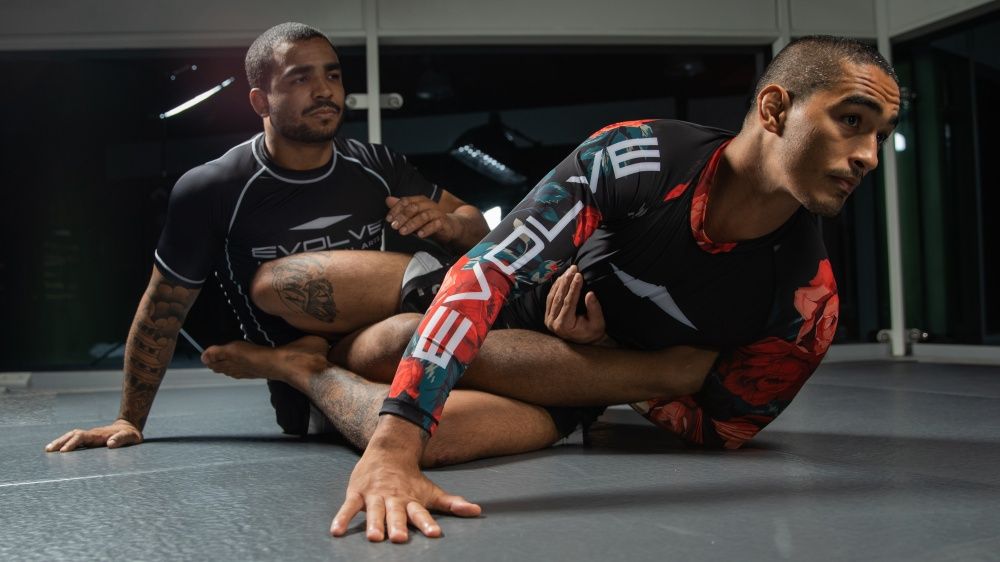
The cleanest one to start with is the single leg X-guard entry from Setup 2. It teaches you the figure-four grip in a static position with a clear setup, and the success rate is forgiving for purple belts and under. Once that lands consistently, add the failed heel hook transition from Setup 4 — it doubles your finish rate from any leg entanglement, because every defense your opponent runs against the heel feeds your hand to the toes.
Sources
- ADCC Official Rules — toe hold legality across weight classes and divisions.
- IBJJF Banned Techniques by Belt Rank — confirms brown/black belt requirement for toe hold competition use.
- BJJ Heroes: The Toe Hold — historical breakdown of the submission’s origins and competition use.
- Toe Hold by Lachlan Giles (SUBMETA) — instructional with grip mechanics and entry chains.
- FloGrappling: Lachlan Giles profile — match footage and finishing breakdowns.
Browse our top-rated rashguards and no-gi gear at the RashguardGuy shop →