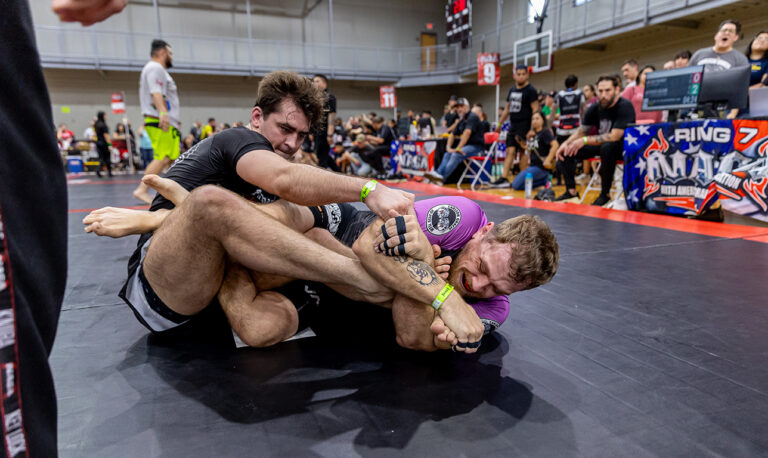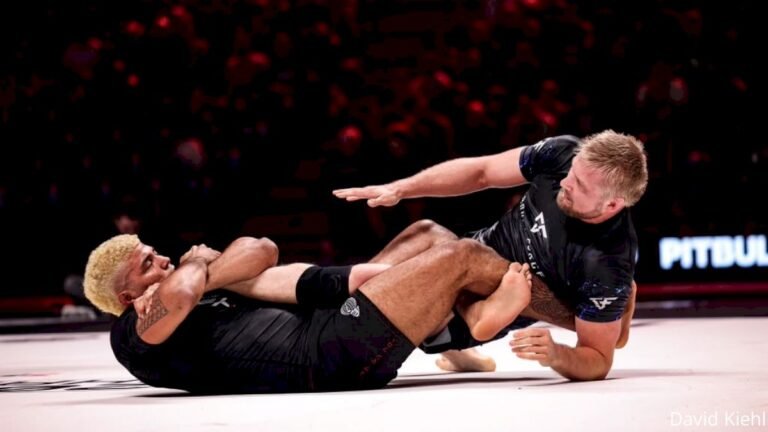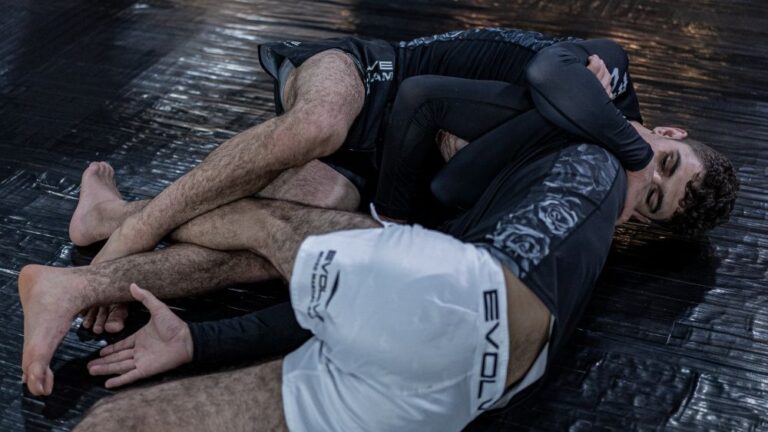

Twister Submission: 7 Setups for a Brutal No-Gi Finish
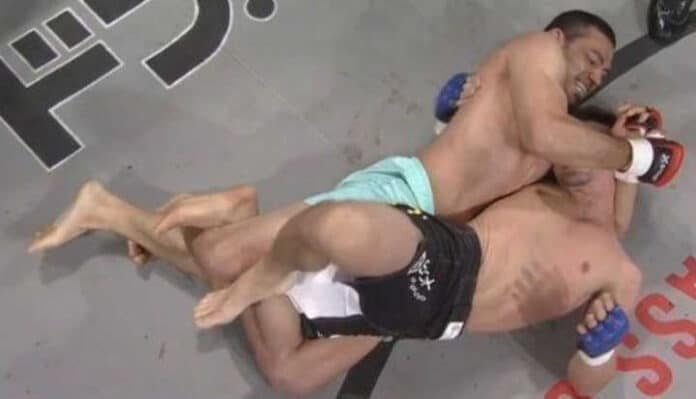
On March 26, 2011, Chan Sung Jung wrapped up Leonard Garcia at 4:59 of the second round and became the first fighter ever to win a UFC bout with a twister. He later admitted he learned the move from watching Eddie Bravo’s YouTube videos. That single finish dragged a fringe 10th Planet technique into the mainstream, and it’s the reason a spine crank invented on high school wrestling mats now shows up in no-gi gyms around the world. The twister submission rewards grapplers who understand back control and leg entanglements better than almost any other finish in jiu-jitsu.
What Is the Twister Submission?
The twister is a spinal lock, not a choke. It attacks the cervical and upper spine through lateral hyperflexion — you force the head toward one shoulder while the lower body is anchored and stretched the other way. There’s no blood or air being cut off. The tap comes from torque radiating through the neck, shoulders, and even the abdominal muscles, which is what makes it feel so alarming the first time you get caught in one.
The move didn’t start in Brazil. In American folkstyle wrestling it’s called the “guillotine” — a pinning combination off the leg ride, and no relation to the BJJ guillotine choke that shares the name. Eddie Bravo wrestled in high school, learned that leg ride, and as a blue belt under Jean Jacques Machado around 1998 he rebuilt it into a submission for no-gi. He renamed it the twister, and it became the flagship attack of his 10th Planet system. His nickname, fittingly, is “The Twister.”

Where the Twister Comes From: The Truck Position
You cannot hit a twister without first reaching the truck. The truck is a leg-control and back-control hybrid — sometimes called reverse gatame — where you sit perpendicular to a turtled or downed opponent and trap one of their legs with both of yours, keeping their hips lifted off the mat. From there you own their lower half while their upper body sits exposed.
What makes the truck worth learning is that it’s a hub, not a dead end. From the same control you can branch into the banana split, the calf slicer, the electric chair, or a clean back take. The twister is just the most famous door it opens. Plenty of strong no-gi players treat the truck as a position they want to live in, the way a wrestler treats a leg ride — the points and the submissions both flow from staying there.
How to Finish the Twister, Step by Step
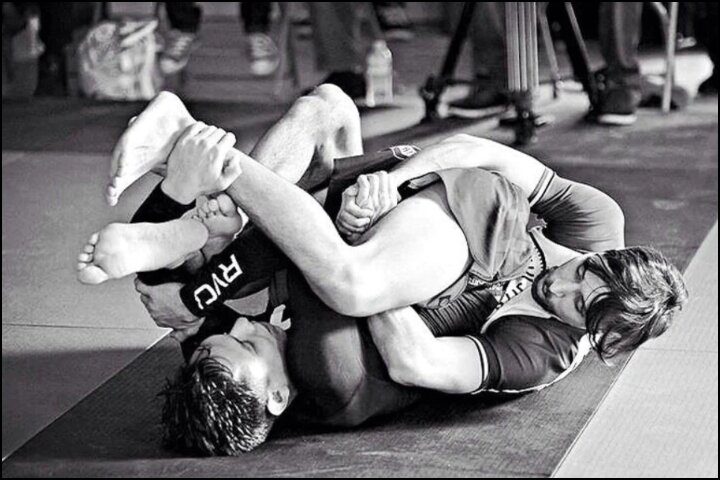
The finish is a sequence, and rushing it is how most people lose it. From the truck, the order looks like this:
- Lock the lower body. Trap one leg and progress your control from lockdown to a triangle of your legs so they can’t square back up to you.
- Isolate the near arm. Trade your grip on their free leg for their same-side arm. Drive your elbow deep into their armpit and grab the wrist with both hands — the “baseball bat” grip.
- Lace the arm behind your head. Pass that trapped arm behind your head, then turn to face them so you’re squared up to the spine.
- Capture the head. Reach across and grip the side of their forehead, usually with an S-grip. For a tighter finish, feed the crook of your elbow behind the neck and lock a figure-four.
- Apply the crank. Stretch the trapped leg away with your legs while pulling the head toward you. Those opposing forces, at 90 degrees to the spine, are the whole submission.
The detail that separates a real twister from a hopeful neck pull is the angle. You have to be perpendicular to the spine. Drift parallel to their body and the angle evaporates — you’ll be yanking on a head that has nowhere to go but along with you.
7 No-Gi Setups for the Twister Submission
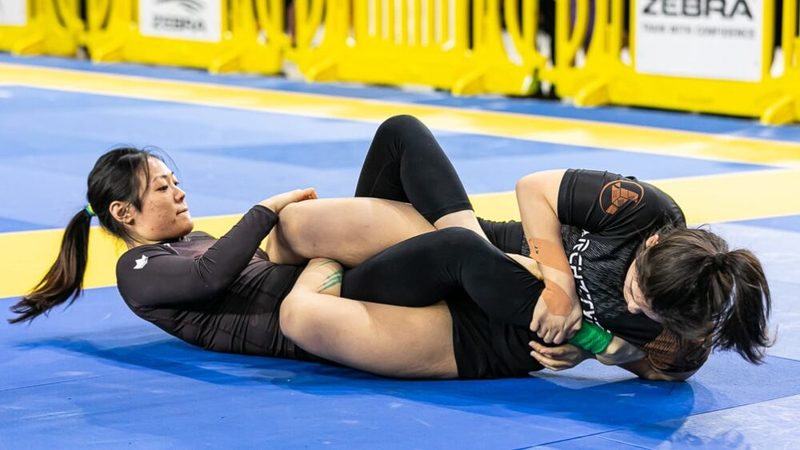
The twister has a reputation as a flashy move, but most entries are just honest back-control and scramble mechanics. These seven cover where it actually shows up in live no-gi rolling.
- Straight from the truck. The canonical entry. Once you’ve loaded the truck, trade free-leg control for the near arm and run the finish above.
- Off the turtle. Your opponent turtles after a failed shot. Slide your far leg inside their leg, grab the far shin, and fall to your shoulder — you land in the truck with their leg already laced.
- From a lost back hook. When you’re riding the back and one hook gets stripped, drop a leg lockdown instead of fighting to recover the seatbelt, then build the truck from there.
- Off twister side control. Hook the opponent’s top leg with your bottom leg, grab their bottom foot, and shoulder-walk to the other side to pull the leg through into the truck.
- From the leg drag. The crab-ride and leg-drag entries the Mendes brothers popularized in the gi work in no-gi too — pass into truck control rather than settling for a standard back take.
- Out of a single-leg scramble. When you take the back belly-down in a scramble, transition straight to the leg ride — the wrestling root of the whole move — and load the truck before they recover.
- The Swedish twister. When they defend the head grip, hold the wrist, bring your other arm up through the gap, and sit up to force their wrist down your back, keeping them stretched into the finish.
Defending and Escaping the Twister
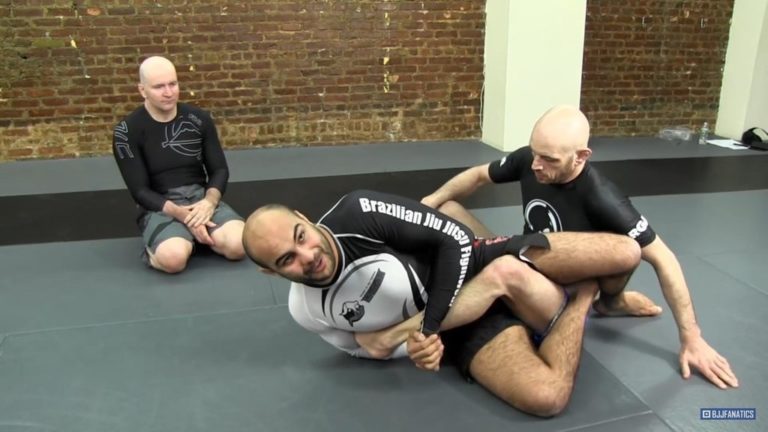
The honest truth about twister defense is that it’s almost entirely upstream of the lock. Once the truck is loaded and your arm is laced behind their head, you’re in trouble. Everything good happens before that.
Your first job is denying the leg entanglement — if they can’t trap a leg, they can’t build the truck. If they do get the hook in, pummel and pry it apart with your free leg before it becomes a lockdown. Keep your near arm pinned tight to your body so it can’t be isolated, because the baseball-bat grip is the point of no return. If you feel the crank starting, shoulder-walk and scoot your hips to flatten your back to the mat and realign your spine, or roll toward the attacker to untwist and scramble. The grapplers who escape twisters aren’t stronger; they just recognize the truck two seconds earlier than everyone else. For more on shutting down back attacks, our guide to defending the D’Arce choke covers the same early-frame principles.
Is the Twister Submission Dangerous?
Yes, and you should respect it. A choke puts you to sleep and an armbar bends one joint, but a spinal lock cranks a structure that has almost no give. There is no slow tap window the way there is on a tight kimura. The moment you feel pressure on your neck, tap — not when it hurts, when you feel it.
That risk is exactly why the major rulesets ban it. The twister is illegal in IBJJF at every belt level and barred in modern ADCC as a spine lock. It’s legal in submission-only no-gi formats like the 10th Planet and EBI events, and it’s legal in MMA, which is why fighters reach for it in the cage. Before you ever drill it, confirm your gym and your competition’s rules. A move that can cause permanent damage deserves a conversation, not a surprise. If you’re new to spine and neck attacks generally, the no-gi guillotine and heel hook are worth studying first to build the tapping discipline these positions demand.
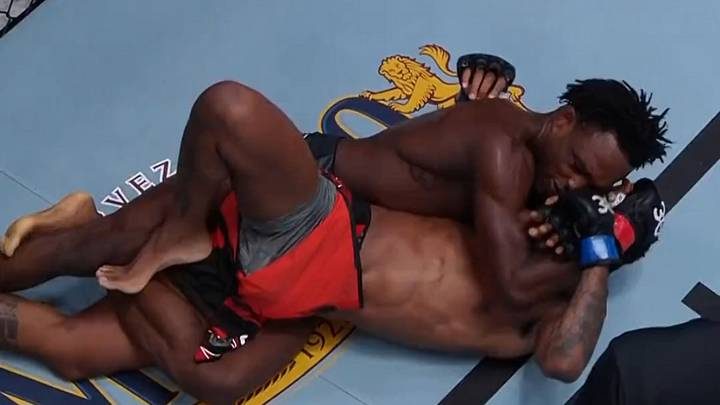
The Korean Zombie and the Twister’s Famous Moment
Chan Sung Jung’s twister over Leonard Garcia wasn’t just a highlight — it was validation for an entire system that the gi-centric jiu-jitsu world had spent years dismissing. The finish won Submission of the Night and was later named Submission of the Year at the World MMA Awards. It also rewrote a narrative: their first fight at WEC 48 in 2010 had ended in a controversial split decision for Garcia, so the rematch carried weight before either man stepped in.
What’s easy to forget is how Jung learned it. No private lessons, no seminar — Eddie Bravo’s instructional videos on YouTube. A move that traveled from a wrestling room to a blue belt’s experiments to a free video to the biggest stage in the sport. This Gracie Breakdown, with Eddie Bravo and Rener Gracie walking through the mechanics, is the clearest film study you’ll find:

Common Mistakes to Avoid
Most failed twisters come down to a handful of errors that repeat at every gym. Going parallel to the spine instead of perpendicular kills the torque before you start. Skipping the lower-body lock lets the opponent square up and pop free. A lazy elbow and a weak baseball-bat grip give them the room to strip the arm before you can lace it. And over-pulling the leg early slides you off the back into plain rear control, trading a submission for a position. The twister rewards patience in a way that catches aggressive grapplers off guard — the finish is the combination of leg stretch and head pull together, never a single hard yank.
If there’s one takeaway, it’s that the twister isn’t really a neck move — it’s a back-control and leg-entanglement game with a crank at the end. Get obsessed with reaching and holding the truck, and the submission shows up on its own. Drill the entries cold, tap early when you’re the one caught, and read your competition’s ruleset before you ever try it live. For more no-gi finishing systems built on the same control-first logic, dig into our anaconda choke breakdown next.
Sources
- The Korean Zombie — Wikipedia — Chan Sung Jung’s first-ever UFC twister, March 26, 2011, and how he learned it.
- Eddie Bravo — Wikipedia — origin of the twister, 10th Planet, and his work under Jean Jacques Machado.
- The Truck — BJJ Heroes — the wrestling leg-ride lineage and the truck’s role as a control hub.
- BJJ 101: Twister — Evolve Daily — finishing mechanics, the baseball-bat grip, and safety notes.
Browse our top-rated rashguards and no-gi gear at the RashguardGuy shop →