Why Ear Guards Still Fail: The No-Gi Positions Where Cauliflower Ear Gets Through
Ear guards cut risk, but they don’t eliminate it. Here’s where no-gi grapplers actually get caught — cross-faces, headlocks, and scrambles — and what closes the gap.
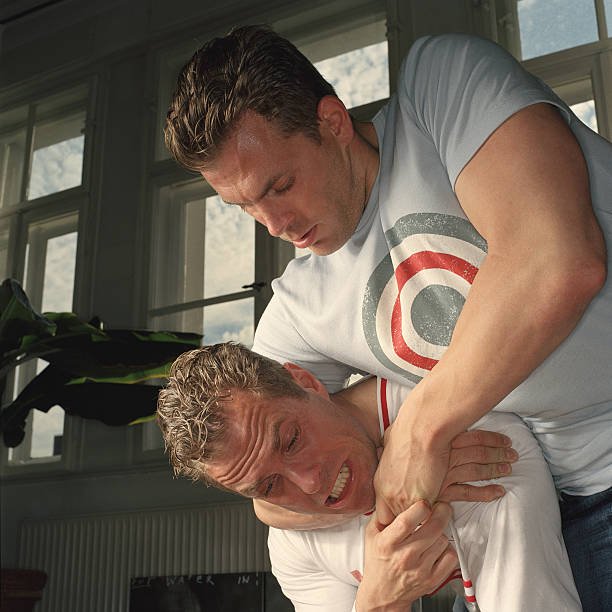
Ear guards cut risk, but they don’t eliminate it. Here’s where no-gi grapplers actually get caught — cross-faces, headlocks, and scrambles — and what closes the gap.
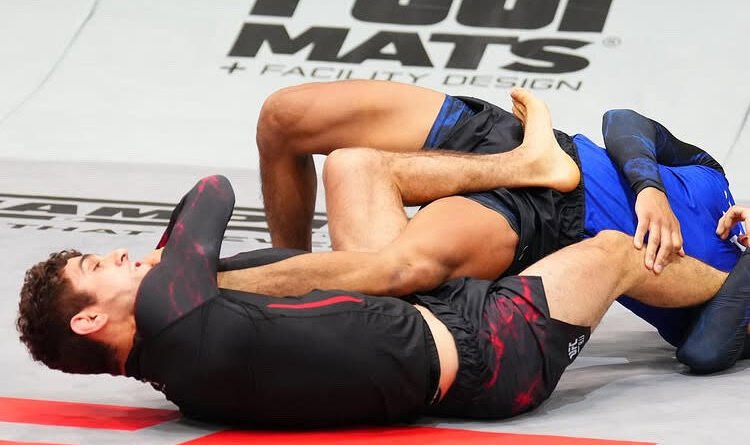
Quick answer: BJJ spats are full-length compression pants — typically 85–88% polyester and 12–15% spandex — worn to prevent mat burn, reduce skin infection risk, and keep leg positioning clean during guard play. Worn alone in training or layered under shorts in competition, they outperform board shorts for hygiene and guard work. Look for flatlock…
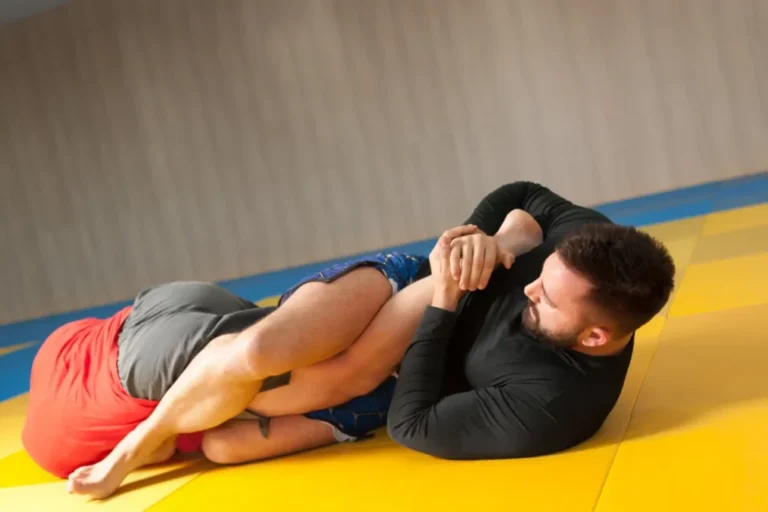
Short sleeve vs long sleeve rashguards isn’t a style decision — it’s a performance trade-off. Here’s how to pick the right sleeve length for your no-gi game, training frequency, and competition context.
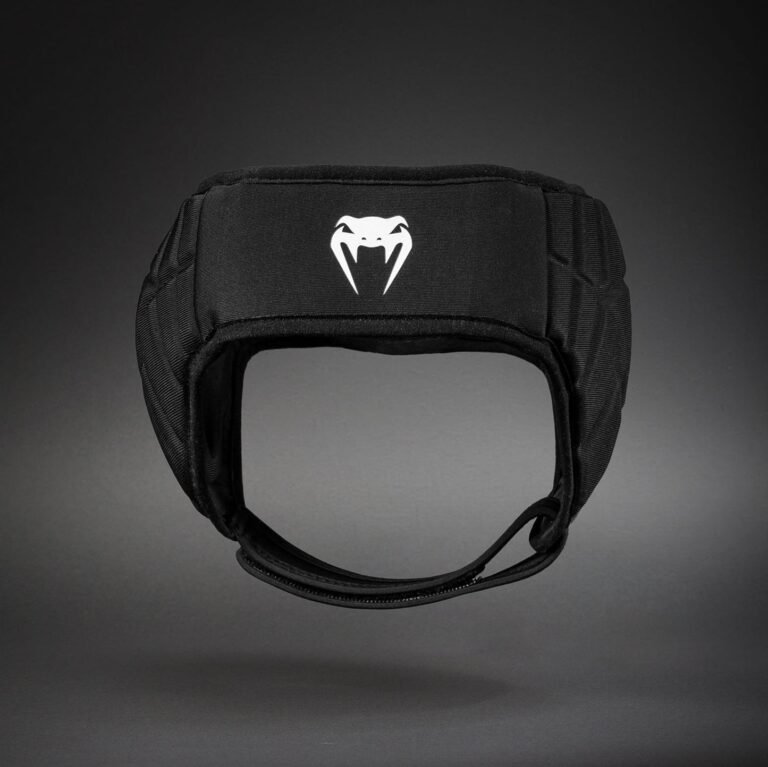
Most no-gi grapplers respond to cauliflower ear after the fact. Understanding the actual mechanism — from shear force to hematoma to permanent fibrocartilage — changes what ear guard use looks like in practice.
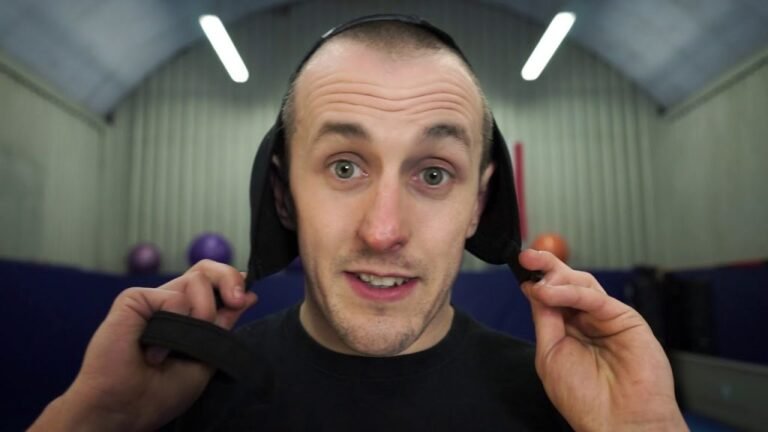
Most no-gi grapplers quit ear guards within the first two weeks — right before the adaptation curve starts paying off. Here is what is actually happening neurologically and mechanically, and what changes at six weeks.
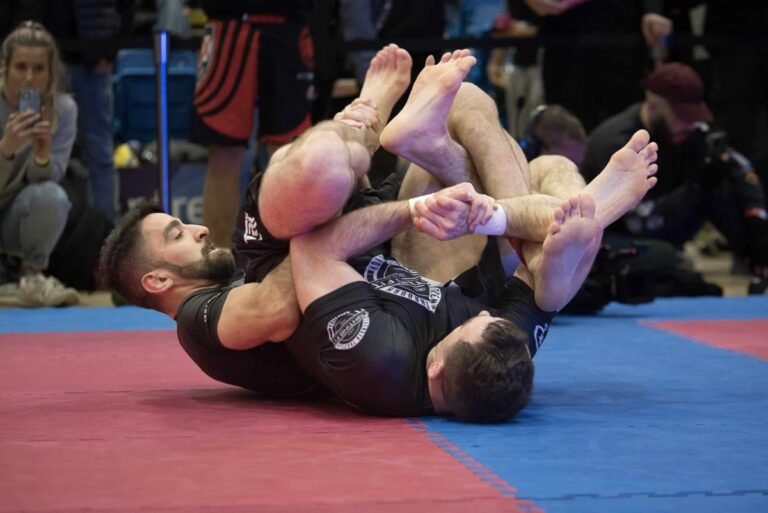
BJJ finger tape stabilizes injured or vulnerable joints — most often the PIP (middle) joint — by limiting hyperextension during grip fighting, guard retention, and scrambles. Buddy taping (securing the damaged finger to the one next to it with 0.5″ athletic tape) handles most situations. The other four methods — ring taping, figure-8, X-tape, and…
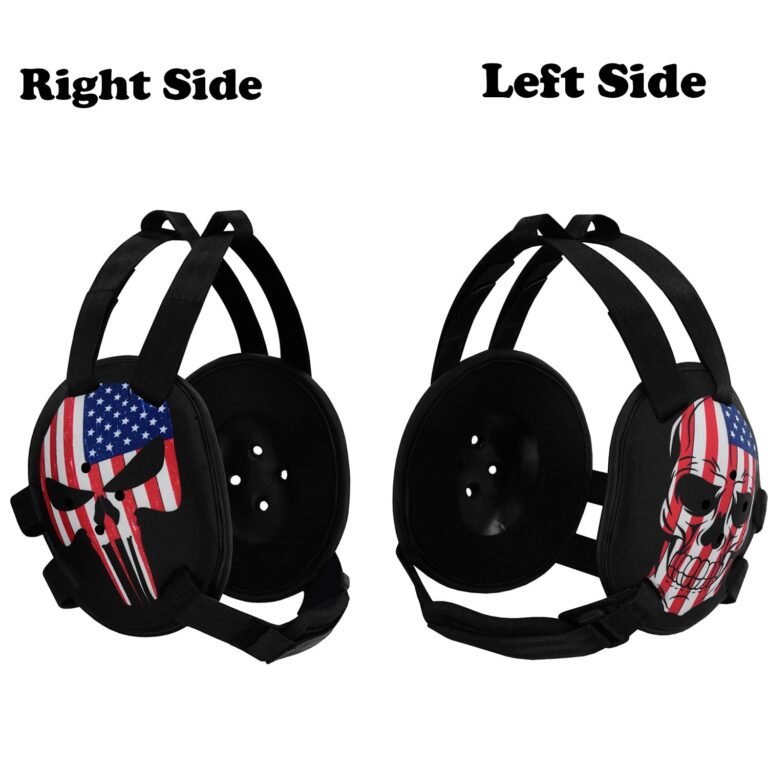
Most no-gi grapplers focus ear protection on the ground. But clinch work — collar ties, over-unders, snap-downs — creates its own ear friction that goes unaccounted for in most training plans.
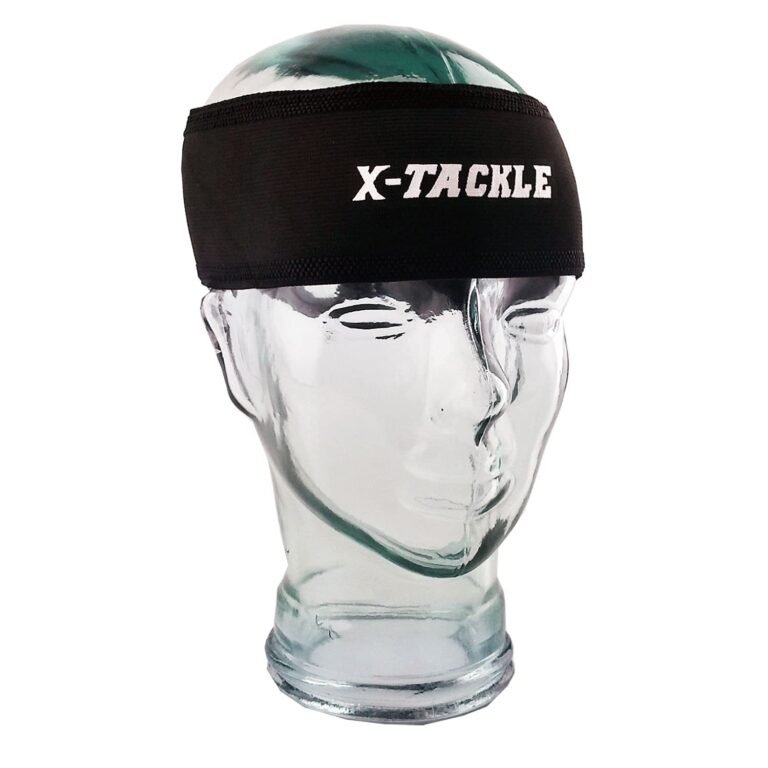
What accumulates inside your no-gi ear guards between sessions, why it matters in a no-gi training environment, and the maintenance routine that protects both your skin and your gear.
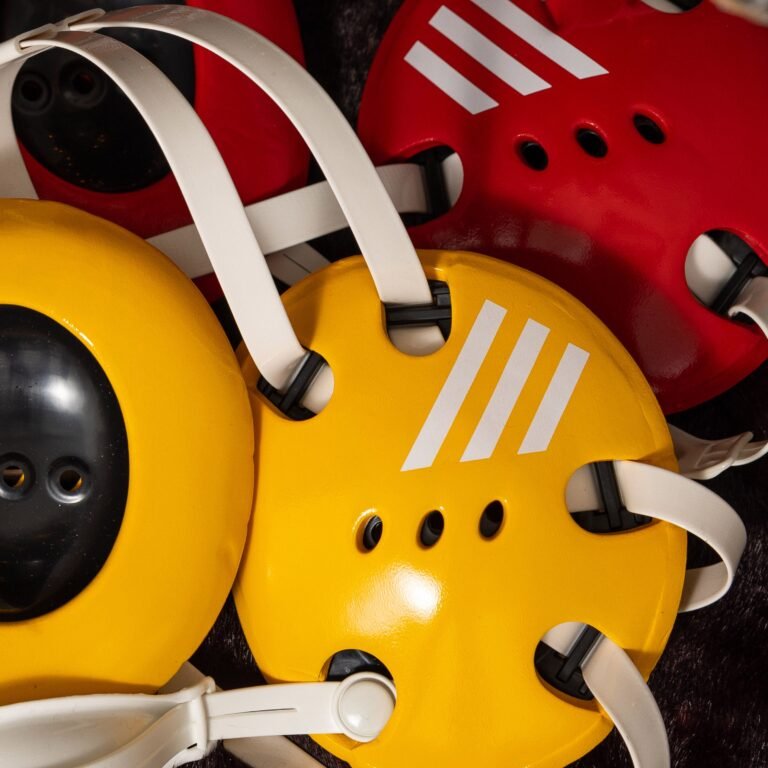
Most grapplers who give up on ear guards do it because of fit, not function. Here’s how to size no-gi ear guards correctly and keep them on through every hard round.
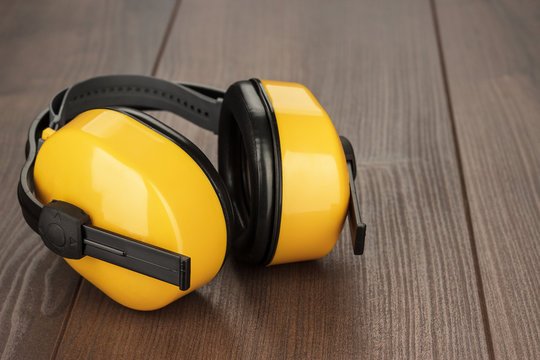
Most no-gi grapplers reach for ear guards after their first hematoma, not before. Here’s what ear protection actually does once the ear has already been hit — and why it matters differently at each stage of damage.

Most grapplers start wearing ear guards after something goes wrong. Here’s why starting before the first sign of damage is the smarter call — and how to make the habit stick from day one.
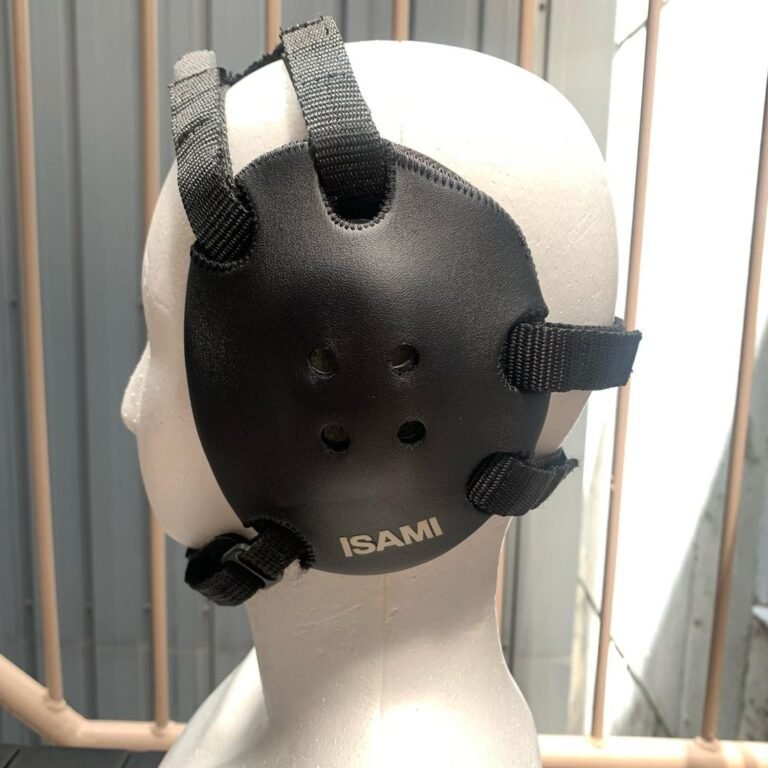
Cup depth, strap architecture, and shell material all interact differently with no-gi grappling demands. Here’s how to read an ear guard’s design before you buy.