No-Gi Ear Guard Hygiene: The Cleaning Routine That Protects Your Skin and Extends Your Gear
Grapplers spend real time deciding which ear guards to buy — strap systems versus full coverage, hard cups versus EVA foam, brand comparisons, retention reviews. Almost none of that energy goes toward what happens to the ear guards between training sessions. And yet the gear that sits cupped against your ears for ninety minutes of no-gi rolling accumulates exactly the kind of biological material that creates skin problems when you put it back on the next day.
This is not a fringe concern. No-gi grappling involves sustained head-to-mat and head-to-skin contact, higher core temperatures, and sweat output that outpaces most other combat sports disciplines. The inside surface of your ear cups — sealed against your skin, never exposed to air while you roll — becomes a compressed warm environment. Understanding what that means for your gear, and building a routine around it, is the maintenance conversation the ear guard discussion almost never reaches.
What Accumulates Inside Your Ear Guards
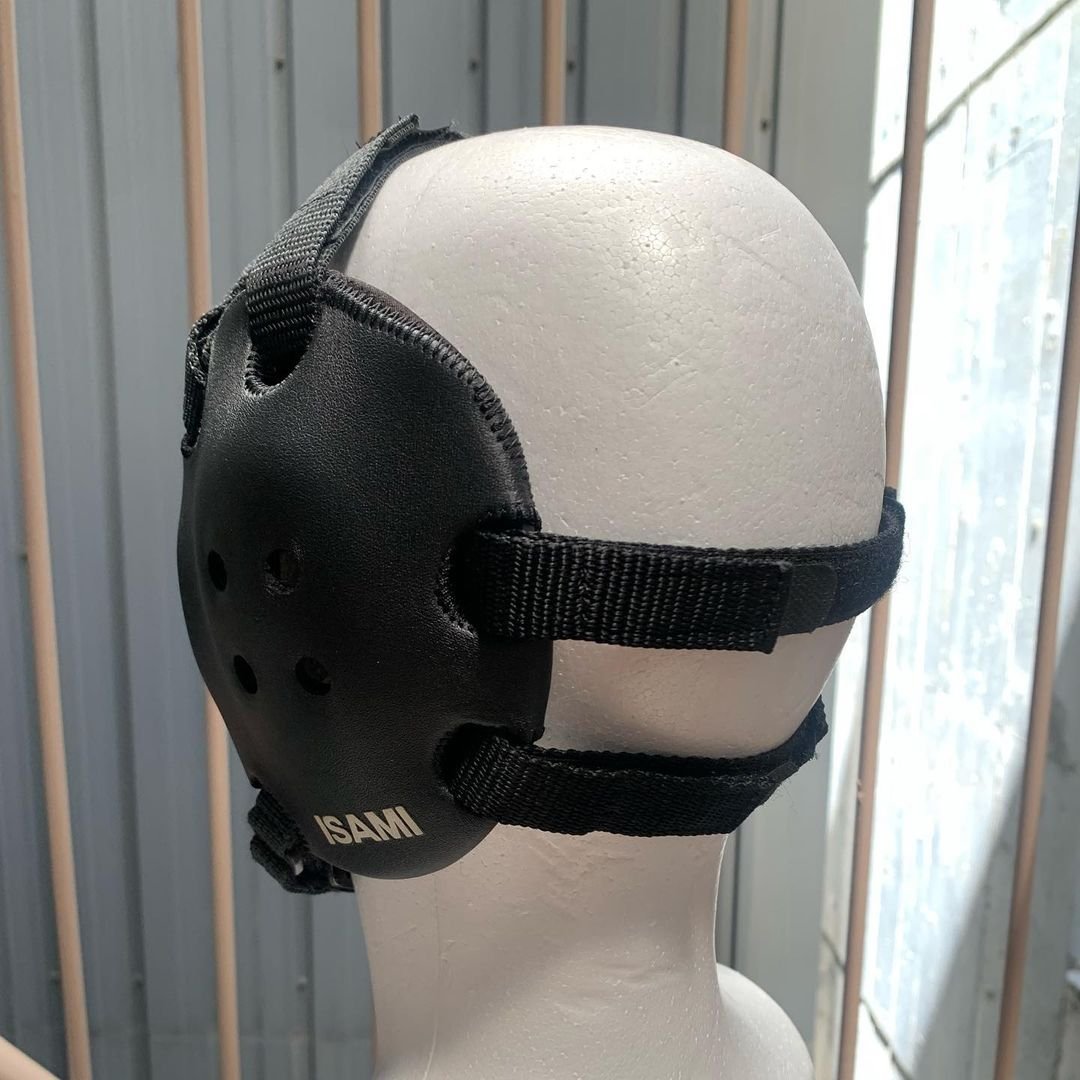
The visible surface of a used ear guard — the outer cup, the strap, the headband — tends to look relatively clean. It is the inner surface that matters. During a hard no-gi session, sweat migrates from your scalp, temples, and the skin around your ears directly into the cup lining. Sweat carries proteins, salts, and surface bacteria. Dead skin cells exfoliate under friction. By the end of a drilling session or a full round block, the inner cup has absorbed all of it.
What does not evaporate quickly in a sealed foam or silicone cup is what creates the hygiene problem. Warm, protein-rich moisture is a growth medium for Staphylococcus aureus and its drug-resistant variant MRSA, both of which circulate on wrestling and grappling mats. They transfer to your hands, forearms, and head during rolling, and the ear guard picks them up through direct contact. If your gear goes back into your bag still damp, bacteria continue multiplying for hours. When you re-wear it without cleaning, you are applying that accumulated microbial load directly against your ear canal and surrounding skin for another session.
Why No-Gi Training Conditions Make This Worse
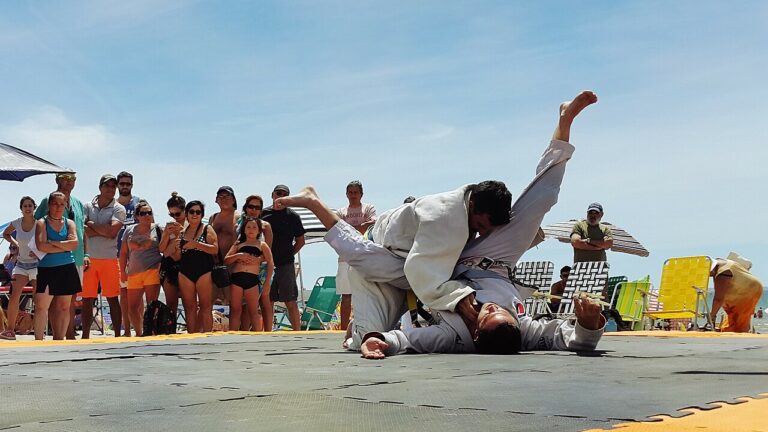
The connection between no-gi training and ear guard hygiene risk is direct: there is less textile buffering between bodies. In any grappling context where a collar and sleeve are absent, head-to-skin contact during clinches, scrambles, and guard passing is more frequent and more direct. The same applies to head-to-mat contact — the drag you feel when your head contacts rubber during a single-leg defense or a turtle escape transfers whatever is on the mat surface directly to your ear guard.
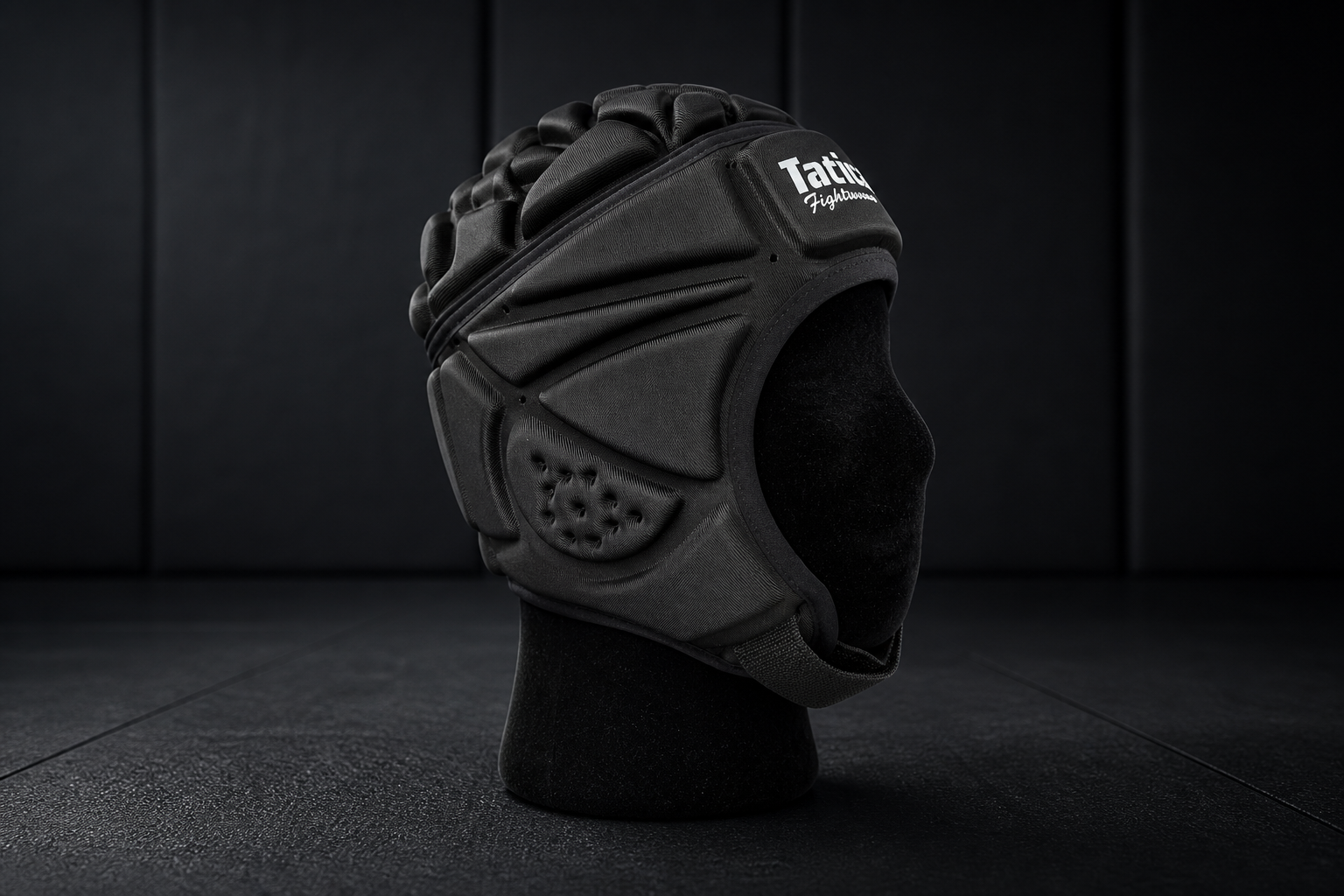
High-intensity no-gi training also generates sweat volume that is difficult to overstate. Rash guards pull moisture away from the torso, but the head does not benefit from moisture-wicking fabric in the same way. The area under an ear guard cup can remain wet for the duration of a two-hour session. The enclosed humidity of a no-gi ear guard during hard training creates the compressed warm moisture environment that accelerates buildup inside the gear — and compounds the effect of every session where post-training care gets skipped.
The Routine You Should Run After Every Session
The Immediate Step Most Grapplers Miss
The most important moment in ear guard care is not the deep clean you do at home — it is what you do in the gym immediately after training ends. Damp gear sealed into a bag for an hour-long commute creates the conditions for rapid bacterial and fungal overgrowth. The immediate step is air exposure. If you train at a facility where equipment can stay out or hang while you shower and change, that alone meaningfully extends the useful life of your gear and reduces the microbial load you bring home.
If you cannot leave gear out, wipe down the inner cups with a clean towel before they go into your bag. Reducing the moisture level — even partially — slows microbial activity. Some grapplers keep a small spray bottle of diluted isopropyl alcohol in their kit and apply it to the inner cup surfaces immediately after rolling. At 70% concentration, isopropyl alcohol is effective against the surface bacteria that accumulate fastest, and it evaporates quickly — which matters for foam liners that can absorb and hold liquid if you apply too much.
Deep Cleaning by Material Type
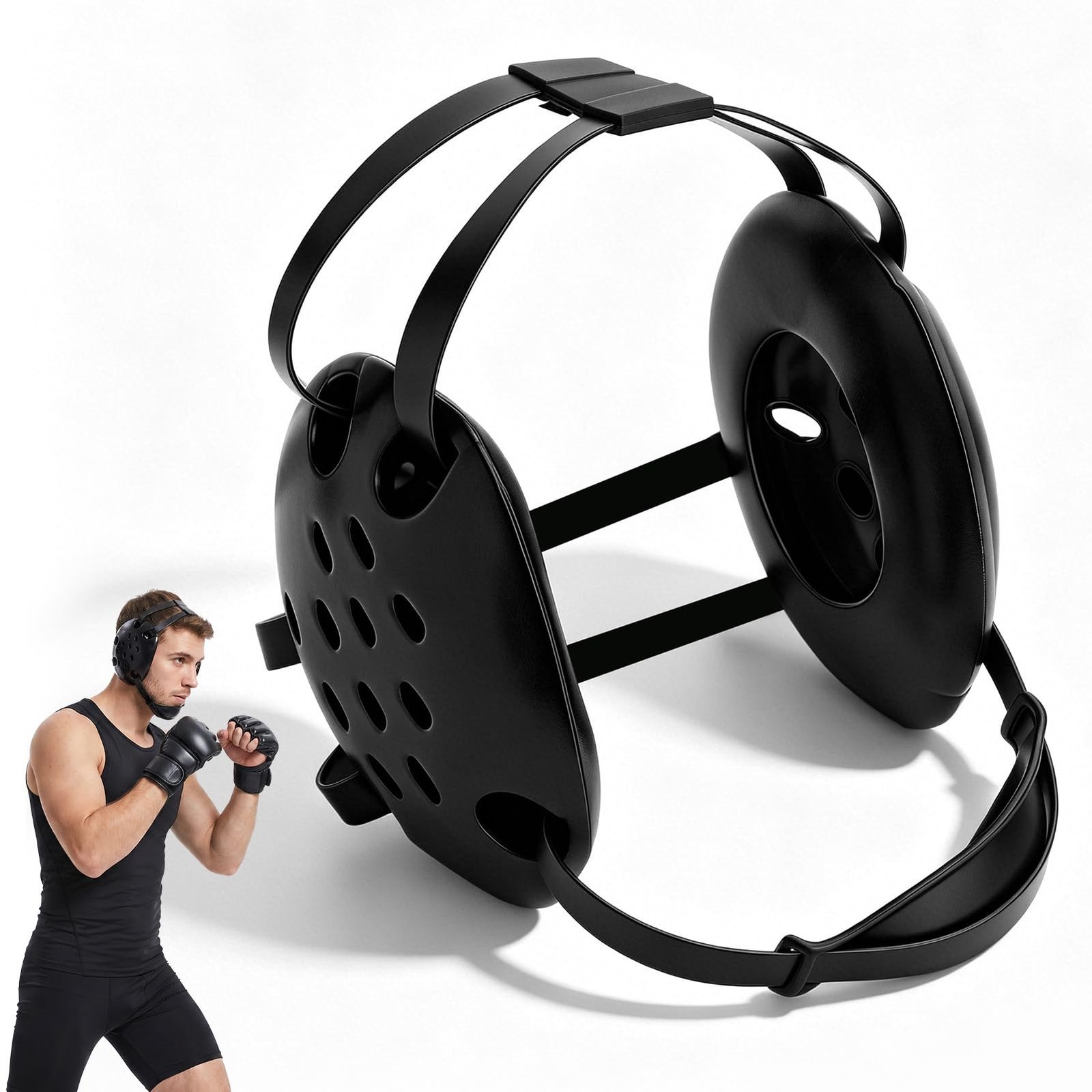
Different ear guard materials require different cleaning approaches, and using the wrong method accelerates breakdown. Hard polycarbonate or ABS cup systems — common in wrestling-derived ear guards that have crossed into no-gi use — tolerate more aggressive cleaning. Soap and warm water with a soft brush reaches into seams and recessed areas where sweat accumulates. A brief rinse followed by air drying away from direct heat handles the cups. The strap and padding elements bonded to the frame need separate attention, since foam inserts on hard-cup systems are the components most likely to hold moisture and retain odor over time.
Soft EVA foam ear guards — the style most common in MMA-adjacent no-gi gear — are more porous and require more thorough drying time. A short soak in soapy water, gentle squeezing, then extended air drying is the right approach. Avoid wringing them aggressively, which can delaminate bonded layers. Silicone-dominant systems, increasingly common in grappling-specific designs, are the easiest to maintain. Silicone does not absorb bacteria the way porous foam does and tolerates the same disinfectant products used for other non-porous training gear. The Velcro closures and elastic strap hardware on any system accumulate hair and mat debris regardless of cup material and should be part of every cleaning pass.
When Skin Reactions Signal a Hygiene Problem
Skin issues localized to the ear guard contact zone are almost always hygiene failures before they are anything else. A heat rash pattern — small raised bumps in a rough ring where the cup contacts skin — indicates the combination of trapped moisture and bacterial presence that dirty ear guards deliver session after session. Folliculitis at the contact line where the strap meets the hairline is another common presentation in grapplers who train frequently without cleaning their gear. In both cases, the equipment is the vector.
These reactions are worth treating seriously beyond the immediate discomfort because they signal a meaningful bacterial load on your equipment. In a training environment where staph is a documented risk, skin-surface infections in the ear guard contact zone can escalate. The appropriate response when you notice early signs — localized redness, persistent irritation, raised bumps along the strap line — is to pull the ear guards from rotation until they have been thoroughly cleaned and fully dried, address the skin issue, and evaluate whether your cleaning routine is actually eliminating the problem or just keeping it at a lower threshold.
How Long Ear Guards Last With Proper Maintenance
The functional lifespan of ear guards varies significantly based on how they are maintained between sessions. For hard cup systems with foam liners, the cups themselves can last years, but the foam inserts typically degrade faster — in the 12 to 18-month range for grapplers training at higher volume. Degradation shows as compression set (the foam no longer recovers its original shape after pressure is applied), visible discoloration from sweat absorption that cleaning no longer addresses, and a persistent odor that survives washing. That last indicator — odor that does not clear — means bacterial colonies have established deep in the foam matrix and surface cleaning can no longer reach them.
For soft foam and silicone systems, watch the strap hardware and bonded contact surfaces. Elastic straps lose tension after sustained sweat exposure and repeated washing cycles. Velcro closures fill with hair and debris and lose grip over time. The point at which your ear guards shift during live rolling is not just an annoyance — it means the protection the gear is supposed to provide has degraded. Grapplers who maintain their gear consistently tend to replace straps and liners as individual components rather than replacing complete systems, which is more economical across a multi-year training career.
The Ear Itself Between Sessions
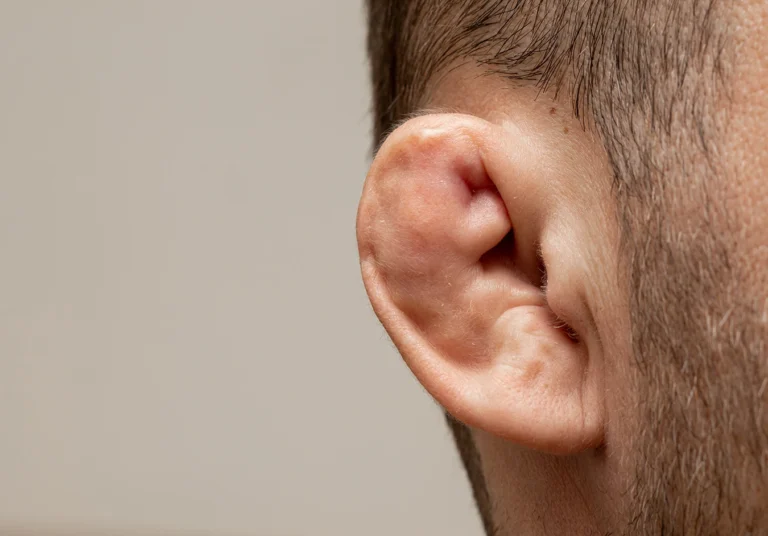
What happens inside the ear after a session of wearing sealed cup ear guards is worth understanding separately from the gear question. The ear canal is a self-cleaning system under normal conditions — an epithelial migration process moves debris outward continuously. Sealing an ear cup against the ear for extended periods during high-sweat activity traps moisture in the outer ear canal. The outer portion of the canal, where the thicker skin of the pinna transitions to the thinner canal skin, is susceptible to the warm moist conditions that promote otitis externa — commonly called swimmer’s ear — in grapplers who train frequently without allowing adequate drying time between sessions.
The practical implication is that training days benefit from a brief post-session routine for the ear itself, not just the gear. After removing your ear guards, allowing a few minutes of open air before showering gives the canal environment a chance to normalize. A gentle dry with the corner of a clean towel at the outer ear — not inserting anything into the canal itself — removes surface moisture. Grapplers who train daily or near-daily face higher cumulative exposure than those on a three-day schedule, and the compounding effect of inadequate airtime between sessions shows up as recurring outer ear infections across a training year. The ear guard protects the cartilage. The routine around it protects everything else.