The Ink Problem: How Rashguard Printing Affects Grip and Slide in No-Gi
Sublimation, screen print, or blank fabric — the way a rashguard is printed changes how it slides under an opponent’s grip. Here’s what the ink is actually doing to your rolls.
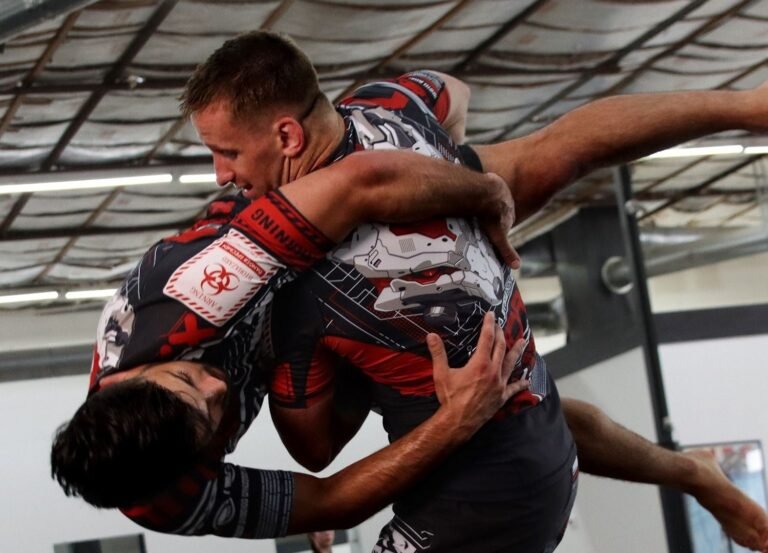
Sublimation, screen print, or blank fabric — the way a rashguard is printed changes how it slides under an opponent’s grip. Here’s what the ink is actually doing to your rolls.
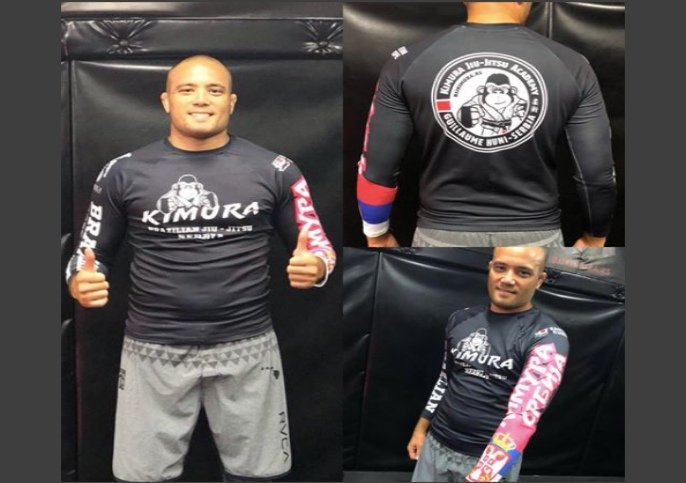
Most men size a rashguard like a t-shirt. Elite no-gi competitors size it like compression gear — and the difference shows up the moment you scramble.
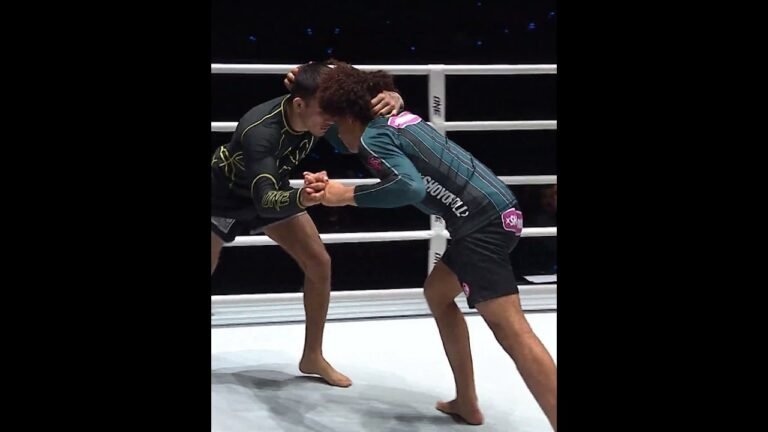
Most men judge a rashguard by how it looks on day one. The real test is what’s left of the compression, the seams, and the grip after a hundred washes and a hundred rolls.

Most men pick a rashguard by color and logo. Here’s what actually separates a good one from a bad one: sizing, sleeve length, compression, seams, and how long it survives the wash.

Sponsorship deals and podium gear failures at ADCC and PGF reveal more about the best rashguards for BJJ and grappling in 2026 than any marketing claim does.

Behind every ADCC and PGF broadcast is a quieter story: why elite no-gi competitors choose the rashguards they wear, and what that decision reveals about fit, sponsorship, and grip fighting at the highest level.
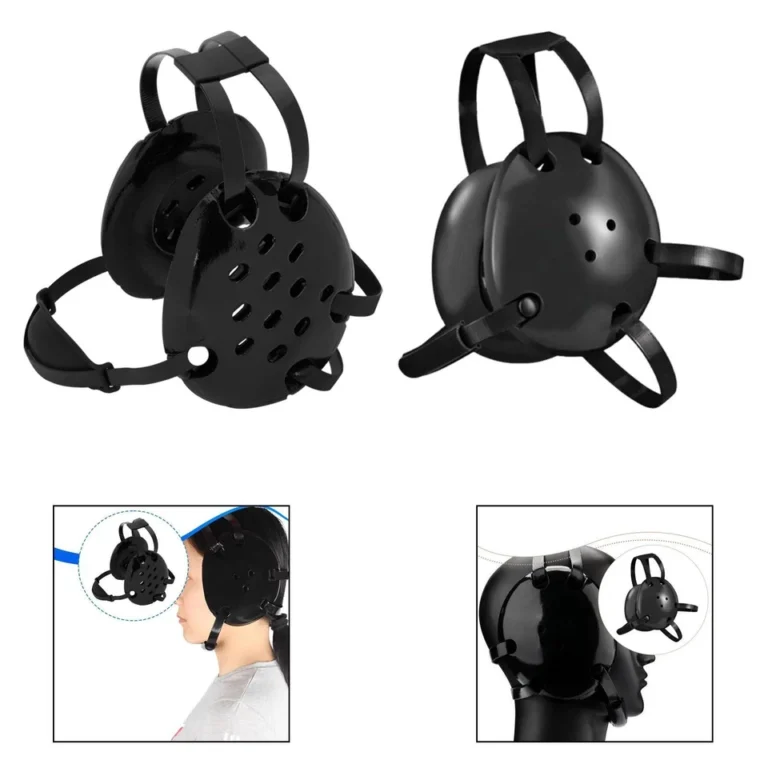
Most grapplers buy ear guards after their first cauliflower ear scare, then quietly stop wearing them within weeks. Here’s the real pattern behind the drop-off and how serious no-gi athletes fix it.

Bare skin on a shared mat is the biggest hidden risk in no-gi grappling. Here’s how rashguard fabric, spats coverage, and your laundering routine actually determine whether you catch ringworm or staph.
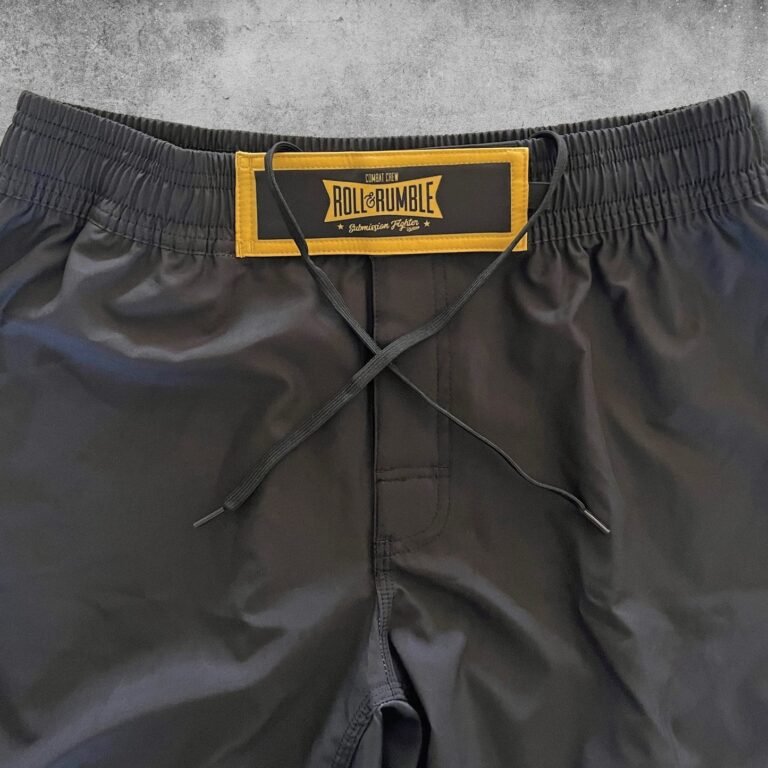
A practical breakdown of what actually goes into a no-gi grappler’s gear bag — from rashguard fabric to mouthguard fit — and why the small details matter more than brand names.
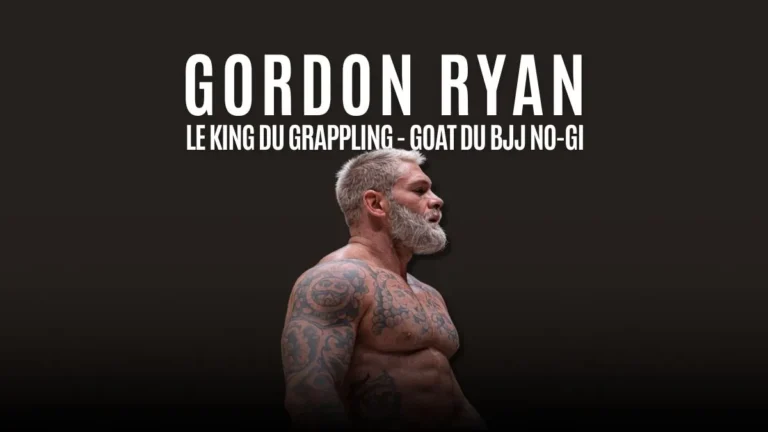
Wrestling headgear and no-gi ear guards look like they solve the same problem, but the sports demand almost opposite designs. Here’s why gear that works on a wrestling mat can become a liability in no-gi grappling.
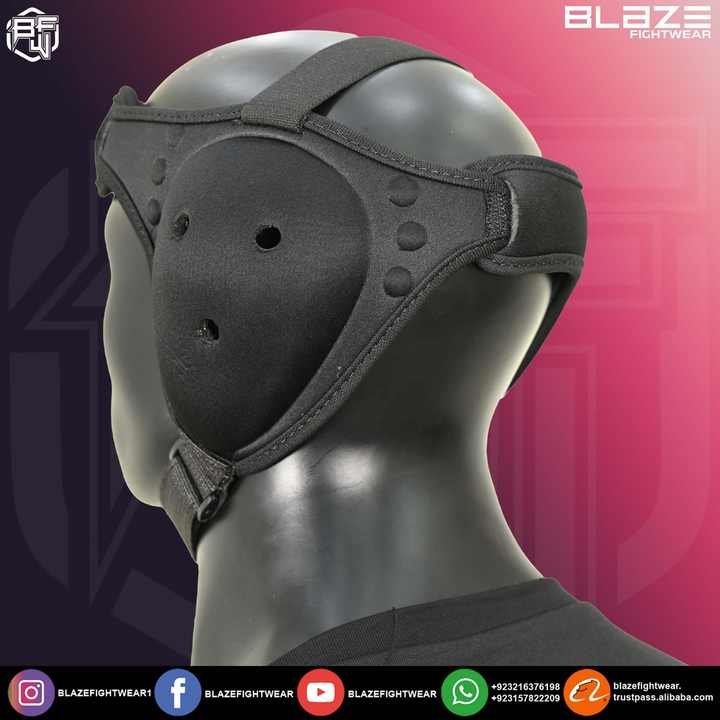
Most ear guard reviews compare brands. This one opens the guard up: the shell materials, curvature, and strap tension that actually decide whether cauliflower ear gets stopped or not.

Most no-gi grapplers replace their ear guard when the strap snaps, not when it stops working. Here’s how foam, straps, and shells actually degrade — and the point where an old ear guard quietly stops protecting you.