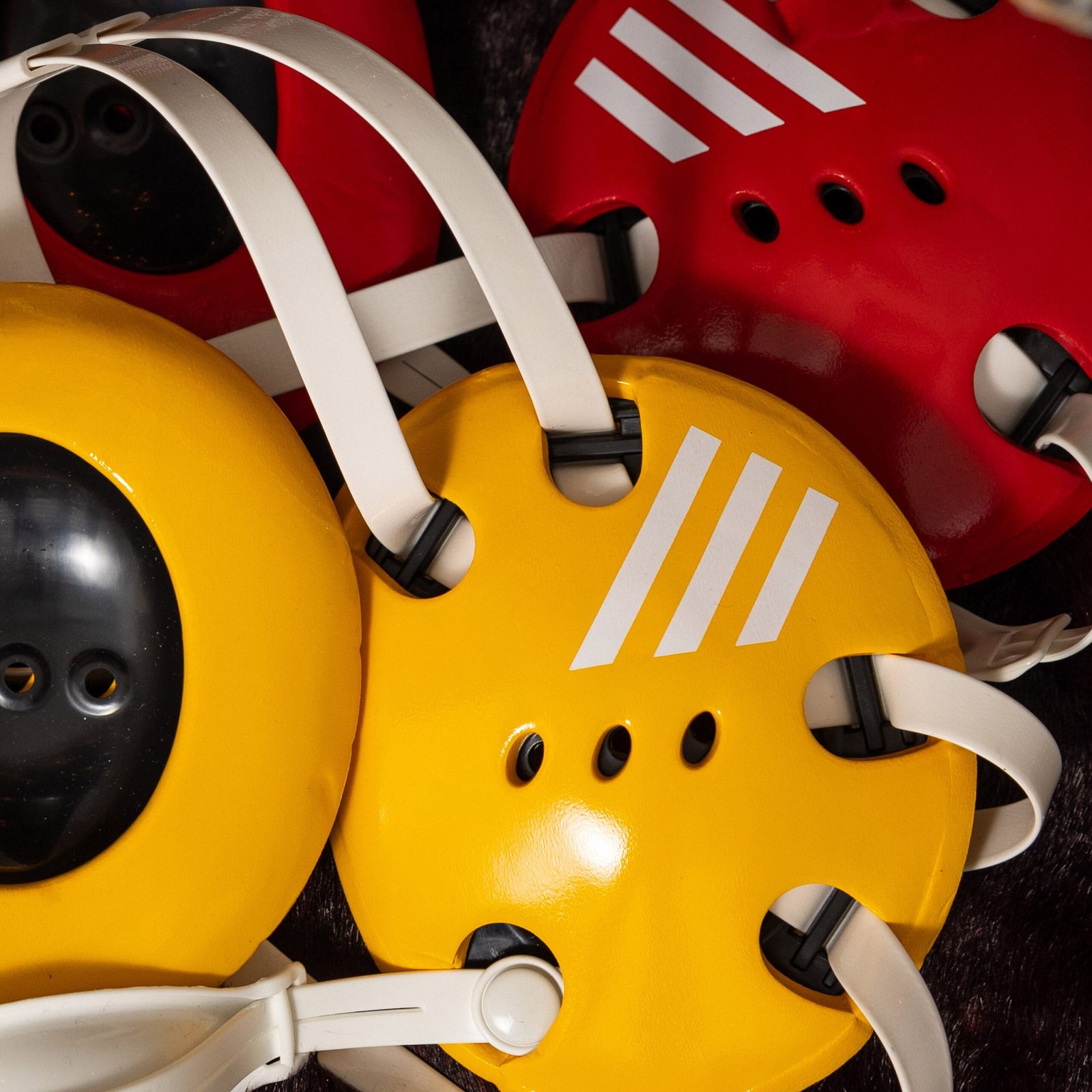
No-Gi Ear Guard Sizing and Retention: Why Fit Determines Whether You Actually Wear Them
The number of grapplers who have bought ear guards, used them for a week, then left them in a gym bag permanently isn’t a small number. Ask around any no-gi room and you’ll find them. The reason they stopped wearing them is rarely that the guards didn’t work — most worked fine as protection. The reason is that the guards kept shifting, popping off at the wrong moment, or creating enough friction and distraction that rolling started to feel like a chore. All of that is a fit problem. And a fit problem is solvable if you approach it correctly before buying, not after.
Why No-Gi Makes Ear Guard Fit Harder Than It Looks
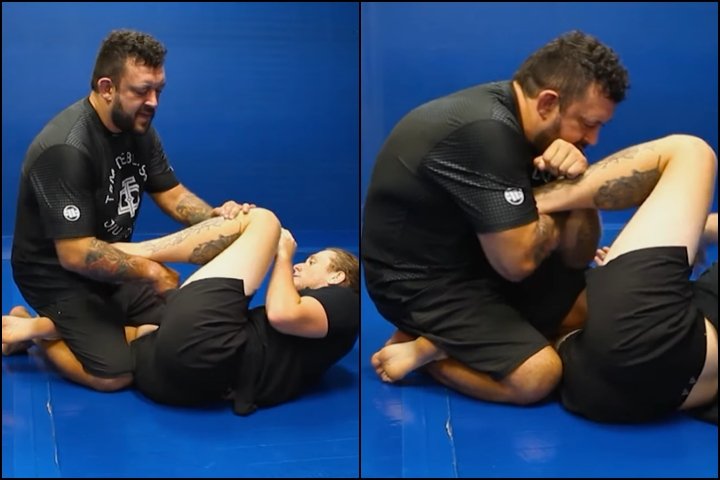
Wrestling is the origin point for most ear guard designs, and wrestling has structure — a collar, a chin strap, a relatively predictable contact zone. No-gi is different. The clinch creates underhook pressure that pushes the ear cup upward. Arm drags load the side of the head with lateral force. Front headlock positions create downward drag. Scrambles involve contact from unpredictable angles for short, explosive durations. An ear guard that holds fine in a drilling context or a light positional round can shift dramatically during a competitive round where both athletes are moving hard and neither is thinking about the guard at all.
That variability is what makes fit the central variable in whether ear guards become a permanent part of your training gear or a failed experiment. The cup itself matters, but the strap system — and whether it matches the specific mechanics of no-gi clinch work — matters more.
The Three Main Style Categories and What Each One Asks of You
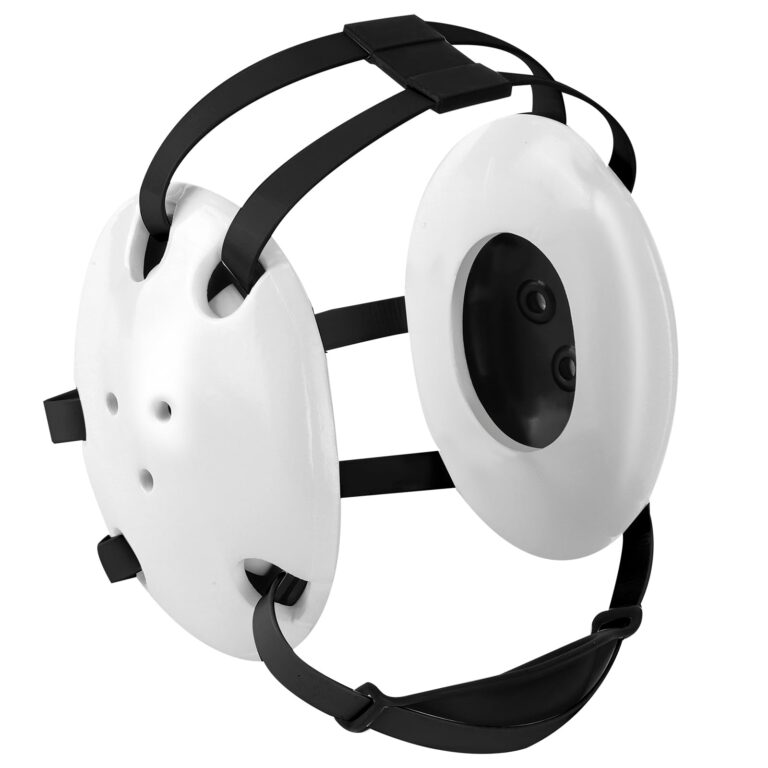
Hard shell ear guards — the kind that look closest to traditional wrestling headgear — offer the most protection and tend to have the best strap-to-head contact. The rigid cup distributes pressure across the ear rather than compressing it. They stay on well under sustained contact but can feel intrusive during head-to-head tie-ups where the shell is pressing against another person’s face or neck. For no-gi training, they’re the most reliable option under hard rolling, with the trade-off being reduced comfort during extended clinch work.
Soft cup designs sacrifice some impact protection for comfort and a lower profile. They conform more naturally to the ear and create less friction against training partners. The drawback is that soft cups tend to shift more under sustained directional pressure, and their strap systems often have less adjustability. These work well for drilling and moderate rounds but can struggle in high-effort competition prep where rounds go hard from the opening exchange.
Hybrid and adjustable-strap designs occupy the middle ground. Several brands have moved toward a rear-strap and top-strap combination that eliminates the chin strap entirely — a change driven by the BJJ and no-gi community specifically. Chin straps, while effective in wrestling, interfere with certain choke defenses and create discomfort during neck pressure positions. The chinless format is now the preferred standard for most no-gi practitioners who train regularly, and the market has followed that preference.
Sizing Before You Buy — What the Numbers Actually Mean
Most ear guard manufacturers publish head circumference sizing charts. These are useful but incomplete. The two measurements that actually determine fit are head circumference — measured just above the ears, around the widest point of the skull — and ear cup spacing, the distance between the center of your left ear canal and the center of your right. The first number tells you which size bracket to buy. The second tells you whether a specific brand’s cup spacing is going to sit correctly on your particular head geometry.
Ears are set at different positions on different heads. Some people have ears that sit higher and further back; others have ears closer to the front of the skull and lower. Generic sizing charts don’t account for this, which is why two people with identical head circumferences can have completely different experiences with the same guard. If you can try a guard before buying — at a tournament vendor table, through a training partner, or at a shop — do it. If you’re buying online, prioritize brands with clear return policies specifically for fit issues rather than general satisfaction returns, which often exclude opened gear.
A common mistake is buying based on price point, then rationalizing a fit problem as "breaking in." Some real adjustment does happen over the first few sessions — foam compresses slightly and straps seat into position. But a guard that’s genuinely the wrong size will not correct itself after twenty rounds. It’ll just be a worn-down wrong size.
The Retention System Matters More Than the Cup
The ear cup is what grapplers think about when choosing ear guards. The strap system is what determines whether they stay on. These deserve to be treated as separate decisions, and most buyers who get the first right still get the second wrong.
Rear strap designs — a single strap that goes around the back of the skull — work for lighter contact but are the most likely to shift under sustained pressure. They’re adequate for drilling contexts and lighter open-mat sessions, but rarely hold up through a full hard round that involves clinch work, scrambles, and the head-posting that happens naturally during top-position pressure passing.
Top strap designs add a band that runs over the crown of the head, creating a second anchor point. The combination of rear and top significantly improves retention during scrambles and multi-directional contact. The top strap does fix the guard at a more consistent height on the head, but in practice this constraint creates no real problems during rolling.
Chin strap designs lock the guard in place with a strap that runs under the jaw — the most secure option and the standard in folkstyle wrestling. In no-gi, they’re less popular because they can interfere with guillotine and front headlock defenses, and the strap creates friction and discomfort during sustained neck-pressure positions. If your training is heavily wrestling-influenced with long clinch sequences, the chin strap is worth reconsidering despite its associations with folkstyle. Security is security.
What to Expect in the First Sessions
The first time you roll with new ear guards, expect two things: the guards will feel intrusive, and they will shift at least once. Both are normal. The straps haven’t seated into their worn-in position, the foam is at maximum firmness, and your body hasn’t developed the spatial awareness to move naturally with added coverage around your ears. Your reactions to head-contact are going to be slightly off for a session or two — that is not a sign you bought the wrong product.
The practical approach for the first two or three sessions is to tighten the straps slightly more than feels comfortable when you’re cold, then loosen one notch after you’ve warmed up. Straps stretch microscopically under heat and movement — what feels firm before the round often feels correct mid-round. Going in too loose leads to the first pop-off, which leads to frustration, which leads to the equipment graveyard at the bottom of the gym bag.
If the guard is shifting during rear-naked choke defense or clinch work and you’re using a top-strap design, check that the top strap is making contact at the crown — not sliding backward toward the occipital shelf. A rear-sitting top strap loses most of its retention value immediately and behaves like a rear strap alone.
Where Guards Actually Fail During Hard Rounds
In hard no-gi rounds, ear guards fail at predictable moments. Scrambles from turtle position — where one athlete is posting on the other’s head — create sudden lateral loading that straps aren’t prepared for. The arm drag sets up similar dynamics: as the person being dragged is pulled past, the guard on that side of the head catches friction against the opponent’s torso or shoulder. Front headlock positions create a sustained downward-and-forward pull if the person defending is working to extract their head from the frame.
In most of these situations, the failure isn’t the cup — it’s one strap point losing tension while the other holds. The guard pivots rather than pops off cleanly, ending up sideways or with the cup partially displaced from the ear. This is the moment where you decide to pause and reset, or roll through and tighten afterward. Most grapplers develop a quick one-hand adjustment they can perform in top position or during a reset without fully interrupting the round.
The fix for chronic failure in one specific position is usually adjusting which strap bears the most tension, not switching products. Losing retention during rear-naked choke defense points to a rear strap that’s too loose. Losing it during arm drags points to the top strap. Isolate the position, identify which anchor point is the weak link, and adjust that specific strap before writing off the guard entirely.
Long-Term Fit Drift and When to Replace
Ear guards have a service life. The foam cups compress over months of use — this is expected and, for the first month or two, it actually improves fit as the foam conforms to the specific contour of your ear. After six to twelve months of regular training, that same compression starts to reduce protection. A significantly compressed cup means less cushion between your ear and whatever is contacting the guard, which erodes the primary reason you’re wearing it.
Straps stretch. Most synthetic strap materials gain length under sustained tension over time. The guard that was tight at adjustment position three six months ago may need to be worn at position one now. If you’re already at the tightest setting and the fit still feels loose during hard rounds, the retention system has exceeded its useful life regardless of how the cup looks.
Signs it’s time to replace rather than adjust: the strap is at maximum tightness and the guard still shifts during hard rolling; the foam cup has visible compression deformation that doesn’t recover between sessions; the guard is moving in positions where it previously held reliably. None of these indicate a bad product — they indicate a product that got used enough to wear out, which is the expected outcome of training gear that’s actually being used.
Making Ear Guards a Permanent Part of Your Kit
The grapplers who make ear guards a permanent training habit are the ones who solved the fit problem early and stopped thinking about the gear. When a guard fits correctly, the first three sessions are slightly awkward and everything after that is invisible. The guard becomes part of training the way a rashguard or a mouthguard does — present, functional, and completely outside conscious attention during rounds because it isn’t shifting, isn’t popping off, and isn’t creating friction with training partners.
Getting there requires treating the purchase as a fit problem first and a gear problem second. Take the head measurements before committing to a size. Understand what retention system matches your specific training context. Buy from a brand with a return option if at all possible. Give the guard three full sessions before making any judgment about whether it’s working. That process isn’t complicated — but most grapplers skip it entirely, and the ones who skip it are reliably the ones with an ear guard collecting lint at the bottom of a gym bag while their ears take quiet, cumulative damage every single round.
Sources
Image credit: adidaswrestling.com