BJJ Spats: The No-Gi Grappler’s Guide
Attendance at ADCC 2024 in Birmingham ran past 12,000 spectators, and if you watched the matches closely, you noticed something consistent across almost every competitor on the mat: spats. Not just under shorts — often worn alone, the same tight compression pants that have moved from a niche training item to standard no-gi kit at every level of the sport. For anyone still rolling in loose board shorts and wondering whether spats are worth the switch, the answer shows up fast in your first real guard session on a rough mat.
What Are BJJ Spats?
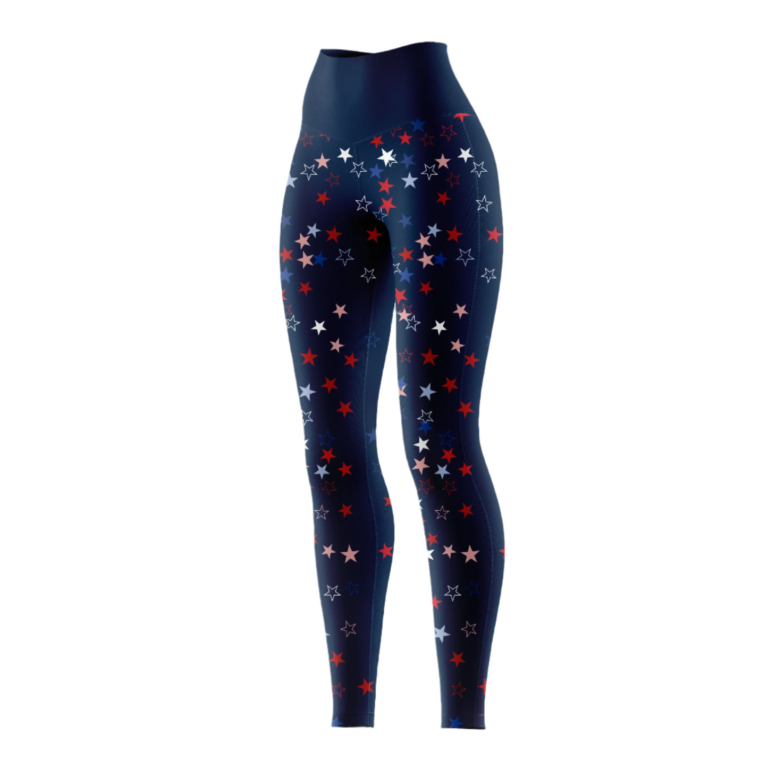
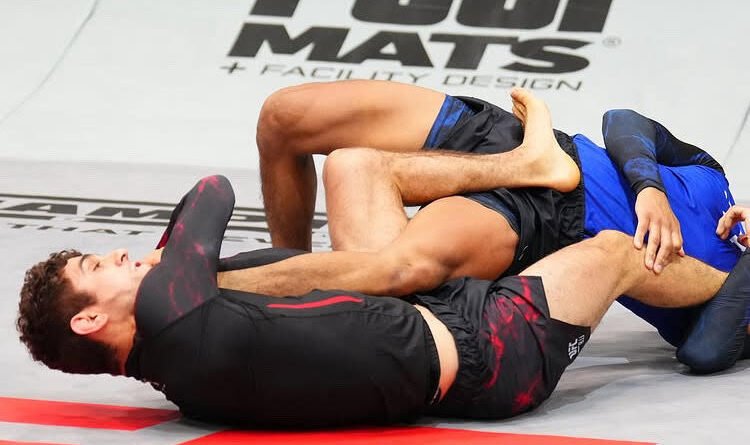
Spats are full-length compression pants, cut to the ankle, built for grappling-specific movement. The term comes from wrestling, where a similar garment was worn over singlets to prevent skin contact injuries during scrambles. In BJJ, they’ve taken on a slightly broader purpose: they protect the skin from mat burns and abrasion during extended ground sessions, reduce the friction surface that carries ringworm and staph bacteria, and give your legs a consistent surface that doesn’t shift, bunch, or catch during guard transitions.
The construction separates grappling spats from generic compression tights. Quality BJJ spats use a polyester-spandex blend — typically 85–88% polyester with 12–15% spandex or elastane — and the specific ratio matters more than the brand logo. Polyester handles abrasion and moisture; it resists pilling when dragged across a canvas mat and dries fast between rounds. Spandex provides the four-way stretch that makes hip escapes and deep guard positions feel unrestricted. Blends with too little spandex (under 10%) tend to resist movement at the hip crease and inner thigh — the exact areas you’re loading most during guard work.
Flatlock stitching is another marker worth checking. Flatlock seams lie flat against the skin rather than folding over into a ridge. In a standard overlocked seam, the folded edge creates a raised line that contacts the mat every time you post your knee or hip out. Over an hour of drilling, that ridge becomes a hot spot — not severe, but persistent. Flatlock construction eliminates it.
Spats vs. Compression Shorts: The Real Difference
Compression shorts — the mid-thigh cut common in wrestling and MMA — cover the hip flexors and upper quad but leave the knee and calf exposed. In a wrestling room where scrambles are fast and floor time is limited, that coverage range works. In BJJ, where you might spend twenty minutes working a single leg lock position or defending from bottom half guard, the exposed lower leg becomes a consistent problem.
The knee area specifically sees the most mat contact in no-gi grappling. When you’re playing butterfly guard, recovering from a failed double leg, or driving through a knee slice pass, the inner knee drags across the mat repeatedly. Full-length spats cover that surface. Compression shorts don’t. The difference becomes obvious after any session where someone’s working leg entanglements — the ashi garami and saddle positions that dominate modern no-gi put the calf, shin, and ankle into consistent mat contact. Compression shorts leave all of that exposed.
There’s also a guard retention point that experienced grapplers notice: spats give a consistent grip surface for your own legs. When you’re holding a triangle and squeezing your thigh against your own shin to complete the lock, exposed skin creates a friction mismatch. Spats create a uniform surface that makes the lock feel more stable.
Spats vs. Board Shorts: When Each Wins
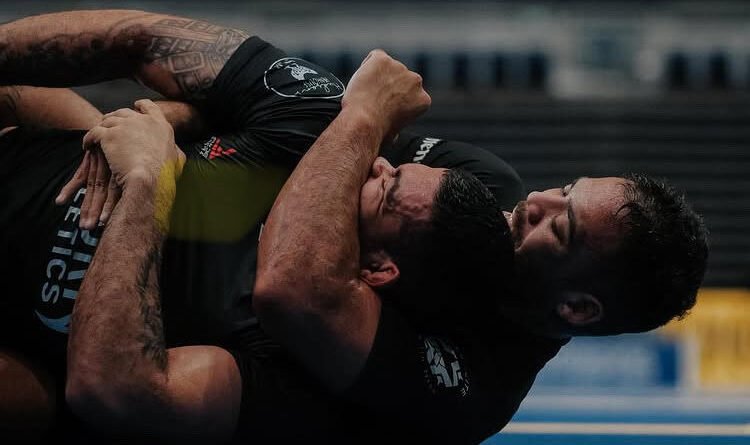
Board shorts still make sense in specific situations, and the spats-versus-shorts debate is less about which is objectively better and more about what you’re training and where you’re competing.
Competition rules shape the decision. IBJJF no-gi rules require board shorts that reach at least halfway down the thigh, with spats or compression pants allowed underneath. ADCC rules permit spats alone, or spats under shorts — the majority of high-level ADCC competitors choose spats under shorts for the grip and modesty combination. If you’re training for a competition with a specific ruleset, match your training gear to competition gear.
Climate is a secondary factor. In a gym without air conditioning in July, wearing spats alone — the way you’d see at most ADCC events — keeps body temperature more manageable than adding board shorts. In a cold gym in winter, the additional layer of shorts over spats helps. Adjust based on what your body actually does during training, not what looks standard.
The gi crossover case for spats is less obvious but real: wearing spats under your gi pants reduces the contact area between your skin and the gi fabric during deep hooks. Some grapplers notice that spats under the gi improve their ability to play spider guard — less direct fabric friction on the shin during sleeve control. It’s a minor detail, but consistent enough that plenty of gi practitioners wear spats under every training session.
What to Look For in BJJ Spats
Four things matter when you’re evaluating a pair of spats: material blend, seam construction, waistband design, and length.
On material, the 85–88% polyester and 12–15% spandex blend is the grappling standard for a reason. The Venum G-Fit spats run 87% polyester and 13% elastane; Gold BJJ runs 88/12. Below 12% spandex, the four-way stretch starts to feel restrictive in extreme hip positions. Above 20% spandex (the Revgear runs 80% nylon, 20% spandex), the fabric becomes very soft but loses some abrasion resistance — fine for drilling, but it shows wear faster on rough mats.
Some manufacturers add antimicrobial treatments to the fabric — silver ion coatings or similar finishes that slow bacterial growth between washes. These treatments reduce odor retention and are worth the modest price premium if you train every day. They don’t replace washing, but they buy time between sessions in a gym bag.
The waistband determines whether spats actually stay on your hips during scrambles. A narrow elastic waistband rolls under pressure — specifically during takedown attempts where your opponent grabs at your hips. A wide (three-inch or more), silicone-lined waistband stays flat. This is the detail that distinguishes a cheap pair from one that earns regular use.
Check that the inseam reaches the ankle. Mid-calf spats exist but expose the lower leg — which defeats the primary purpose for BJJ. Ankle-length is standard in competition gear for a reason.
How to Size BJJ Spats
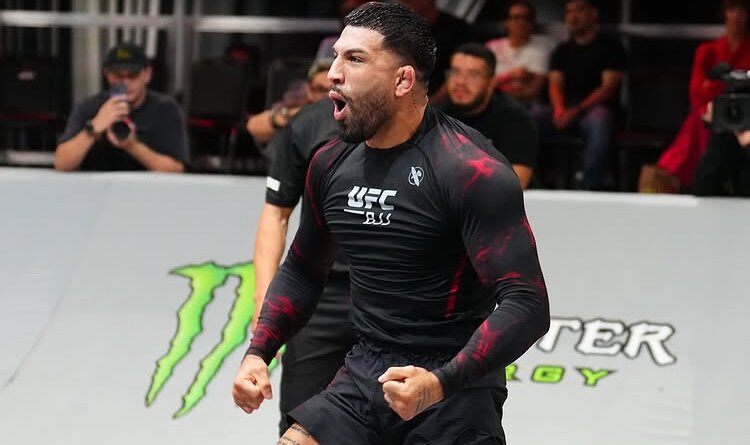
Most grappling spats size like pants: waist measurement determines the size. The critical variable is compression level versus inseam fit. A pair sized for your waist may run short if you’re tall — ankle-length on a 5’8″ athlete becomes mid-calf on a 6’2″ athlete in the same labeled size.
For compression fit: spats should feel snug across the quad and calf, like a firm compression sleeve rather than a tight tube. You should be able to complete a deep squat without the fabric pulling at the knee. If you feel restriction at the front of the hip during a hip escape simulation (lying flat, then bridging and shrimping), the pair is either too small or has insufficient spandex content.
If you’re between sizes, go up. A slightly looser fit in spats causes less problem than a pair that restricts hip extension. The waistband, not the leg, should create most of the compression sensation.
For brands sizing true to standard pants sizing — XMartial, Hayabusa, Venum G-Fit — ordering your regular pants size works reliably. For off-brand or less-reviewed manufacturers, check the inseam measurement specifically. Some brands run short to save fabric; the number on the tag won’t tell you that.
Should You Wear Spats Under Shorts?
The layered setup — spats under board shorts — is the default at most no-gi competitions and the majority of competitive training environments. It solves the competition ruleset problem (most events require shorts), adds the protection of spats, and keeps the visual profile of standard no-gi gear.
The argument against the layer is temperature. Spats under shorts in a warm gym means more fabric, more heat. This matters if you’re already running warm — some grapplers notice their gas tank shortens when they’re overheated. For indoor gyms with climate control, the temperature difference is negligible. For outdoor or poorly-ventilated training spaces, it’s worth considering.
The hygiene argument for the layered setup is strong: shorts contact the mat indirectly through the spats, which are washable and fast-drying. You’re putting a washable layer between your skin and both the mat and the shorts. This is the setup that FloGrappling’s top no-gi athletes consistently use in training footage — spats as the primary layer, shorts over for coverage and competition compliance.
One note on the IBJJF no-gi ruleset: spats must be a solid color or match the rashguard. Patterned spats that don’t match your rashguard can draw a penalty at stricter events. For training, it doesn’t matter.
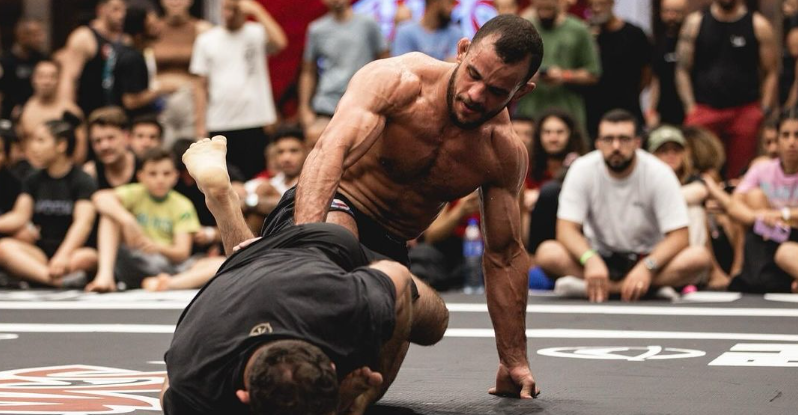
5 Mistakes No-Gi Grapplers Make with Spats
The first mistake is buying spats with insufficient spandex content. A pair listed as 90% polyester, 10% spandex will feel stiff in deep hip positions — butterfly guard, de la Riva, saddle — and grapplers often blame the spats when the real issue is the blend. Check the spec before you buy.
The second is buying a size too small in the belief that tighter means better compression. Overly tight spats restrict hip extension, and the extra pressure on the knee crease becomes noticeable after forty minutes of rolling. Snug is correct; restrictive is not.
The third mistake is skipping the antimicrobial wash routine. Spats hold sweat and skin cells in a warm, compressed environment for hours after training. Washing after every session — not every other session — is the baseline. Air-drying rather than machine-drying extends fabric life significantly; the heat from dryers breaks down spandex faster than anything else.
Fourth: wearing mid-length compression shorts instead of full-length spats and calling it equivalent. The knee and lower leg exposure the shorter cut creates is exactly where mat burn and ringworm contact occur most frequently in BJJ. If your reasoning for avoiding full-length spats is aesthetics, that’s a legitimate personal preference. If you think the shorter cut covers the same ground hygienically, it doesn’t.
Fifth — and most common among newer grapplers — is skipping spats altogether because they feel unfamiliar or look unusual. This is the one that results in mat burn on the inner knee during your third week of training, followed by buying spats anyway. The resistance to trying them usually disappears after the first session where you actually compare rolling with and without them on a rough canvas mat.
For more on no-gi gear selection, the logic behind short sleeve vs. long sleeve rashguards follows the same principles as the spats decision — coverage, temperature, and what your training actually demands. And if you’re building out your guard game alongside your gear kit, the guillotine choke defense breakdown covers positions where your lower leg position — and therefore your spats coverage — becomes relevant to the submission defense itself.

Spats reward grapplers who commit to them consistently rather than alternating with shorts by feel. The skin adaptation to rough mats that happens over months of consistent training goes faster when you’re protecting rather than abrading the same skin repeatedly. The hygiene benefit compounds the same way: fewer infections means fewer missed training weeks, which means more consistent mat time. What starts as a gear choice becomes part of how you build a sustainable training practice at any level of the sport.
Sources
- ADCC Submission Wrestling Rules — ADCC Official
- Best BJJ Spats (2025): Bought & Tested On The Mats — Sweet Science of Fighting
- IBJJF General Rules — International Brazilian Jiu-Jitsu Federation
- ADCC 2026 Results: Full Brackets, Champions And Medal Winners — FloGrappling