Short Sleeve vs Long Sleeve Rashguards: What Your No-Gi Game Actually Demands
Every no-gi grappler eventually faces the same question standing in front of a wall of rashguards: short sleeve or long? The debate sounds trivial, but the answer depends on factors most gear guides skip entirely — your preferred positions, training frequency, gym temperature, opponent tendencies, and competition context. Both sleeve lengths carry genuine performance advantages. Neither is objectively superior. The choice between them is a real trade-off, and understanding it means you stop buying on impulse and start buying right.
Why Sleeve Length Changes More Than You Think
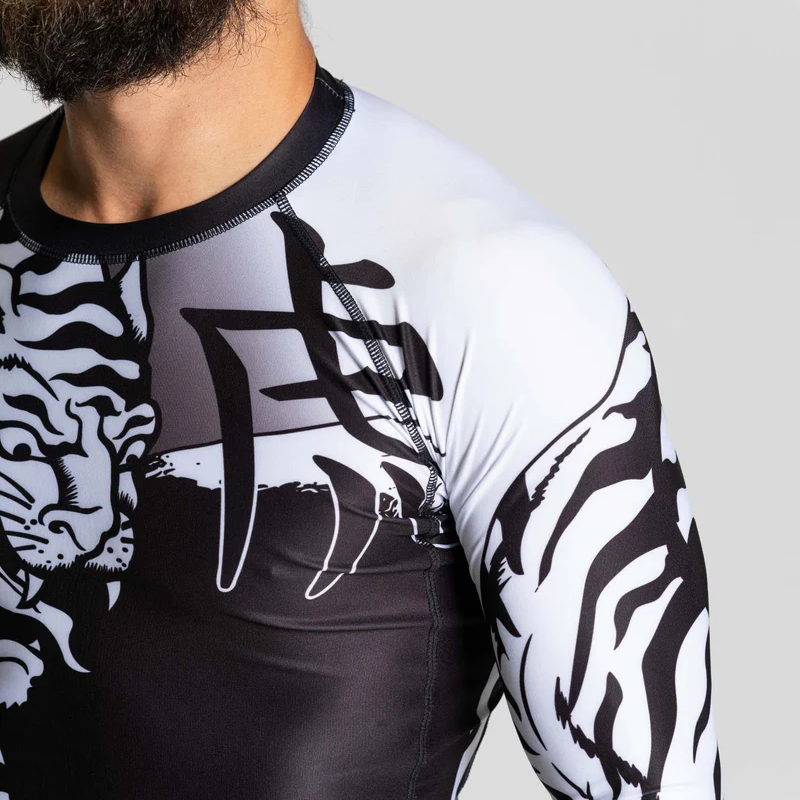
A rashguard’s core job is compression, sweat management, and skin protection. On the first two, sleeve length makes minimal difference — a well-constructed short sleeve and a well-constructed long sleeve from the same manufacturer will compress your torso and upper arms similarly and wick moisture at comparable rates. What sleeve length actually changes is the surface area of fabric your arms present to your opponent during a live match.
In no-gi grappling, that fabric surface area is a live variable. Opponents use whatever they can find. A sleeve cuff sitting at the wrist becomes a grip point during scrambles. The fabric on your forearm creates friction in arm drags and wrist control exchanges. Simultaneously, that same fabric acts as a shield between your skin and the mat during hip escapes, forearm posts, and rolls. Short sleeves strip away a potential control surface for your opponent. Long sleeves add a protective layer for your skin. The decision comes down to which of those two things matters more to how you actually train and compete.
The Short Sleeve Rashguard Case
Mobility and Guard Freedom
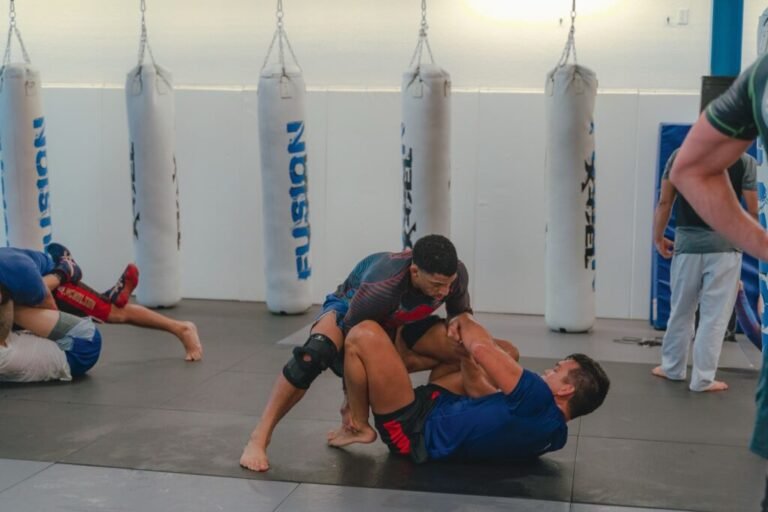
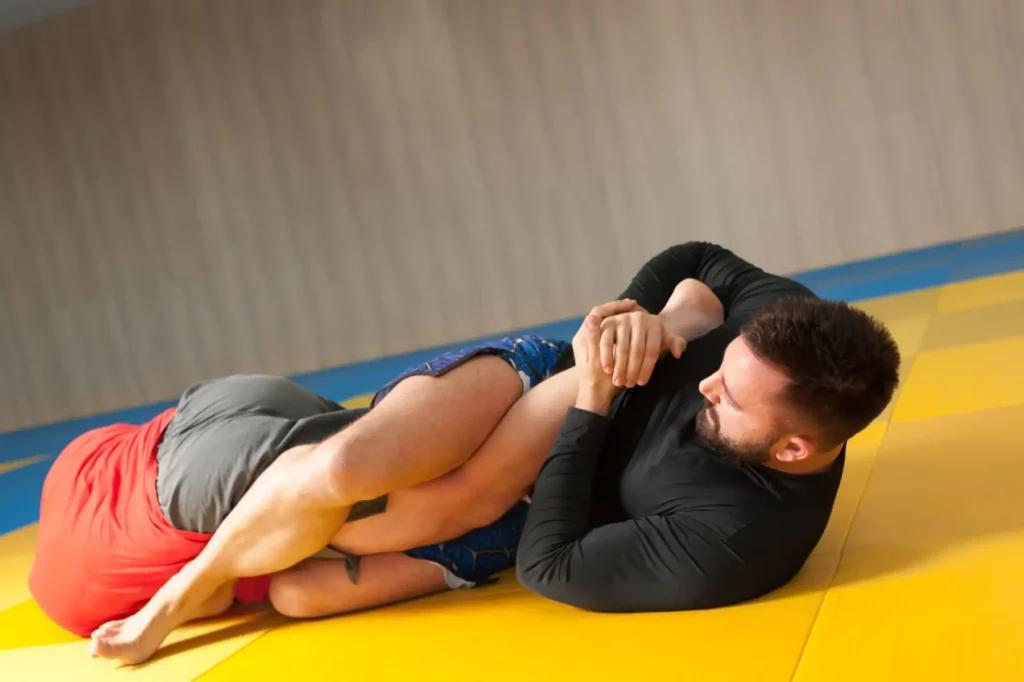
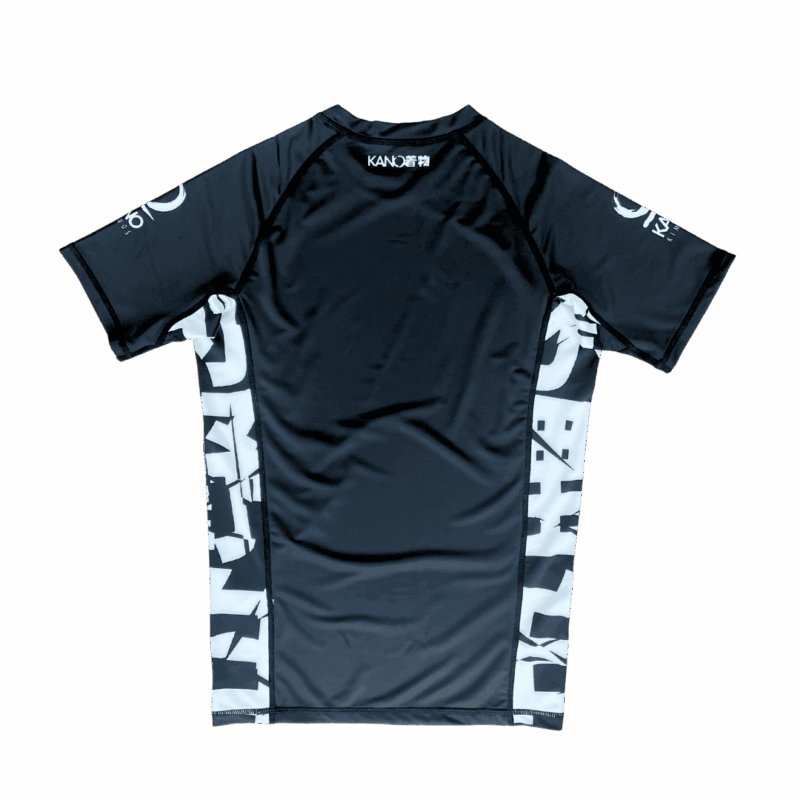
Guard players spend significant time with their arms fully extended — shooting for wrist control, building frames, and fighting for underhooks from their back. Short sleeves keep the forearm completely unobstructed. When you’re working butterfly guard entries, defending single legs from seated positions, or controlling your opponent during open guard exchanges, the absence of sleeve fabric from the elbow down removes small mechanical friction that accumulates across a full drilling session. For grapplers whose game runs primarily through the bottom position, that reduced drag on the forearm is a genuine, if modest, benefit that compounds over the course of a hard training week.
Grip Denial and Arm Control
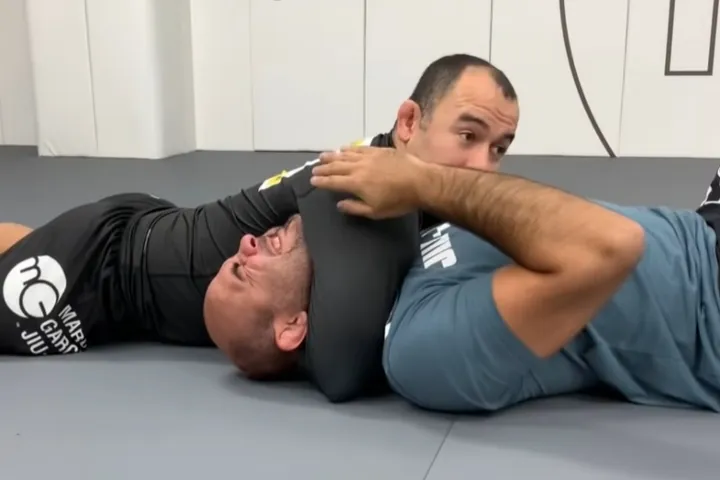
This is where short sleeves earn their clearest functional advantage. In no-gi, anything that can be grabbed will be grabbed. A long sleeve cuff at the wrist is a subtle but real control handle — wrestling-based grapplers who work inside position, level changes, and body lock takedowns know exactly how to redirect your arm using that fabric. It happens in live training constantly, often below the level of conscious awareness from the person being controlled. Short sleeves eliminate that handle entirely. You’re denying your opponent a grip surface they would otherwise use in scrambles, particularly in the transition phase where arm position determines who captures dominant control first.
Heat Management in High-Volume Training
If your gym runs warm, or if you’re completing multiple sessions in a single day, short sleeves keep you measurably cooler. The temperature difference isn’t dramatic, but across a two-hour hard drilling session in a gym without strong air conditioning, the reduction in forearm fabric matters. Long sleeves also accumulate sweat against the inner forearm, and saturated fabric grinding against skin during sustained guard retention work creates a discomfort that compounds over rounds. Short sleeves sidestep that entirely, which is why many high-volume competitive grapplers default to short sleeve during their heavy training blocks regardless of their preference for competition.
The Long Sleeve Rashguard Case
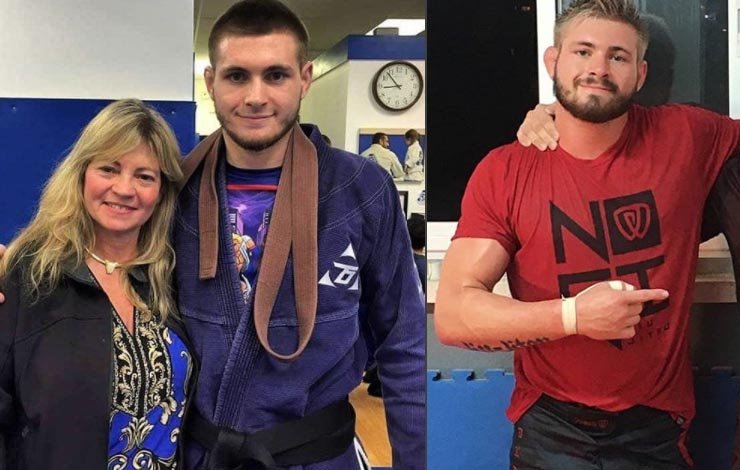
Mat Burns Are the Tax — Long Sleeves Reduce the Rate
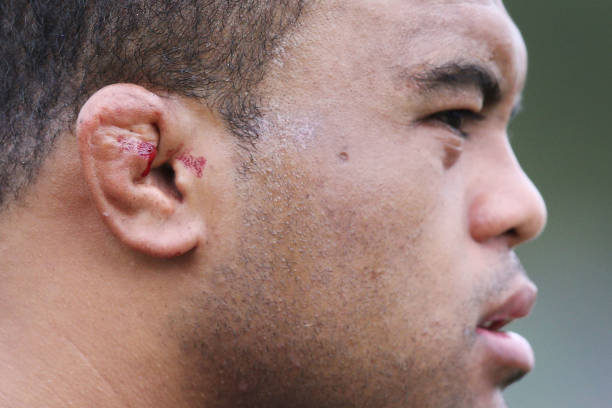
Mat burn is the ongoing cost of frequent no-gi training, and the inner forearm is where most grapplers feel it first. Hip escapes drag the forearm across the mat. Arm drags abrade the inner elbow. Posting during scrambles grinds the forearm against textured mat surfaces session after session. Long sleeve rashguards cover exactly that area. For grapplers training four or more times per week, the long sleeve’s skin coverage measurably slows the accumulation of raw, open skin that turns Thursday training into something you’re managing around rather than going through fully. This isn’t a marginal benefit — it’s a direct quality-of-life gain that compounds across a serious training week.
Infection Risk and Fabric as a Barrier
Skin infections — ringworm, staph, impetigo — are an ongoing risk in no-gi training environments, especially at high-traffic open mats, regional competitions, and gyms that see consistent guest training. Long sleeves create a physical barrier between your skin and the mat and between your skin and your training partner’s skin. This doesn’t guarantee protection against infection, but reducing skin-to-surface contact area reduces the exposure that makes transmission possible. Grapplers who travel to competitions regularly, train at multiple gyms, or roll with a rotating roster of unfamiliar partners have a real hygiene argument for long sleeves that goes beyond simple comfort preference.
Cold Gyms and Compression Value
In gyms where air conditioning runs hard, or during cooler months, long sleeve rashguards do real work during warm-up and the early rounds of training when body temperature hasn’t fully climbed. Arm muscles that stay warmer stay looser. This is especially relevant for morning sessions, when ambient temperature is lower and core body heat builds more slowly than in an evening session with a full gym. Some grapplers use sleeve length tactically by session type — long sleeves for cold morning drilling blocks, short sleeves for evening live training when the gym is already warm. That’s a practical system, not overthinking the gear decision.

How Your Preferred Positions Should Drive the Choice
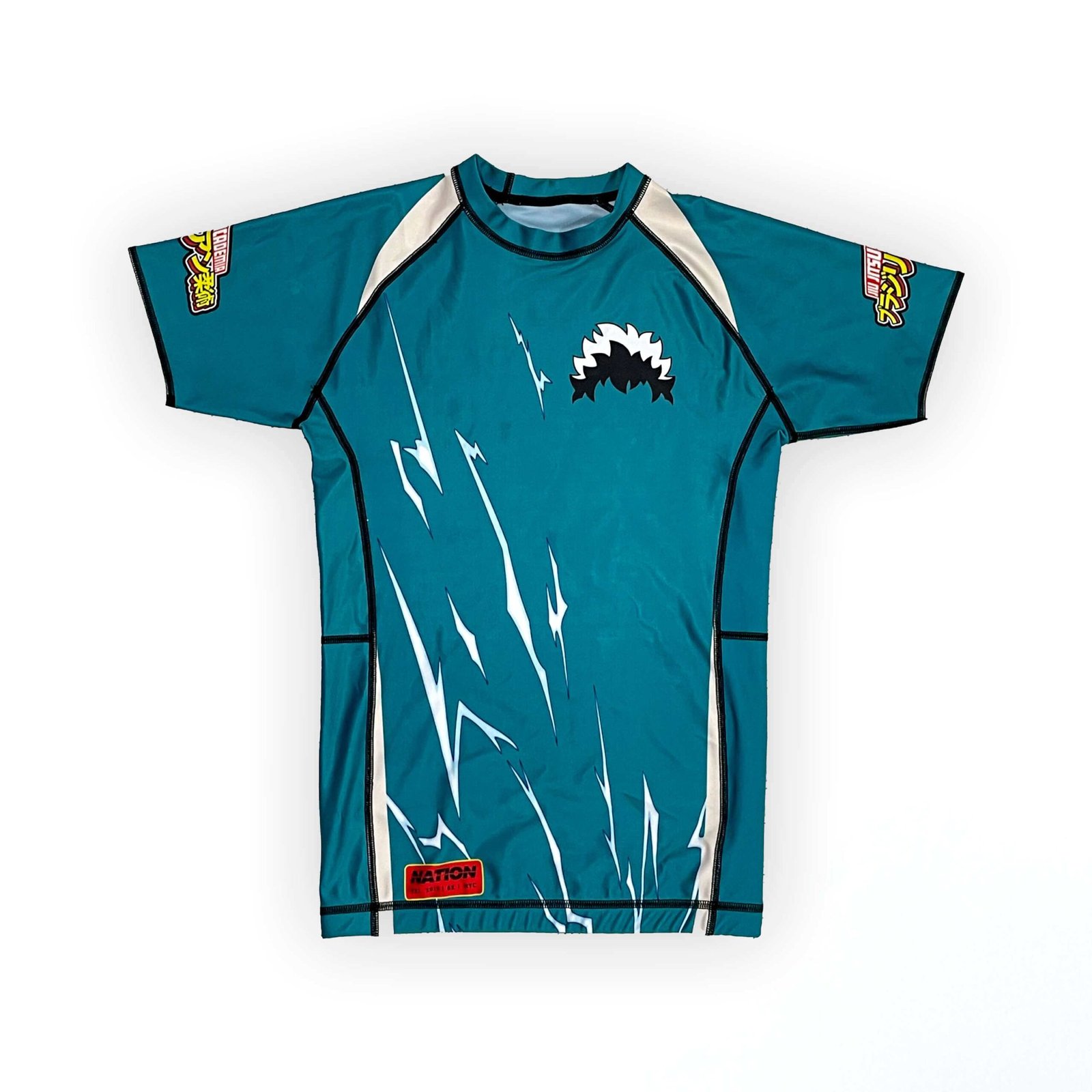
Position preferences are the most underweighted factor in the sleeve length decision, and also the most personal. Guard players — particularly those who run open guard systems adapted for no-gi, leg entanglement entries, or deep half guard — generate significant forearm contact with the mat and with their opponent’s legs. That contact accumulates across a week of training. Long sleeves address it directly by keeping the skin covered during the positions that cause the most abrasion. Wrestlers and takedown-heavy grapplers who spend the majority of their time on their feet, clinching and level-changing, face far less forearm contact with the mat and often prefer the unrestricted feel of short sleeves in the clinch and during level changes.
Leg lockers present an interesting specific case. Inside heel hook entries, inside sankaku work, and saddle position battles all involve sustained upper body proximity to your opponent’s hips and inner thighs. Long sleeve fabric in this position gives your arms additional grip texture against the leg, which some leg lockers use deliberately to maintain inside position during reaping entries and prevent the leg from being cleared. Short sleeves do the opposite — they reduce the grab surface on your arm for your opponent as they fight to clear the entanglement. Depending on which side of the inside position battle you find yourself on more consistently, that distinction is worth accounting for.
Competition and the Sleeve Length Decision
ADCC, Polaris, IBJJF No-Gi Worlds, and the majority of regional no-gi promotions permit both short and long sleeve rashguards without restriction. Sleeve length doesn’t appear in most rulesets as a regulated variable — both are legal across virtually every submission grappling format. What changes at competition is the conditions under which you’re making the trade-off, and those conditions are meaningfully different from your home gym.
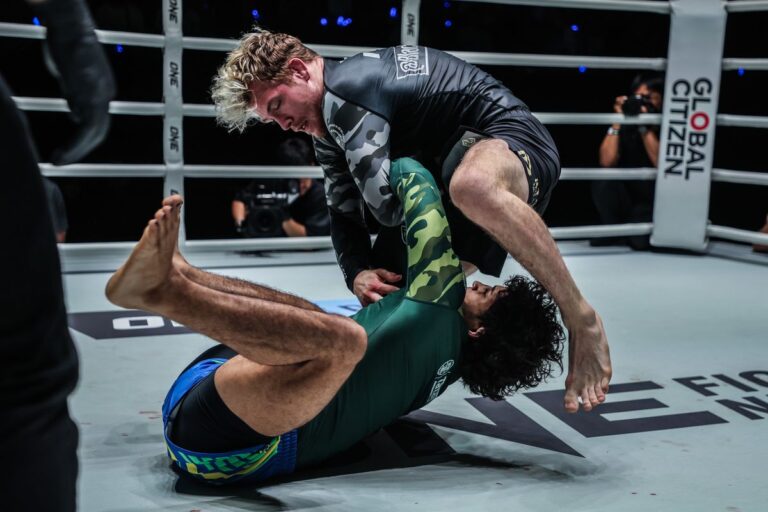
Competition generates more body heat than training — adrenaline, nerves, and the intensity of elimination matches all push core temperature higher than a typical sparring round. Under those conditions, many competitors find short sleeves more manageable for the later rounds of a bracket day. However, the skin protection argument for long sleeves applies at competition with equal force. A single hard scramble on a rough competition mat can open forearm skin that then causes discomfort through the remainder of your bracket. One raw patch on the inner forearm in the second round of a full tournament day is a legitimate performance distraction, especially in a close match where you need to concentrate on the grappling.
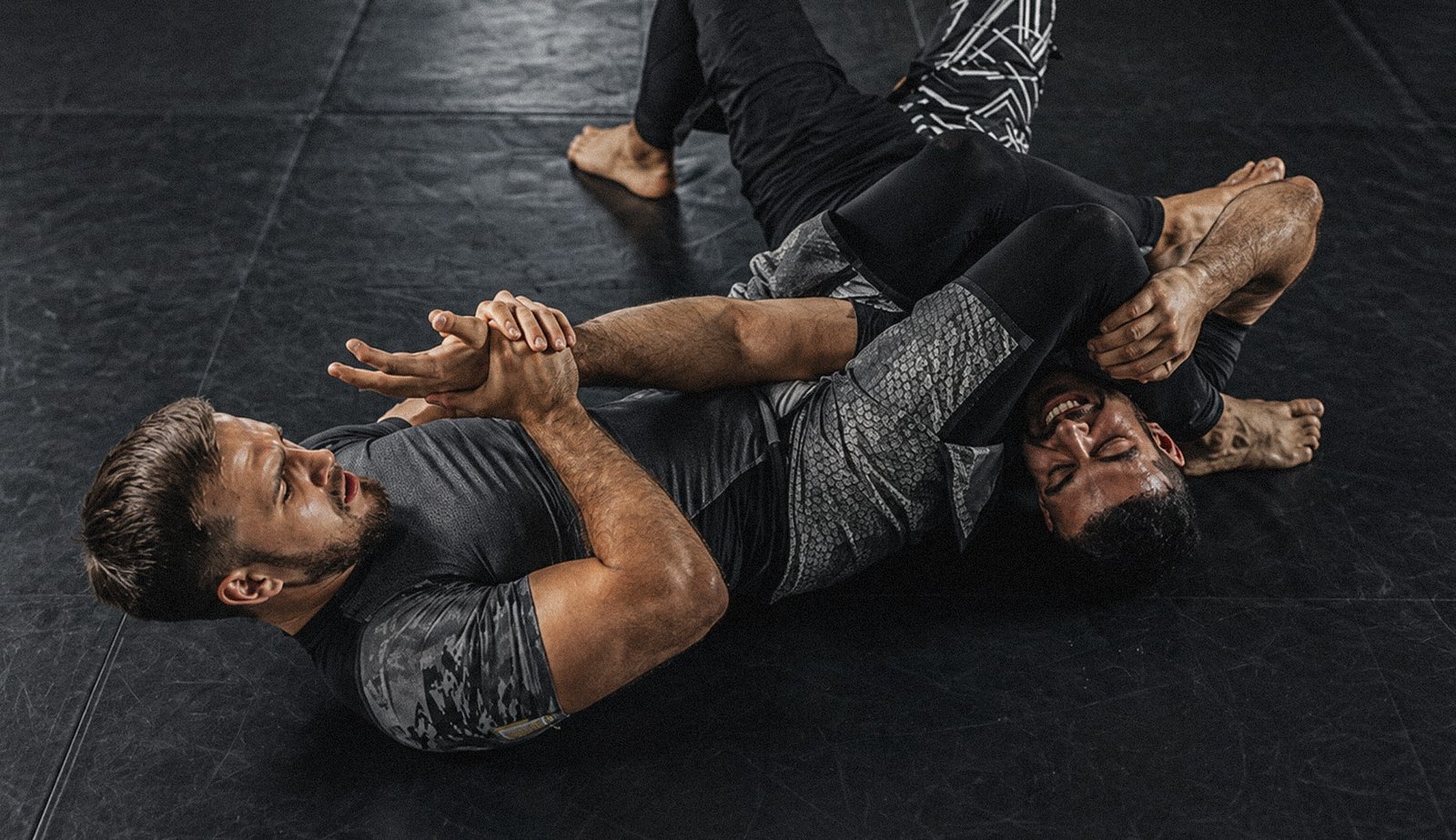
The practical answer most experienced competitors land on: bring both. Long sleeves for warm-up and early rounds when heat is manageable. Short sleeves if you’re overheating in deep elimination brackets. This isn’t excess gear hoarding — it’s the same logic that keeps spare tape, a backup mouthguard, and a change of shorts in your competition bag. Sleeve length adaptability is genuine gear management, and grapplers who compete regularly treat it that way.
What Actually Matters More Than Sleeve Length
Before sleeve length dominates your buying decision, it’s worth grounding the whole conversation in what actually drives rashguard performance: material construction, compression level, and seam quality. A high-quality short sleeve rashguard will outperform a low-quality long sleeve on every measurable metric except skin coverage. The polyester-spandex ratio, the flatlock stitching on the seams, and the compression grade of the fabric determine how well the garment performs under sustained training load. Sleeve length is a performance variable within quality level — it’s not a substitute for quality itself.
For no-gi specifically, look for rashguards built with four-way stretch fabric in the 80–85% polyester, 15–20% spandex range. That ratio delivers compression without the rigidity that restricts shoulder mobility in guard work. Flatlock seams reduce the chafing that becomes a real issue under the arms and across the chest during extended rounds. Sleeve length becomes a meaningful variable only once the base construction is sound. Browse no-gi rashguards on Amazon to compare options across sleeve lengths and construction quality before committing.
Making the Call
The simplified version of this decision runs as follows. If skin protection and infection prevention are your primary concerns — especially if you train four or more times per week, compete at high-traffic venues, or play guard-heavy styles with sustained forearm contact against the mat — start with long sleeve. If grip denial, position freedom, and heat management lead your priorities — especially if you play a wrestling-based game, train in a consistently warm environment, or prioritize giving your opponent as little to work with as possible — start with short sleeve. If you train seriously and can afford both, own at least one of each and rotate them based on session type and training conditions.
The sleeve length choice doesn’t make you a better grappler. The rashguard decision that actually moves the needle is construction quality — compression level, seam engineering, and material durability. Sleeve length shapes the trade-off at the margins. Understanding those margins means the next rashguard you buy is the right one for how you actually train.
Sources
- ADCC — Abu Dhabi Combat Club Official Site
- FloGrappling — Submission Grappling Coverage
- BJJ Heroes — Grappling Athlete Reference