Why Ear Guards Still Fail: The No-Gi Positions Where Cauliflower Ear Gets Through
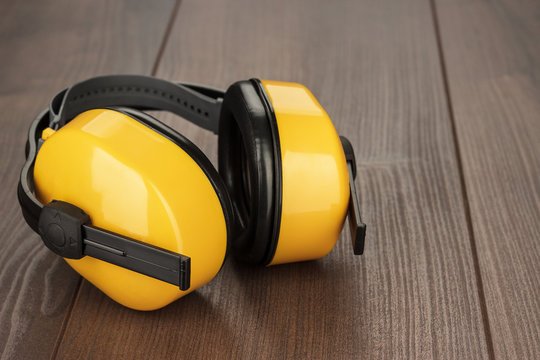
Walk through the bullpen at any ADCC trial or regional no-gi open and you’ll spot it: a competitor with a brand-new pair of ear guards strapped on tight, and underneath the plastic, an ear that’s already starting to thicken. Ear guards get sold as a solution. In practice, they’re closer to a seatbelt — they cut the odds of injury dramatically, but they don’t make the odds zero. Grapplers who wear them every single session still walk away with early-stage cauliflower ear, and the reason isn’t that the gear is junk. It’s that certain positions put load on the ear in ways no guard is built to fully absorb.
Understanding where guards actually fail — not whether they work, but under what conditions they stop working — is the difference between buying a pair and forgetting about your ears, and buying a pair while still training smart enough to keep them useful.
A Guard Isn’t a Forcefield
Cauliflower ear forms when the perichondrium — the thin layer of tissue wrapped around the ear’s cartilage — separates from the cartilage underneath, usually from repeated friction or a direct shearing blow. Blood or fluid pools in that gap, and if it isn’t drained, the cartilage loses its blood supply and hardens into the permanent lumpy shape wrestlers and grapplers have worn as a badge for a century.
An ear guard’s job is to spread out impact and reduce direct friction against the ear. It does that well against a flat forearm rubbing across the side of the head or an accidental headbutt in scramble range. What it does poorly is resist rotational torque — the ear getting twisted or pinned at an angle while the head is still moving. That’s a mechanical limitation, not a manufacturing defect, and it’s the reason two grapplers wearing the exact same guard can have completely different outcomes depending on what position they live in.
Where the Damage Actually Happens
The Cross-Face in Guard Passing
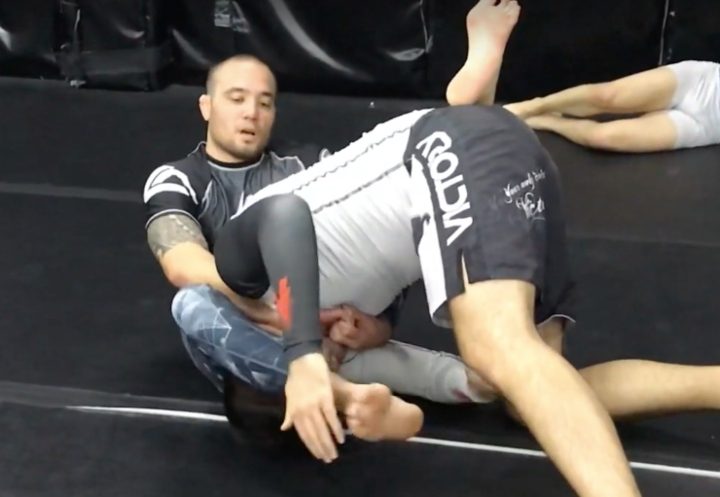
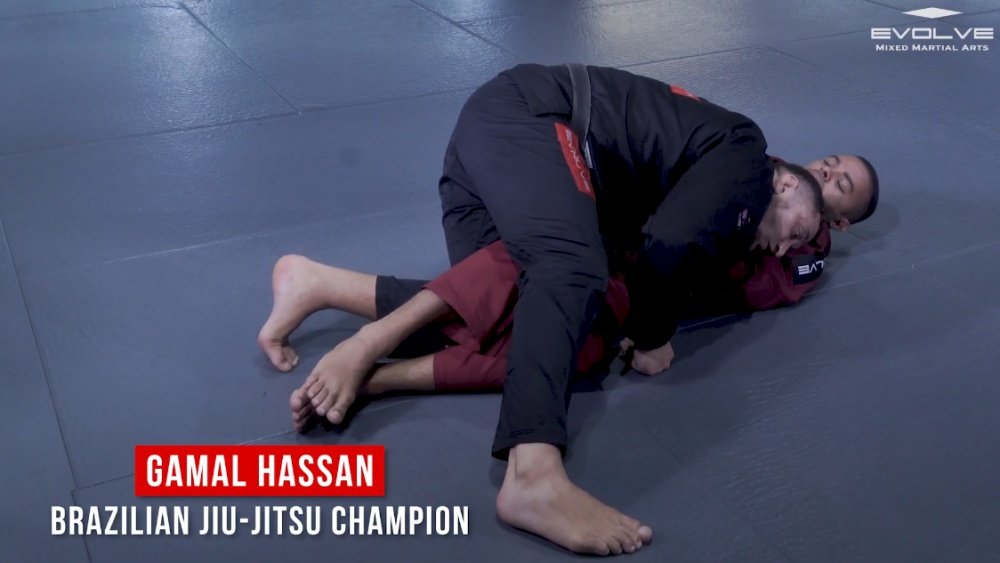
Guard passers who rely on heavy cross-face pressure — driving the forearm bone-on-bone across the bottom grappler’s ear and jaw to flatten their hips — create exactly the kind of sustained, angled friction that slips past the edge of an ear guard. The guard covers the flat of the ear, but a cross-face doesn’t land flat. It lands along the rim, right where the guard’s foam padding is thinnest to keep the strap system from bulking up. Grapplers who pass guard with heavy cross-face pressure, or who get passed on repeatedly and eat it defensively, are some of the most common cases of guard-wearers still developing early cauliflower ear.
Wrestling Headlocks and Chin Straps
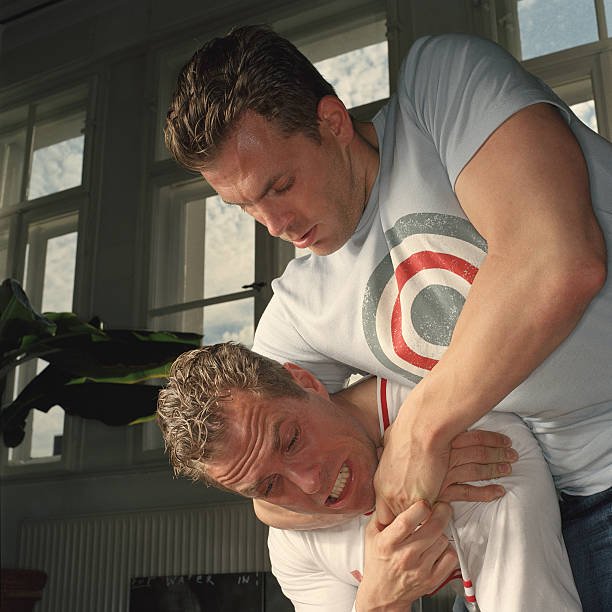
No-gi grappling borrows heavily from folkstyle and freestyle wrestling, and wrestling brought the injury with it long before BJJ ever had a name for it. A headlock, a chin strap used to control a sprawling opponent, or a collar tie fought for in the clinch all pin the ear between two hard surfaces — skull and forearm, or skull and mat — with rotational force layered on top. Wrestling ear guards exist for a reason, and grapplers who cross-train wrestling for their takedowns often notice their ear guards take more visible wear from wrestling rounds than from straight BJJ rolling, even though the total mat time is similar.
Scrambles and Guillotine Entries
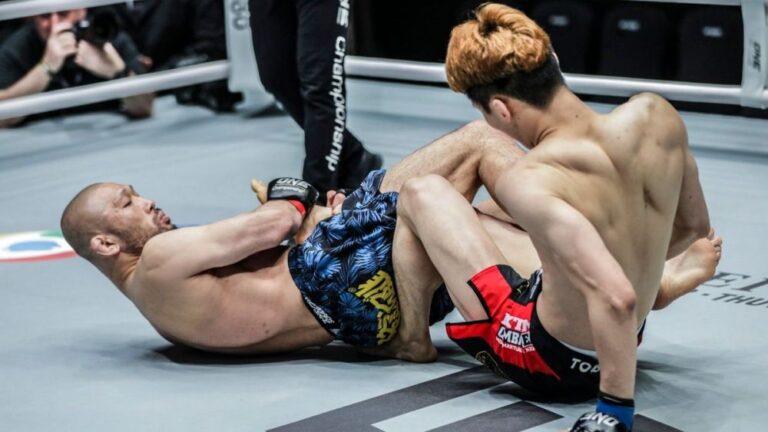
Scramble positions are chaotic by definition, and that chaos is where guards slip. A guillotine attempt, a sprawl-and-brawl exchange, or a failed takedown that turns into a pile of limbs all put the head through fast, unpredictable angles. The strap system on most ear guards is tuned for a relatively stable head position — it holds fine through a slow pass or a methodical pin, but a violent scramble can twist the guard just enough that the ear slides half off the padded cup for a split second. That split second, repeated across hundreds of live rounds, is enough.
The Slippage Problem No One Talks About
Most conversations about ear guards focus on shell hardness or strap material. The bigger factor is almost never discussed: sweat. Twenty minutes into a hard no-gi session, straps loosen and skin gets slick, and a guard that felt locked in during warmups can rotate a few millimeters without the wearer noticing. A few millimeters is nothing when the guard is just sitting there. It’s everything when a training partner’s forearm lands exactly on that exposed sliver of ear during a scramble.
Grapplers who train multiple rounds back-to-back without adjusting their strap tension mid-session are, in effect, wearing a well-fitted guard for the first round and a loosely-fitted one for the fourth. Checking fit between rounds — not just at the start of practice — closes a real gap that most people never think to check.
Why Elite Competitors Still Show Ear Damage
It’s not unusual to see high-level ADCC and No-Gi Worlds competitors with visibly thickened ears despite years of access to good equipment and coaching. Part of that is generational — plenty of top competitors came up through wrestling programs before ear guards were culturally normalized in grappling gyms, and the damage was already done before they ever strapped one on. But part of it is simply mat time at volume: someone training multiple live sessions a day, every day, for a decade, accumulates enough scramble reps and cross-face exchanges that even a well-fitted guard is going to miss some percentage of them. Guards lower the rate of injury significantly. At that training volume, a lower rate still adds up over enough years.
Closing the Gap
None of this is an argument against wearing ear guards — it’s an argument for treating them as one layer of protection instead of a guarantee. A few adjustments make a real difference for grapplers who spend a lot of time in the danger positions above:
- Re-tighten straps between rounds, not just before the first one, since sweat loosens fit faster than most people expect.
- If wrestling takedowns, headlocks, or chin straps are a regular part of training, consider a guard built with wrestling in mind rather than a BJJ-oriented design, since the rotational forces are different.
- After any hard scramble or direct ear impact, check the ear itself for warmth, swelling, or tenderness before the next round — catching fluid buildup in the first hour makes drainage dramatically more effective than waiting until the next day.
- Replace guards once the padding compresses or the strap loses tension permanently. A guard that no longer sits snug isn’t protecting anything, it’s just cosmetic.
Ear guards remain the single best tool a no-gi grappler has against cauliflower ear, and skipping them because “they don’t work anyway” is the wrong lesson to take from any of this. The right lesson is narrower: know which positions in your own training put your ears at the most risk, and treat your equipment check as part of the round, not just something you do before stepping on the mat.
Sources
Wikipedia — Cauliflower Ear: overview of the injury mechanism and treatment history in wrestling and combat sports.
National Center for Biotechnology Information (NCBI): peer-reviewed research on auricular hematoma formation and drainage outcomes.
USA Wrestling: governing body guidance on headgear standards and injury prevention for grappling athletes.
Looking for gear built for the positions above? Browse ear guard options on Amazon.