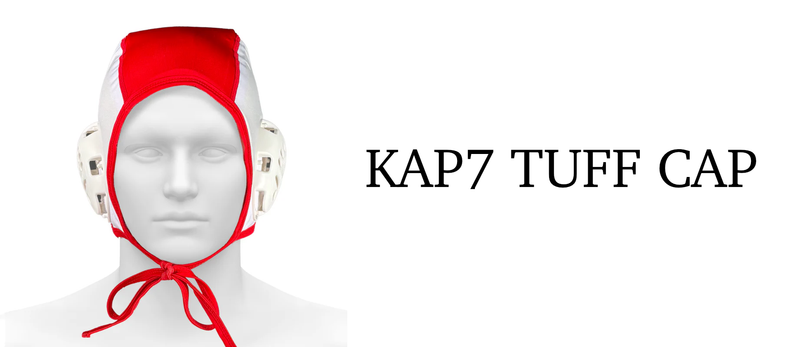
How Ear Guards Change Your No-Gi Head Game — and How Grapplers Adapt
The first time you roll with ear guards, something feels off. Your head doesn’t sit the way it always has. The way you drop your ear to someone’s hip to block a scramble, the pressure you use in front headlock, the way you frame from bottom turtle — all of it requires recalibration. This is normal. It’s also the reason most grapplers cycle through a pair of ear guards, lose patience with the adjustment period, and abandon them permanently.
What gets lost in every ear guard conversation is the adaptation layer. The gear isn’t just passive protection sitting on your head. Wearing it changes how your head moves, how you feel contact, and how you respond to pressure in live rolling. Understanding those changes is what separates grapplers who stick with ear protection from those who ditch it after three sessions.
The Head Position Problem Nobody Talks About
In no-gi grappling, your head is a tool. You use it to create frames, read an opponent’s weight distribution, and generate pressure from positions like front headlock, half guard, and turtle. The proprioceptive feedback you get from the side of your head and your ear is constant, subtle, and almost completely invisible — until something disrupts it.
Ear guards introduce a layer of cushioning that alters that feedback loop. The shell doesn’t eliminate sensation — it shifts it. Contacts that used to register as direct pressure now arrive muffled and slightly displaced in space. Grapplers who rely heavily on head pressure in half guard or who use their ear as a post in bottom turtle often notice this first. The reference points they’ve built over years feel slightly foreign, like reaching for a door handle in a dark room where everything has been moved an inch.
This isn’t a reason to avoid ear guards. It’s a reason to understand the adaptation so you’re not surprised when it happens and don’t mistake a normal adjustment period for fundamental incompatibility with the gear.
What the Break-In Period Actually Looks Like
Most experienced grapplers who commit to ear guards describe a two-to-four week window before the adjustment becomes mostly invisible. During that window, a few things happen in sequence, and knowing the sequence in advance makes it easier to train through.
The first week is the hardest. The guards feel present in a way they won’t once they’re broken in. You’re aware of them continuously. Straps shift during scrambles. You reach to adjust mid-roll, which breaks focus at the worst possible moments. This is gear unfamiliarity more than fundamental incompatibility. The same thing happens with new shorts or a new rashguard — it’s just higher stakes because your head carries more proprioceptive information than your waist.
By the second week, if you train through it, your brain starts integrating the new feedback into your movement. Head adjustments that felt deliberate start becoming automatic again. You stop tracking the guard actively the same way you eventually stop noticing a knee brace after the first month.
By week three, most grapplers report that the adjustment is complete enough that the guards aren’t dominating their attention during live rounds. What remains is a slightly different head feel — not better or worse, just recalibrated to a new baseline. Some grapplers describe it as more stable, because the shell takes certain friction points entirely out of the contact equation.
How Scrambles Change
Scrambles are where ear guards face their biggest test, and where most grapplers form their strongest opinion about them. In no-gi, scrambles are fast, contact-heavy, and directionally unpredictable. Your head contacts the mat, an opponent’s hip, their shoulder, or their ear at moments impossible to anticipate and impossible to protect against through positioning alone. This is also precisely when cauliflower ear is most likely to occur — the friction and shearing forces in a fast scramble can damage the cartilage faster than almost any other training scenario.
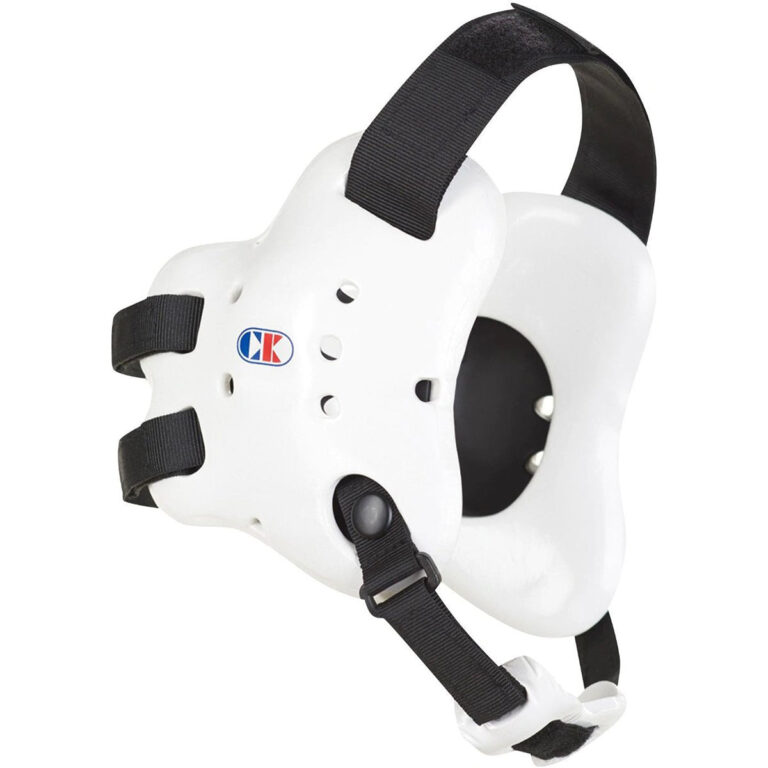
Ear guards that sit properly through a full scramble — staying secured without the shell pressing the external ear inward against cartilage — give you genuine protection at exactly these moments. The problem is that guards which migrate during scrambles don’t just fail to protect you. They actively distract you. If you’re mid-scramble and your guard has rotated backward or is pressing into your eye socket, you’ve lost the round mentally even if you physically recover position.
Grapplers with scramble-heavy games should treat retention as the primary selection criterion rather than a secondary one. A guard that offers slightly less total ear coverage but stays in place through five consecutive scrambles is worth more than a guard with maximum theoretical protection that migrates off-center every third round. The protection that’s actually on your ear when you hit the mat is the only protection that matters.
The Underhook Question
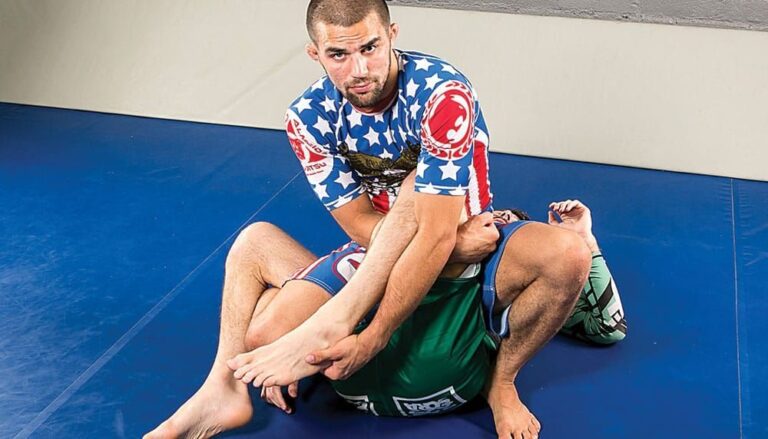
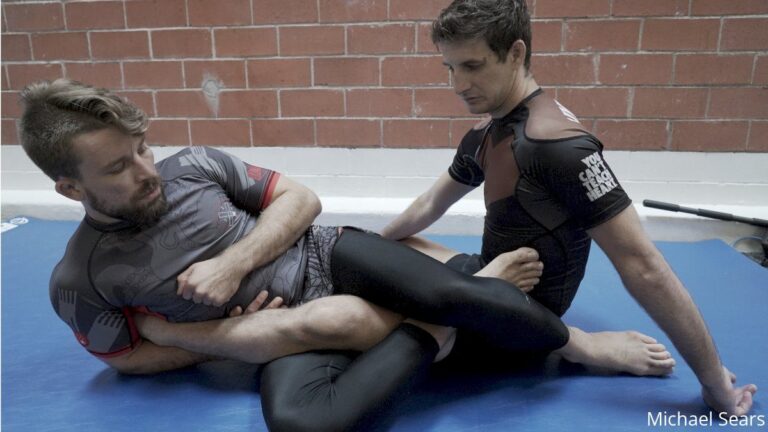
Underhooks are central to no-gi grappling at every level. You use them to win tie-ups, convert to the back, and prevent bad positions. Your ear sits exposed every time you fight for inside position — every time someone reaches over the top to counter your underhook, every time you’re both driving your heads into the same space while fighting for the same inside control. The shearing and friction forces in that moment put real mechanical stress on the external ear.
Outside of submission defense, the underhook battle is one of the most common contexts for ear trauma in no-gi grappling. It’s also one of the least discussed, because the individual moments don’t feel dramatic. No one walks off the mat after a three-minute tie-up sequence thinking their ear was damaged. The damage is cumulative — small frictions that compound over months of training until the cartilage stops recovering between sessions.
Ear guards with higher shells and more wrap coverage around the back of the ear give better protection in this specific context. Guards optimized for a flat, low-profile fit — which have advantages in headlock positions and feel less present during drilling — may offer less coverage when you’re driving your head into someone else’s while fighting for inside position. If your game is heavily wrestling-influenced with lots of tie-up and clinch work, shell height and back-of-ear coverage are worth examining specifically when selecting a guard, not just overall protection rating.
What Adapts — and What Doesn’t
Head position feel adapts during the break-in period. Strap awareness fades. The guard stops registering as a foreign object and starts functioning as part of your equipment baseline, the same way boots eventually stop feeling like boots and start feeling like feet. The proprioceptive recalibration is real, and for most grapplers it’s largely complete within a month of consistent training.
What doesn’t adapt in the same way is a guard that’s sized incorrectly. A shell that’s too large will keep pressing. Straps that are fundamentally too short or too long will keep slipping. No amount of break-in time fixes a fit problem — the guard needs to be right-sized for your head before the adjustment can happen at all. This is the most common reason grapplers give up on ear protection without ever actually giving it a fair trial. They attribute the discomfort to ear guards in general when the problem was a specific guard that never fit their head in the first place.
Grapplers with a strong preference against any tactile feedback during rolling will also find that some sensitivity doesn’t fully disappear. This is a personality distinction, not a technical limitation — the same divide exists between grapplers who tape every finger before every session and those who find any taping suffocating. If you’re in the latter camp, the solution is usually a lighter, lower-profile guard rather than abandoning protection entirely.
What Experienced Grapplers Actually Do
Grapplers who’ve worn ear guards consistently across multiple training cycles tend to settle into a specific pattern: guards go on for live rolling, come off for drilling and positional work. This isn’t laziness or inconsistency — it’s a practical map of where risk actually concentrates. Cauliflower ear almost never develops during slow, cooperative drilling. It develops when grapplers are moving at full speed, scrambling, and fighting for position against genuine resistance.
The drilling period is also where many grapplers do their most focused proprioceptive work — developing sensitivity in guard positions, feeling weight shifts, working on the subtle physical vocabulary of technical movement. Removing the guards for this phase and putting them back on before live rounds gives you protection where the risk lives without compromising your technical development during the sessions where fine-grained feedback matters most.
The second consistent habit among long-term ear guard users is checking fit before every session rather than assuming it carried over from the last one. Straps shift. Guards that were correctly adjusted last week may have stretched slightly or been pushed out of position during storage. A sixty-second check before you start drilling costs nothing and saves you from discovering mid-round that something has migrated to the wrong position at the wrong moment.
The Long View
Every grappler who’s developed significant cauliflower ear reports the same thing in retrospect: the injury didn’t happen in one memorable moment. It accumulated through dozens of small traumas that individually felt like nothing — a tie-up here, a scramble there, a headlock that ended with a strange friction against someone’s shoulder. This is the ear guard argument in its most honest form. You’re not protecting against a catastrophic single event. You’re blocking the chronic, low-grade accumulation that turns into permanent cartilage deformity over years of consistent training.
The adaptation period is real. The adjustment to head feel, scramble feedback, and pressure sensing in positions is real. Neither of those facts changes the arithmetic of what repeated ear trauma does to cartilage that lacks the blood supply to heal the way other tissue does. The ear doesn’t repair itself after cauliflower forms — it only calcifies further.
The grapplers who stick with ear guards past the first month aren’t the ones who found them immediately comfortable. They’re the ones who decided the adjustment was temporary and the protection was permanent — and that the tradeoff was clear enough to commit to early rather than late.
Sources
Image credit: kap7.com