IBJJF-Legal Rashguards Under $50: No-Gi Comp Picks That Pass Inspection
Roughly one in five competitors at a large IBJJF no-gi event gets sent back from the check-in table to fix a uniform problem, and the rashguard is the usual culprit. Not because it was cheap or worn out, but because the color was wrong, the sleeve stopped in the wrong place, or it rode up above the waistband when the referee tugged it. The good news is that everything an inspector checks is spelled out in the rulebook, and none of it requires a $60 competition top. Below is exactly what makes a rashguard legal, where people get burned, and how to build a comp-legal kit for under fifty bucks.
What Makes a Rashguard IBJJF-Legal?
An IBJJF-legal rashguard has to satisfy three things at once: fit, coverage, and color. Fit means elastic, skin-tight material with no loose fabric an opponent can grab. Coverage means the shirt reaches all the way down to the waistband of your shorts and covers your torso completely. Color is where it gets specific, and it’s the part most people read too quickly.
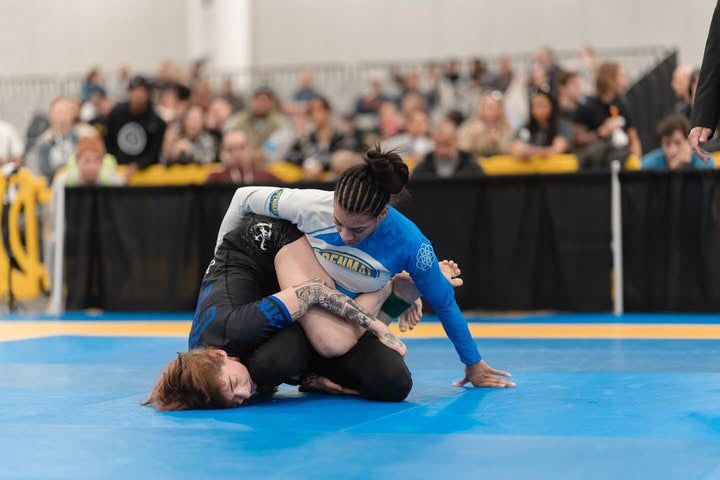
The body of the shirt must be black, white, or a combination of black and white. On top of that base, the rashguard has to display at least 10% of the color of your belt rank. A garment that is 100% your rank color is also allowed. So a blue belt can wear a mostly-black rashguard with a blue panel across the chest or down the sleeves, or a rashguard that’s entirely blue. What a blue belt cannot wear is a solid black shirt with a red logo and nothing blue on it.
The 10% Belt-Rank Color Rule (Where Most People Get Caught)
The 10% rule is the single most common reason a rashguard fails inspection. The allowed rank colors follow the adult belt system: white, blue, purple, brown, and black. Black belts get one small exception, they’re permitted a little red, as long as it doesn’t misrepresent their actual rank.
Here’s the trap. A brand-new competitor buys a sharp-looking black rashguard covered in gray and neon graphics, shows up as a blue belt, and gets pulled because there isn’t a single patch of blue on it. The rashguard is beautifully made. It’s just not legal for that person at that event. The truth is, most people who get stopped at inspection didn’t buy a bad rashguard, they bought a good one in the wrong color.
This is why ranked rashguards exist. Companies produce the same design in five rank versions so you buy the one that matches your belt. If you’re shopping on a budget, that 10% panel is the first thing to confirm before you check anything else.
Sleeves, Fit, and Coverage the Inspectors Actually Check
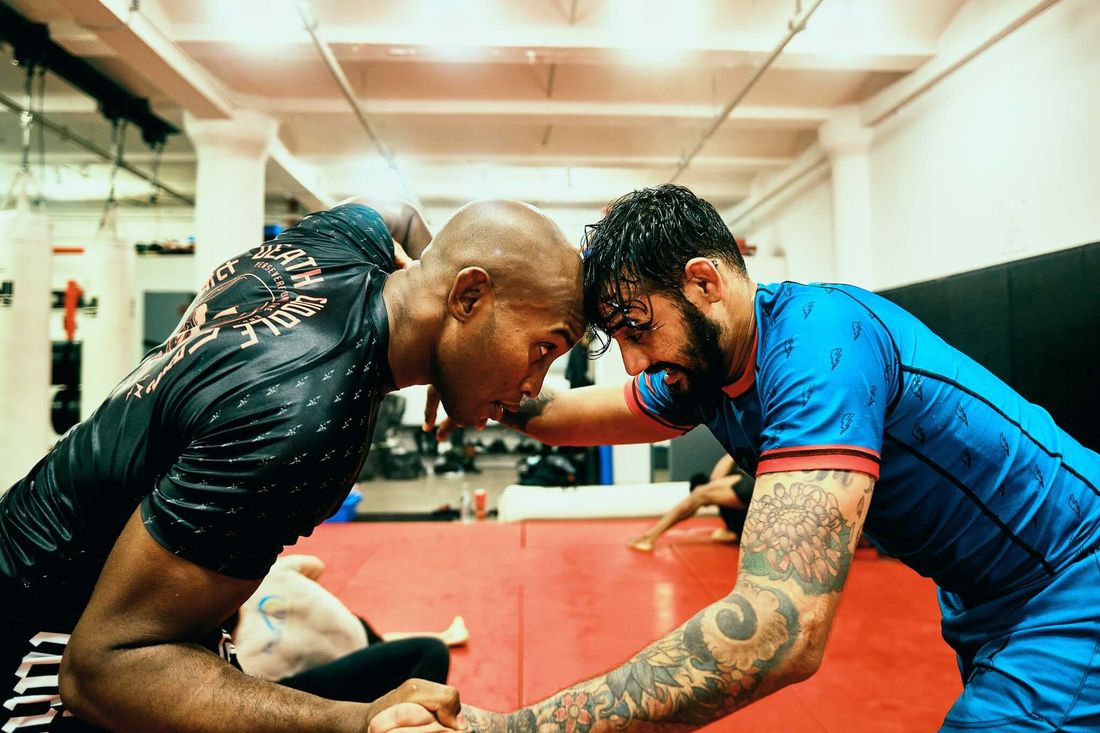
Sleeve length is a yes-or-no question for the referee: sleeveless rashguards are banned outright. Beyond that, both short-sleeve and long-sleeve styles are fine. Short sleeves shouldn’t stop at an awkward mid-forearm point, and long sleeves should reach the wrist. Pick one clean length and you’ll never think about it again.
The coverage check is simple but easy to fail. The shirt has to extend to the waistband of your shorts. On a training-cut rashguard that’s a couple inches too short, an aggressive scramble can expose your lower back, and that’s an instant flag. When you try a rashguard on, raise your arms overhead and twist. If the hem climbs above your waistband, it’s a training top, not a competition top.
Fabric matters too. The material has to be elastic and tight. No zippers, no buttons, no fasteners of any kind, because anything rigid is a cut risk for your opponent. A soft-cup or panel with hard plastic trim will get pulled even if the color is perfect.
Shorts and Spats: The Rest of the Legal Kit
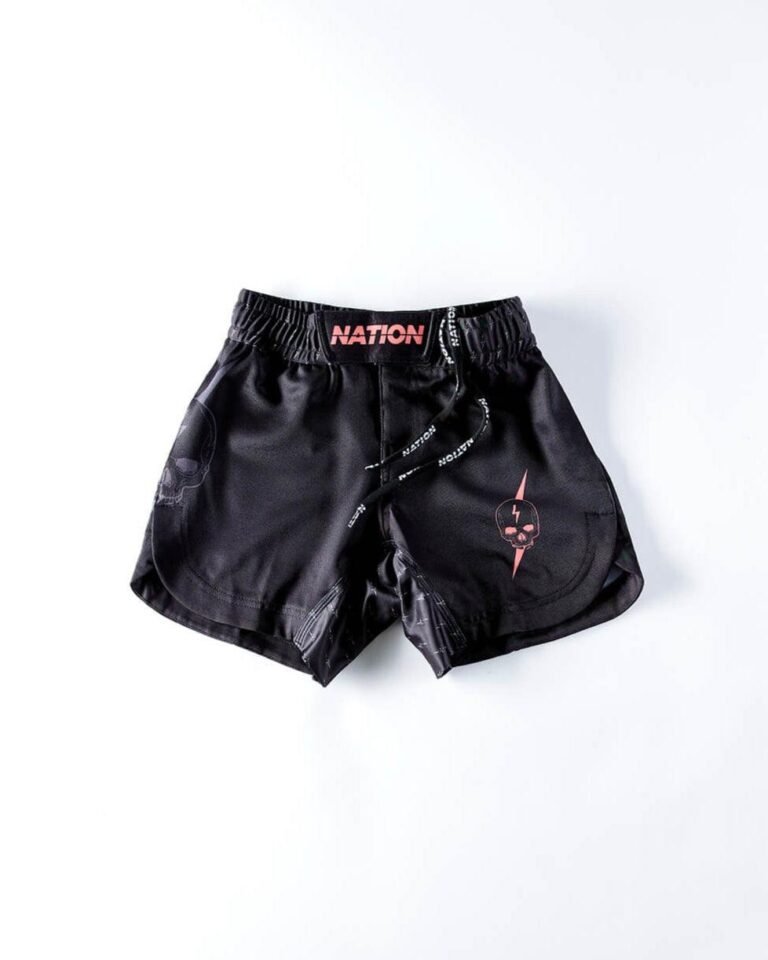
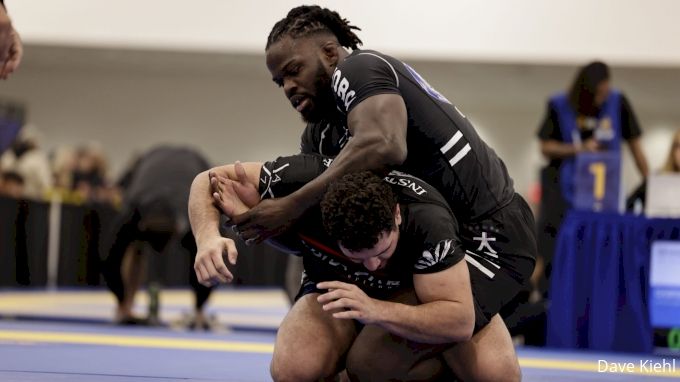
Your rashguard is only half the uniform. IBJJF shorts have to be black, white, black-and-white, or your rank color, and they have to be free of pockets (or have them fully stitched shut), buttons, exposed drawstrings, zippers, and any metal or plastic hardware. Length rules are specific: shorts must cover at least halfway down the thigh and stop no more than about 15 cm above the knee.
Compression shorts or spats worn underneath follow the same color options. If you wear spats, they can’t have a grippy rubber print that behaves like a fastener. Treat the shorts with the same care you give the rashguard, because a legal top with illegal board shorts still ends your day at the table.
5 IBJJF-Legal Rashguards Under $50 That Pass Inspection
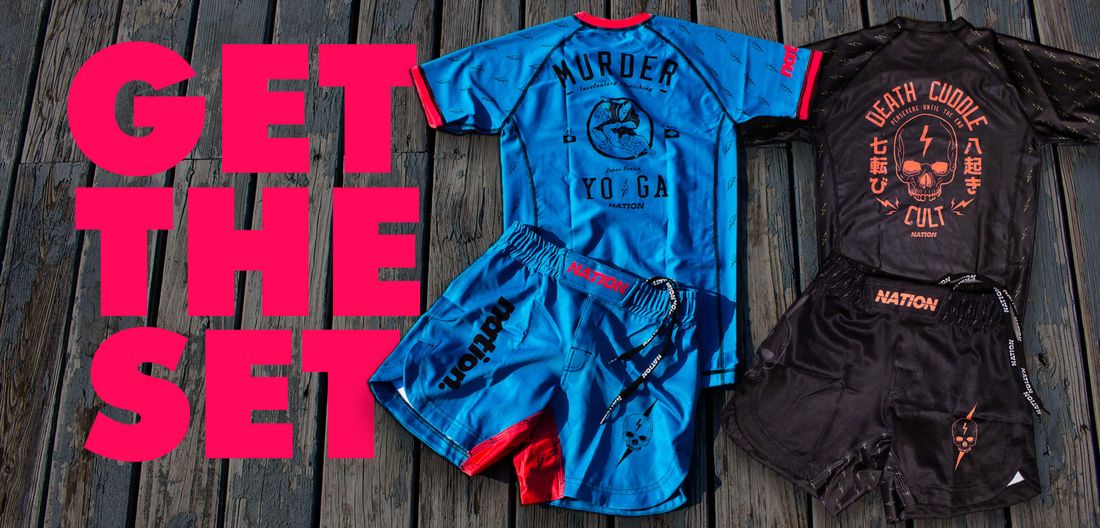
You do not need to spend big to compete legally. Here’s how to shop the budget end of the market and still walk through inspection without a second look. Prices move, but every category below regularly sells ranked, comp-legal tops in the $25 to $45 range.
- Sanabul Essentials Ranked Rashguard — The default budget pick. Sold in every rank color with the 10% panel built in, usually around $30. Flatlock seams, full torso length, nothing rigid. Boring in the best possible way.
- Elite Sports Standard Ranked Top — Frequently discounted below $30, offered in all five ranks. A reliable second rashguard so you’re never washing your only legal top the night before a comp.
- Gold BJJ Foundation Rashguard — Clean, minimal ranked designs that lean into the black base with a single rank-color band. Easy to confirm legality at a glance, typically mid-$30s.
- Fuji Sports Ranked Rashguard — Fuji builds specifically to IBJJF spec and markets these as competition-ready. Slightly pricier but still comfortably under $50, and the fit runs true.
- Hayabusa Ranked (sale rack) — Normally a premium brand, but their older ranked models turn up under $50 during clearance. If you catch one in your rank, it’s a lot of rashguard for the money.
Whichever you choose, buy the version that matches your current belt, not the belt you’re chasing. If you’re close to a promotion, a solid black-and-white top that’s 100% legal for every rank except the color panel is the wrong bet, get the ranked one.
What Actually Happens at Uniform Inspection
At most IBJJF events the uniform check happens at weigh-in, so you show up already dressed in your competition kit. An official looks at the color, checks that the shirt reaches your waistband, confirms the sleeves and fabric, and eyeballs the shorts. It takes about ten seconds when everything is right.
If something’s off, you’re not always disqualified on the spot, but you are sent to fix it, and the clock does not stop for you. Competitors who bring a backup legal rashguard in their bag solve the problem in two minutes. Competitors who don’t end up frantically borrowing one from a teammate in the bullpen, which is exactly how a legal rashguard in the wrong size still ruins a morning.
The Most Common Reasons Rashguards Fail
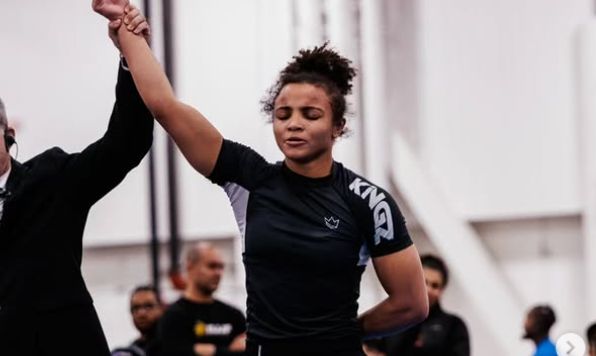
Nearly every failed check traces back to one of five mistakes. Wrong or missing rank color is number one by a wide margin. Second is a rashguard that’s too short and rides up. Third is a sleeveless or tank-cut top. Fourth is rigid hardware, a zip pocket on the matching shorts, a plastic-trimmed hem. Fifth is a rashguard so faded or stretched out that the color reads as gray instead of the rank it’s supposed to show.
Every one of these is avoidable the week before, not the morning of. Lay your full kit on the bed, check the color panel, pull the shirt on and stretch, and run your fingers along every seam and waistband for anything hard. If you want a deeper breakdown of what separates a comp-grade top from a training one, our guide to the best rashguards for BJJ walks through construction detail by detail.
Building a Legal No-Gi Rotation Without Overspending
One legal rashguard is the bare minimum. Two is the real answer, because you’ll sweat through the first one in your early matches and want a dry, legal top for the later rounds. At $30 each, a two-top ranked rotation costs less than a single premium rashguard and covers you for a full day of competition. We break down the math on how many you actually need in our piece on the no-gi rashguard rotation.
Durability is the other budget lever. A cheap rashguard that pills and fades after ten washes will start failing the color test long before it wears out physically. If you want your ranked top to stay legal, spend a minute on our complete guide to what your money buys under $50 before you buy the lowest-priced option on the page.
Frequently Asked Questions
Can I wear any color rashguard for no-gi? Not at IBJJF events. The body must be black, white, or black-and-white, with at least 10% of your rank color. Other organizations like ADCC let you wear any color, so always check the ruleset for the specific event.
Do I need a ranked rashguard as a white belt? Yes. White is your rank color, so a solid white or predominantly white rashguard satisfies the rule. A plain black training top with no white is technically non-compliant even for a white belt.
Are sleeveless rashguards ever allowed? No. Sleeveless and tank-cut tops are prohibited in IBJJF no-gi. Short sleeve is the minimum.
What’s the cheapest way to be fully legal? A ranked rashguard around $30 plus a pair of pocketless, hardware-free no-gi shorts. That’s the entire legal kit for well under $50.
Passing inspection isn’t about your budget, it’s about reading the rule once and shopping to it. Confirm the rank color, confirm the length, confirm there’s nothing hard on the garment, and buy two so you’re never one laundry cycle away from missing weigh-in. Do that and the check-in table becomes the least stressful ten seconds of your competition day.
Sources
- IBJJF Official Uniform Rules — The federation’s own page on rashguard, shorts, and rank-color requirements.
- Sanabul — IBJJF Uniform Rules: No-Gi — Breakdown of sleeve, fit, and 10% color rules.
- BJJ Heroes — IBJJF No-Gi Uniform Requirements — Detailed summary of rank-color percentages and shorts rules.
- FloGrappling — IBJJF No-Gi World Championship Results — Coverage of the event where these rules are enforced.
Browse our top-rated rashguards and no-gi gear at the RashguardGuy shop →