Ear Guards for No-Gi BJJ: When Wrestling Headgear Saves Your Cartilage
Walk into any no-gi BJJ gym and count the ear guards. On a good night you’ll see one pair, usually on the wrestler who transferred over from college and still wears them out of muscle memory. Everyone else has bare ears, and roughly a third of the room has the lumpy cauliflower badges to prove it. Ear guards work, the data is not subtle, and yet grapplers continue to skip them. This guide is for the rest of us who have decided we’d like to keep the shape of our ears, or at least slow the damage that has already started.
Below is the gear-focused breakdown most BJJ articles skip: what ear guards actually do, the three wrestling-headgear models that survive a no-gi gym, how to size them so they don’t migrate during a scramble, and the social hurdle that keeps half the room from wearing them in the first place.
What Ear Guards Actually Prevent
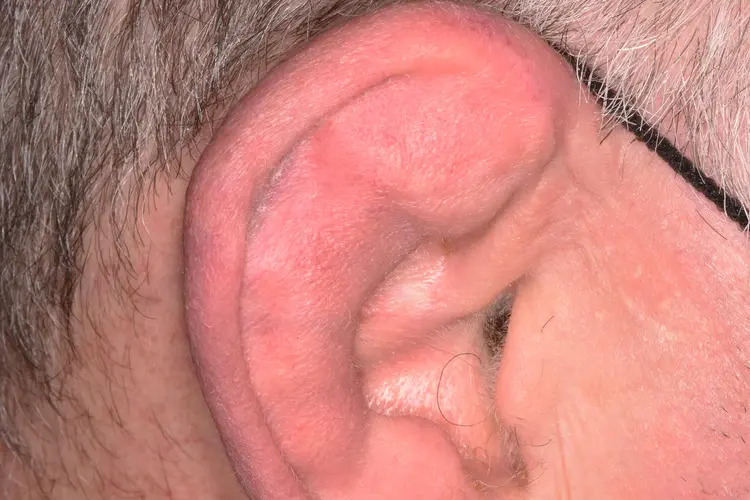
Cauliflower ear is not a bruise. It’s a hematoma — blood pooling between the cartilage of the outer ear and the perichondrium, the thin layer that feeds the cartilage with nutrients. When that pool forms, the cartilage underneath stops getting blood supply and begins to die. The body responds by laying down fibrous scar tissue, which calcifies into the cauliflower shape over weeks. Once it sets, it’s permanent without surgical intervention.
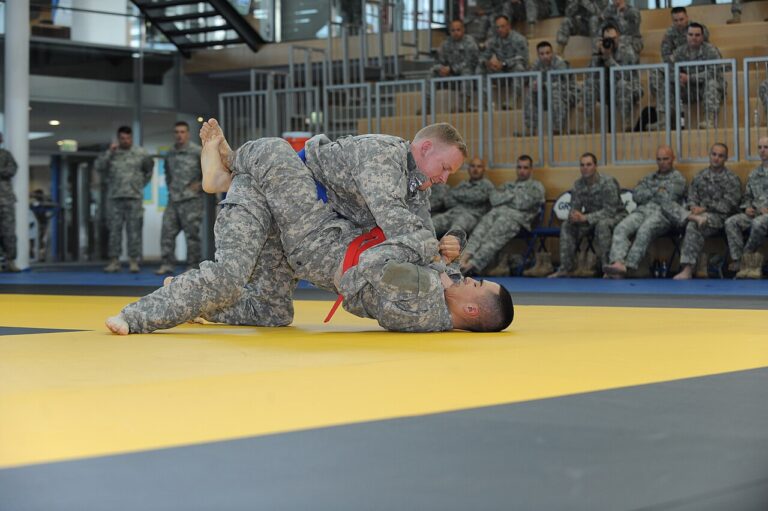
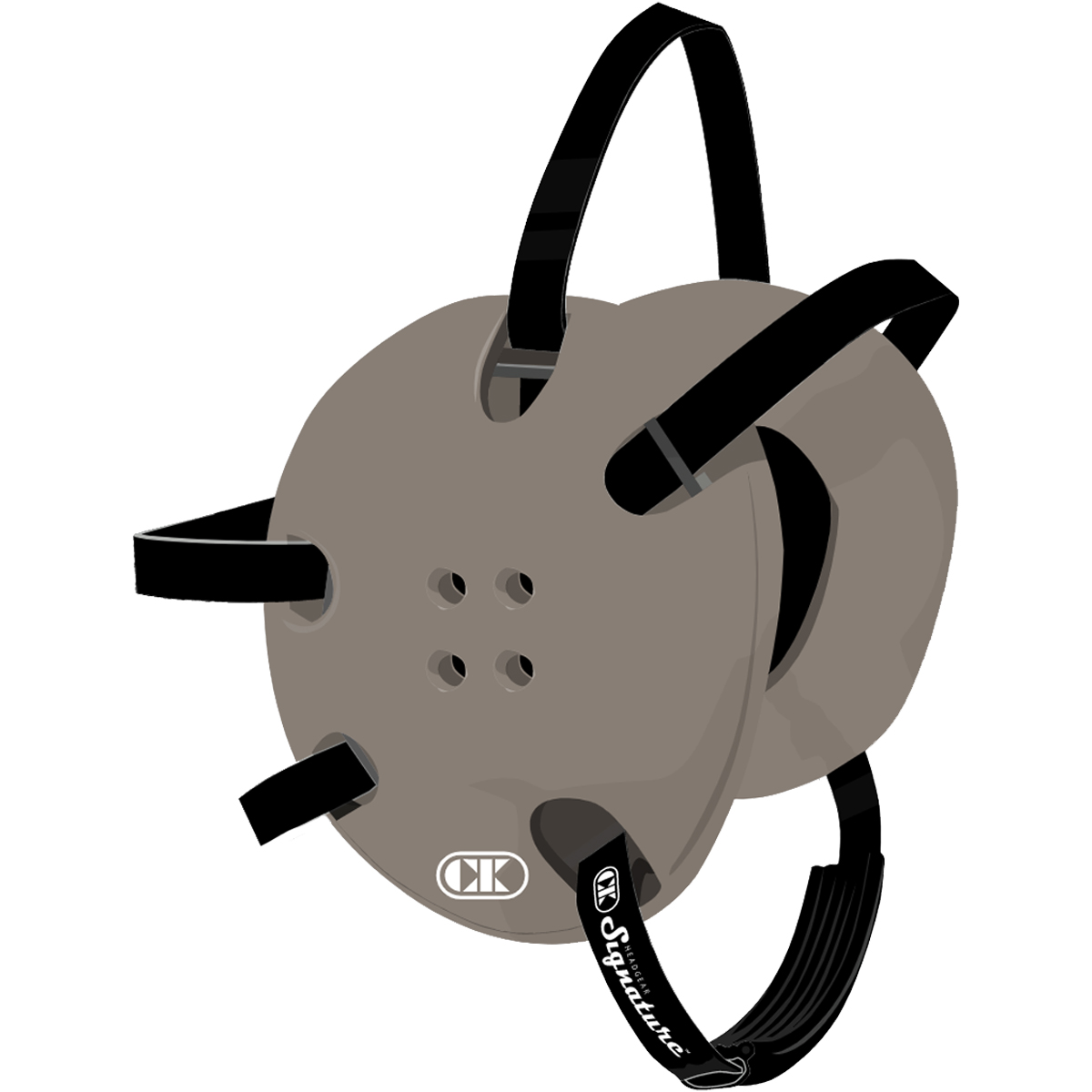
The trauma that starts this cascade is almost never a single hard impact. It’s friction — your ear being dragged against a training partner’s shoulder during an underhook, or pinched under a forearm during a head-and-arm choke, repeated dozens of times a session. Ear guards prevent cauliflower ear by doing one specific thing: they create a hard shell that distributes pressure across the skull instead of letting it grind directly on the cartilage.
That’s the whole mechanism. Headgear doesn’t pad your ear against punches — it shields it from sustained friction. Which is exactly the kind of force no-gi grappling produces in volume.
Why Most BJJ Grapplers Refuse to Wear Them
The wrestling subculture treats cauliflower ear as a badge. The BJJ subculture inherited that attitude without quite earning it, and you’ll hear three objections in every gym:
- “Headgear is for wrestlers, not grapplers.” Translation: it looks uncool.
- “It’ll get caught in a guillotine.” True in theory, almost never in practice on modern low-profile cups.
- “I want the ears anyway.” The honest one, and the one that doesn’t survive a drainage appointment.
The first objection is a social problem, not a technical one, and it dissolves the first time you train with someone who treats their ears like equipment they’d like to keep. The second is worth a sentence: low-profile cups don’t add enough surface area for a same-side arm-in guillotine to lock noticeably differently. Standard guillotines clear the cups cleanly. If you train under a coach who insists otherwise, ask them to demonstrate before you accept it.
When You Should Wear Ear Guards in No-Gi
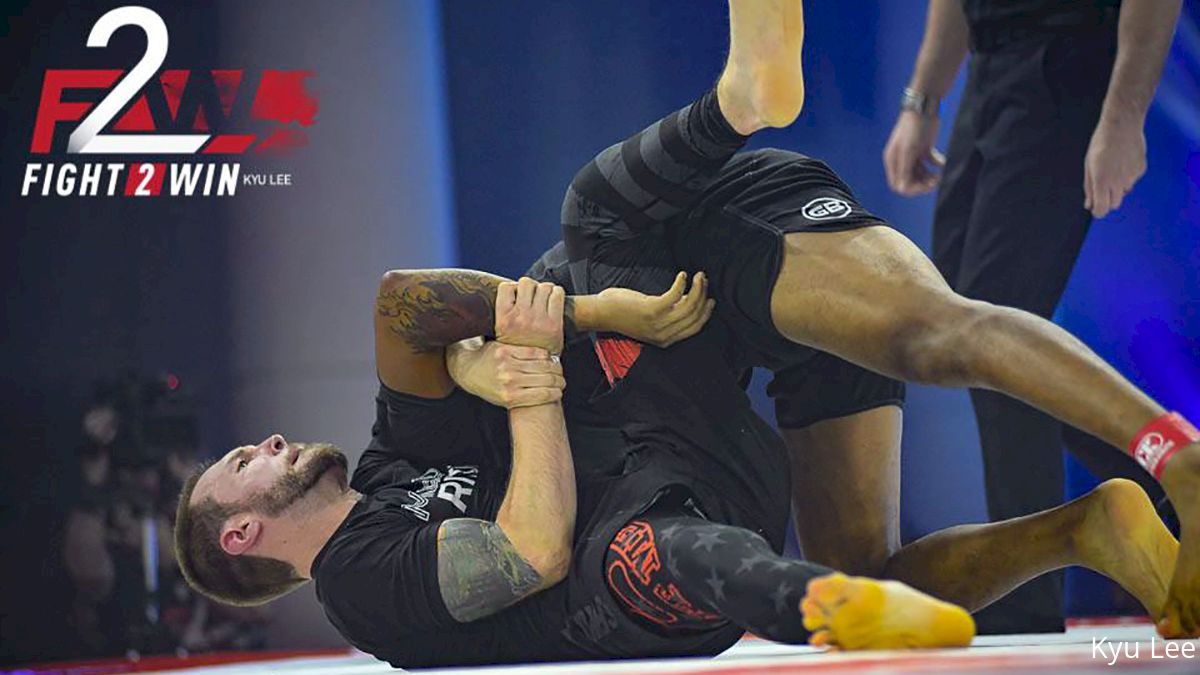
You don’t need headgear for every round. Most people who avoid cauliflower ear long-term wear them selectively, in the situations that produce the most ear friction:
Wrestling and takedown rounds
Pummeling, head positioning in collar ties, and front headlocks generate constant ear contact. If your gym runs dedicated takedown blocks, this is where ear guards earn their place.
When you already have a hot spot
An ear that’s puffy, warm, or starting to fill is a hematoma in progress. Training on it without a guard is how you go from “fixable with a syringe” to “permanent.” Headgear plus aspiration plus a magnet compression kit is the standard recovery protocol — skip the headgear and the other two are wasted effort.
Competition camps
Training volume spikes before tournaments. So does the risk of showing up to weigh-ins with a fresh hematoma you have to drain and tape. Wear headgear through camp, skip it on competition day if your local ruleset allows.
When the partner pool is rougher than usual
Open mats, visiting wrestlers, MMA-leaning gyms — any session where you expect higher pressure and less control. Strap in.
Three Headgear Models That Actually Survive No-Gi
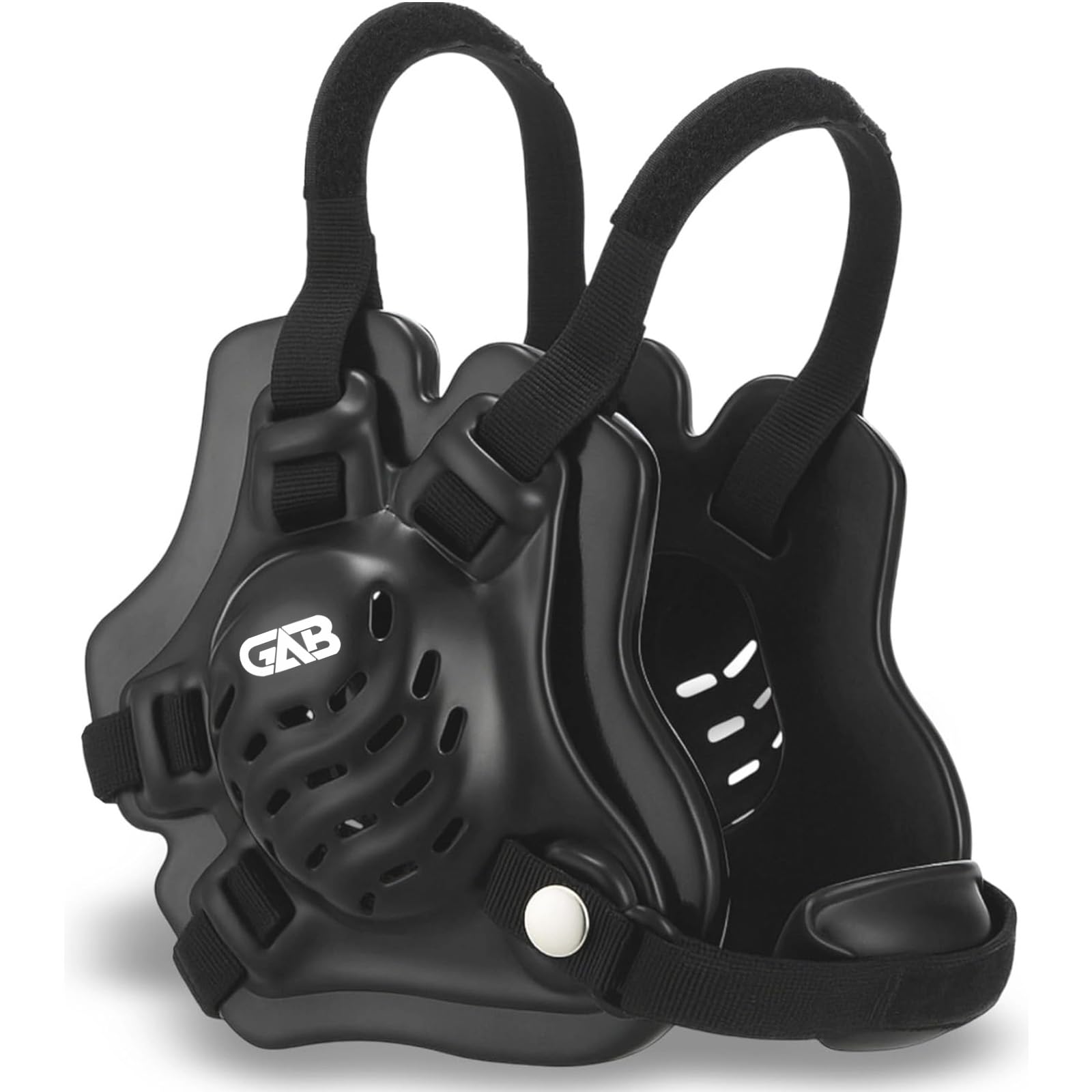
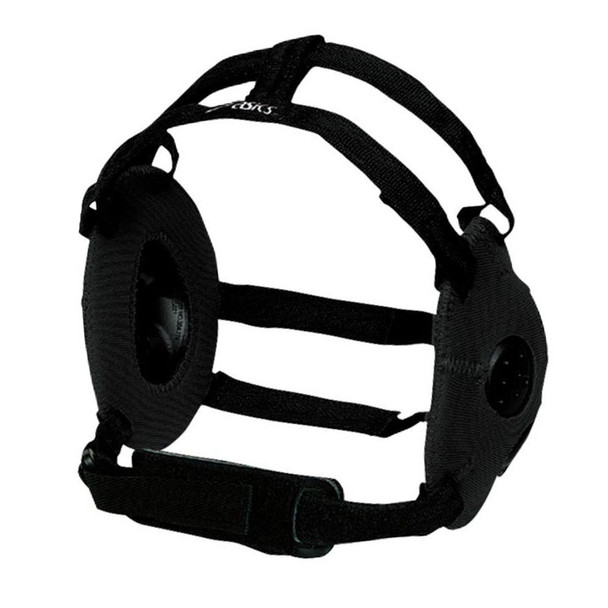
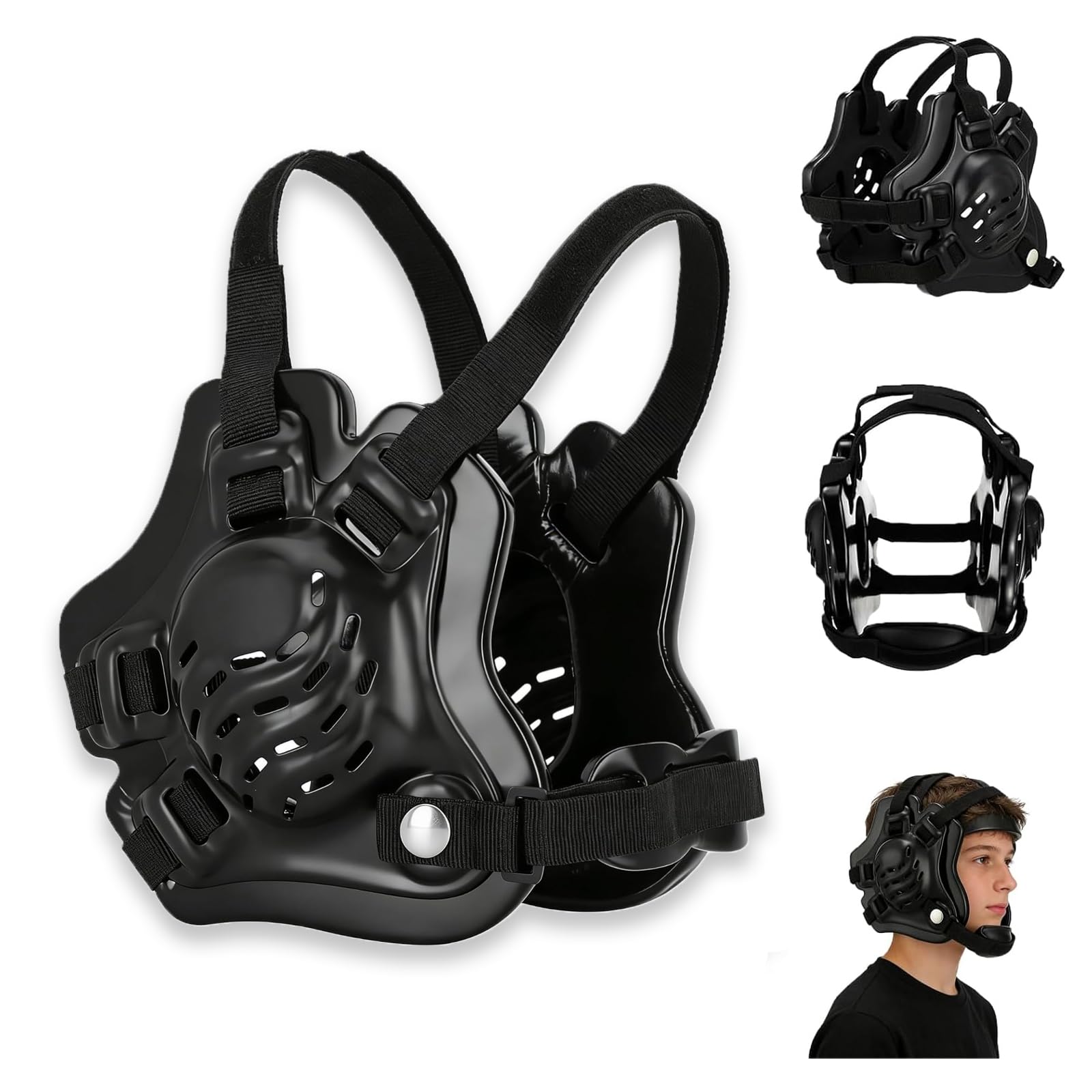
Wrestling headgear is built for stand-up exchanges and short bursts on the mat. BJJ uses it differently — long ground sessions, constant pressure, scrambling positions that pull straps in directions wrestlers rarely deal with. Three models hold up.
Cliff Keen Tornado
The default. The Tornado uses an adjustable four-strap system that doesn’t migrate when someone cross-faces you. The cups are firm enough to deflect pressure without padding so thick it catches in chokes. Most college wrestlers wear these, which means stock is reliable and replacement parts are easy to find. It’s the model you buy if you want one decision and zero second-guessing.
Asics Snap Down
Lighter than the Tornado, with a slightly lower-profile cup. Asics is the favorite of grapplers who find traditional wrestling headgear too tall or who get heat-trapped under thicker shells. The chin strap is the weakness — it stretches faster than the Cliff Keen and tends to be the first piece that fails after a year of constant use.
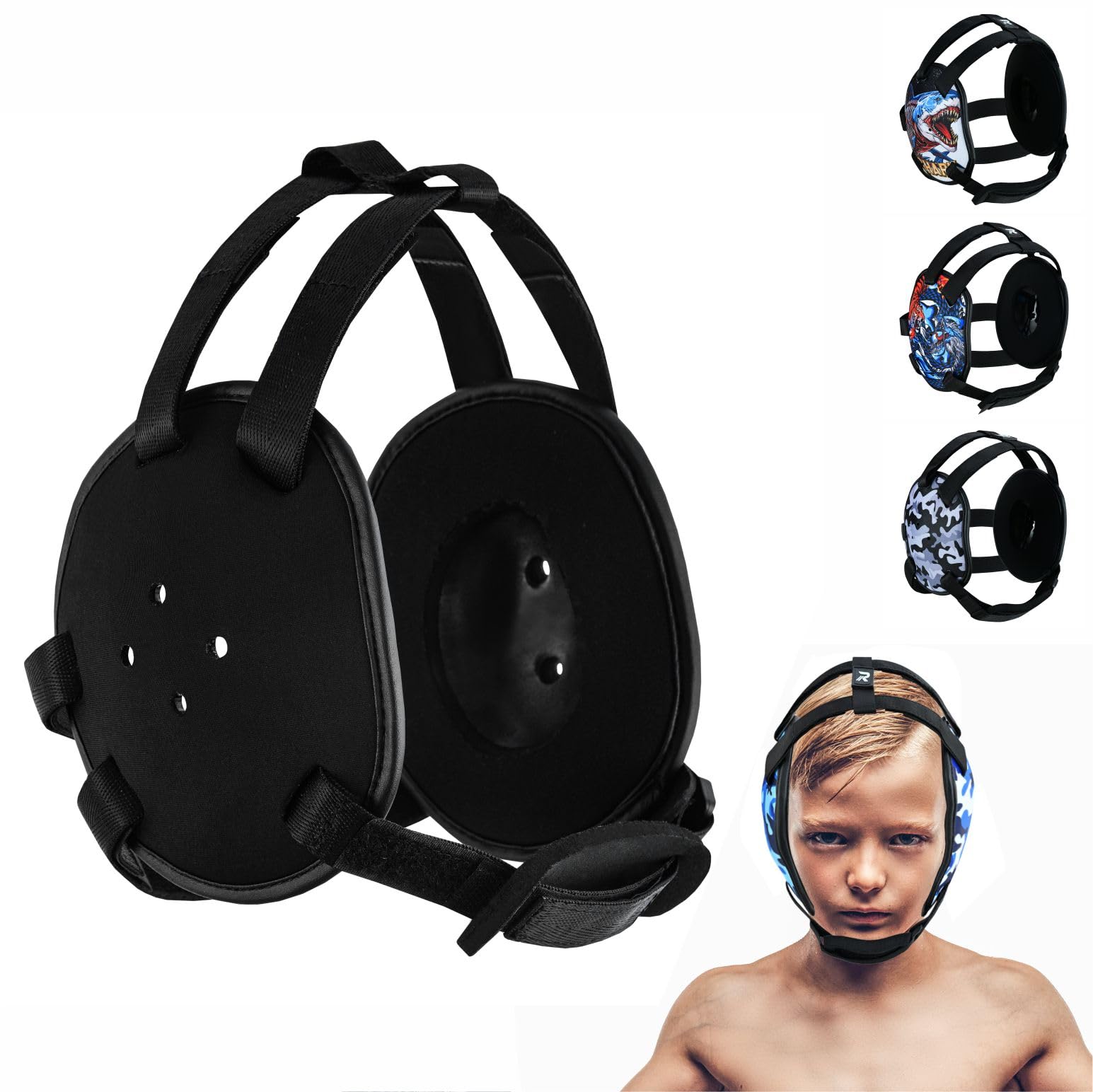
Matman Ultra Soft
The most BJJ-friendly choice if you’re sensitive to pressure on the top of your head. The Ultra Soft uses padded cups instead of hard plastic shells, which means slightly less protection from a single hard impact but noticeably better comfort over a 90-minute open mat. The trade-off is real — if you only train wrestling-heavy sessions, the Tornado wins. If you mostly train ground and only want ear protection during scrambles, the Matman is more comfortable for the whole session.
Fit Matters More Than Brand
A correctly-fitted budget headgear protects ears better than a poorly-fitted premium one. Three checks before you call a fit acceptable:
- The cups sit centered over your ears with even gap all around. If your ear touches the inside of the cup, the friction is going straight through the plastic and you’re protecting nothing.
- The chin strap holds the cups in place during a hard shake of the head. If the headgear shifts when you nod aggressively, it’ll be off your ear inside of one scramble.
- The top strap doesn’t dig. Sustained pressure on the crown of your head from a too-tight top strap will give you headaches for the rest of the session. Loosen it until it sits without compression.
Adult sizing varies by brand more than by head circumference. Cliff Keen runs slightly larger; Asics tends smaller. If you’re between sizes, go up — over-tight headgear is the version you stop wearing.
After the Damage — Draining, Compression, and the Magnet Method
Headgear is prevention. If your ear is already filling, the gear plays a supporting role in a longer recovery protocol. The standard sequence:
- Drain within 48 hours while the fluid is still liquid. After that, it begins to clot and a needle won’t pull it. A doctor or experienced training partner can do this with a sterile syringe.
- Apply compression for at least 72 hours after drainage. The cartilage and perichondrium need to be pressed back together so the space doesn’t refill. Magnet kits (two small magnets that sandwich the ear) are the cleanest modern method; old-school options include taped cotton balls or molded silicone splints.
- Wear headgear during the next week of training, even on light days. The healing tissue is fragile and refills easily.
Skipping any of these three steps is how a one-time hematoma becomes a permanent lump. The headgear is the cheapest insurance in the protocol — typically less than the cost of a single doctor’s visit for drainage.
The Hygiene Problem No One Mentions
Headgear that sits in a gear bag between sessions becomes a staph farm. Sweat, skin oils, and warm mat bacteria collect in the foam and on the straps, and the cups press them directly onto your ear and the skin in front of it. Skin infections on the ear and temple are almost always traced back to headgear that hasn’t been wiped down in a month.
The maintenance is trivial: spray the inside of the cups and the chin strap with isopropyl alcohol or a gym-grade antimicrobial after each session, let them air dry outside the bag, and replace the straps when they start to smell permanently. A pair of headgear that gets this treatment lasts three to five years. One that lives in a damp gym bag lasts a season before you’re either replacing it or scratching at a mystery rash.
Headgear Habits That Stick
Most BJJ players who try headgear quit within a month. The ones who stick with it long-term share a few habits:
- They put it on before warmup. Walking into the room with it already strapped removes the daily “should I bother” decision. By the time you’re sweating, you don’t want to mess with a chin strap.
- They wear it on the rounds that matter. Heavy partners, takedown work, sparring rounds with new people. Light positional drilling with a regular partner is the easy round to skip.
- They keep a backup pair. The day a strap snaps mid-session is the day people stop wearing them entirely. A second pair in the gym bag turns that day into an annoyance, not the end of the habit.
- They ignore the comments. Someone in every gym will tease the person in headgear. The lumpy ears in the same room are the better argument.
The Honest Verdict
Ear guards are the most effective piece of preventive gear in grappling, and the least popular. The math doesn’t change. If your ears are already lumpy and you’re at peace with it, headgear gives you nothing. If you’d prefer to keep the shape you have — for a job that requires looking presentable, for a partner who’d like you to, or just because you’d rather not — wrestling headgear works, and a Cliff Keen Tornado is the closest thing to a default answer the sport has.
The harder problem is the social one. The gym’s first regular headgear-wearer takes the hits for a few weeks and then everyone else stops noticing. Be that person. Your ears at fifty will write you a thank-you note.
Sources
- Cauliflower ear — Wikipedia (mechanism, hematoma formation, treatment overview)
- Cliff Keen Athletic (Tornado headgear product line)
- Asics (Snap Down wrestling headgear)
- Wrestling headgear options on Amazon
- Cauliflower ear magnet compression kits on Amazon
Browse our top-rated rashguards and no-gi gear at the RashguardGuy shop →