
Why Competition Rules Decide What Ear Protection No-Gi Grapplers Can Wear
A competitor packs for a tournament the same way every time: rashguard, spats, mouthguard, tape. Then, at check-in, an official points at the padded headgear in the gear bag and says it isn’t allowed in this format. It happens more often than most no-gi grapplers expect, and it isn’t arbitrary. Ear protection sits in a strange regulatory gap between wrestling, where hard-shell headgear is standard, and grappling promotions that treat the same equipment as a liability. Understanding why the rules diverge matters more than picking a brand, because the best ear guard in the world is useless if it gets confiscated at the table.
The Ear Guard Isn’t One Piece of Equipment, It’s a Rules Problem
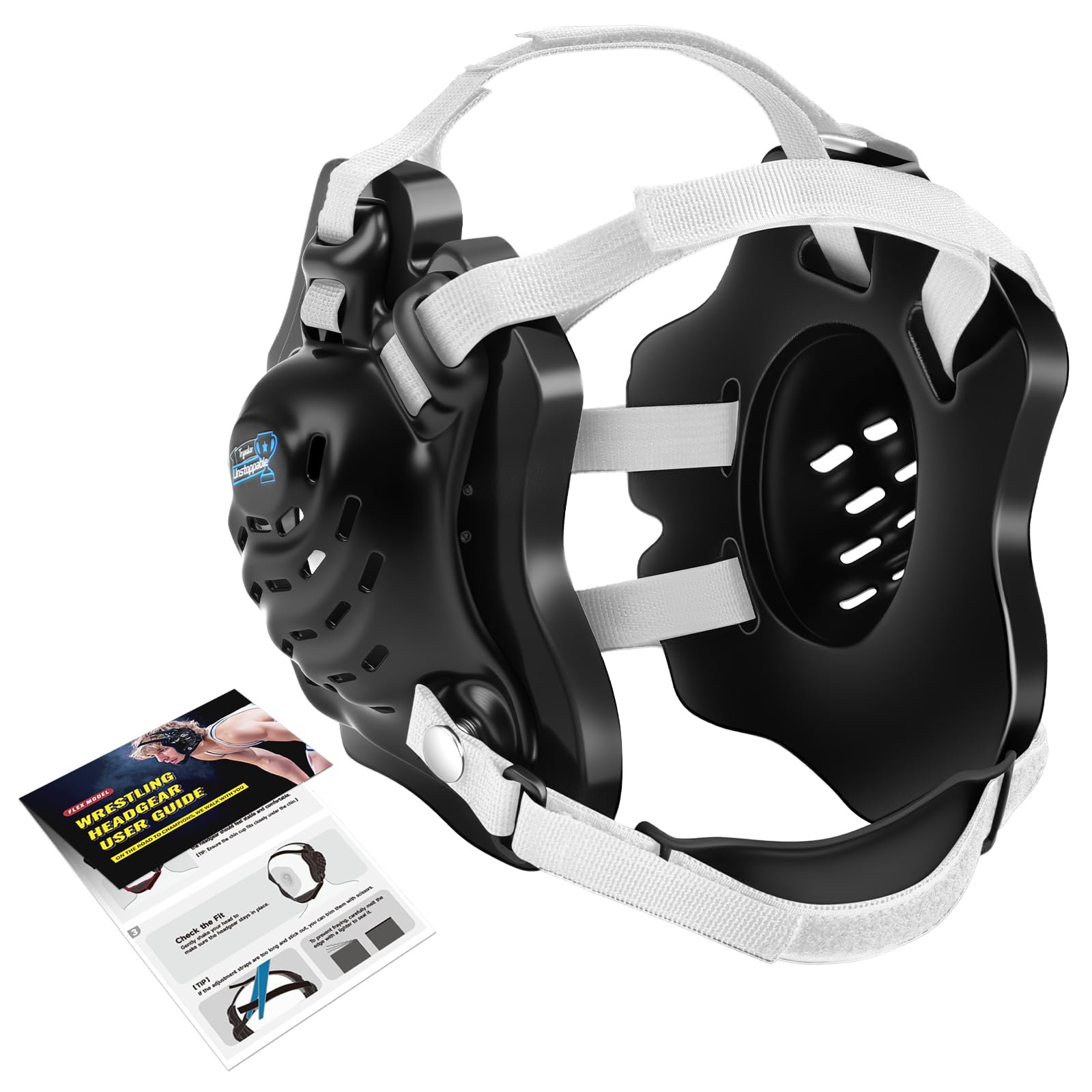
Ask ten grapplers what an “ear guard” is and you’ll get ten different mental images. Some picture the molded plastic shells worn by folkstyle wrestlers, hard enough to survive a double-leg into the mat. Others picture the thin neoprene wraps that barely change the silhouette of the ear. Both are marketed as cauliflower ear prevention, and both do slow the friction and repeated impact that cause the ear to fill with fluid. But they are not interchangeable in a competition setting, because grappling rulebooks were not written with wrestling’s fixed grip rules in mind. No-gi grappling allows a much wider range of grips, clinch positions, and scrambles than folkstyle wrestling, and that changes what officials consider safe to have strapped to an opponent’s head.
The distinction that actually governs what’s allowed on the mat is not “ear guard versus no ear guard.” It’s shell rigidity. Soft, low-profile designs are broadly accepted across grappling promotions because they don’t change how a clinch, collar tie, or guillotine attempt behaves. Rigid shells are the ones that draw scrutiny, and in many events they’re restricted or banned outright.
Why Hard Shells Get Treated as a Grip, Not Protection
The reasoning behind restricting hard-shell headgear in no-gi is mechanical, not cosmetic. In folkstyle wrestling, the head is rarely a legal handle — rules around headlocks and neck cranks limit how much an opponent can grab and torque the skull directly. No-gi grappling is different. Guillotines, D’Arce chokes, arm-triangles, and front headlock series all involve controlling the head and neck at close range, and a rigid shell strapped over the ears gives an opponent’s forearm or wrist something hard and grabbable to lever against. What’s designed to protect the wearer’s ears can become an accidental weapon against the wearer’s neck, or a grip aid for whoever’s attacking it.
This is the same logic that keeps hard orthodontic headgear and rigid knee braces out of most grappling formats — anything rigid strapped to the body changes how safely a technique can be finished. Ear guards get caught in that net even though their intent has nothing to do with offense. Promotions that run strict no-gi rulesets tend to default to requiring soft, compressible ear protection specifically so it can’t be used as a grip point or turn a guillotine into something more dangerous than intended.
What Major No-Gi Events Signal About Soft Protection
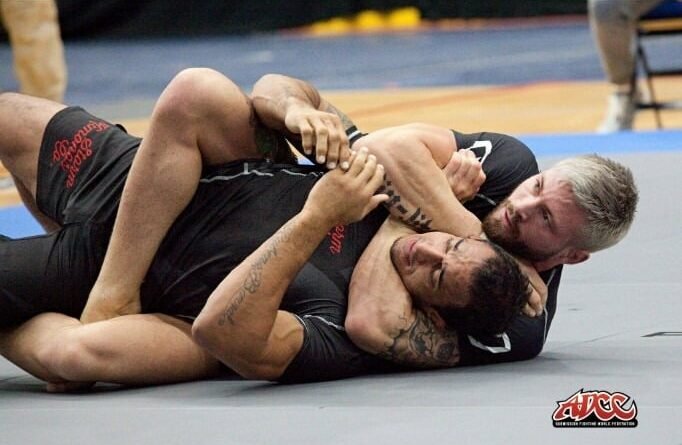
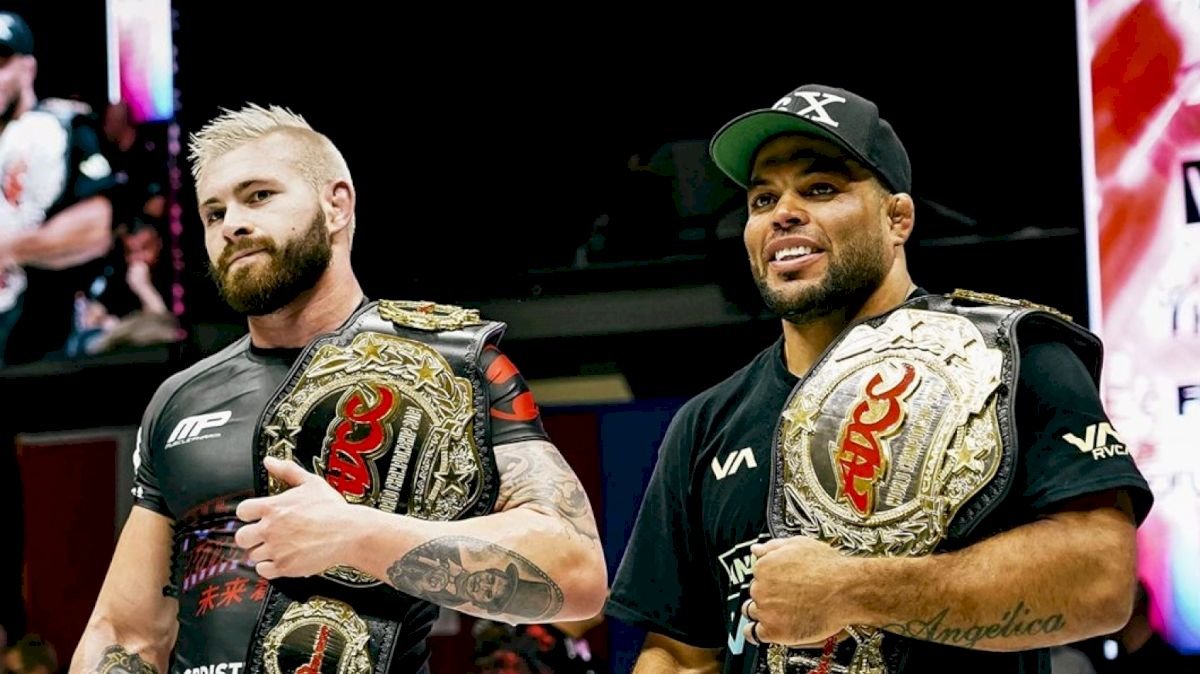
At the sport’s highest level — events like ADCC and the major submission-only cards that have grown around it — competitors are rarely seen wearing headgear at all, hard or soft. Part of that is culture: elite no-gi competitors often accept the cosmetic outcome of cauliflower ear as a byproduct of the sport, the same way boxers accept scar tissue. But it’s also practical. At that level, any equipment that could be argued as an advantage or a hazard invites more scrutiny than it’s worth, so most competitors simply don’t test the rule.
Lower down the competitive ladder — regional tournaments, gym-run superfights, amateur no-gi divisions — the picture is messier. Rules are enforced less consistently, and officials at a local event may not have a clear answer when asked whether a specific ear guard model is legal. That inconsistency is exactly why competitors get caught off guard at check-in. The equipment wasn’t banned by a headline rule; it just didn’t match what the table official expected to see and got flagged on the spot.
Wrestling’s Hard-Shell Culture Doesn’t Transfer Cleanly
A large share of no-gi grapplers arrive from a wrestling background, and wrestling’s relationship with ear guards is the opposite of grappling’s. Molded plastic headgear is standard equipment in folkstyle and freestyle wrestling, required at most levels of competition specifically because it’s rigid enough to survive mat contact without shifting. Wrestlers who cross over into no-gi often bring that same headgear to their first tournament, assuming the equipment that protected them for years will be treated the same way. It frequently isn’t.
This mismatch matters most for exactly the athletes who need ear protection the most. Wrestlers transitioning to grappling often already have early-stage ear damage from years of folkstyle before they ever step onto a no-gi mat, which makes ongoing protection more urgent for them, not less. Learning that their trusted wrestling headgear isn’t tournament-legal in the new sport, mid-registration, is a bad time to discover it.
IBJJF No-Gi Divisions and the Confusion at Local Events
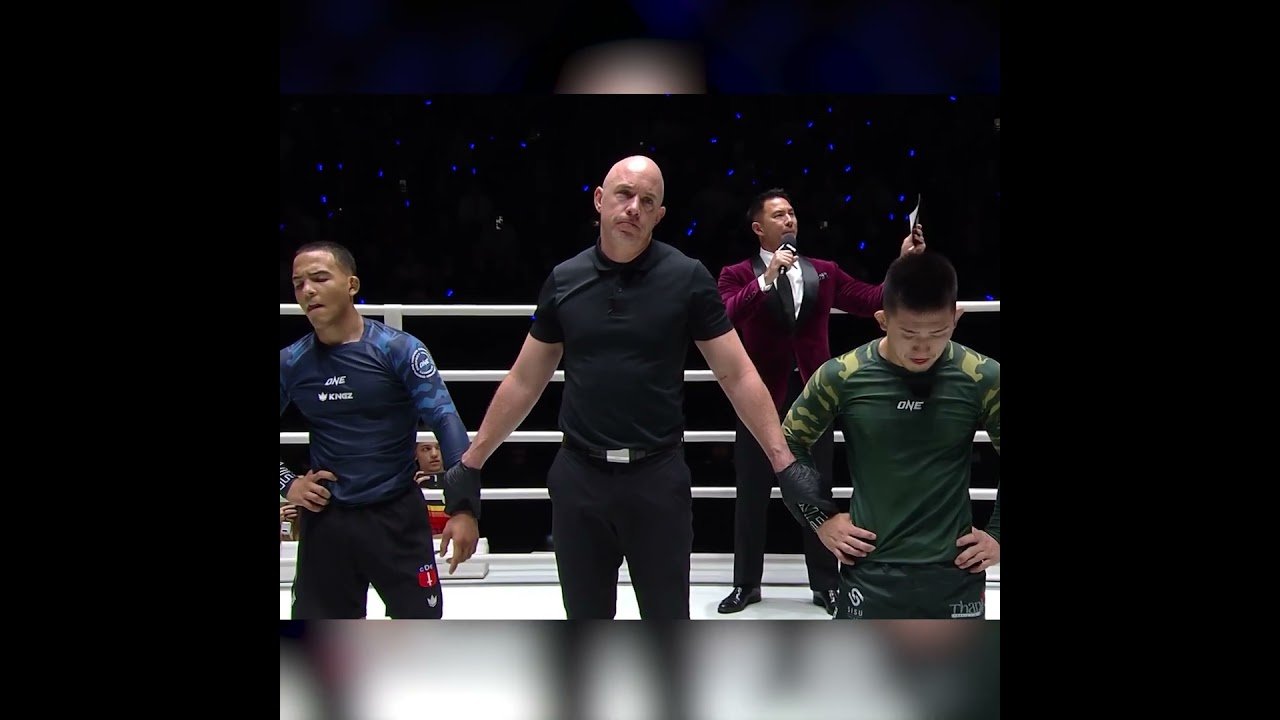
The International Brazilian Jiu-Jitsu Federation runs some of the largest no-gi tournaments in the world, and its rulebook reflects the same general principle described above: equipment shouldn’t create a safety hazard or an unfair grip advantage. In practice, that means officials at IBJJF-sanctioned no-gi events are trained to look for exactly the same thing — rigidity. A thin, soft, closely fitted ear guard rarely draws a second look. Anything with visible hard plastic shells is far more likely to be questioned or asked to be removed before the match starts.
Smaller regional tournaments that model their rules loosely on IBJJF format but don’t have the same depth of trained officials are where the real confusion happens. A competitor might wear the exact same ear guard to three different local events and get three different rulings — waved through at one, questioned at another, and told to remove it at a third. That inconsistency isn’t a reason to skip ear protection. It’s a reason to check before the day of the event instead of finding out at the table.
What Coaches Actually Tell Competitors Before Registration Closes
Experienced coaches who send competitors to multiple promotions a year tend to give the same advice regardless of the athlete’s ear condition: read the specific event’s equipment rules before packing, not the general reputation of the sport. A promotion’s website or rulebook will usually state, in a single line, whether headgear is permitted, restricted to soft materials, or banned outright. That line gets skipped constantly because competitors assume grappling rules are uniform. They aren’t, and the gap between “probably fine” and “confirmed legal” is exactly where a competitor either loses warm-up time arguing with a table official or scratches from a division they trained months for.
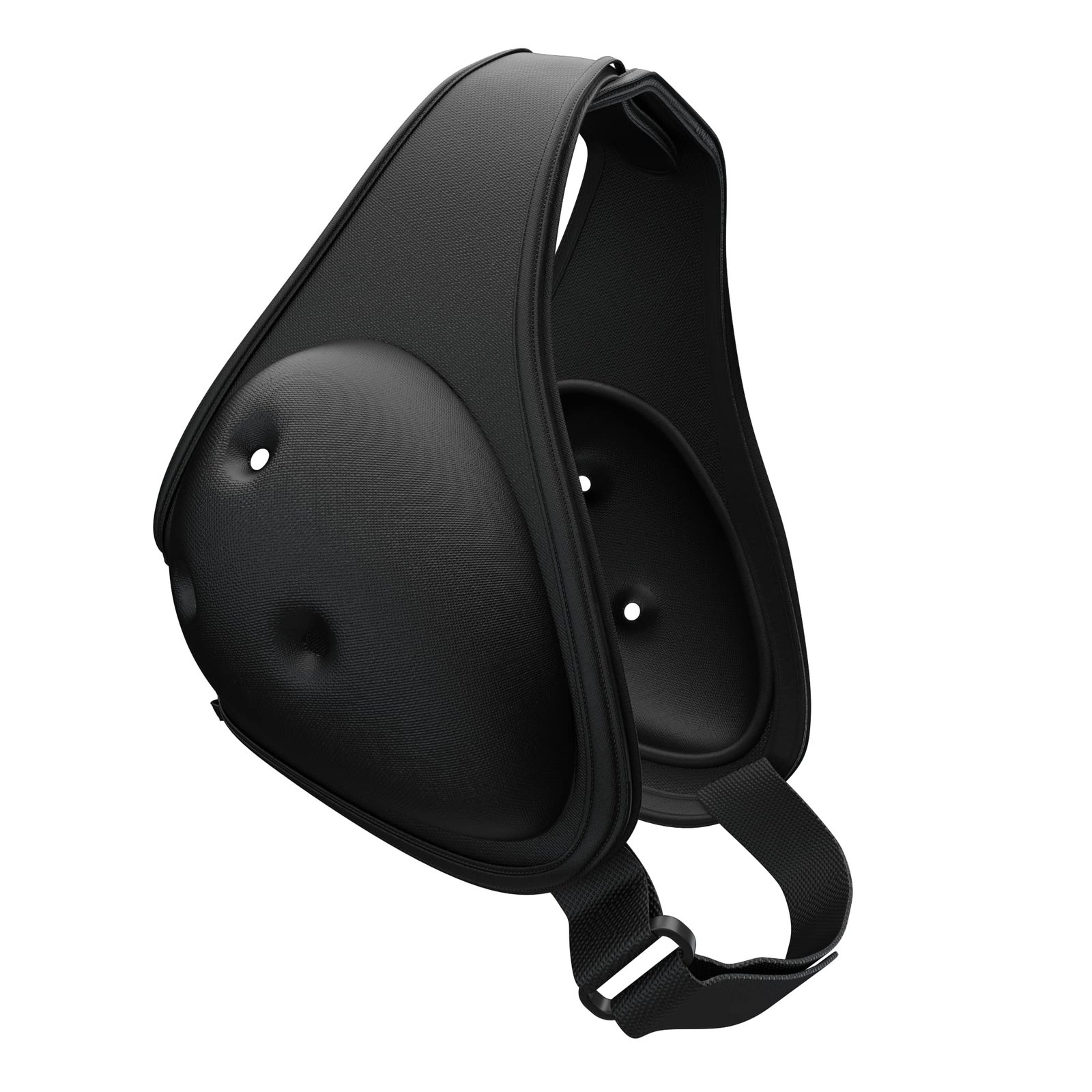
The more useful habit, according to coaches who deal with this regularly, is bringing two options to any tournament where the rule isn’t confirmed in writing: a soft, low-profile guard that clears almost every ruleset, and a backup plan for going without if even that gets questioned. It’s not the answer competitors want, but it’s the one that keeps a rules dispute from turning into a forfeit.
The Trade-off Nobody Announces: Protection Versus Grip Exposure
Even where hard shells are technically legal, a growing number of competitors choose not to wear them for a reason that has nothing to do with the rulebook: performance. A rigid shell over the ear changes how a collar tie feels, how cleanly a head can slip through a guillotine attempt, and how much surface area an opponent has to control during a scramble. Soft guards minimize that interference, which is part of why they’ve become the default even in formats that would technically allow something more protective.
That trade-off is worth naming honestly. A soft guard reduces friction and impact but won’t stop a hard direct strike or a sustained pin the way a rigid shell can. Competitors choosing between the two aren’t just picking equipment — they’re deciding how much ear protection they’re willing to trade for how much grip exposure they’re comfortable giving up during a live match.
Checking the Rulebook Before You Buy
The practical takeaway is simple even though the landscape isn’t: before buying ear protection for competition, check the specific rules of the events on the calendar, not the general norms of the sport. A guard that’s perfectly legal for daily training can still get flagged at a tournament table, and the promotions that allow hard shells are the exception, not the rule, in modern no-gi. Soft, low-profile protection clears the widest range of rulesets and interferes least with the grips and transitions that define no-gi grappling, which is why it’s become the practical default for competitors who don’t want to think about this twice.
Sources
International Brazilian Jiu-Jitsu Federation (IBJJF)
Shop no-gi ear protection: soft ear guards for grappling