Ear Guards in the Drilling Phase: The No-Gi Protection Gap Most Grapplers Miss
Walk into any no-gi grappling gym and you’ll see the same pattern. Grapplers work through a 45-minute technical session — drilling turtle escapes, headlock defense, hip heists from the bottom — with bare ears. Then the sparring rounds start, and half of them reach for their ear guards. The assumption behind that sequence is simple: live training is dangerous, drilling is safe. That assumption is wrong, and it explains why a significant number of grapplers develop cauliflower ear despite insisting they were being careful.
The damage that leads to cauliflower ear does not require an aggressive head-to-mat impact. It accumulates through repeated cycles of friction, compression, and shear force applied to the outer ear cartilage. Every time that cartilage is pressed, rubbed, or twisted, the tissue between the cartilage and its overlying skin can be disturbed. Drill the same position 30 or 40 times in a session and you have logged more total ear contact than a moderate sparring round. The rounds feel more dangerous because the energy is higher. The math on drilling tells a different story.
What Actually Happens to the Ear During a Drill Repetition
The ear’s auricle — the visible outer structure — gets its shape from a thin plate of elastic cartilage. That cartilage has no independent blood supply. It depends entirely on a connective tissue layer called the perichondrium, which sits between the cartilage and the skin and carries the vessels that keep the structure alive and capable of self-repair.
When friction, compression, or shear force separates the perichondrium from the cartilage — even slightly — blood pools into that gap. That pooling is the hematoma: the immediate precursor to cauliflower ear. If the blood is not drained quickly and the layers are not held flat while healing occurs, fibrous tissue forms in the gap instead of restoring the normal cartilage architecture. That fibrous tissue is permanent and cannot be reversed without surgical intervention.
The critical word is separates. Impact can cause separation in a single event. Repetitive moderate force can cause it just as effectively through accumulation, because the perichondrium-cartilage interface is stressed cumulatively rather than independently with each rep. The adhesion weakens progressively within a session, meaning the tissue becomes more vulnerable to disruption as the drilling block continues — not less.
Why Low-Intensity Repetition Accumulates Faster Than Grapplers Expect
Moderate force applied repeatedly can accumulate tissue disruption faster than occasional high force, because cartilage tissue does not fully recover between repetitions during a single session. If you drill a turtle escape 40 times in 15 minutes, the ear cartilage experiences 40 cycles of compression and friction against a forearm or chest without meaningful recovery between reps. By the 35th or 40th repetition, the interface is measurably more vulnerable than it was at the first. The session is doing cumulative work on the ear whether or not it feels intense.
The Drills That Create the Most Ear Pressure in No-Gi
Not all drilling carries equal ear risk. The exposure depends on which part of the ear is being pressed, how the force is applied, and how much rotational load the ear experiences during the movement. Some of the most common positional drills in no-gi create exactly the conditions that progressively compromise the ear’s cartilage layer.
Turtle Position Work
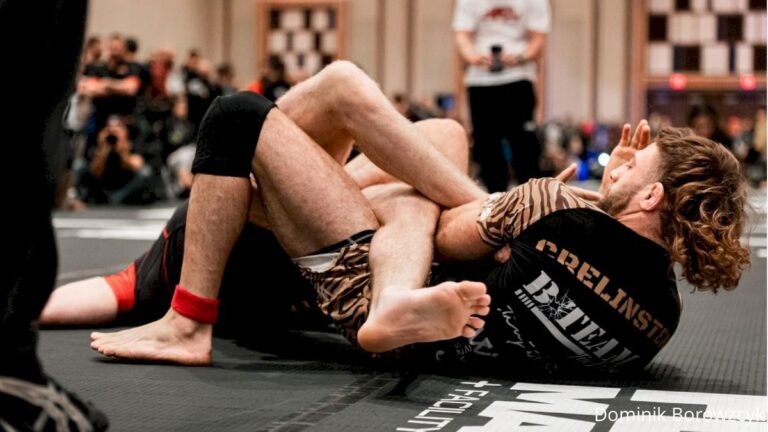
Drilling escapes from the turtle position is one of the highest-risk activities for ear damage in a no-gi context. When you are turtled — curled on hands and knees while a partner works over the top — your ear is often pressed directly against a forearm, a chest, or the mat during the transition. The side-to-side head movement required to defend the back take or complete the escape creates rotational shear across the same ear contact point, rep after rep. Grapplers who drill turtle defense frequently often develop their first signs of ear damage on the same ear — the ear that defaults to the mat-facing side in their preferred defensive posture.
Headlock Defense and Hip Heist Mechanics
Drilling escapes from front headlocks and sprawl-position entanglements creates sustained ear contact with a partner’s ribs or hip. In a front headlock drill, your ear spends significant time pressed against a partner’s torso at exactly the kind of angle that applies shear force rather than clean compression. The hip heist — the foundational movement for escaping bottom positions in no-gi — involves a lateral rotation of the entire body with the head often carrying load at the transition point. Drilling hip heists to quality standard usually means 20 to 30 reps per side in a single drilling block. That is 40 to 60 rotational transitions with potential ear contact at the pivot, before a single sparring round has started.
Positional Sparring at Reduced Intensity
Positional sparring — working from a specific position at 50 to 70 percent intensity — sits in a gray zone that most grapplers do not think about when they make decisions about ear protection. It is not considered real sparring, so the ear guards stay off. But it is not pure drilling either, which means the movements are less predictable, the contact is more varied, and the ear can end up in unplanned positions under real resistance. This training mode may carry the highest ear risk per minute precisely because it combines the unpredictability of live grappling with a lower intensity that makes grapplers feel no protection is necessary.
Doing the Math: How a Full Session Stacks Up
Consider a standard 90-minute no-gi class: 15 minutes of warm-ups, 45 minutes of drilling, and 30 minutes of sparring in 5-minute rounds with breaks. During sparring, any given grappler might be in an ear-risk position — head pressed against a partner’s body, ear under a crossface, ear twisted in a scramble — for perhaps 30 to 40 percent of each round. Over 30 minutes of rolling with rest breaks between rounds, that translates to roughly 8 to 12 minutes of actual ear-risk contact time at live intensity.
During the 45-minute drilling block, if the session covers turtle defense, hip heist sequences, and front headlock escapes, a grappler might spend 20 to 25 minutes with the ear in direct contact with a partner. Unlike sparring, where you are moving continuously and the ear contact varies in location and angle, drilling repeats the same contact point dozens of times in a row. The tissue does not get meaningful rest between reps. The cumulative stress on the perichondrium-cartilage interface during that drilling block may easily exceed what a moderate sparring session delivers — without any of the warning signals that a hard roll provides.
Most grapplers understand intuitively that rolling exposes them to ear damage. Fewer understand that the drilling block is doing a substantial portion of that work before the sparring rounds even begin.
The Habit Gap: Why Ear Guards Come Out Only at Sparring Time
The pattern is consistent enough that it points to a specific cognitive habit rather than genuine risk assessment. Grapplers associate ear guards with live training because live training feels more dangerous. The energy is higher, the contact is less predictable, and the consequences of bad position are more immediately obvious. Drilling feels controlled — you and your partner are working cooperatively, the intensity is managed, the reps are predictable. That sense of control produces a false sense of protection for the ears, because the tissue itself does not distinguish between controlled and uncontrolled contact. It responds to force and repetition regardless of intent.
There is also a social dimension to this habit. In many no-gi gyms, reaching for ear guards during a drilling session can read as treating drilling like sparring, which signals inexperience or anxiety about training. In rooms where ear protection is normalized throughout practice, this pressure is less intense. In rooms where even veteran competitors train with bare ears, the gear-at-drilling habit can feel conspicuous. The social cost of the habit is part of what prevents its adoption, even among grapplers who intellectually understand the risk.
Breaking that habit does not require becoming more anxious about training — it requires updating the risk model you are working from. Once it is clear that the drilling block carries meaningful cumulative ear exposure, wearing protection through the whole session becomes a simple logistical decision rather than a statement about intensity or anxiety.
What All-Session Ear Guard Coverage Actually Looks Like in Practice
The practical shift is straightforward: ear guards go on when you step on the mat, and they come off when you step off. Not when live rounds start. Not when the intensity crosses some threshold. The trigger is the mat, not the round timer.
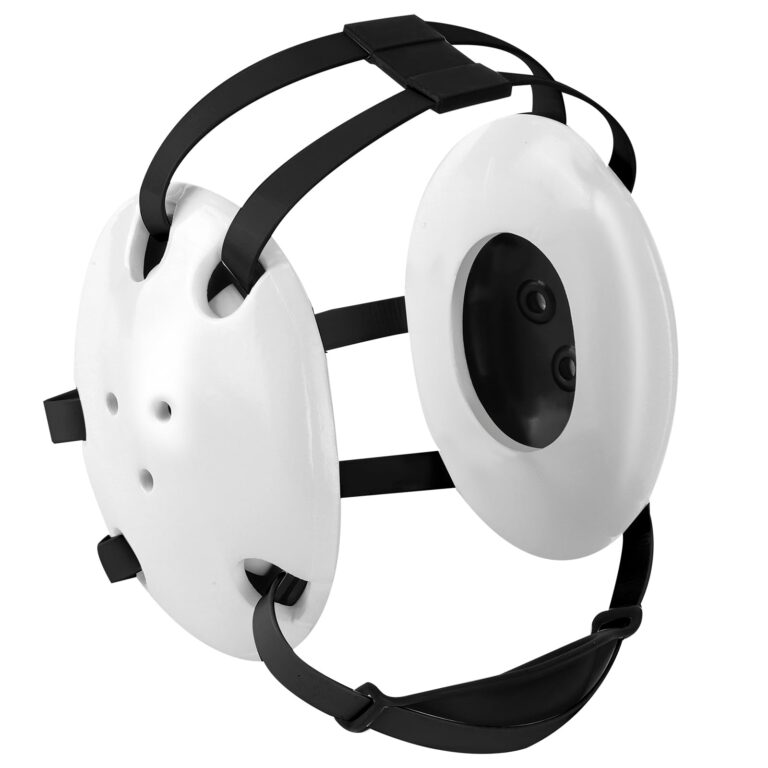
This approach does require ear guards that do not interfere with drilling quality. Guards that slip, restrict head movement, or make positional feedback difficult during technical work create genuine friction against the habit. Fit matters more during drilling than it does during sparring in some respects — because you are doing the same movement many times in a row, any point where the guard shifts or gaps will be noticed on every rep. A guard that seats securely, stays stable through rotational movements, and does not gap at the cup edges during lateral head movement is one you will keep on through the drilling block. One that requires constant readjustment will come off after the third time you reset it.
Drilling with ear guards does involve a brief tactile adjustment. The cup adds a small amount of distance between your ear and the contact surface, which changes the proprioceptive feedback from some positions — particularly headlock defense, where the ear pressing against a forearm normally provides positional information. Most grapplers adapt within one or two sessions. The adjustment period is real but minor, and it does not degrade drilling quality once the fit is correctly dialed in.
Making It the Default Rather Than a Decision
The most durable ear protection habit in no-gi grappling is one that eliminates the decision point at the start of live rounds. Grapplers who wear their guards throughout the entire session — warm-ups, drilling, positional work, and live rounds — never have to remember to put them on before sparring, because they are already on. The habit collapses to a single cue: equipment goes on at the door and comes off when practice ends. That simplicity is what makes it hold up across the months and years that genuine cauliflower ear prevention actually requires.
When the Drilling Risk Spikes Even Higher
Certain training contexts amplify the ear risk during drilling specifically. High-volume competition prep periods involve significantly more drilling repetitions per session than regular classes — a prep camp session might double or triple the rep count in the drilling block. New movement acquisition also drives up contact time, because you repeat a movement until it feels correct rather than stopping at a fixed number. And training with partners who are substantially larger or stronger means even cooperative drilling reps carry more load than intended, because you are working against a heavier frame with more surface area pressing against your ear during the position.
These elevated-risk contexts are exactly when grapplers are least likely to pause and reach for ear guards, because their attention is entirely on the training objective. The all-session habit handles this automatically. When the drilling risk spikes because of camp volume, new technique work, or a larger partner, the ears are already protected because that became the default long before the high-volume period started.
The drilling block is not a safe interlude before the real exposure begins. For most grapplers, it is where a significant portion of cumulative ear stress actually accumulates. Treating it the same way you treat sparring — gear on, protection in place — is the adjustment that closes the gap between thinking you are protecting your ears and actually doing it.
Sources
WebMD — Health and Medical Reference
FloGrappling — Professional No-Gi Grappling Coverage
Image credit: mscdirect.com