
Auricular Hematoma: What Really Happens Inside a Grappler’s Swollen Ear
Almost every grappler has felt it: a hot, tender pocket of swelling in the outer ear after a hard training week. Some ignore it, some panic, and a lot of people repeat whatever locker-room advice they heard first. The problem is that the thing you are feeling is not really an “ear injury” in the way a bruise is a skin injury. It is an auricular hematoma, and the ear you can see is only the surface of what is actually going wrong underneath. Understanding that mechanism is the difference between a scare that resolves in a week and a permanent deformity you carry for life.
This is not a gear guide and it is not a scare piece. It is a plain look at the anatomy of a swollen ear, the narrow window you have to do something about it, and the decisions that separate a clean recovery from the lumpy, hardened cartilage that combat sports made famous.
What an Auricular Hematoma Actually Is
The outer ear is mostly cartilage wrapped in a thin, tightly bound layer of skin. Between that skin and the cartilage sits a delicate membrane called the perichondrium. That membrane is not just padding. It is the cartilage’s food supply. Ear cartilage has no blood vessels of its own, so it survives entirely on nutrients that diffuse in from the perichondrium pressed against it.

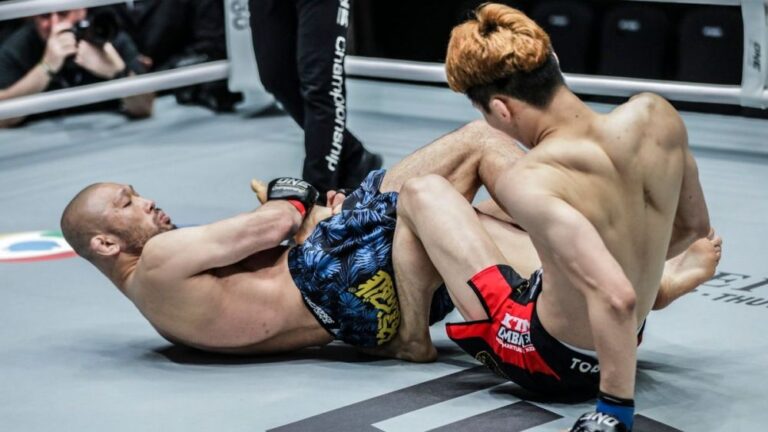
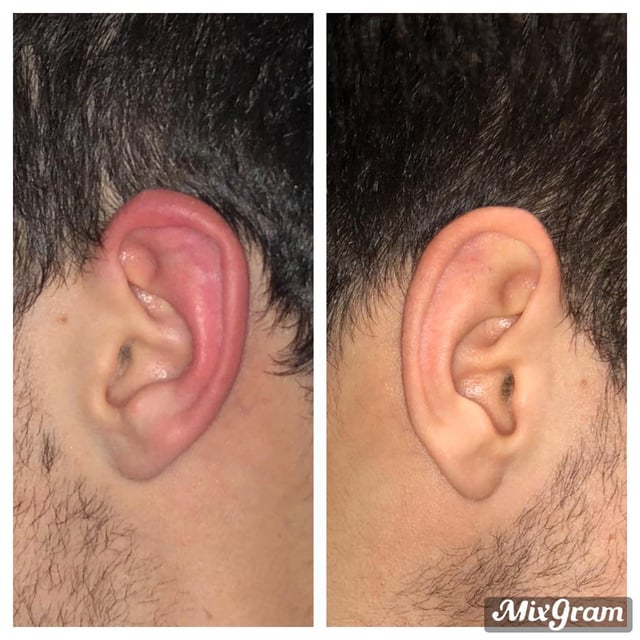
When your ear takes a shearing blow — a stray knee on a scramble, an elbow during a guard pass, friction from grinding your head against a training partner — that force can tear the perichondrium away from the cartilage. Tiny blood vessels rupture in the gap, and blood pools into the newly opened space. That pooled blood is the hematoma. The visible swelling, the warmth, the dull throb: all of it is fluid sitting where it does not belong, physically prying the cartilage’s nutrient membrane off its surface.
Why the cartilage is the real victim
Here is the part most people miss. The blood itself is not what deforms the ear. The damage comes from what the separation does to the starved cartilage. Cut off from its blood-free supply line, the cartilage panics. In response to the injury and the pooling blood, the body lays down new, disorganized cartilage and fibrous scar tissue to fill the space. That fresh growth is lumpy, asymmetric, and permanent. Once it hardens, the smooth contours of the ear are gone, replaced by the thickened, folded look that gives “cauliflower ear” its name.
So the swollen ear you are looking at is a countdown. Every hour that blood stays trapped against the cartilage, the more likely your body is to build something ugly and irreversible in that gap. That is why timing matters more than almost anything else.
The 48-Hour Window That Decides Everything
![r/MMA - Fighter's cauliflower ear torn off during fight [graphic]](https://rashguardguy.com/wp-content/uploads/2026/07/auricular-hematoma-swollen-ear-grappling-3.jpg)
Fresh blood is liquid. Old blood is not. In the first day or two after the injury, the hematoma is still fluid enough to be removed cleanly, and the perichondrium can be pressed back down against the cartilage before the body starts scarring. After roughly 48 hours, that blood begins to clot and organize, and the new fibrous tissue starts forming. Once that process is underway, simple drainage stops being enough — you are no longer removing liquid, you are trying to reverse a change that has already begun.
This is the single most important thing a grappler can internalize: a swollen ear is time-sensitive. The instinct to “wait and see if it goes down on its own” is exactly the instinct that produces permanent deformity. A hematoma large enough to feel squishy and raised will almost never reabsorb cleanly on its own before the scarring starts. Waiting is a decision, and it is usually the wrong one.
A swollen ear is not a bruise that fades. It is a clock. The sooner the trapped blood comes out, the better the ear looks in six months.
Draining It: Aspiration, Incision, and the Part That Actually Matters
Drainage is the treatment, and it comes in two main forms. Needle aspiration uses a syringe to pull the fluid out through a small puncture. It is quick and minimally invasive, and it works well for fresh, small hematomas. The downside is that the puncture closes immediately, so if any blood is left behind or reaccumulates, you are back where you started — and aspiration alone has a high reaccumulation rate.
Incision and drainage is the more thorough option for larger or slightly older collections. A clinician makes a small cut, evacuates the blood and any early clot, and leaves a path for continued drainage. It is more involved, but it clears the space more completely and gives the perichondrium a real chance to reattach.
Neither of these should be a DIY project done with a shop needle in the gym bathroom. Attempting drainage on your own risks introducing bacteria into a warm, blood-filled pocket sitting directly on cartilage — and a cartilage infection, or perichondritis, can destroy the ear far faster and more completely than the original hematoma ever would. If the tools are not sterile and the hands are not trained, you are not treating an injury, you are seeding one.
Why compression matters more than the drain
Getting the blood out is only half the job, and arguably the easier half. The empty space that is left behind wants to fill back up. Without something holding the skin and perichondrium down against the cartilage, blood seeps back in and you re-form the hematoma within a day. This is why clinicians apply a compression bolster after drainage — sutured cotton rolls, dental rolls, silicone splints, or a molded pressure dressing that clamps the ear’s layers together while they heal.
That bolster typically stays on for several days to a week or more, and keeping it in place is the whole ballgame. Grapplers who drain their ear and then jump straight back onto the mat without compression are the ones who end up with cauliflower ear anyway. The drainage was never the finish line — the pressure that follows it is.
When a Swollen Ear Needs a Doctor Now
Most fresh hematomas are best handled by a clinician within that first day or two, but some situations move a swollen ear from “get it looked at soon” to “go now.” Treat any of the following as urgent:
- The swelling is growing quickly or the ear feels tight and tense to the touch.
- Redness spreading beyond the swelling, increasing heat, or pus — signs of infection in the cartilage.
- Fever, or pain that is worsening rather than settling.
- The ear was already drained and has ballooned back up.
- The injury came with a heavy head impact, dizziness, or drainage of clear or bloody fluid from inside the ear canal — that points to something more serious than the outer ear.
Perichondritis is the complication to fear here. Because cartilage has such a poor blood supply, it fights infection badly and heals slowly, and an untreated cartilage infection can collapse the ear’s structure entirely. If your swollen ear starts looking angry rather than just puffy, that is not a training annoyance — it is a medical problem.
What Happens If You Let It Harden
Say you missed the window — you traveled, you toughed it out, or you simply did not know. Once the hematoma organizes and the fibrous cartilage sets, the ear is deformed, and no amount of ice or pressure will reverse it. At that point the swelling is not fluid anymore; it is solid tissue. Draining does nothing because there is nothing liquid to drain.
The cosmetic damage is the obvious cost, but there can be functional consequences too. Severe cauliflower ear can narrow or partially block the ear canal, muffle hearing, and create folds that trap moisture and make future infections more likely. The thickened, scarred ear is also more fragile in a specific way — it deforms further with less provocation than a healthy ear, so each subsequent hit compounds the last.
Surgical correction
For established cauliflower ear that a grappler wants corrected, the only real route is surgery — a procedure sometimes described as an auricular reconstruction, where a surgeon removes the built-up fibrocartilage and reshapes the ear. It works, but it is a real operation with real recovery time, and it only makes sense once you have stopped taking repeated trauma to the area. Getting it fixed and then rolling unprotected the following week is throwing money at a problem you are actively recreating.
Keeping It From Coming Back
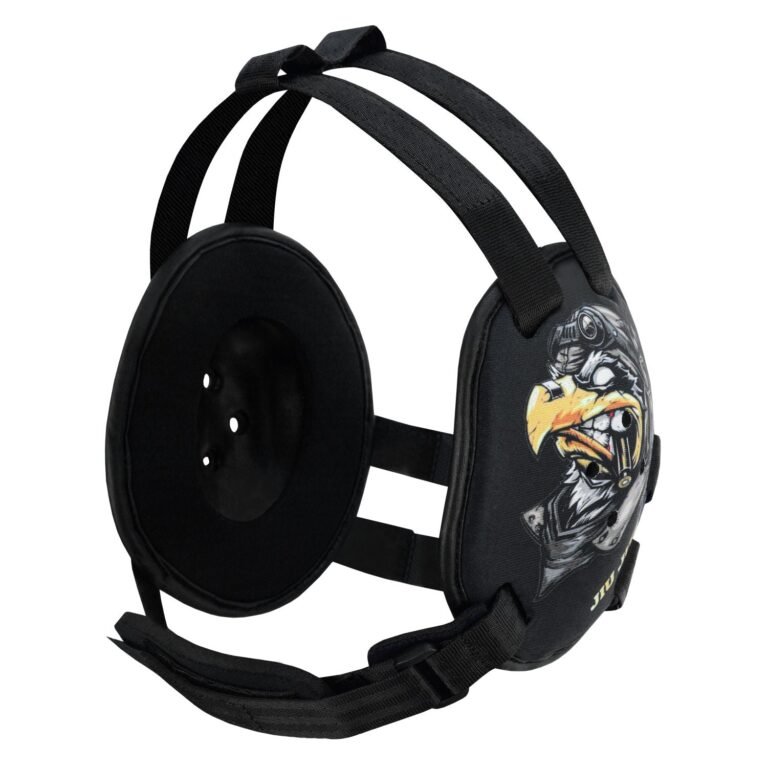
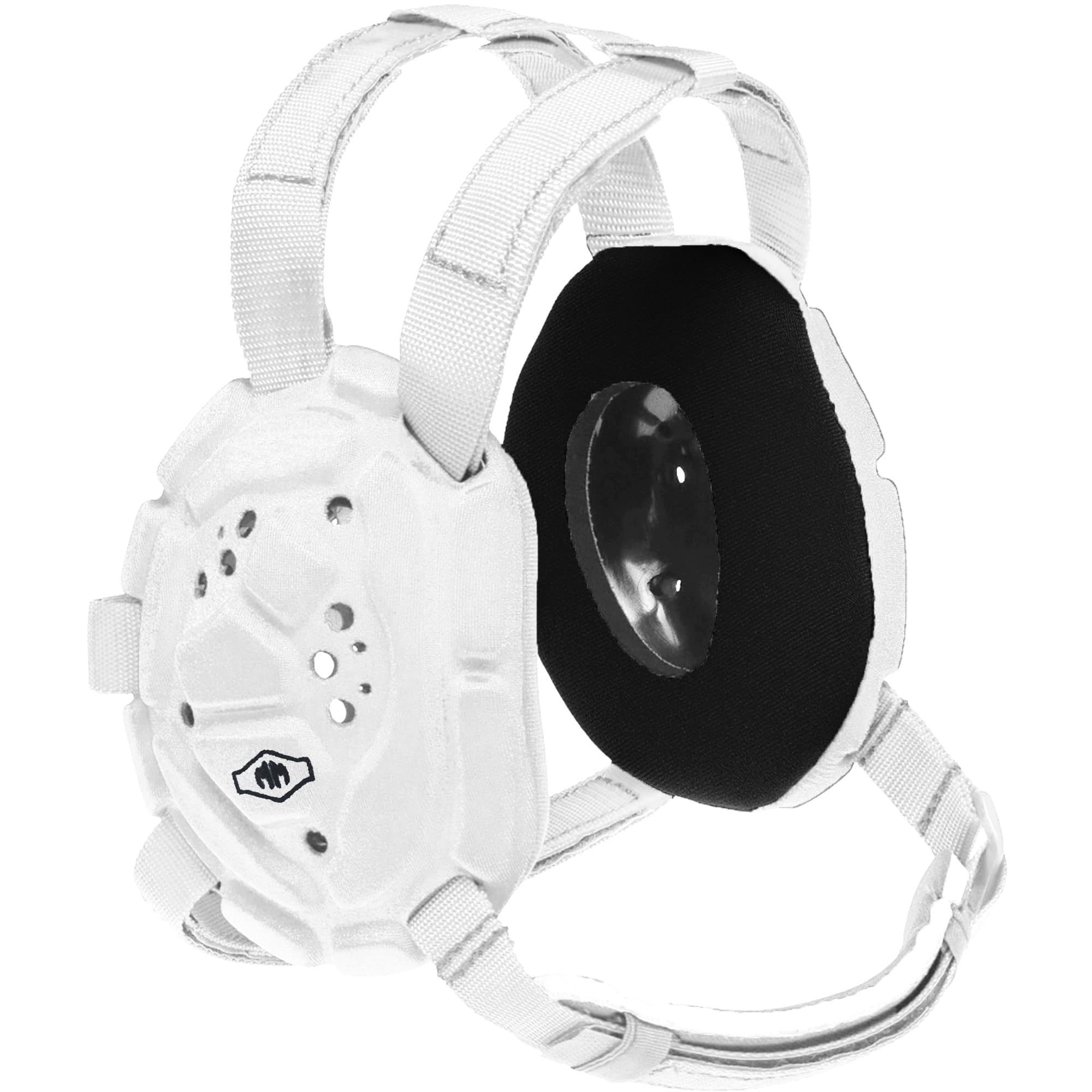
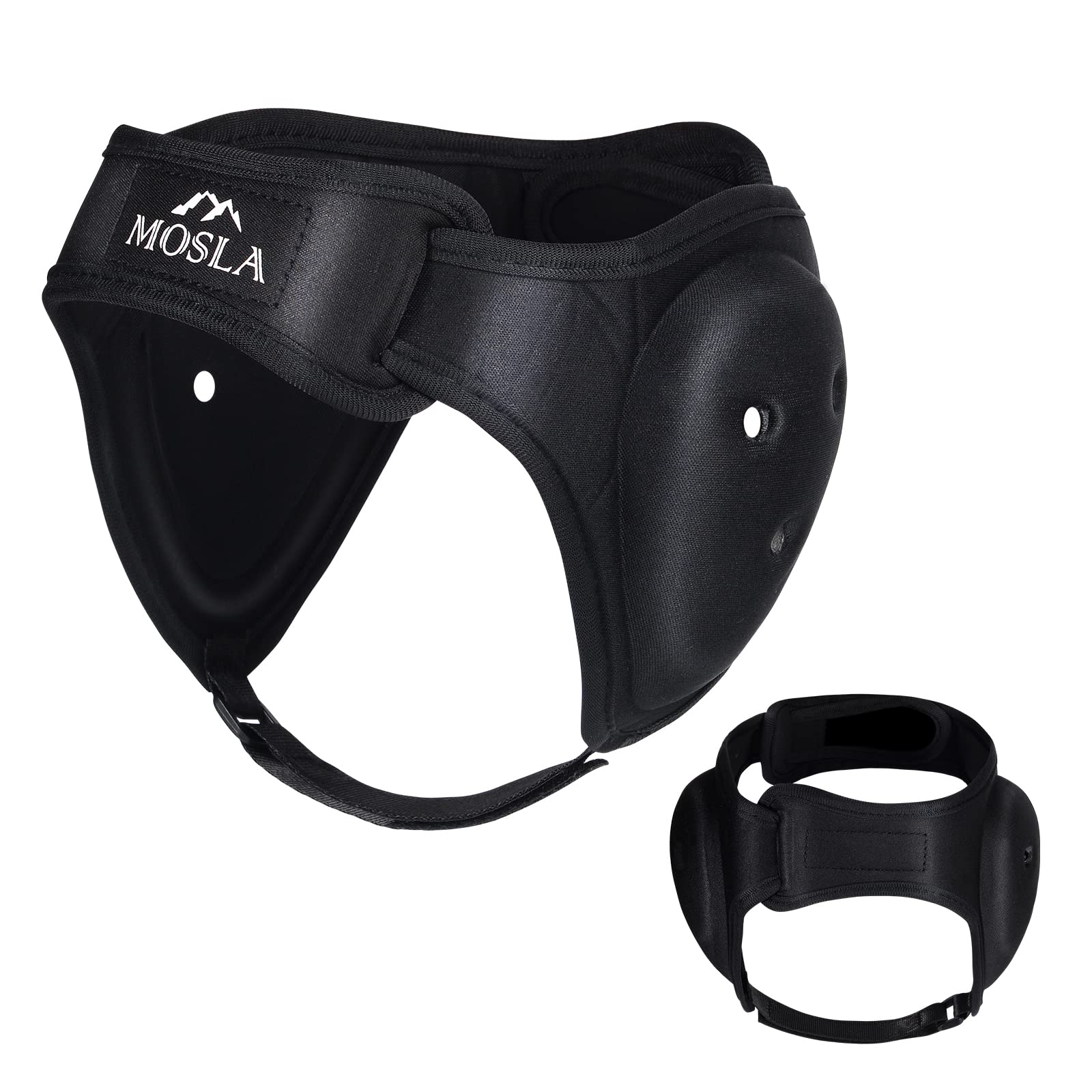
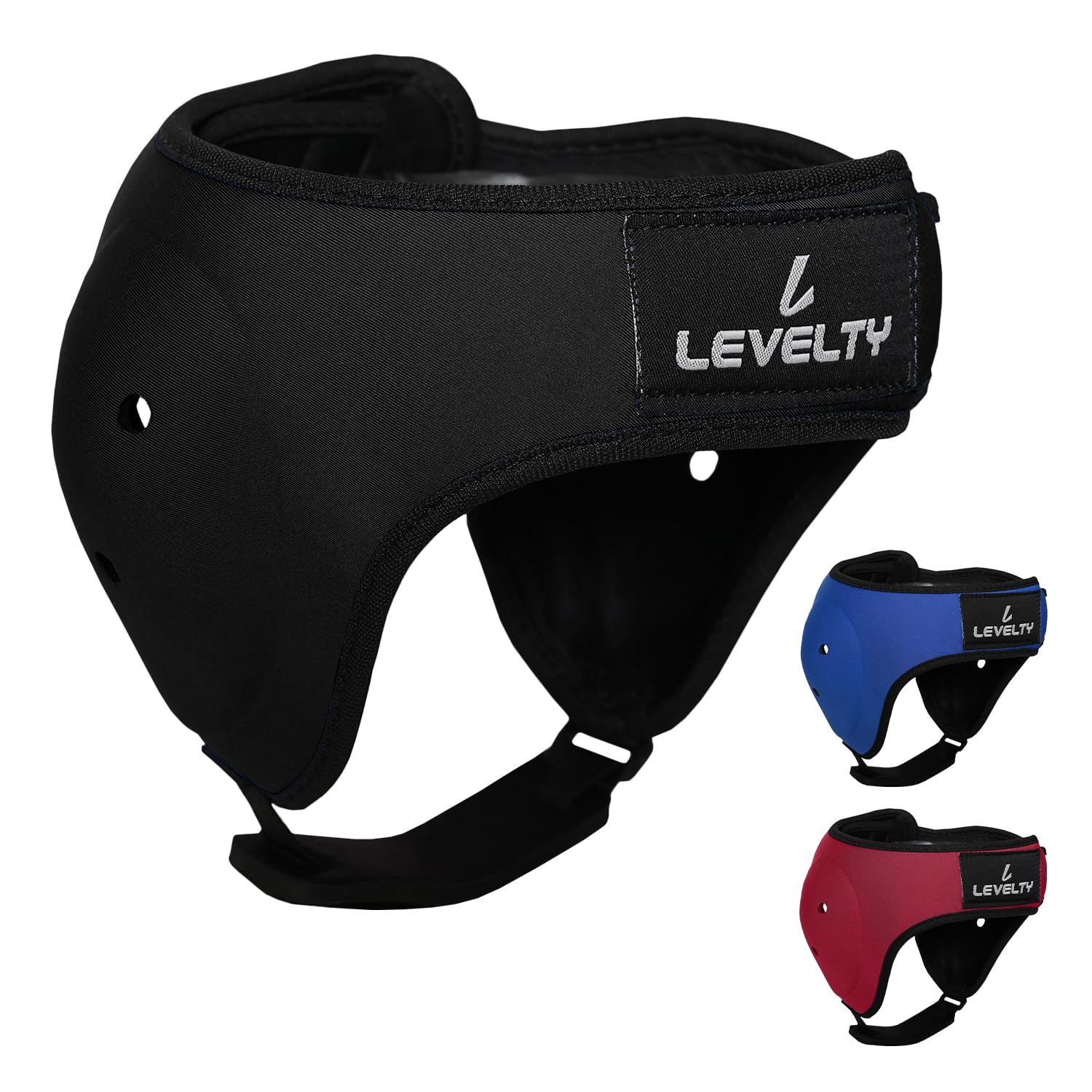
Prevention is almost entirely about reducing shear and cushioning impact. Wrestling-style headgear and grappling ear guards exist for exactly this reason: they put a padded, low-friction barrier between your ear and the constant grinding of head-to-body and head-to-mat contact that no-gi produces. They are not a fashion statement and they are not an admission of weakness — they are the cheapest injury insurance in the sport.
Beyond gear, technique and hygiene help. Being mindful of how you post your head during scrambles, avoiding the reflex of burying your ear into a partner and grinding through it, and treating any early swelling immediately all reduce your lifetime odds. If you already have a history of hematomas on one ear, that ear is more vulnerable, not less — the tissue there scars more readily, so it deserves the most protection. A basic set of ear guards costs less than a single physio visit.
If you want to compare protective options, a quick search for grappling and wrestling ear guards will show the range from soft slip-on covers to full headgear, and the right pick mostly comes down to how much coverage you will actually tolerate wearing every session.
Badge of Honor or Warning Sign?
There is a stubborn culture in grappling that treats cauliflower ear as a badge — proof of mat time, evidence you belong. That reading is understandable, but it is worth being honest about what the badge actually represents: a series of injuries that were each preventable and, once formed, permanent. Plenty of world-class competitors have pristine ears because they drained early and wore protection. Their skill is not in question.
The smarter frame is to treat a swollen ear the way you would treat any acute injury: recognize the mechanism, respect the clock, and get it handled before your body makes the decision for you. Understanding the auricular hematoma underneath the swelling turns a mysterious lump into a manageable problem — one where a fast response and a few days of pressure usually mean you keep the ear you were born with.
The Bottom Line
A swollen ear after training is an auricular hematoma — trapped blood separating cartilage from its only nutrient supply. You have roughly two days before the body starts building permanent scar tissue in that gap. Get it drained by someone qualified, keep it compressed afterward, and protect the ear once it heals. Do that, and cauliflower ear stays a choice rather than an inevitability.
Sources
- Wikipedia — Perichondrium and ear cartilage nutrient supply
- Wikipedia — Cauliflower ear (auricular hematoma)
- Cleveland Clinic — patient health library
- National Center for Biotechnology Information — medical literature
Browse our top-rated rashguards and no-gi gear at the RashguardGuy shop →