How Many Rashguards You Need: No-Gi Rotation Under $50
Ask any no-gi BJJ forum what the best rashguard under $50 is and you will get the same five brand names. Useful, but it skips the question that actually decides whether you stink at training: how many rashguards you need. Buy one $30 piece for a 4x per week schedule and you will be pulling a damp, sour rashguard out of your gear bag by Tuesday. Buy seven of the same piece and you have spent $210 on a sport you have trained for six weeks.
The math behind rashguard rotation is more useful than any individual brand pick. Below is a breakdown of how many sub-$30 and sub-$50 pieces real grapplers need, why drying time is the hidden constraint, and where the cheaper price point starts to bite. None of this requires a sponsorship deal or a closet full of premium gear, just honest math against your actual training week. For what actually separates a good sub-$50 rashguard from a bad one, see our complete guide to what your money buys — this piece is purely about quantity, not construction.
The Rotation Problem Most Buying Guides Skip
Buying guides rank rashguards on fabric, stitching, and sale price. They rarely talk about quantity. The omission matters because rashguards are not socks. You cannot run them through a hot dryer and pull them out an hour later. Most manufacturers warn against tumble drying because heat destroys the elastane that gives the garment its compression. That single rule turns a $30 purchase into a logistics problem.
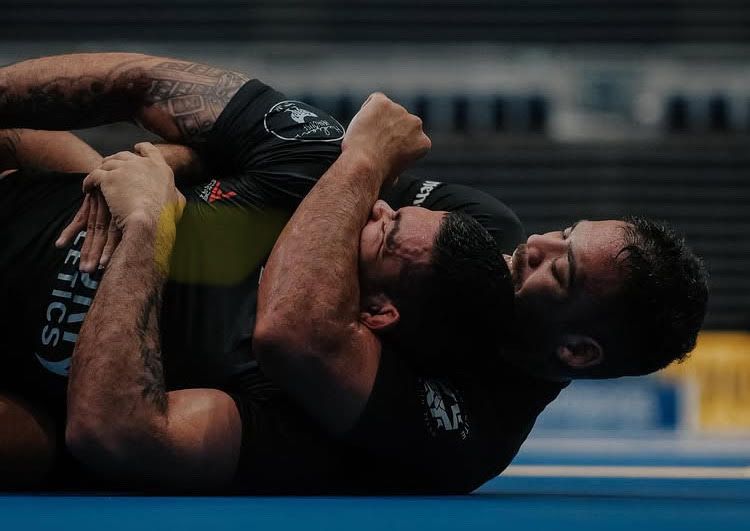
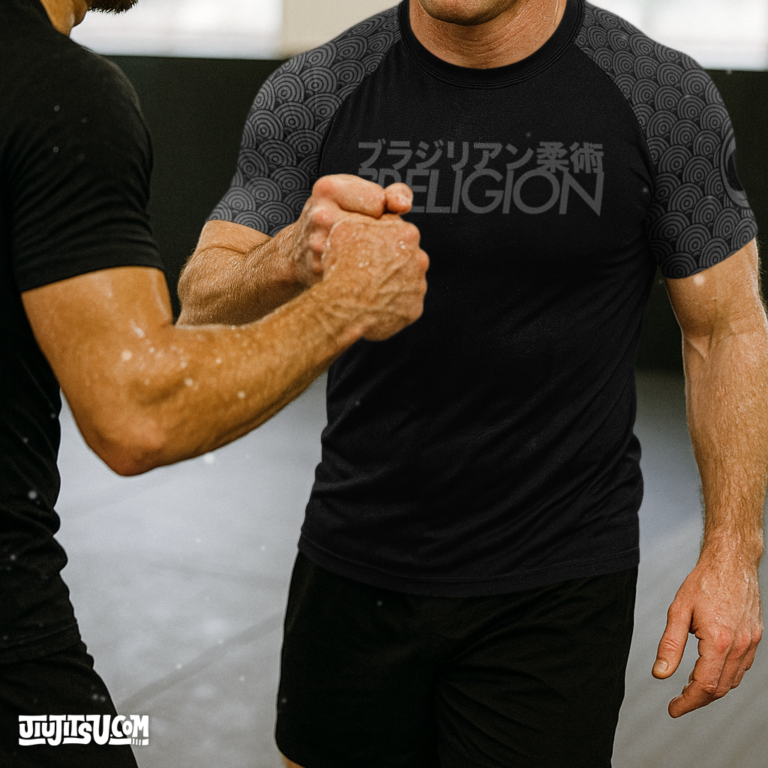
A rashguard soaks up a full round of sweat every session — quantity is the real problem.
Here is the chain. Roll, soak the rashguard in sweat, wash within 12 hours to kill bacteria, air dry for 8 to 24 hours depending on climate, wear again. If your next session is tomorrow morning and the rashguard you just took off is still damp at the seams, you are going back to class in yesterday’s gear or skipping a layer altogether. Neither option is good for your skin or your training partners.
How Many Rashguards You Need by Training Frequency
The minimum count tracks your sessions per week, the climate you train in, and whether you double up sessions in a single day. Use this as a floor, not a ceiling.

Your session count, not your favorite brand, sets how many rashguards you need.
2 to 3 sessions per week
Three rashguards is the realistic minimum. You have one drying, one in the wash or laundry pile, and one ready for the next class. Two will technically work if you live somewhere dry and have time to wash and hang the moment you get home, but the moment you skip a wash or get an extra open mat invite, you are stuck. At a sub-$30 price point, the difference between two and three is one dinner out.
4 to 5 sessions per week
Five rashguards is the comfortable answer. Four works if you do laundry every other day and live in a dry climate. The reason five works better is buffer. You will have at least one piece in some stage of drying at any given time, plus a fully dry option waiting for you, plus a backup in case one comes off the line still sour and needs a re-wash. Five also lets you separate one piece as a drilling-only rashguard so your hardest rolls do not burn out every garment evenly.
6+ sessions per week or double days
Seven is the working floor. Competitors training morning technique plus evening sparring need a fresh top for each session, because rolling in a damp rashguard from six hours earlier guarantees skin issues over time. Add one dedicated competition piece in your federation’s required colors, and you are at eight. The trap at this volume is mixing too many sub-$30 pieces, because they wear out fast under double-session loads. Five sub-$30 plus two sub-$50 pieces tends to outlast seven of either alone.
Drying Time Math: The Hidden Constraint
The rotation calculation collapses without drying time honesty. A polyester-spandex rashguard hung on a line in a dry, ventilated room dries in roughly 6 to 10 hours. The same rashguard hung in a humid, unventilated bathroom can still be damp at the elastic 24 hours later. Climate matters more than people admit when they recommend a rotation count.
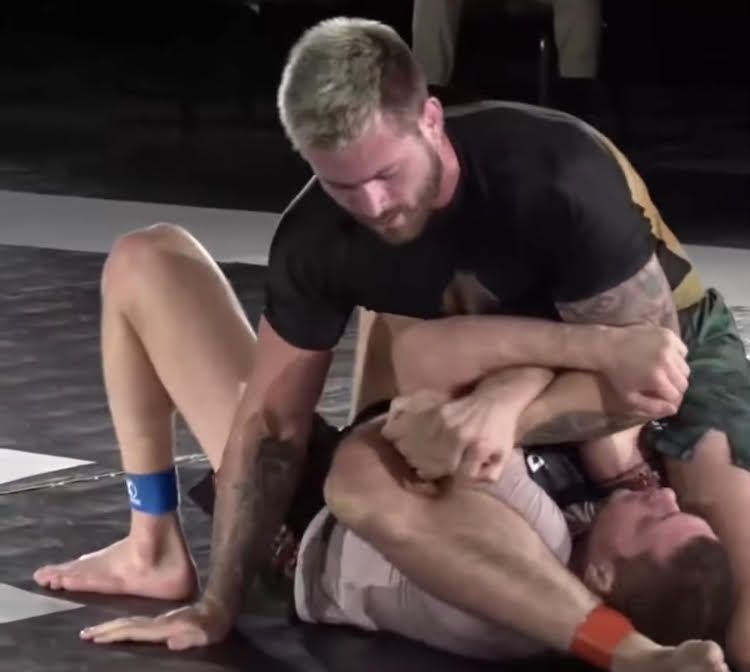
Drying time, not ownership count, is the bottleneck that leaves you in damp gear.
Cheaper rashguards tend to dry slower for two reasons. First, the polyester blend at the sub-$30 range often runs heavier per square meter, which holds more water. Second, thicker armpit panels and seam reinforcements at the cuffs trap moisture in exactly the spots that take longest to dry. The premium pieces in the $40 to $50 range usually use a thinner main panel and laser-cut or flatlock seams that release water faster.
The practical implication. If you train in a humid environment, most of Florida, Texas, the southeast US, anywhere coastal in Asia, add one extra rashguard to whatever count above matches your schedule. Drying time is your real bottleneck, not how many garments you own.
What Sub-$30 vs Sub-$50 Actually Changes in Rotation
The $20 jump between price tiers is rarely about fabric quality alone. It is about how many wash cycles the garment can take before it starts shedding performance. A sub-$30 rashguard from a budget brand may last 40 to 80 hard rolls before the elastic at the cuffs goes slack or the sublimated graphic begins to fade unevenly. A sub-$50 piece from an established no-gi brand often pushes that to 120 to 200 hard rolls. If you are still deciding between one nicer top and two cheap ones, my breakdown of two cheap rashguards versus one good one walks through that exact trade-off.
That changes the rotation math. If you buy five sub-$30 rashguards at the start of a busy year and train 250 sessions, each garment averages 50 wears, which sits at or beyond the cheap-tier ceiling. By month 10 you are already rotating into pieces that pill, ride up, or smell permanent. Five sub-$50 pieces under the same load come out the other side with maybe one casualty. It is worth understanding what your money actually buys under $50 before you commit a whole rotation to one tier.
The cheaper rotation is not wrong. It is a choice. If you are a beginner unsure you will still be training in a year, $90 for three sub-$30 pieces is a smarter entry than $150 for three sub-$50 pieces you may abandon. The sub-$50 tier wins on cost per roll, not on upfront price.
Wash Routine That Stretches Cheap Rashguard Lifespan
The shortest path to making sub-$30 gear last longer is fixing the wash routine. Most rashguard early deaths trace to dryer heat and detergent residue, not the rolling itself.

The right wash routine stretches a sub-$30 rashguard well past its expected life.
- Wash within 12 hours of training. Bacteria embed in the fiber after a day in the bag and never fully come out.
- Cold water, gentle cycle. Hot water and aggressive agitation accelerate elastane breakdown.
- Turn inside out before washing. The print side stays sharp longer and the inner panels, where the sweat actually lives, get cleaned properly.
- Skip fabric softener. It coats the fiber, traps odor, and reduces moisture-wicking.
- Use less detergent than the bottle says. Residue is what makes rashguards smell musty even after a wash.
- Air dry on a hanger or flat rack. Never tumble dry, never direct sun for hours, since UV breaks down elastane.
For chronic odor, the kind that survives a normal wash, soak the rashguard in cold water with a half cup of distilled white vinegar for 30 minutes, then run the regular cycle. Vinegar breaks down the bacterial residue that builds up in polyester. It works on rashguards the same way it works on towels.
When to Stop Rotating and Start Replacing
Even with a perfect wash routine, no rashguard lasts forever. Replace, not just rotate, when you see any of these. The construction details that decide what lasts are usually the first places a cheap piece fails.

Pilling, slack cuffs, and pinholes mean it is time to replace, not just rotate.
- Pilling under the armpits or along the lat panel. Friction wear that will not reverse.
- Stretched cuffs that no longer grip the wrist. Sleeves ride up during scrambles.
- Loose stitching at the neck or shoulder seams. One good underhook will finish the tear.
- Pinhole transparency when held to a light, especially across the back panel.
- Permanent musty smell after a full vinegar soak.
- Sublimated graphic flaking, cracking, or transferring to other garments in the wash.
If two of your five rashguards hit replacement criteria at the same time, your effective rotation just dropped to three pieces. That is when you backslide into wearing damp gear without realizing why. Audit the stack quarterly, not annually.
Sample Rotation Budgets for Real Training Loads
Three concrete budgets, all under the $50 ceiling per piece.
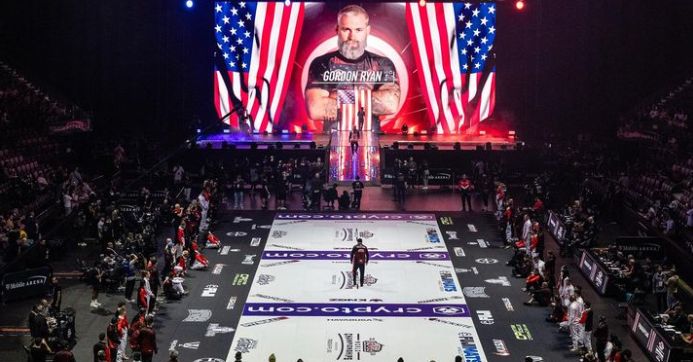
Stagger your purchases so the whole rotation never ages out in the same month.
- $90 starter rotation. Three sub-$30 rashguards. Covers a 2 to 3x per week schedule with no wash anxiety. Best for beginners in their first six months of no-gi.
- $150 working-grappler rotation. Five sub-$30 rashguards, or three sub-$50 plus one sub-$30 backup. Covers 4 to 5x per week. The mixed strategy lasts longer if you are committed for a full year of training.
- $200 competitor rotation. Four sub-$50 rashguards plus one sub-$30 drill-only piece. Covers 5 to 6x per week with one piece reserved for competition appearance. Better cost-per-roll over 12 months than seven sub-$30 pieces.
Notice none of these budgets recommend eight rashguards of the same kind. Stacking too many identical pieces makes failure compounding. They all reach end of life within the same month, and you replace the whole rotation at once. Staggered purchases, one or two pieces every couple of months, keep your rotation perpetually mid-life. If you still need help choosing individual pieces, start with my picks for the best rashguards for BJJ.
Travel and Tournament Rotation Adjustments
The home rotation count assumes daily access to laundry and drying space. Travel and tournaments break both assumptions.
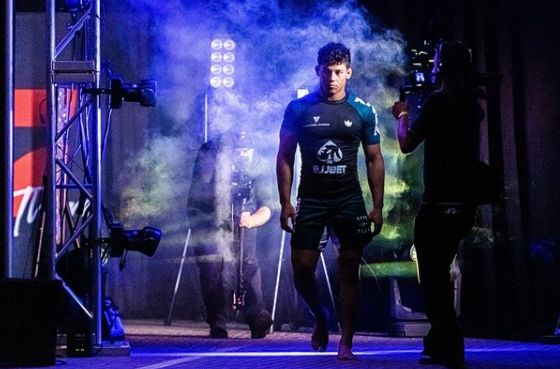
Travel and tournaments break your home laundry assumptions — pack extra.
For a weekend out-of-town competition with two or three matches plus warm-up rolls, pack three rashguards minimum. One to compete in, one fresh for warm-up the same day, one for travel home. Hotel bathrooms do not dry rashguards overnight in a sealed AC environment. For training camps that run a full week, pack five and plan to hand-wash and hang in the shower mid-week.
If your academy or federation enforces colored rashguards by belt rank, one of your sub-$50 pieces should match the required color. Under IBJJF no-gi rules that usually means a specific rank color for competition, so do not burn that one on hard rolls between events. Its job is staying competition-ready for the next 12 months.
The Final Math
The best rashguard under $50 is not a single piece. It is the right number of the right pieces, mixed across price points and replaced on a schedule. Three for casual training, five for serious training, seven plus for competitors. Add one if you live somewhere humid, subtract one only if you live somewhere dry and have time to wash same-day. Skip the dryer, skip the fabric softener, replace anything pilling or pinholed, and the sub-$30 tier can hold its own. Buy on quantity, not on hype.
Sources
- International Brazilian Jiu-Jitsu Federation — Official rulebook and rashguard color requirements for no-gi competition.
- FloGrappling — Coverage of major no-gi events and equipment usage trends.
- U.S. Centers for Disease Control — Guidance on athletic apparel hygiene and skin infection prevention.
- Amazon search: BJJ no-gi rashguards — Current price and brand availability for sub-$30 and sub-$50 picks.
Browse our top-rated rashguards and no-gi gear at the RashguardGuy shop →
Shop on Amazon
BJJ Rashguards on Amazon →
As an Amazon Associate we earn from qualifying purchases.