Under $50: What Your Money Really Buys in a Grappling Rashguard
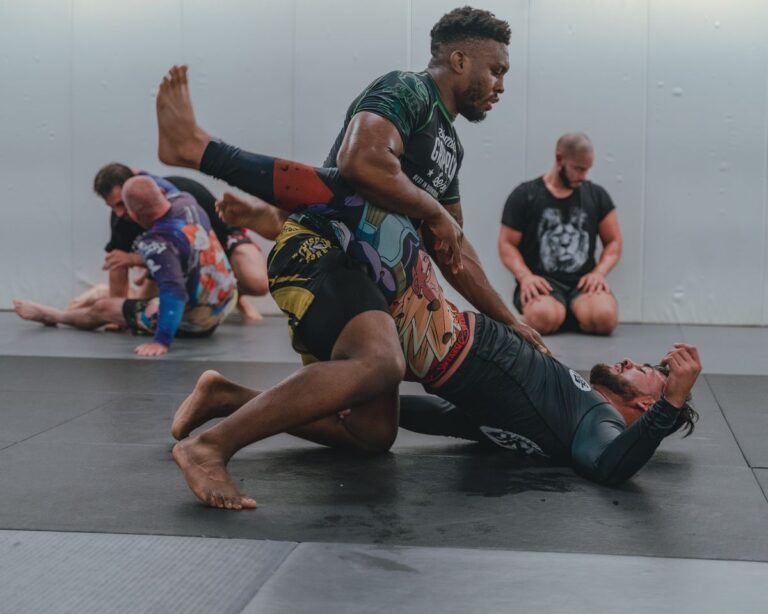
Walk into any online grappling store and the rashguard wall looks like a pricing puzzle with no logic to it. One shirt is $22, the near-identical one next to it is $58, and the marketing copy for both promises the same “4-way stretch, moisture-wicking, competition-grade” everything. If you train no-gi three or four times a week, you don’t need the boutique option — but you also don’t want the $25 shirt that pills, peels, and stinks by month two. The good news: the gap between a genuinely good budget rashguard and an overpriced one comes down to a handful of things you can actually inspect. This is a walkthrough of what your money buys as you move from $30 to $50, and how to spot the cheap shirt that punches above its price.
Price and quality stopped moving together a while ago
The first thing to unlearn is the idea that a higher price tag means a better garment. Rashguards are cheap to manufacture and the whole category has matured. The same overseas factories that press shirts for the premium labels also run production for the store-brand budget lines, sometimes on the same machines with the same fabric rolls. What you’re often paying extra for is the logo, the athlete sponsorship, and the marketing — not stitching that will outlast a season.
That cuts both ways. It means a $28 rashguard can be genuinely excellent, and it means a $55 one can be mediocre. So instead of reading the price as a quality signal, read the construction. Four things decide whether a grappling rashguard survives real training: the fabric blend, the stitching, the print method, and the fit. Get those right and $40 buys something you’ll still be wearing in eighteen months.
The fabric blend is the first tell
Almost every rashguard is a polyester-and-spandex mix, but the ratio matters more than most shoppers realize. Polyester gives you durability, shape retention, and quick drying; spandex (also sold as elastane or Lycra) gives you the four-way stretch that lets you shoot, sprawl, and invert without the shirt binding across your shoulders. The sweet spot for grappling sits somewhere around 80–88% polyester to 12–20% spandex.
Where budget shirts cut corners is at the extremes. Too much spandex — you’ll see 25% or higher on some ultra-cheap listings — feels wonderfully soft in the box but stretches out, sags at the collar, and loses its snap after a dozen washes. Too little, and the shirt feels like a stiff swim top that fights your range of motion. Fabric weight matters too: a mid-weight knit around 240–280 GSM holds up to mat friction, while the flimsy sub-200 GSM shirts go semi-transparent when they’re sweat-soaked and thin out at the elbows first. If a product page lists the exact blend and GSM, that’s a quiet sign the maker is confident in it. If the listing hides the numbers, assume they’re hiding something.
Stitching is where cheap rashguards actually die
You can forgive a lot of things in a budget rashguard, but you can’t forgive a seam that opens up mid-roll. Grappling puts loads on a shirt that no gym workout does — someone is gripping the fabric, cross-facing your shoulder, and dragging you across a mat by the sleeve. The seams take all of it.
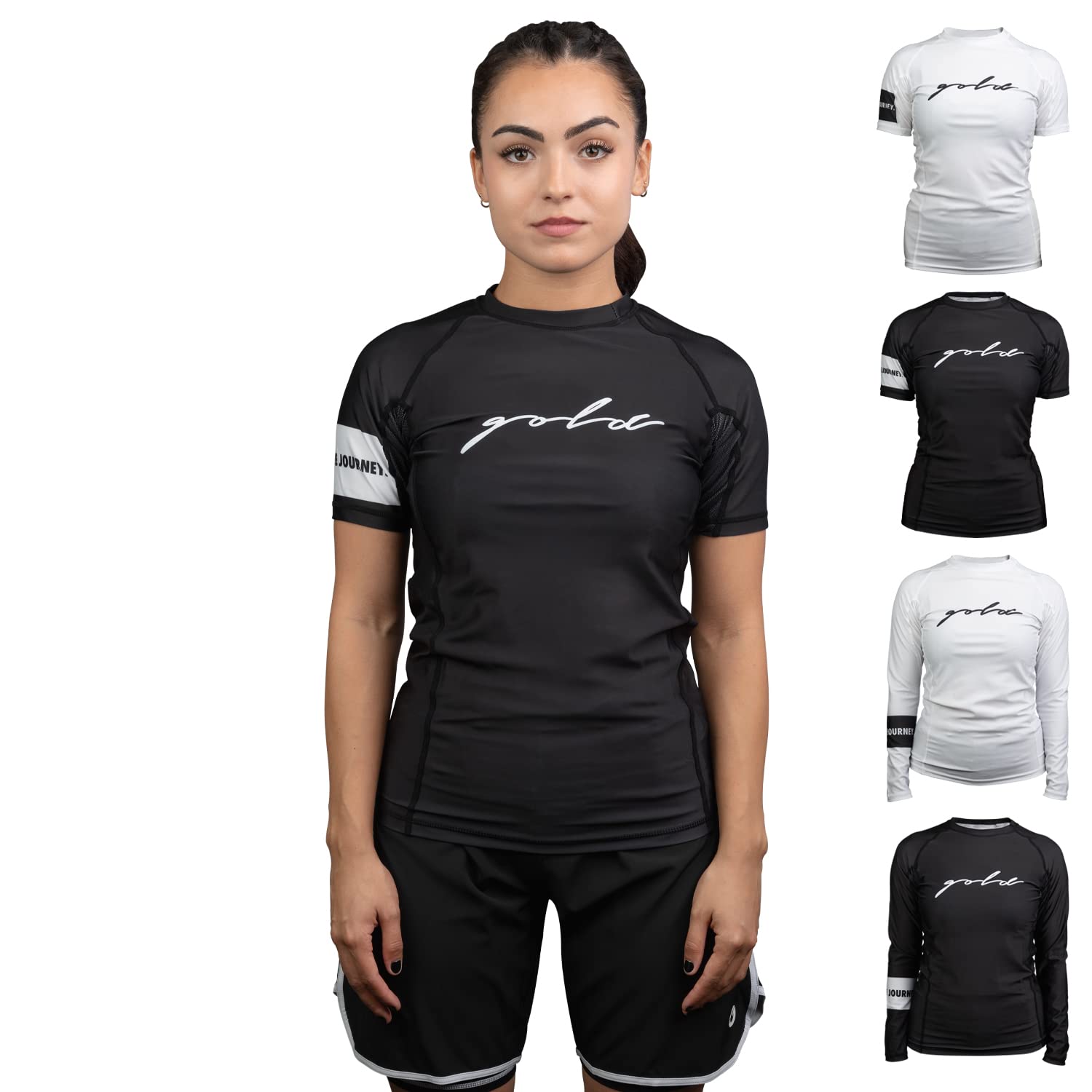
The construction detail to look for is flatlock stitching. Instead of folding two fabric edges over and sewing them into a raised ridge (a standard overlock seam), flatlock butts the edges together and binds them with a wide, flat band of thread. The result lies flush against your skin, so it won’t chafe during long no-gi sessions, and it distributes stress across a wider area so it resists popping. Run your fingers along the inside seams: if you feel a bulky raised rope of thread, that’s overlock, and it’s both less comfortable and more likely to fail. Flatlock seams feel almost flat and usually show two parallel rows of visible stitching on the outside.
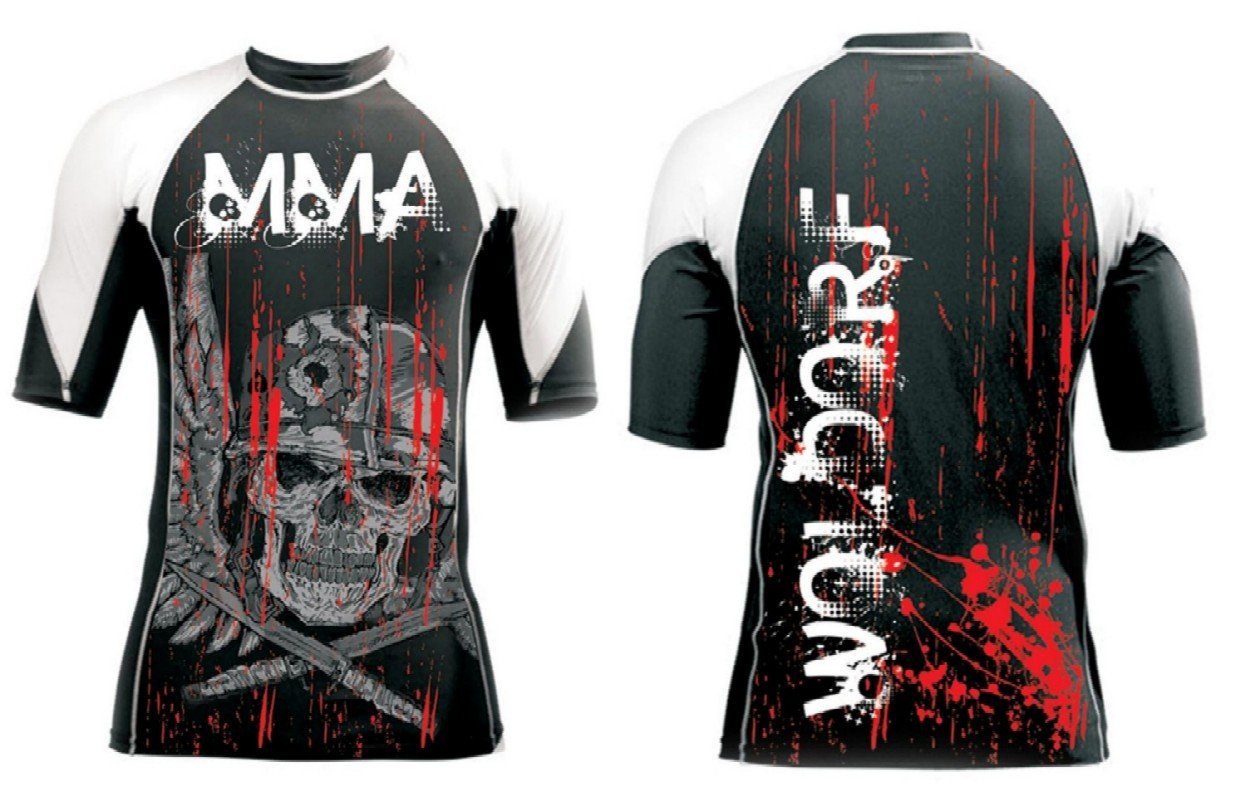
This is the single biggest thing that separates a $30 shirt from a $50 one that’s worth the jump. Plenty of budget rashguards now use flatlock throughout — that’s the $35–45 sweet spot to aim for. The genuinely cheap shirts save money by overlocking the high-stress seams, and those are the ones you’ll be sewing back together by summer.
Two more construction details are worth the extra ten seconds to check, because they fail almost as often as a bad seam. The first is the underarm gusset — a diamond or triangular panel sewn into the armpit that absorbs the rotational stress of arm drags, underhooks, and Kimura entries. Pull the sleeve away from the chest at the armpit before buying: if you see a triangle of fabric flex independently, that’s the gusset doing its job; if the seam stretches as one rigid line, there isn’t one, and it’s usually the underarm seam that splits first on a shirt trained five days a week. The second is the collar construction. A bonded elastic collar — a smooth ring integrated into the fabric — survives well past a hundred wash cycles. A folded-and-hemmed collar, common on the cheapest tier and on fashion brands rebranded for grappling, stretches out after about twenty washes and gapes around the neck the moment someone cross-faces you.
Sublimation versus screen print decides how long the design lasts
Two rashguards can look identical in a photo and age completely differently, and the reason is how the graphic got onto the fabric. There are two methods, and the difference is huge for a garment that spends its life being ground into a mat.
Screen printing lays ink on top of the fabric. It’s cheaper, and on a t-shirt it’s fine — but on a rashguard, that raised layer of ink cracks, peels, and eventually flakes off after repeated stretching and washing. If you’ve ever seen a training partner’s rashguard with a logo that looks like it’s shedding its skin, that’s screen print failing. Sublimation dyes the design directly into the polyester fibers, so the graphic becomes part of the fabric. It can’t peel because there’s nothing sitting on the surface; the shirt will fade before the print physically comes off.
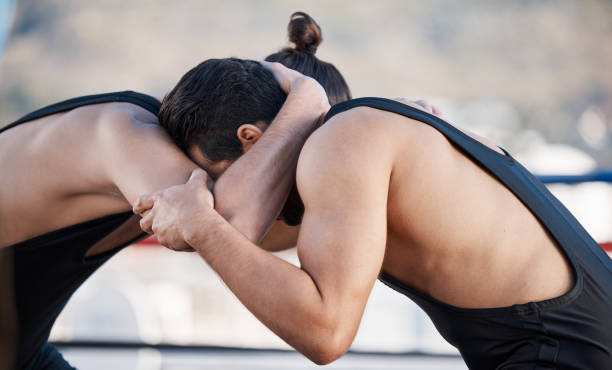
Here’s the budget-shopping win: sublimation is now standard even on inexpensive rashguards, because it’s actually cheaper for factories to run on full-color polyester at scale. So a $32 sublimated shirt will outlast a $50 screen-printed one in the one department — looks — that most people judge a rashguard by. Feel the graphic with your fingers. If you can feel the design as a slightly raised, rubbery patch, it’s printed on top and it will peel. If the design feels like nothing — same texture as the blank fabric — it’s sublimated and it’s in for the long haul.
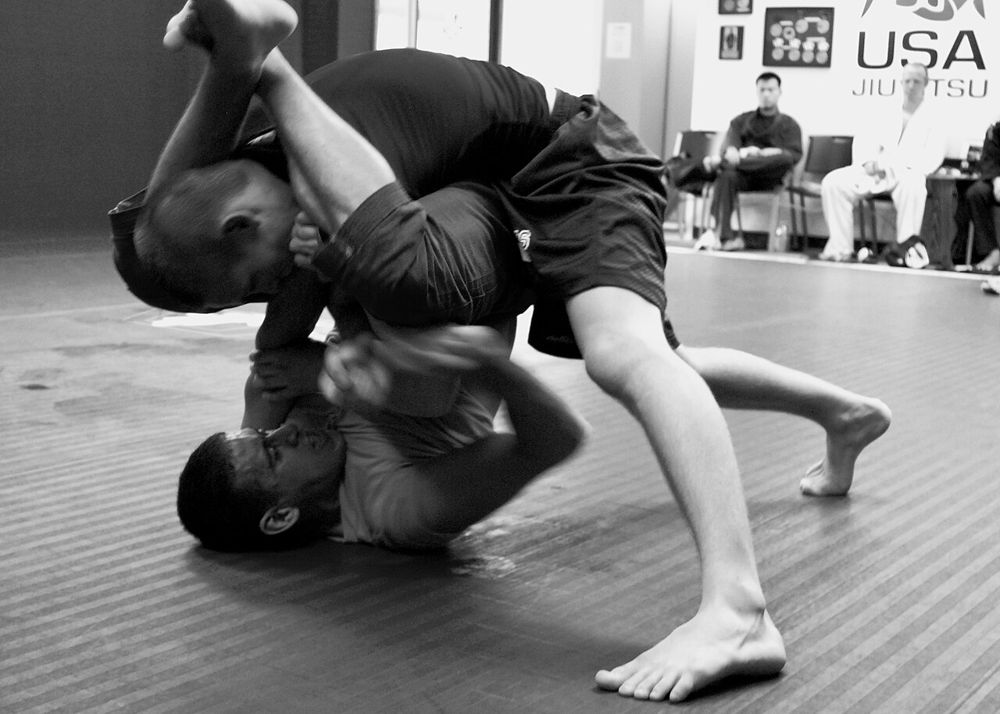
So what actually changes between $30 and $50?
Once you understand those three variables, the price ladder stops being mysterious. At the $25–30 rung you can absolutely find a serviceable training shirt — decent blend, full sublimation — but you’re more likely to hit a mixed bag: an overlocked seam here, a thinner panel there, a collar that loosens early. It’s a fine second or third shirt for the wash rotation, less ideal as your only one.
The $35–45 band is where the value lives for most no-gi grapplers. That’s the price at which full flatlock construction, a proper mid-weight blend, and reinforced cuffs become the norm rather than the exception. Spend up toward $50 and you’re usually paying for one of three things: a heavier competition-grade fabric, a silicone gripper hem that keeps the shirt tucked during scrambles, or simply a name brand’s markup. Sometimes that’s worth it — a gripper waistband is a real quality-of-life upgrade if you hate re-tucking between rounds — and sometimes it’s just the logo tax. The trick is knowing which one you’re paying for.
Cost-Per-Roll: Why the Cheapest Shirt Isn’t Always the Cheapest
Sticker price is the wrong number to optimize. A $25 rashguard that survives 30 hard sessions costs roughly 83 cents per roll. A $45 rashguard built with the flatlock-and-gusset construction above, lasting 200 sessions, runs about 22 cents per roll — the same cost-per-roll as a $90 premium piece that lasts 400. The under-$30 tier is rarely the cheapest path over a training year; it’s just the cheapest the day you swipe the card. That math flips fast once you’re training four or five times a week, which is exactly why the $35–50 band, not the rock-bottom one, is where most serious hobbyists should be shopping.
A few brands consistently deliver the construction described above inside this band: Hayabusa’s Geo line and Hyperfly’s Procomp both regularly hit full flatlock seams, a gusseted underarm, and 220+ GSM sublimated fabric in the $44–45 range during sales, and Scramble’s plain competition cut runs about $48 and matches IBJJF uniform standards out of the package. None of these are the only good options — the point is that “$45 built like $90” and “$45 built like $25 with a logo tax” both exist on the same page, and now you know which four checks tell them apart.
The fit detail budget shoppers skip
A cheap rashguard that fits correctly beats an expensive one that doesn’t, and fit is the thing you can’t fix after checkout. A grappling rashguard is meant to be compressive — snug enough that there’s no loose fabric for a training partner to grip or for you to catch a finger in during a scramble. If it fits like a normal athletic tee, it’s too big, and that extra material is a liability on the mat.
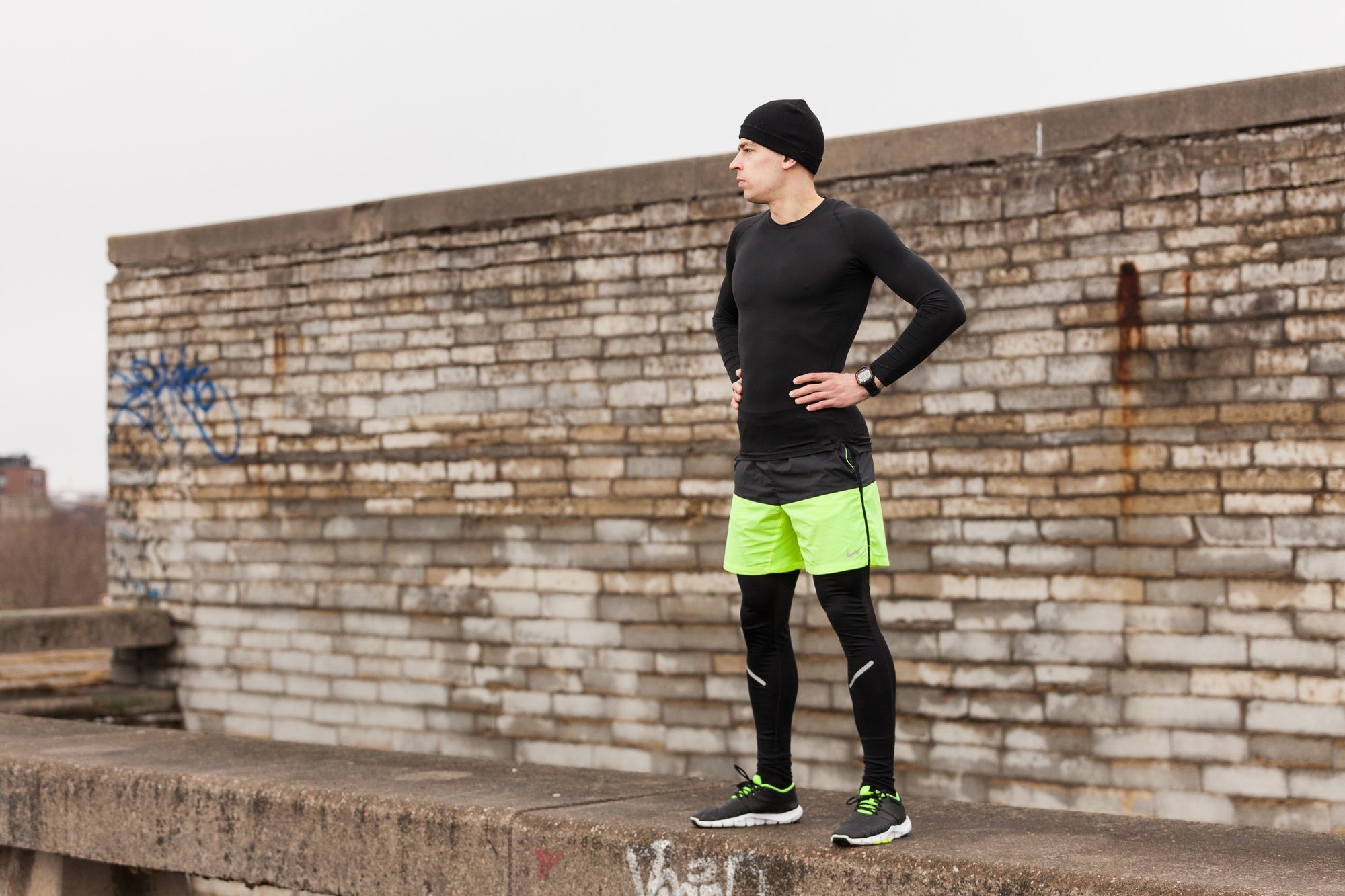
Budget brands are the ones most likely to have inconsistent sizing, so this is where you have to do the homework the price saved you. Ignore the generic S/M/L label and find the actual measurement chart — chest width and torso length are the two numbers that matter. Measure a compression shirt you already own and love, then match to the chart rather than to your usual size. Sleeve length is the other quiet trap: a short-sleeve rashguard that rides up your bicep will roll and bunch every time you frame, so look for sleeves that sit past the shoulder seam. None of this costs money; it just costs five minutes of reading before you click buy.
Care habits make a $25 shirt outlast a $60 one
The cheapest way to get more value out of any rashguard, at any price, is to stop killing it in the laundry. Nothing ages a technical fabric faster than heat. Wash cold, on the shortest cycle you can, and turn the shirt inside out to protect the sublimated print from abrasion against zippers and other garments. Then — this is the big one — hang it to dry. The dryer is where spandex goes to die; high heat breaks down the elastane that gives the shirt its stretch, and it’s also what sets sweat odor permanently into polyester.
Skip the fabric softener too — it leaves a film that clogs the moisture-wicking channels and actually makes a rashguard hold onto smell longer. And get it out of the gym bag and into the wash the same day; letting a soaked rashguard ferment in a warm bag is how bacteria set up shop in the fibers. Do those few things and the $30 shirt you bought with your eyes open will comfortably outlive a neglected premium one. Care, not price, is what determines how many seasons you get.
Where to actually shop on a budget
Armed with the four checkpoints — blend, flatlock seams, sublimated print, and a real measurement chart — you can shop almost anywhere and filter out the junk. The broad marketplaces are worth starting with precisely because the budget end of the category has gotten so good; you can compare a dozen listings side by side and hold each one up against the checklist. Read the reviews specifically for mentions of seams opening and prints peeling, and weight recent reviews heavily since factories change specs between production runs.
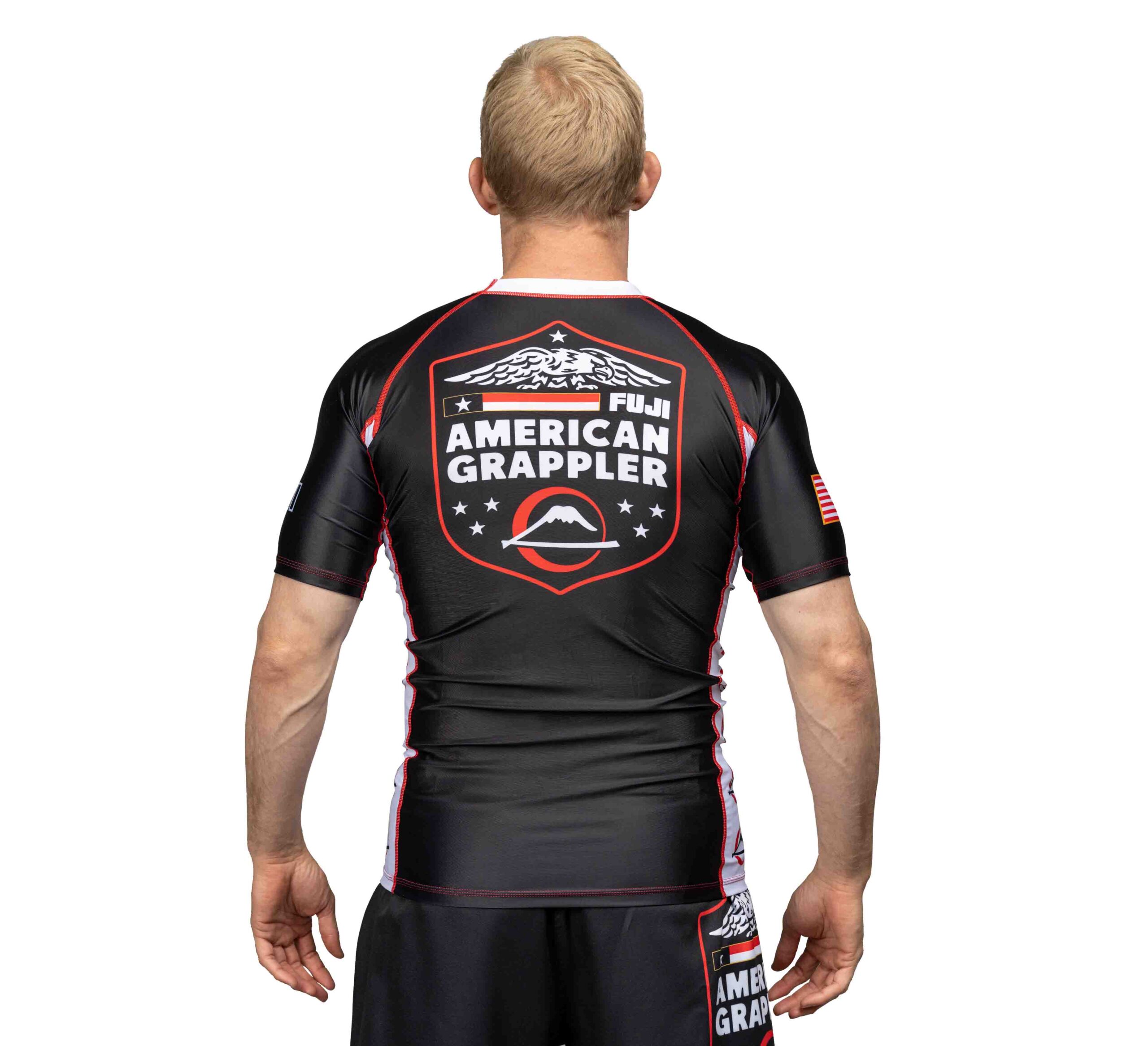
If you want a place to start comparing, a general search pulls up the full budget range at once so you can apply the checklist yourself: browse no-gi BJJ rashguards and filter by price, or narrow straight to the value band with a flatlock grappling rashguard search. The point isn’t to buy the first thing that’s cheap — it’s that once you know what separates a good $35 shirt from a bad $50 one, you never have to guess from the price tag again.
Go Deeper: Budget Rashguard Guides for Specific Questions
This guide covers what separates a good sub-$50 rashguard from a bad one. A few related questions deserve their own breakdown:
- How many rashguards you actually need — a rotation count by training frequency, not a construction checklist.
- Two cheap rashguards or one good one — the strategic trade-off between quantity and quality by training load.
- IBJJF-legal rashguards under $50 — competition color and coverage rules, and picks that pass inspection.
- Best rashguards under $30 for beginners — specific picks for your first year of no-gi.
- Long sleeve rashguards under $50 — specific picks for the harder-to-buy-right sleeve length.
Sources
- Wikipedia — Rash guard
- Wikipedia — Spandex (elastane)
- Wikipedia — Dye-sublimation printing
- Wikipedia — Brazilian jiu-jitsu
Browse our top-rated rashguards and no-gi gear at the RashguardGuy shop →