Best Rashguard for BJJ: 6 Top No-Gi Picks for 2026
A no-gi rashguard runs $40 to $70, and the gap between the cheapest and the most expensive shirt on this list is about $30 — roughly the price of two drop-in classes. Yet grapplers still agonize over the pick, because the wrong rashguard rolls up during scrambles, reeks after a month, or fades to grey by the end of summer. After sorting through the brands that dominate no-gi training rooms, six rashguards stand out as the best rashguard for BJJ depending on how and where you train. This guide ranks them, tells you who each one is for, and explains the three specs that actually matter.
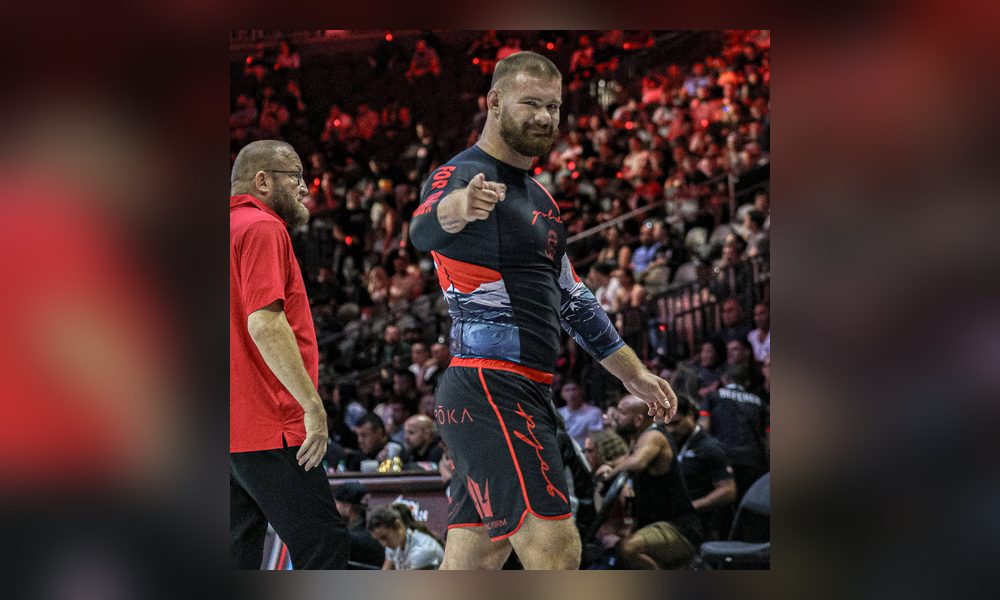
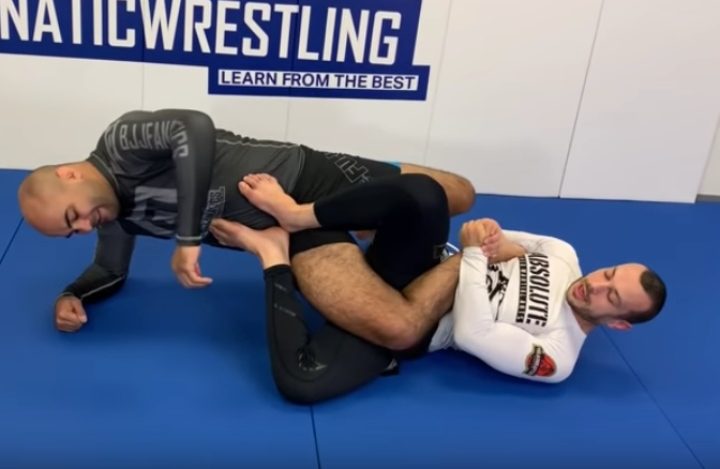
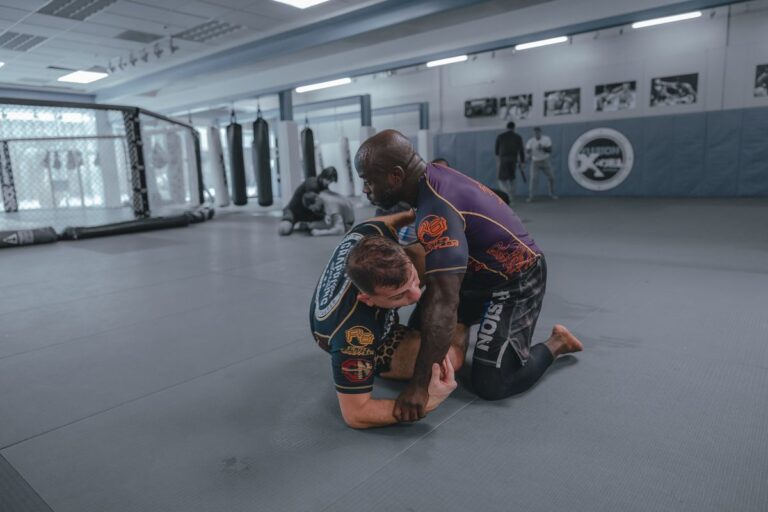
Competition-level no-gi comes down to gear that moves with you — not against you.
What Makes the Best Rashguard for BJJ
Ignore the marketing copy about “moisture-wicking synergy.” Three things decide whether a rashguard is worth your money, and none of them show up in a product photo.
Fabric blend. Almost every serious rashguard is a polyester-spandex mix. The ratio tells you the trade-off: an 80/20 blend stretches more and feels softer, while an 82/18 or 85/15 blend compresses harder and holds its shape longer. More spandex means more give; more polyester means more durability and faster drying. There is no single “best” ratio — there is only the one that matches how tight you like your gear.
Seam construction. Flatlock stitching lies flat against your skin so it does not chafe during a 30-minute round. Cheap rashguards use standard overlock seams that dig in when you are stacked in someone’s guard. Run a finger along the inside of a shoulder seam before you buy — if it feels like a ridge, your skin will find out.
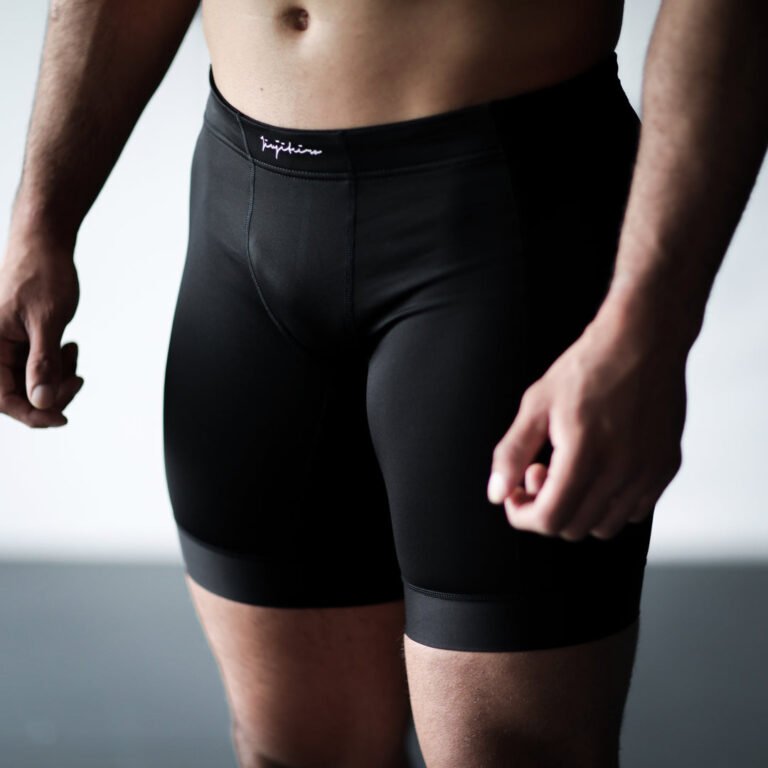
Fit and the waistband. A rashguard is a compression garment. It should feel like a second skin, not a t-shirt. The most common complaint in no-gi is a shirt that rides up during scrambles, and the fix is a silicone or gel gripper strip along the hem. If a rashguard skips that detail, expect to yank it down between exchanges.
The 6 Best No-Gi Rashguards for 2026
Here is the short version before the details. Prices are approximate and move with sales, so treat them as a guide, not a quote.
| Rashguard | Best For | Fabric | Price |
|---|---|---|---|
| Gold BJJ Foundation | Competition / IBJJF | 82% poly / 18% spandex | ~$59 |
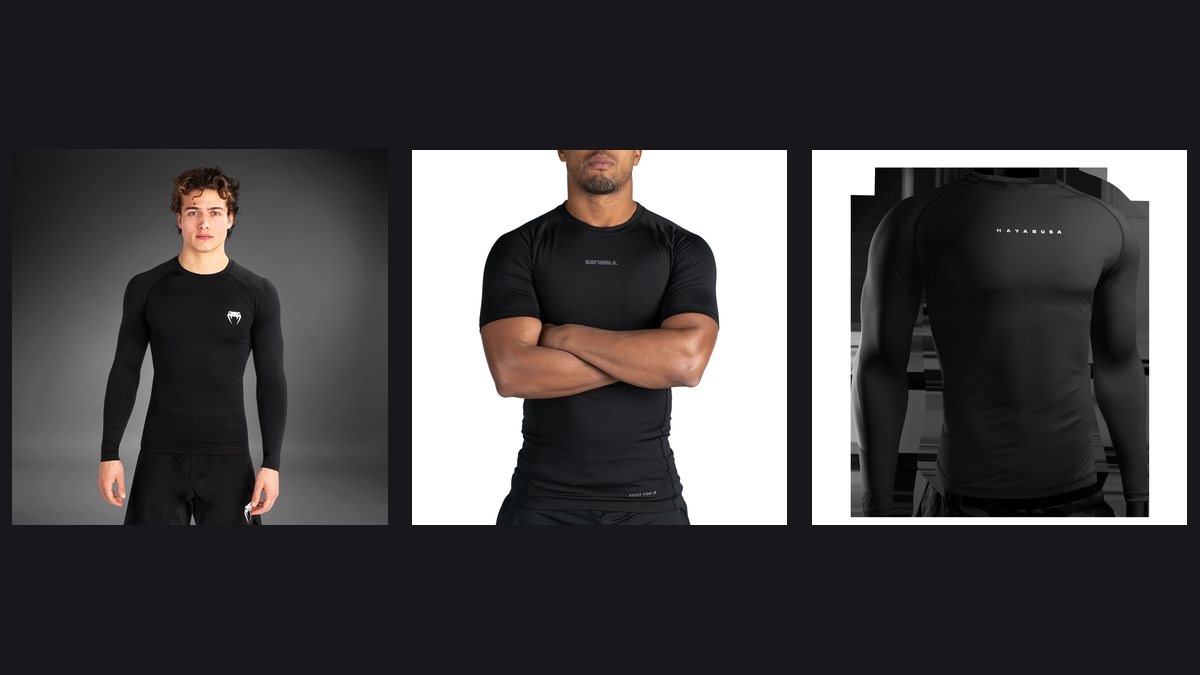
| Sanabul Model Zero | Budget / building a rotation | 85% poly / 15% spandex | ~$40 |
| Venum Contender | Minimalist mid-range | Poly / spandex | ~$45 |
| Hayabusa Core | Premium durability | Poly / spandex | ~$65 |
| Origin USA | Made-in-USA quality | Poly / spandex | ~$70 |
| Rolljunkie | Comfort and design | Poly / spandex | ~$50 |
1. Gold BJJ Foundation — Best for Competition
If you compete under IBJJF rules, this is the one. The Foundation ships in every belt-rank color and is legal for tournament no-gi, which matters because referees do turn competitors away for the wrong rashguard color. Gold BJJ builds it from an 82/18 blend that runs tighter than Sanabul or XMartial, so size honestly — this is a true compression fit, not a relaxed one. The sublimated graphics are printed into the fabric rather than screened on top, so they will not crack or peel after 40 wash cycles. For a shirt trusted by a quarter-million grapplers, the roughly $59 price is fair.
2. Sanabul Model Zero — Best Budget Pick
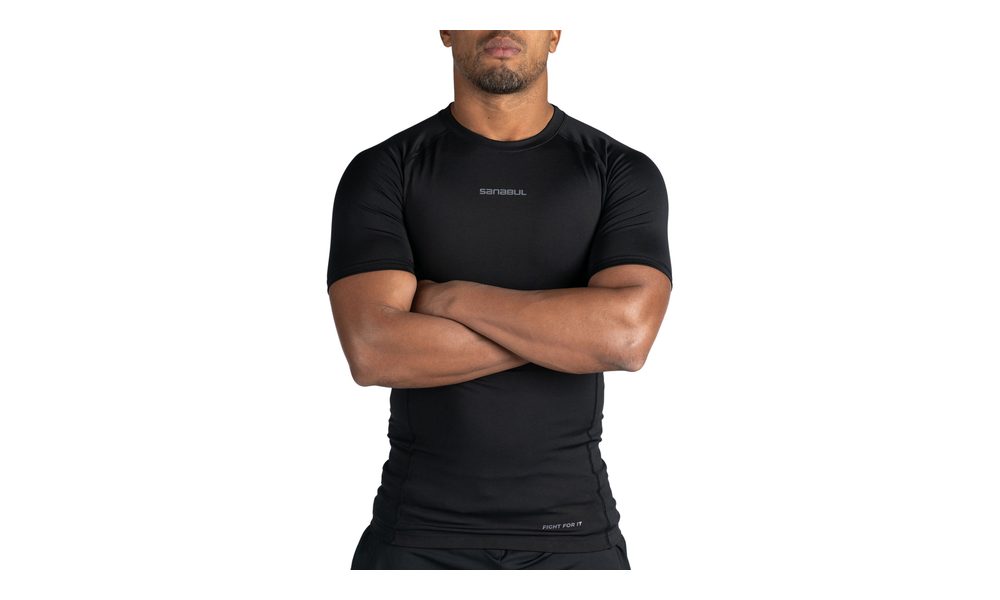
The Sanabul Model Zero: the value benchmark every other rashguard gets measured against.
At around $40, the Model Zero is the value benchmark. The 85/15 blend is slightly less stretchy than an 80/20 shirt, but the slim fit is clean and the build quality punches above the price. The real argument for Sanabul is math: if you train three or more days a week, you need at least two rashguards so one can dry while the other is in the wash. Two Sanabuls cost less than a single premium shirt, and that rotation is exactly what keeps mat funk from setting in. If you are buying your first rashguard, start here.
3. Venum Contender — Best Minimalist Option
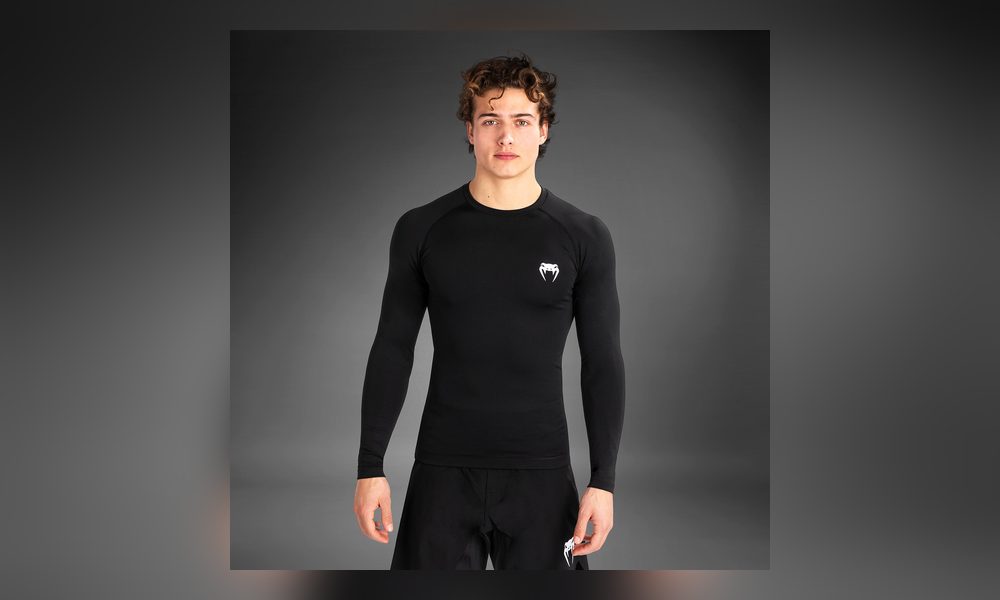
Venum’s Contender keeps the branding quiet and the fit dialed in.
Venum’s Contender is for the grappler who wants a clean shirt without a mural on it. Fit, features, and durability are all dialed in, and the silicone waistband keeps it planted during scrambles — the detail cheaper shirts skip. The one warning worth repeating: Venum runs small. Size up one, sometimes two, from your normal shirt size, or you will spend the first month convinced you ordered a kids’ medium. For a mid-range shirt around $45, it is a legitimately good buy.
4. Hayabusa Core — Best Premium Durability
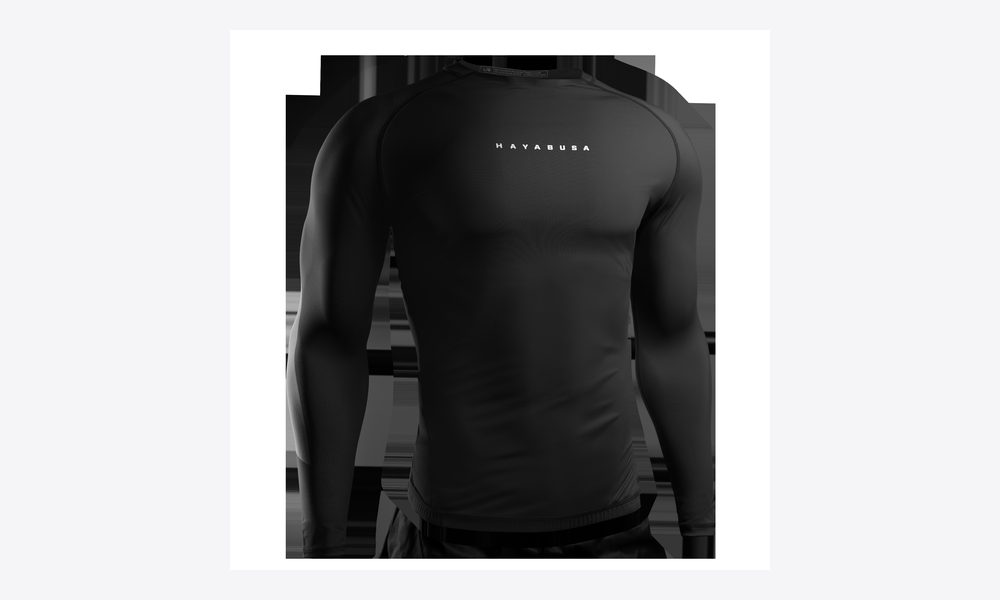
The Hayabusa Core leans on flatlock seams and understated design.
Hayabusa made its name in striking gear, and the Core rashguard carries that build quality over to the mats. Flatlock seams, a restrained logo, and a fabric that holds compression after repeated washes make this the pick for someone who would rather buy once. It sits at the pricier end near $65, and the performance gap over a Sanabul is smaller than the price gap suggests — what you are paying for is finish and longevity. If you keep gear for years instead of months, that math works in your favor.
5. Origin USA — Best Made-in-USA Build
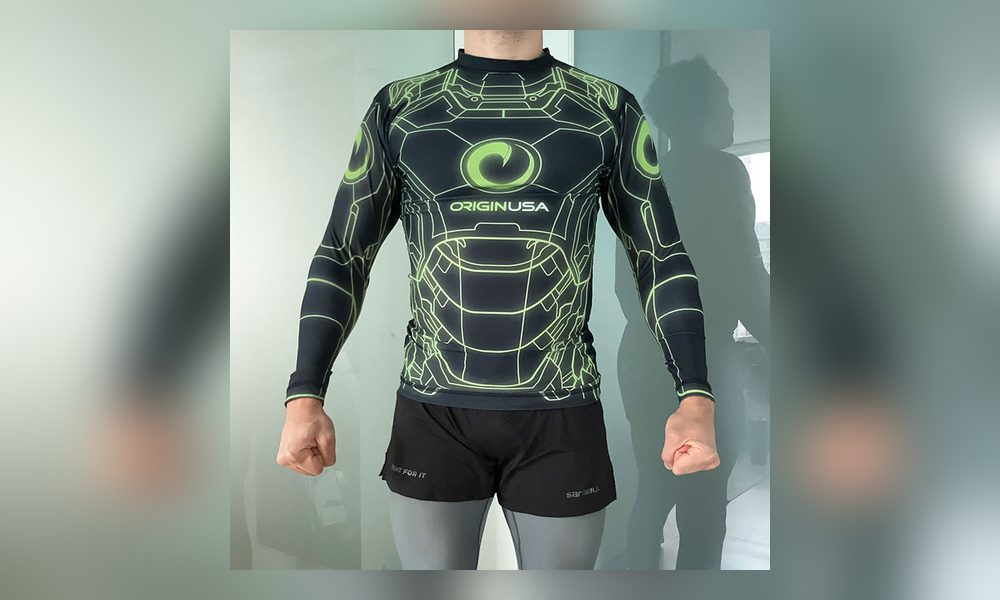
Origin manufactures in Maine — a rarity in a category built overseas.
Origin manufactures its gear in Maine, which is almost unheard of in a category that is otherwise built entirely overseas. The payoff is a rashguard that feels noticeably denser and more substantial than the budget field — grapplers who switch to Origin often describe cheaper shirts as feeling like sandpaper afterward. At around $70 it is the most expensive shirt here, and the American-made premium is real. If domestic manufacturing matters to you and the budget allows, few brands compete on pure feel.
6. Rolljunkie — Best for Comfort and Design
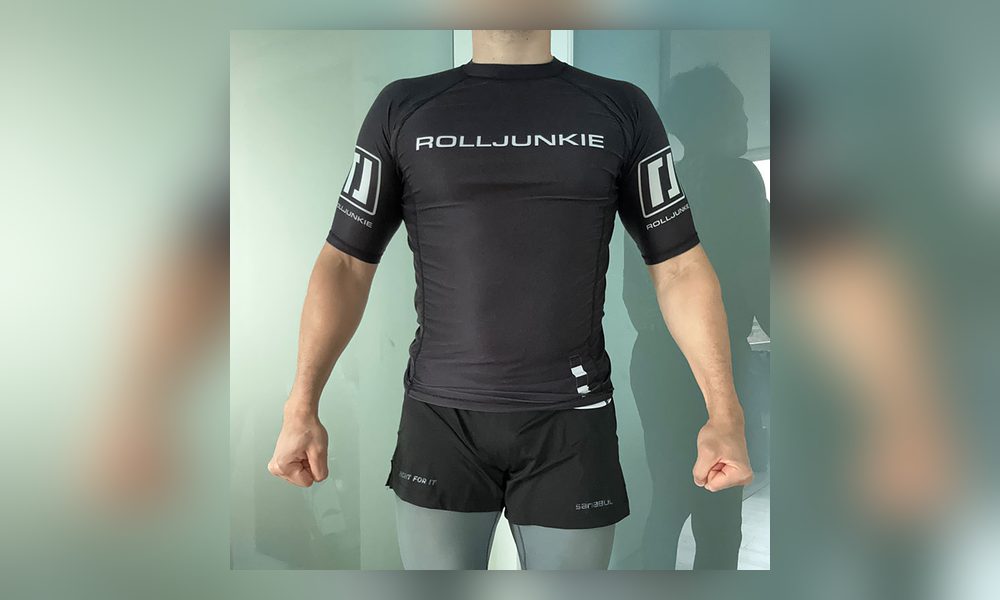
Rolljunkie nails the fit most brands get wrong — not too tight, not too baggy.
Rolljunkie is the brand more grapplers should know about. The designs are distinctive without being try-hard, and the fit is the standout — not too tight, not too baggy, landing in the comfortable middle that most brands miss in one direction or the other. It sits around $50, mid-pack on price, and earns its spot on comfort alone. If you have been let down by shirts that either strangle you or billow like a parachute, this is the one to try next.
Long Sleeve vs Short Sleeve for No-Gi
Both are legal for training, so this comes down to what you are protecting against. Long sleeves cover more skin, which cuts down on mat burn, arm scratches, and the friction rashes that give the garment its name. They also give training partners less bare skin to grip, a small edge in no-gi. Short sleeves run cooler and free up the shoulders, which is why plenty of grapplers keep both and pick based on the season. If you train in a hot room or overheat easily, start short-sleeve. If skin infections or mat burn are a concern, go long.
How Should a BJJ Rashguard Fit?
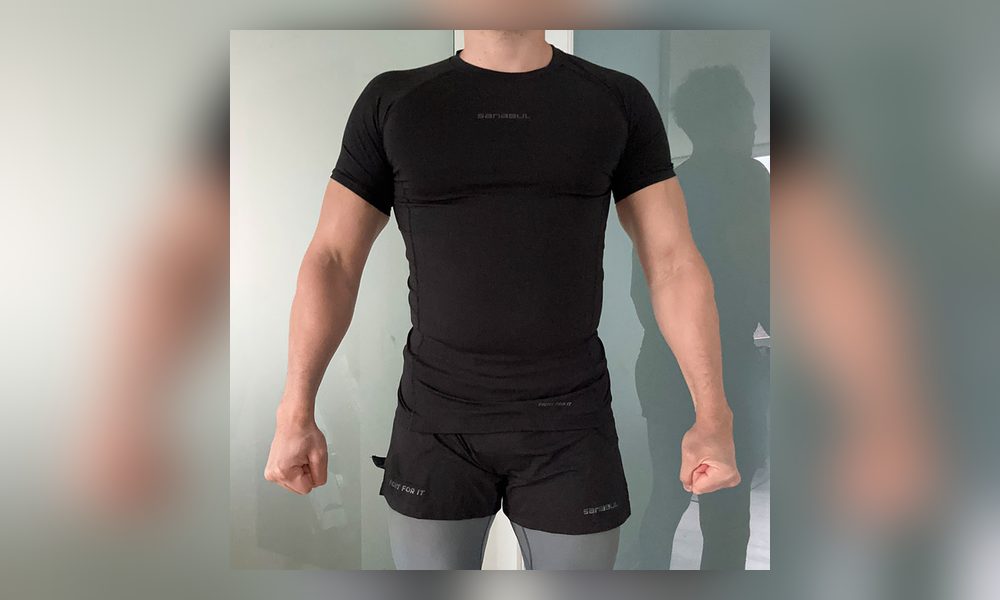
A rashguard should feel like a second skin — snug through the torso with no loose fabric to grab.
It should feel snug to the point of “is this too tight?” the first time you put it on, then disappear once you start moving. There should be no loose fabric at the waist or under the arms for a partner to grab, and the hem should stay put when you raise your arms overhead. If the shirt bunches, it is too big; if it restricts your breathing or digs into your armpits, it is too small. Remember that most rashguards, Venum especially, run small — check the brand’s size chart against your chest measurement rather than defaulting to your t-shirt size. Once the top is sorted, pair it with a solid set of no-gi shorts so your whole kit moves together.
How to Keep a Rashguard From Stinking (and Fading)
The number one reason rashguards die early is the wash, not the mats. Turn it inside out, wash cold, and skip the dryer — heat is what breaks down elastane and bakes in odor-causing bacteria. Hang it to dry and it holds its compression and color far longer. Chlorine, sweat, and UV all attack the fabric over time, which is exactly why rashguards fade and lose their stretch. A two-shirt rotation is not a luxury here; it is the cheapest way to double the life of your gear, because no fabric recovers well when it never gets a full day to dry.
Are Rashguards Required for BJJ?
For no-gi, effectively yes. Most gyms require a rashguard rather than a cotton shirt for hygiene reasons — the tight synthetic weave is a barrier against ringworm and staph, which spread readily on shared mats, and it does not soak up and hold sweat the way cotton does. For competition, the IBJJF is stricter still: no-gi divisions require a rashguard of a specific rank color, which is the entire reason ranked shirts like the Gold BJJ Foundation exist. Even when you drill positional work like the no-gi X-guard, that compression layer is doing quiet work protecting your skin from friction.
Watch: No-Gi Rashguards Tested on the Mats
For a hands-on look at how several of these shirts hold up under real rolling, this breakdown from Sweet Science of Fighting tests popular no-gi rashguards side by side.
Frequently Asked Questions
How many rashguards do I need? At least two if you train three or more times a week. One dries while the other is in the wash, and the rotation roughly doubles how long each shirt lasts.
Can I wear the same rashguard for gi and no-gi? You can, but many grapplers keep them separate. No-gi shirts take more direct skin friction, so a dedicated no-gi rashguard tends to last longer if that is most of your training.
Why does my rashguard smell even after washing? Heat and slow drying. Washing hot or tumble-drying bakes bacteria into the fabric. Wash cold, hang dry, and rotate two shirts, and the funk largely disappears.
The Bottom Line
Buy for how you train, not for the logo. If competition is on your calendar, the Gold BJJ Foundation and its ranked colors is the safe call. If you are new or just want the most training for your money, two Sanabuls will outlast one premium shirt and keep you covered on wash day. Everything else here is a matter of fit preference and budget — and even the “worst” shirt on this list beats the cotton tee you should not be rolling in anyway. Grab one, put it through a hard month of rounds, and you will know exactly what to buy next.
Once you have the right gear, the next step is mat time. Taipei BJJ is a great resource for training tips, event coverage, and the broader BJJ community. And if you want to explore MMA strategy off the mat, TKO Tycoon is a free MMA management game worth a look.
Sources
- BJJ Equipment — Best BJJ Rash Guards (2026): Instructor-Tested Picks — hands-on testing notes for Gold BJJ, Sanabul, Origin, and Rolljunkie.
- Hayabusa — How to Choose the Best BJJ Rash Guard: Fit, Function & Fabric — guidance on fabric blends and compression fit.
- Sweet Science of Fighting — Best BJJ Rash Guards, Bought & Tested — on-mat durability testing.
- International Brazilian Jiu-Jitsu Federation (IBJJF) — official rules for no-gi rashguard rank colors in competition.
Browse our top-rated rashguards and no-gi gear at the RashguardGuy shop →
Shop on Amazon
BJJ Rashguards on Amazon →
As an Amazon Associate we earn from qualifying purchases.