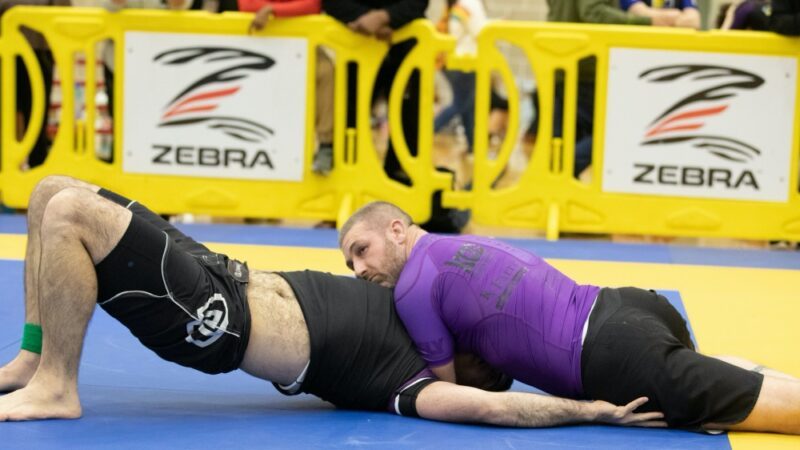
Escape Side Control No-Gi: 5 Proven Techniques
Roughly 90 seconds. That is about how long a well-timed no-gi opponent needs to turn a loose side control into a mounted crossface and a submission if you have no plan to get out. Side control is the most common pin you will land in from bottom, and in no-gi it is nastier than in the gi because there are no collar or sleeve grips to slow the top player down. They move faster, their chest slides against sweat-slick skin, and the underhook does more damage. This guide walks through five escapes that hold up against resisting partners, plus the framing details that make any of them work.
Why Side Control Is the Hardest No-Gi Pin to Escape
Side control gives the top player a chest-to-chest pin with a free arm to hunt the crossface and underhook. In no-gi there is nothing to grab, so both people rely on friction, weight, and head position instead of fabric. That cuts both ways. The top player cannot pin your sleeve to stall your hips, but they can also slide into new angles the instant you create a gap. The truth is that most people stay stuck under side control not because they lack a fancy escape, but because they never fixed the framing that comes before it.
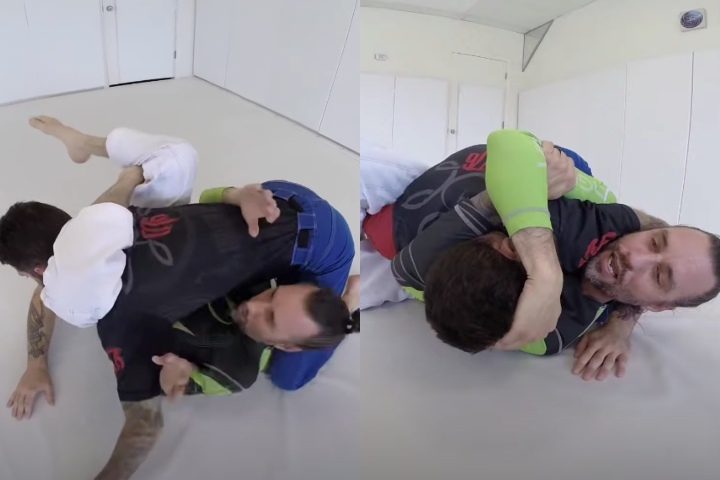
Compare it to being stuck under mount or in back control. Under side control you still have both hips relatively free and both legs uncommitted, which is exactly why it is the position to master first. Get your escapes here automatic and the rest of your bottom game gets easier.
The Two Rules Every Side Control Escape Follows
Every escape on this list obeys the same two rules: build a frame, then move your hips. A frame is a rigid structure — usually your forearm against the opponent’s neck and your other hand on their hip or bicep — that holds distance so they cannot close the space back down. Hip movement is what turns that distance into an actual exit. Do one without the other and you get nowhere.
Beginners almost always skip the frame and try to muscle their hips out first. Against a heavier partner that just gasses you out. Set the structure, then use the space it creates. John Danaher has argued for years that side control escapes are a study in frames and angles rather than strength, and anyone who has rolled with a technical lightweight knows he is right.
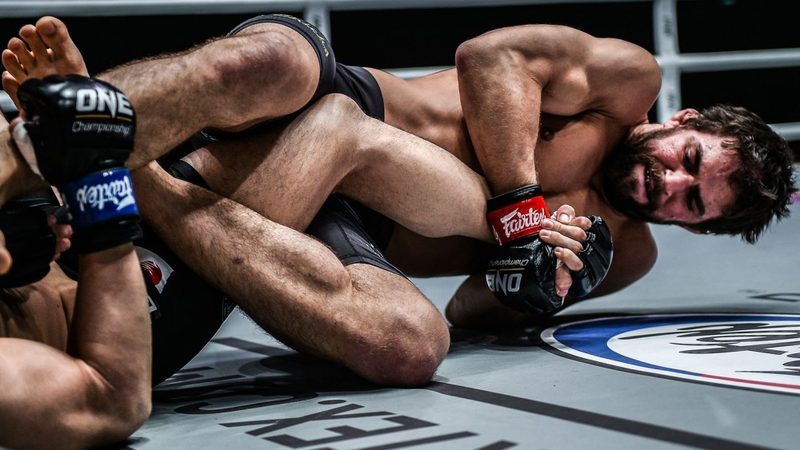
5 Proven Ways to Escape Side Control in No-Gi
Here are five escapes that work at every level, ordered from the highest-percentage fundamental to the more athletic options. Drill them in this order. The first one alone will get you out of most bad spots if you commit to the framing.
1. The Shrimp to Guard Recovery
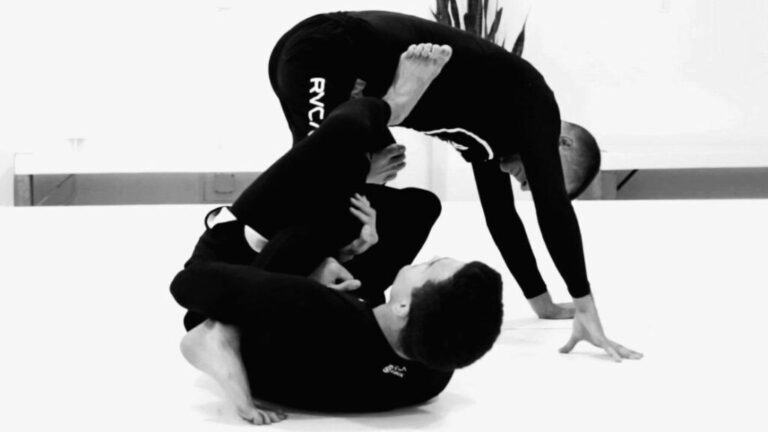
This is the bread-and-butter escape and the first one to make automatic. Frame with your near forearm across the opponent’s neck and your far hand on their hip. Bridge slightly to create a sliver of space, then shrimp — drive off your outside foot, turn onto your side, and push your hips away while your bottom knee slides in between you and the opponent. That knee is the wedge that rebuilds guard. Once the shin is in, you can pull half guard or spin all the way back to closed guard.
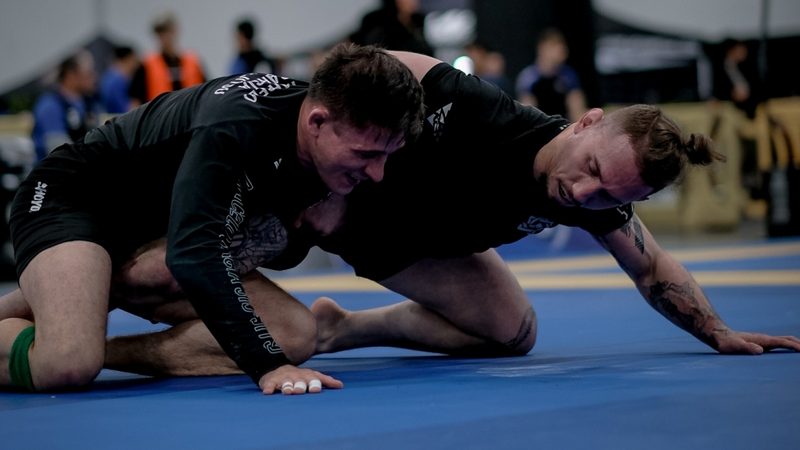
2. The Ghost Escape (Hip Heist)
When the top player is high on your chest and driving forward, use their pressure against them. Frame on the hips, drop your near shoulder to the mat, and shoot your hips underneath and away as you turn belly-down for a split second — the “ghost” — before coming up on your knees behind their arm. This one rewards timing over force. If they are pressuring hard into your chest, the ghost is often easier than the shrimp because you are moving with their momentum instead of against it.
3. Underhook and Wrestle Up to a Single
No-gi rewards wrestling, and side control bottom is a live spot to get to your feet. When the opponent’s weight shifts toward your legs, dig a deep underhook on their near side, come up to your elbow, then to your hand, and drive into them as you climb to a knee. From there you are chest-to-chest attacking a single leg or a body lock instead of lying flat. Garry Tonon and other no-gi standouts built entire games around wrestling up rather than playing bottom guard.
4. Bridge and Roll (When They Overcommit)
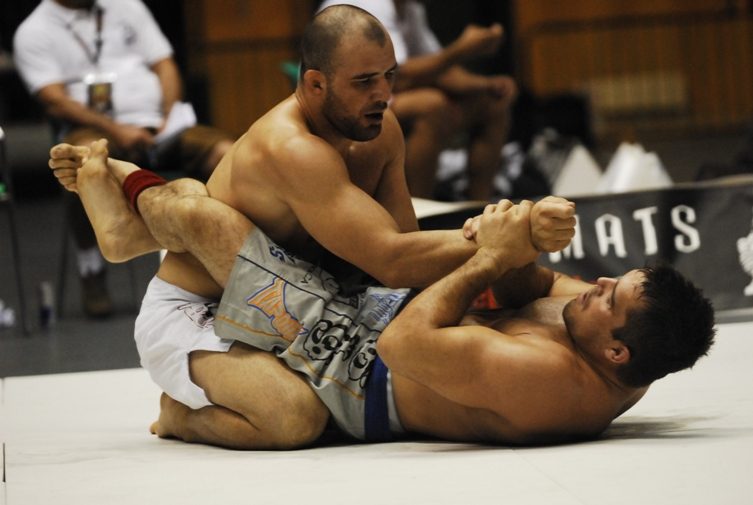
If the top player reaches across for a far-side underhook or gets sloppy with their base, trap the arm, plant your near foot, and bridge hard over your shoulder to roll them. The reversal only works when they give you their weight or their arm — do not force it against a based-out opponent. Used as a reaction rather than a first option, it is one of the most satisfying ways to go from pinned to top position in a single move.
5. Granby Roll to Turtle and Reset
When your hips are pinned flat and you cannot shrimp, the granby (an inverted shoulder roll) resets the position. Tuck your chin, roll over your shoulder in the direction your hips are pointing, and come out in turtle or facing your opponent. It is not a clean escape to guard, but it breaks the pin and buys you a scramble — and in no-gi, a scramble is often all you need.
How Do You Stop the Crossface and Underhook?
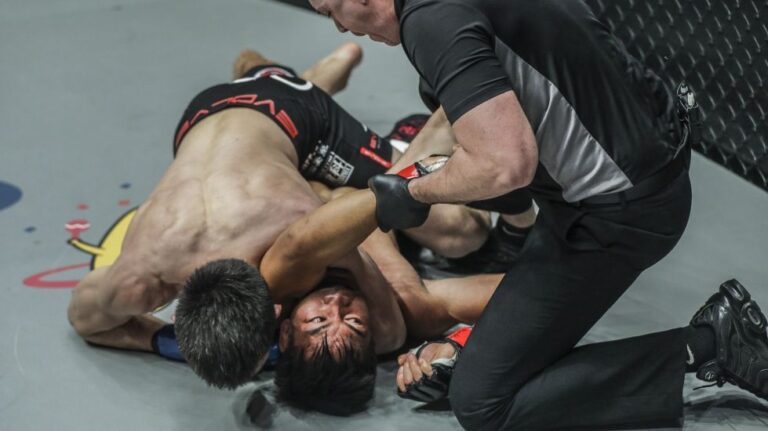
You stop the crossface by getting your near hand and forearm inside before the top player buries their shoulder into your jaw. The crossface is what turns your head away and kills your hip mobility, so blocking it is priority one. Cup the opponent’s tricep or bicep with your near hand and pin it to their body — now they cannot drive the crossface or attack your far arm.
The underhook is the other half of the problem. If the top player gets an underhook on your far side, they control your shoulder and can start moving to mount. Keep your far elbow tight to your ribs and your hand active so they cannot thread underneath. As the team at BJJEE points out, in no-gi the top player leans on head control and chest pressure instead of grips, which means your frames have to fight for head and arm position, not fabric.
Escaping Side Control When You’re the Smaller Grappler
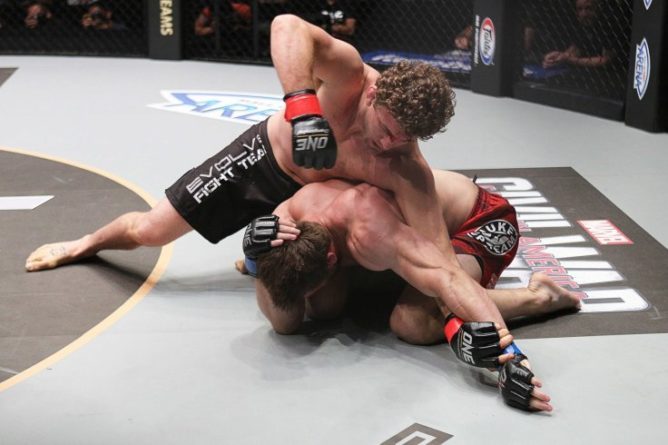
Size makes framing matter more, not less. A smaller grappler cannot bench the opponent off, so every escape has to run on timing and structure. Keep your elbows connected to your body — flared elbows are where big opponents insert pressure. Move early, before the pin settles; the moment a heavier partner is at their most vulnerable is the transition, not after they have planted their weight.
The mistake smaller players make is waiting. Once a 220-pound training partner has chest-to-chest side control fully locked, no escape is easy. Start shrimping and framing the instant they land, and treat the first two seconds as your best window.
No-Gi vs Gi: Why the Escapes Change
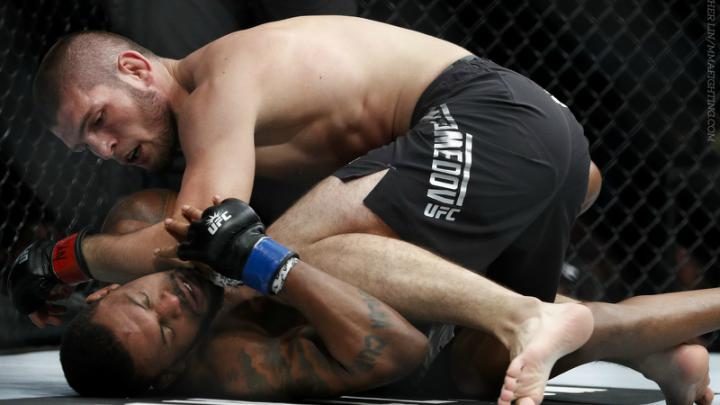
The escapes themselves are the same, but the details shift. In the gi, the top player can pin your near arm with a grip and stall your hips, so you spend energy stripping grips before you can move. In no-gi there are no grips to strip, so escapes happen faster and scrambles are more common — but the sweat makes framing slippery, and a determined underhook slides in easier. Wrestling-up options like the underhook single are far higher percentage in no-gi than in the gi, which is one reason the no-gi meta leans so heavily on getting back to the feet.
Drills That Make Escapes Automatic
Positional sparring beats technique repetition here. Start every round in bottom side control and give yourself one job: get out or get to guard. Loser stays in. Fifteen focused rounds of that will teach your body the framing and timing faster than a hundred slow reps of a single move. Add solo shrimping and bridging drills across the mat as a warm-up so the hip movement is already grooved when you need it live.

Watch how the best no-gi grapplers rarely stay flat under side control for more than a beat — they are already framing and turning before the pin sets. Here is a clean no-gi breakdown of several of these escapes chained together:
Common Mistakes That Keep You Stuck
The number one mistake is flat-backing it — lying square on your spine with your arms out. That hands the opponent your neck and both arms. Stay on your side, elbows in, framing. The second mistake is bridging with no frame, which just launches your hips into the pin harder. The third is giving up the underhook battle; once they own your far shoulder, you are defending mount, not escaping side control. Fix those three and your escape percentage climbs before you learn a single new move.
Side control escapes are the highest-return skill you can drill in no-gi, because you will be under this pin more than any other. Get the framing and hip movement automatic, then chain them into the guards you actually want to play — recovering to butterfly guard or a half guard sweep from the bottom, or wrestling up entirely. And when an escape fails and the opponent climbs to your back control, you will already know the framing principles that keep you safe there too. Pick one escape, drill it for two weeks straight, and stop being a passenger under side control.
Sources
- Grapplearts — How to Escape Side Control — framing and shrimping mechanics for the fundamental escape.
- Evolve MMA — 3 Escapes From Side Control in BJJ — escape breakdowns and hip-movement detail.
- BJJEE — Gripping Strategies for No-Gi BJJ — how head control and underhooks replace grips in no-gi.