
Back Control No-Gi: 7 Keys to Take & Keep the Back
In no-gi, there are no lapels to grab and no sleeves to trap, which means the back is worth more than it is in the gi. When you climb onto someone’s back with a locked seatbelt and both hooks in, you are attacking a person who cannot grip you, cannot watch your hands, and has to defend a choke that gets tighter every second. That is why the rear naked choke is one of the two most common finishes at the sport’s top level. This guide breaks down back control no-gi from the grip up: what it is, why it wins, and seven keys that separate a back take that sticks from one that slips off in three seconds.
What Back Control No-Gi Actually Means
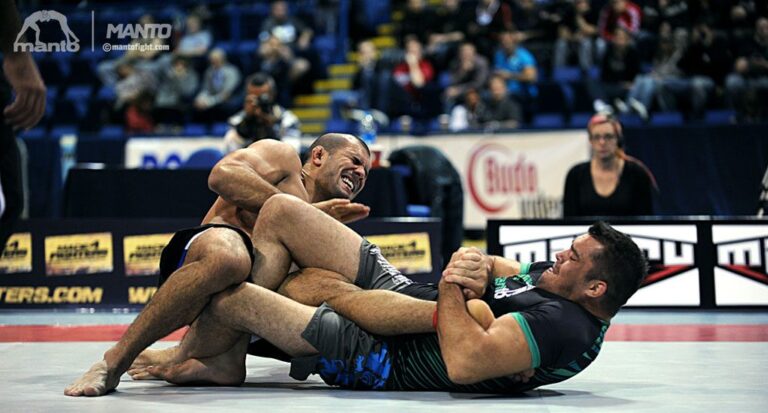
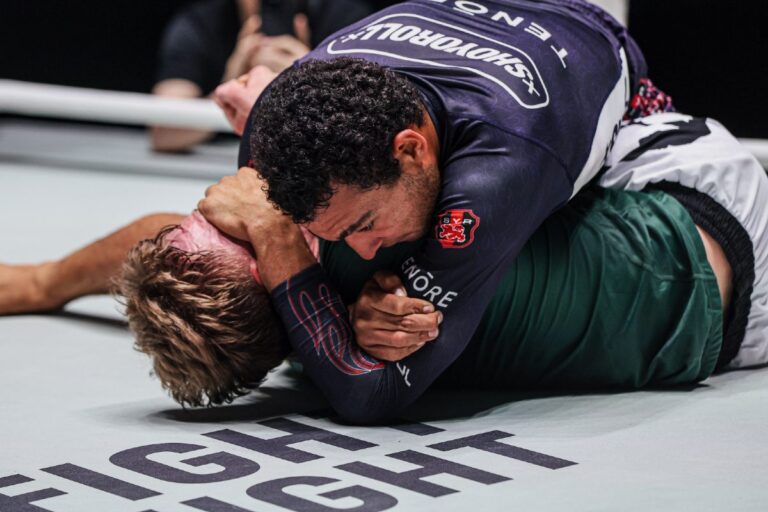
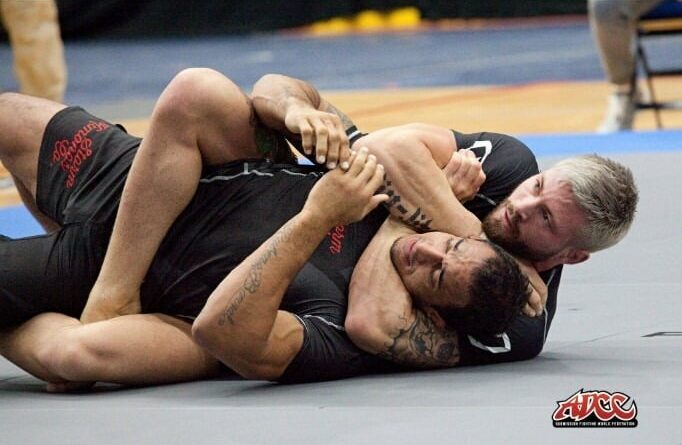
Back control no-gi is the position where you sit behind your opponent, chest glued to their spine, with a seatbelt harness on their upper body and your legs controlling their hips. “Control” is the operative word. Simply being behind someone is not the back — plenty of white belts ride a turtled opponent for thirty seconds and never lock anything, then get bucked off the moment they reach for a choke.
Real back control has three anchors working together: the seatbelt on the torso, leg control on the hips, and constant chest-to-back pressure so your opponent can’t create the space they need to turn in. Lose any one of the three and the position starts leaking. Keep all three and you can hold the back for the length of a match while you hunt.
Why the Back Is the Highest-Percentage Position
Points tell the story. Under IBJJF rules, taking the back with both hooks in is worth four points — the same as a mount and more than a guard pass. ADCC awards three points for back control with the harness and legs secured. Referees hand out those numbers for a reason: the back is the only position where your opponent fights blind and can’t attack back.
The truth is, most people who lose from back control don’t lose because the position is weak. They lose because they traded control for a rushed choke attempt and gave the space back. A grappler who treats the back as a place to live rather than a place to sprint through will out-submit a more athletic opponent who treats it as a checkpoint.
7 Keys to Take and Keep the Back in No-Gi
These seven keys move in order — grip, then legs, then pressure, then the hand-fight, then the finish. Skip a step and the whole structure gets shaky. Nail them in sequence and back control stops feeling like a scramble and starts feeling like a cage.
1. Win the seatbelt grip before anything else
The seatbelt is the foundation the whole position sits on, and it’s the grip Marcelo Garcia built an entire competitive career around. One arm goes over the same-side shoulder, the other threads under the opposite armpit, and your hands clasp in front of the chest — never with fingers interlaced, which invites finger injuries and slips off under load. Keep your choking arm (the one over the shoulder) on top. That small detail means you’re always one motion away from the neck instead of having to re-grip.
2. Choose hooks or a body triangle on purpose
Two hooks — your insteps hooked inside your opponent’s thighs — give you mobility and let you follow rolls quickly, but they’re easier to strip against a strong, flexible opponent. A body triangle locks one leg over the other around the torso and is brutally hard to escape, especially belly-down, but it slows your ability to re-adjust and can expose your bottom foot to leg locks if you’re sloppy. Pick based on the matchup: hooks against a scrambler, body triangle against someone trying to grind you off with pure strength.
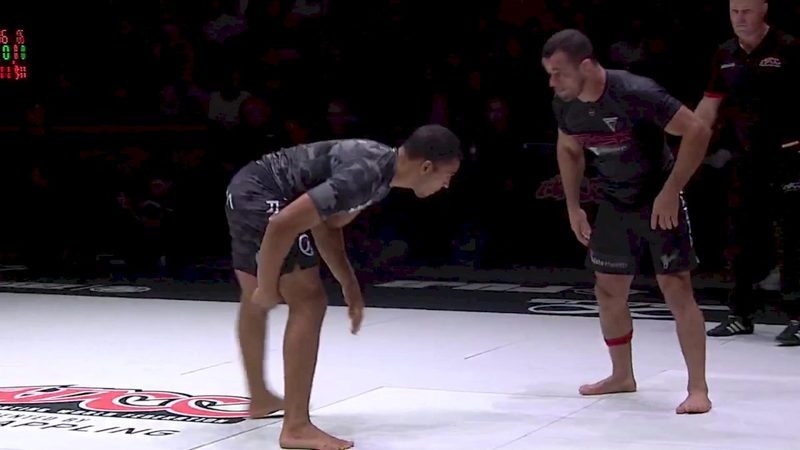
3. Stay chest-to-back and kill the near-side escape
Every back escape starts the same way: your opponent puts their shoulders on the mat and slides their hips toward the side where your choking arm is exposed. Your counter is pressure and rotation. Follow their shoulders, keep your chest stapled to their spine, and rotate with them so you’re always behind, never beside. The moment daylight appears between your chest and their back, they have the room to turn in — close it before it opens.
4. Beat the hand-fight before you chase the choke
Good defenders keep two hands framing on your choking arm, and if you dive for the neck against strong frames you’ll burn energy and lose your grip. Instead, win the hand-fight first. Pin one of their defensive hands to their own chest with your bottom (seatbelt) hand, wait for them to reach up to fix the other frame, and slide your choking arm across the throat in the gap. Patience here beats power every time.
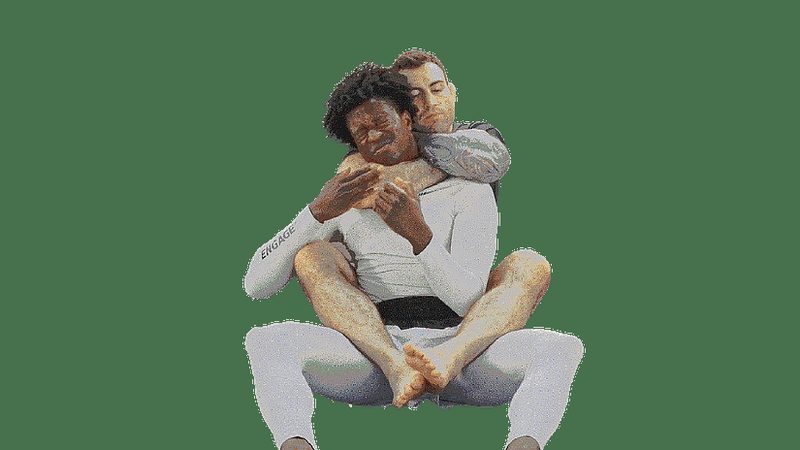
5. Follow the roll — never chase, re-anchor
When your opponent rolls to escape, the instinct is to grip harder and hang on. Do the opposite: relax the legs slightly, ride the rotation, and re-set your hooks or triangle once you land on top of the roll. A back that follows the movement stays attached. A back that fights the movement gets thrown off. Think of yourself as a backpack, not a wrestler trying to win a stalemate.
6. Trap an arm to break stubborn defense
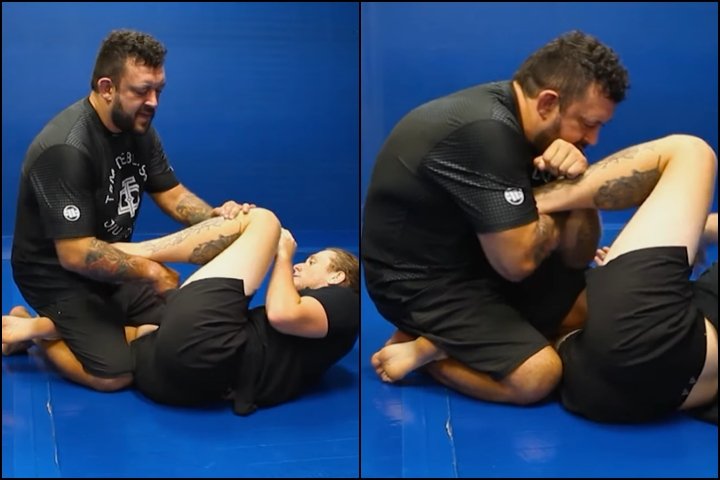
Against a defender who refuses to give up the neck, trap one of their arms. Feed their same-side wrist behind their back and pin it, or use your leg to trap the arm across their body. With one arm neutralized, they only have one hand left to defend a two-hand problem — and now the rear naked choke or a strangle variation opens up almost on its own.
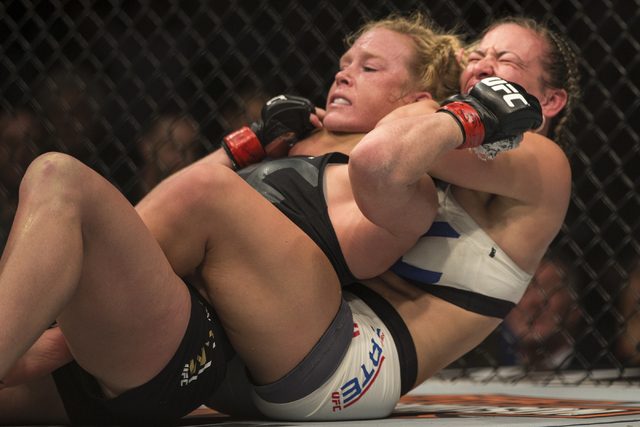
7. Finish with the rear naked choke and its backups
The rear naked choke is the primary finish, but it isn’t the only one. When the chin is buried and you can’t get under it, switch to a short choke (gable grip behind the head), a rear triangle if their arm pops up, or transition to the crucifix to pin both arms. Having two or three finishes off one position is what turns a good back into a submission you can trust against anyone.
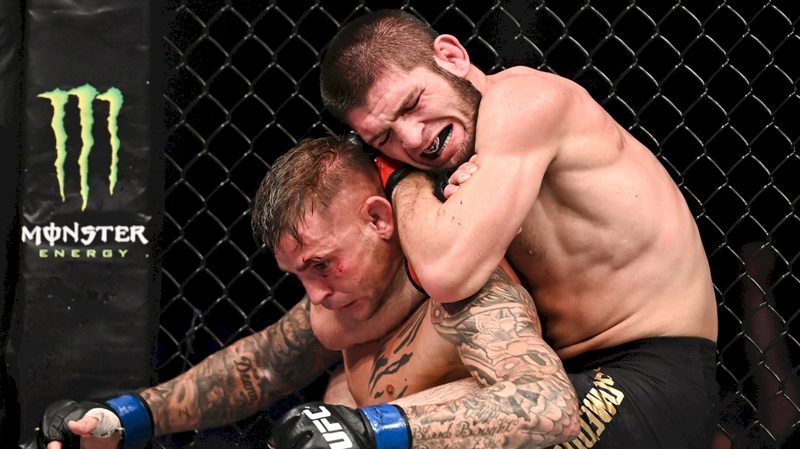
Watch Back Control and the Rear Naked Choke in Action
Reading about the seatbelt and the hand-fight only gets you so far — seeing the timing on a live body fills in the gaps. This breakdown covers keeping the back plus three choking variations you can drill straight away:
Common Mistakes That Cost You the Back
The fastest way to improve your back control is to stop making the three mistakes that leak the position for almost everyone below purple belt.
- Crossing your feet instead of hooking. Crossed ankles in front of the belly are an ankle-lock invitation and give zero hip control. Hook inside the thighs or lock a triangle — never cross the feet.
- Reaching for the choke too early. Diving for the neck against fresh frames strips your own grip. Secure control, win the hand-fight, then attack.
- Letting your chest peel off the back. Space is the escape. If you can slide a fist between your chest and their spine, you’ve already lost the position — you just don’t know it yet.
Fix those three and you’ll keep the back twice as long, which means twice as many chances to finish.
How to Drill Back Control in No-Gi
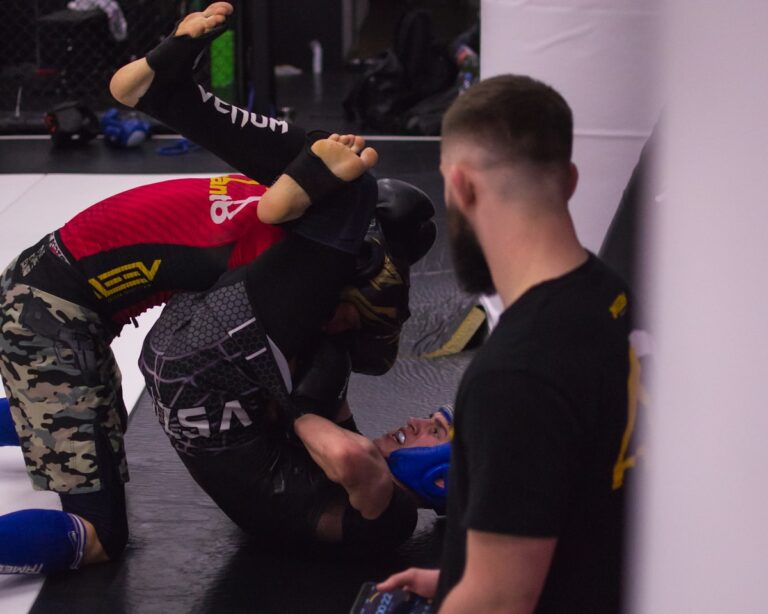
Positional sparring beats technique repetitions here. Start every round already on your partner’s back with a locked seatbelt and hooks, and give yourself one job: keep it. Your partner’s only job is to escape. Reset the second they get out. Three or four rounds of this a week does more for your retention than a hundred slow reps of the choke, because it forces you to feel the exact moment your chest starts to lift and correct it in real time.
Once retention feels solid, add the hand-fight layer: same drill, but now you’re allowed to attack the choke while they defend. You’ll quickly learn which grips survive pressure and which fall apart. A snug, low-friction rashguard that stays put matters more than people admit when you’re riding the back — a shirt that rides up gives your opponent a handful of loose fabric and a frame you didn’t mean to donate.
Frequently Asked Questions
Is back control worth points in no-gi?
Yes. IBJJF no-gi awards four points for taking the back with both hooks in. ADCC awards three points for back control with the harness and leg control established. It is one of the most valuable scoring positions in the sport.
Is a body triangle legal in no-gi competition?
Yes, the body triangle is legal in IBJJF and ADCC competition and counts as valid back control. Be aware that spine and neck cranks that can result from over-squeezing are not legal, so the pressure should come from the position, not from wrenching the head.
How do you escape back control in no-gi?
The core escape is to put your shoulders on the mat, bridge toward the choking-arm side, and slide your hips down until you clear their hooks and turn in to guard. The key is moving toward the exposed arm — never turning toward the choke. Hand-fighting to keep two frames on the choking arm buys you the time to do it.
What’s the best submission from the back in no-gi?
The rear naked choke is the highest-percentage finish because it needs no gi grips and stays tight as the position moves. Strong backups include the short choke, the rear triangle, and transitioning to the crucifix to pin both arms.
Make the Back Your Home Position
Pick one thing from this list and drill it this week — most likely the seatbelt grip or the chest-to-back retention, because those two hold the whole position together. Everything else in grappling rewards athleticism to some degree, but back control rewards patience, and patience is trainable at any age or belt. Get comfortable living on the back instead of racing through it, and the finishes stop being something you hunt and start being something that arrives on their own.
Sources
- IBJJF Rule Book — Official scoring for back control and back mount in gi and no-gi competition.
- ADCC Official Rules — Point structure and legal positions for submission grappling’s biggest event.
- Evolve MMA — BJJ 101: The Back Mount — Breakdown of hooks, body triangle, and chest-to-back control.
- Grappling Insider — Best BJJ Chokes From the Back — Overview of finishing options from back control.