Butterfly Guard No-Gi: 7 Essential Sweeps & Grips
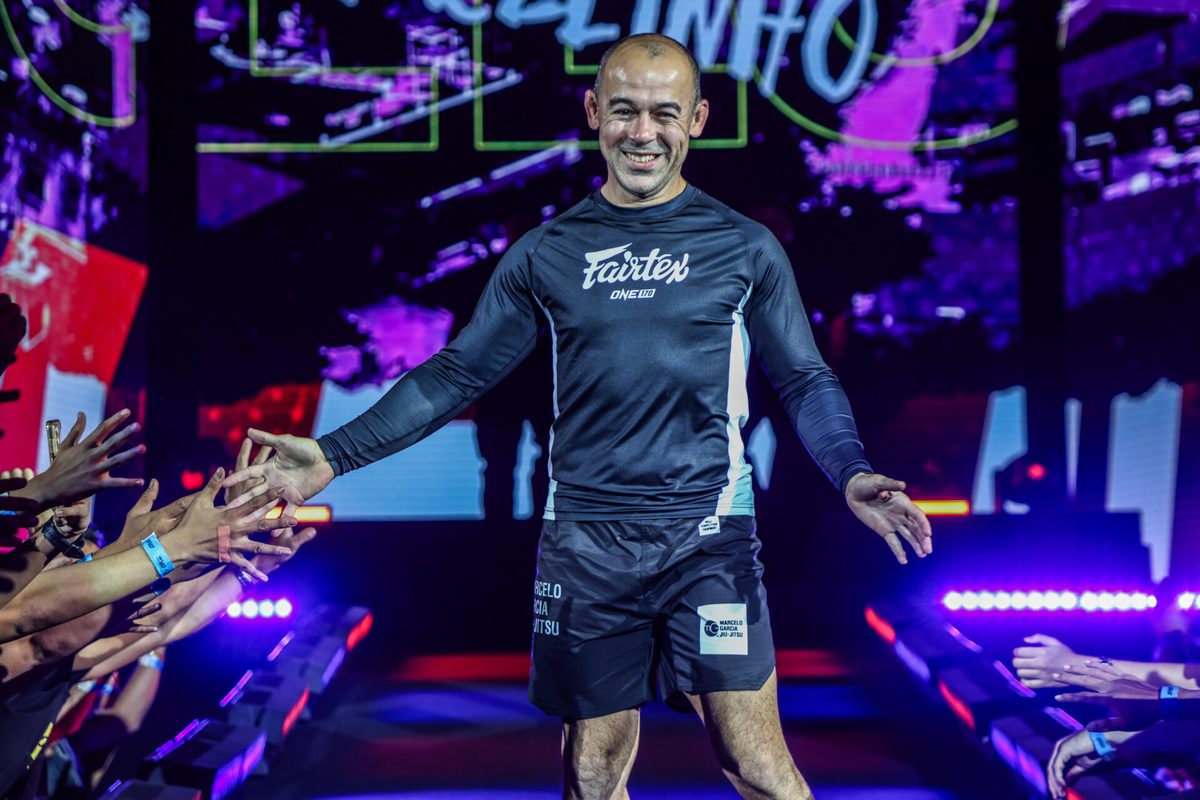
Marcelo Garcia won four ADCC titles at 66kg and 77kg largely off one position, sweeping and taking the back of men 40 pounds heavier than him. That position was butterfly guard, and he built it in an era when almost everyone else was playing a lapel-heavy game. His career is the strongest argument you can make for the seated guard in no-gi: no grips to steal, no fabric to slow the action, just hooks, underhooks, and timing. This guide breaks down how the position actually works and the seven attacks worth drilling until they are automatic.
What Makes Butterfly Guard No-Gi So Effective
Strip the gi off a butterfly guard and it gets better, not worse. In the gi, a good top player kills your hooks by gripping your pants and pinning your knees to the mat. In no-gi there is nothing to grab, so a heavy passer has to control your hips with pure body weight, which leaves their posture reachable. That trade favors the person on the bottom.
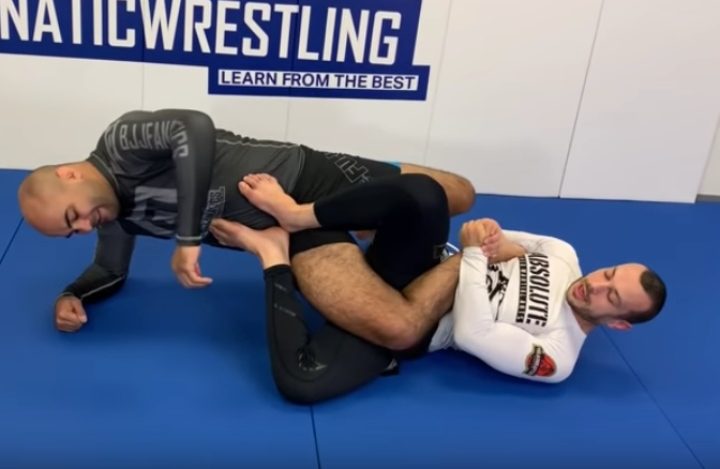
The position itself is simple to describe and hard to master. You sit upright, both shins wedged under your opponent’s thighs like the wings of a butterfly, chest close, spine stacked over your hips. The hooks are not there to hold anyone in place. They are levers. When you load weight onto one hook and clear the other side, your opponent has nowhere to post, and that is the entire game in one sentence.
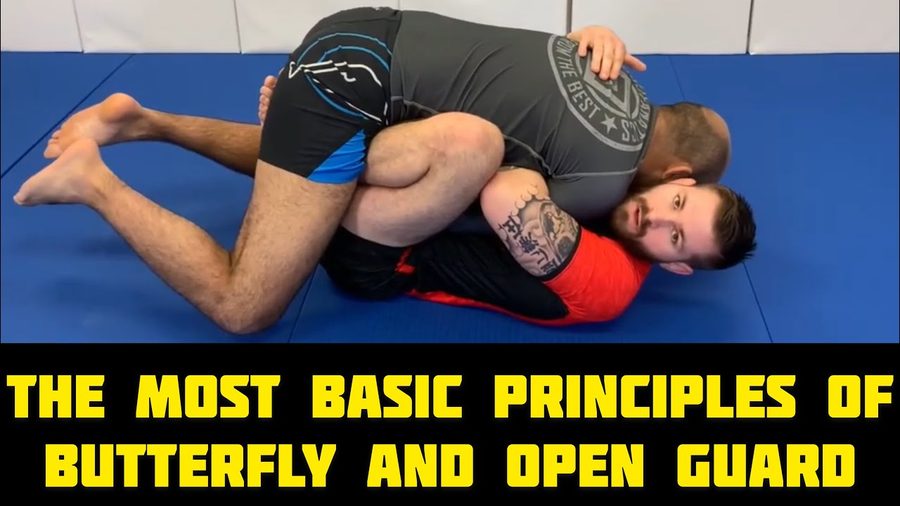
The catch is that butterfly guard punishes passivity harder than almost any other guard. Sit there and wait, and a decent passer will flatten you, pin the hooks, and start their pass. The guard only pays off when you are the one initiating the scramble.
Building the Seated Base and Inside Control
Everything starts with posture. If your back rounds and your head drops below your hips, you have already lost the position, because you cannot generate lift from a collapsed spine. Sit tall, weight forward on your seat, and keep your head above your opponent’s centerline.
Inside control is the currency here. The single most valuable grip in no-gi butterfly is the underhook, ideally paired with a same-side wrist grab so your opponent cannot swim the arm back inside. Double underhooks with a palm-to-palm connection behind the back are even stronger, opening sweeps to both sides and the overhead. If you cannot get an underhook, a two-on-one on the wrist keeps you in the fight while you hunt for something better.
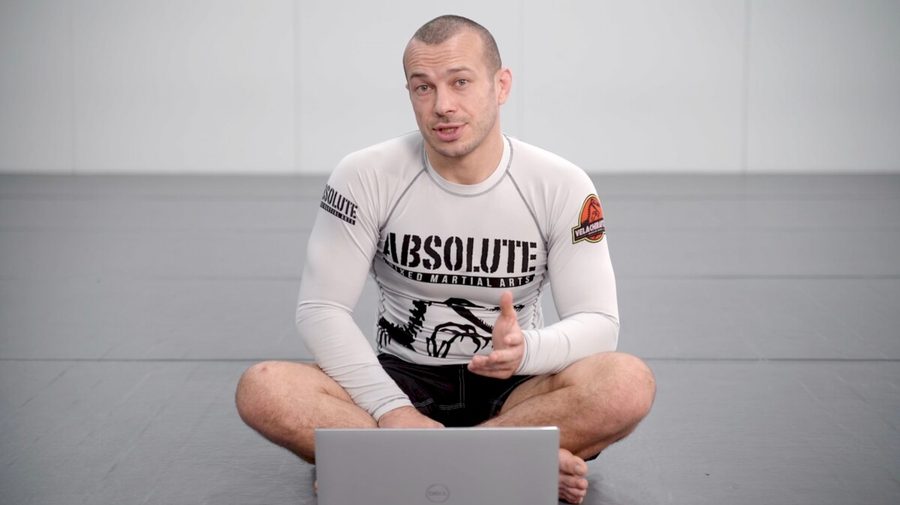
Lachlan Giles, who has built one of the most-studied no-gi curriculums in the sport, teaches the seated position as a launch pad rather than a resting spot. The hooks elevate, the underhook steers, and the head position decides which direction the sweep goes. Get those three working together and the finishes almost pick themselves.
The 7 Butterfly Guard Sweeps and Controls That Actually Work
You do not need thirty techniques. You need a handful that chain into each other so that when one stalls, the next is already loading. Here are the seven that carry the position at every level from your first competition to the black belt divisions.

1. The Underhook Hook Sweep
This is the Marcelo staple and the first thing you should learn. Underhook one side, load your same-side hook under the thigh, and fall toward your underhook shoulder while lifting the leg. Your opponent tips over the top of the hook and you follow the underhook straight into side control or the back. The video below shows Garcia himself walking through the underhook control and the hook sweep it sets up.
2. The Arm Drag to the Back
When your opponent postures up and squares off, the underhook side dries up, so you go to the far arm instead. Grab the wrist, drag the arm across your centerline, and use the hook on that same side to spin underneath them. Done cleanly, you land on the back with both hooks in before they know the arm is gone. The arm drag is the best answer to a stiff, upright passer.
3. The Overhead Elevator Sweep
Against a passer who drives forward with heavy pressure, use their momentum. With double underhooks, drop to your back, plant both hooks, and throw them over your head to the mat behind you. You come up into a scramble or straight to mount. This is the sweep that turns an aggressive top game against itself, which is why it feels so demoralizing on the receiving end.
4. The Double-Underhook Sweep
The bread-and-butter finish from the palm-to-palm grip. Clamp both underhooks, pull your opponent’s weight onto you, then dump them to whichever side they are lightest. Because you control both arms, they cannot post to either side, and the sweep works to the left or right depending on which way they lean.
5. Butterfly Half Guard
When someone starts to knee-cut through your guard, you do not have to lose the position. Drop to a butterfly half guard by keeping one hook active under the trapped leg while your other foot blocks the cut. From there you can recover full butterfly, sweep with the remaining hook, or come up on a single leg. It is the same logic that powers the best half guard sweeps in no-gi.
6. The Guillotine Off the Sit-Up
Butterfly guard bleeds naturally into the front headlock. When your opponent lowers their head to pressure past your hooks, that head is a gift. Snap it down, feed your arm under the chin, and finish the guillotine, or use the choke threat to elevate and sweep. The submission and the sweep share the same entry, which is exactly why the position is so hard to defend.
7. Butterfly to Leg Entanglement
Modern no-gi grafts leg locks onto everything, and butterfly guard is a clean entry. As your opponent defends a sweep and their base widens, thread your outside hook through and enter a single-leg X guard, then progress to ashi garami and the straight ankle or heel hook. Butterfly gets you to the legs; the entanglement finishes the job.
Reading Your Opponent: Which Sweep, When
The mistake most people make is memorizing sweeps in isolation instead of learning the reads that trigger them. Butterfly guard is a decision tree, and the branches are dictated by what your opponent gives you.
If they sit back with a wide, low base, the hook sweep is there. If they drive forward with pressure, the overhead is loaded. If they stand tall and square, arm drag to the back. If they start to knee-cut, drop to butterfly half. You are not choosing your favorite move; you are reading their weight and taking whichever door they left open. That is the difference between a butterfly guard that scores and one that just stalls.
Butterfly Guard No-Gi vs the Gi
The core mechanics carry over, but the game feels different without grips. In the gi you can slow a scramble down, grip a sleeve, and reset your hooks at your own pace. No-gi has no pause button, so the position rewards speed and relentless angle changes over patient grip fighting.
Sweat is the other variable nobody warns you about. Underhooks slide off slick skin far more easily than they slip off a jacket, so your connection has to be tighter and your finish faster. The honest read is that no-gi butterfly is less forgiving than the gi version, but the payoff is a game that transfers directly to wrestling and MMA, where there are no lapels waiting to bail you out.
Common Mistakes That Kill Your Butterfly Guard
The number one error is leaning back. New grapplers treat butterfly like a bottom position and recline onto their shoulders, which hands the passer a flattened target and kills every sweep at once. Stay upright until the exact instant you commit to a throw.
The second mistake is fishing for hooks without inside control. Hooks alone lift nobody; the underhook or wrist tie is what makes the lift work. The third is waiting. A butterfly guard that sits still is a butterfly guard getting passed, so if you are not the one forcing the scramble, you are already behind. Defending the knee cut pass from a stalled seated position is far harder than attacking before the passer settles.
Drilling It Into Your Game
Positional sparring beats technique repetition here. Start seated in butterfly against a partner instructed to pass, reset every time you get swept or passed, and run three-minute rounds. You will develop the reads faster in a week of live starts than in a month of cooperative drilling.
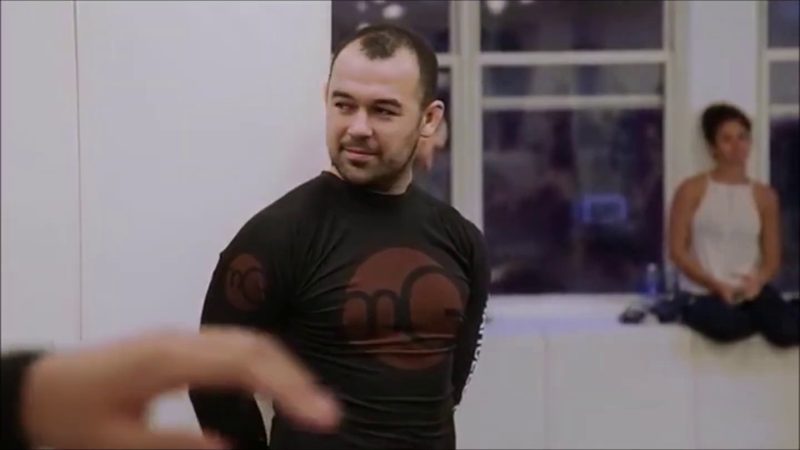
Pick two sweeps and one submission to start, not all seven. Garcia’s whole system ran on a small number of movements he could hit in his sleep, chained so tightly that stopping one only fed the next. Build that spine first, then bolt on the leg entries and the front headlock once the fundamentals hold up against resistance. Master the seated position, and you own the most active, transferable guard in no-gi grappling.
Sources
- Marcelo Garcia — ONE Championship athlete profile — Career record and competition background for the four-time ADCC champion.
- The Complete Butterfly Guard by Marcelo Garcia — BJJ Fanatics — Instructional breakdown of Garcia’s underhook and hook-sweep system.
- Grappling Insider — Marcelo Garcia butterfly guard coverage — Reporting on Garcia’s no-gi butterfly guard methods and influence.
Browse our top-rated rashguards and no-gi gear at the RashguardGuy shop →