Toe Hold BJJ: 6 Setups, Escapes & Legality Guide
Ask ten no-gi competitors which submission ended their last match by injury and a surprising number will say the toe hold, not the heel hook everyone fears. The reason is simple: the toe hold twists a joint that has almost no range in the direction you are cranking it, and it arrives fast. A tight figure-four on the foot can take a knee apart in under two seconds if the person on the wrong end is stubborn. That speed is exactly why it belongs in your game and why you need to respect it on both sides of the tangle.
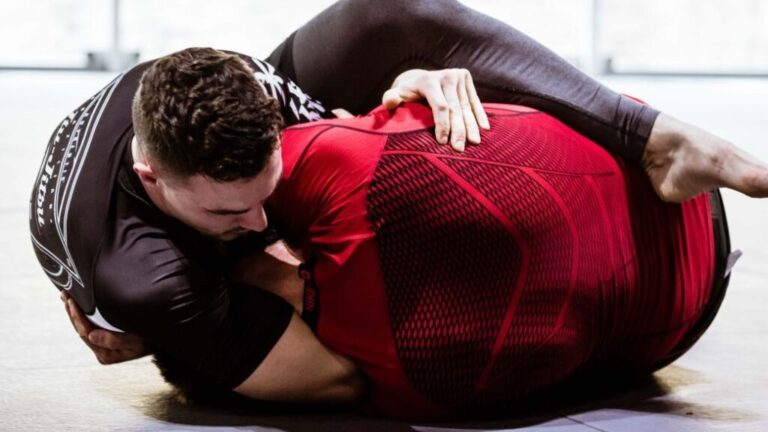
The toe hold lives inside leg entanglements — control the foot, then the ankle follows.
What Is a Toe Hold in BJJ?
A toe hold is a footlock that attacks the ankle by rotating the foot inward, folding it toward the inside of the leg. Think of it as the kimura of the foot. You grab the top of the foot with one hand, thread your other arm under the shin, and lock a figure-four on your own wrist. From there you drive the foot in a small circle it was never built to travel, and the ankle ligaments take the load.
What makes it different from a straight ankle lock is the direction of force. The straight ankle lock extends the foot like a plantar-flexed point; the toe hold rotates it. That rotation is what lets the pressure climb past the ankle and into the knee when the entanglement is tight. It is a rotational lock hiding behind an innocent name, and treating it like a minor foot squeeze is how people get hurt.
How the Toe Hold Works: The Figure-Four Grip
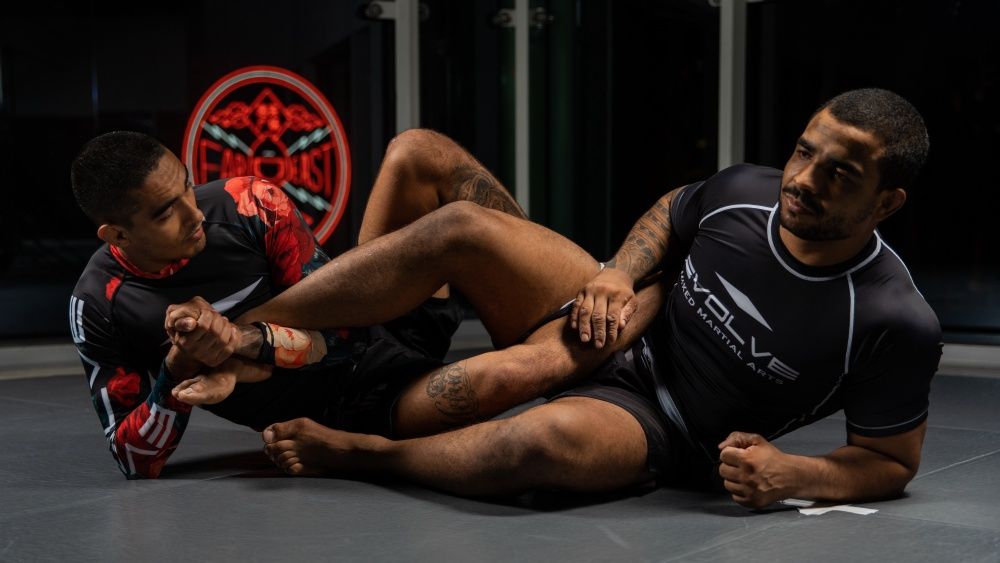
The finish lives or dies on the grip. Your bottom hand grabs the foot with your pinky against your opponent’s pinky toe, cupping the outside edge. Your other arm loops under the shin and your hand grabs your own wrist, forming the figure-four. Suck your elbow tight to your ribs and slide it toward the heel so the foot folds over your forearm like a lever over a fulcrum.
The most common mistake is muscling the foot with your arms. The finish comes from pinching your elbows together and rotating your whole torso, not from a bicep curl. Keep the foot glued to your chest, remove the space, and turn. Garry Tonon, one of the most active leg lockers in no-gi, describes it as a control position first and a submission second — you should own the foot completely before you ever apply torque.
Pinky-to-pinky grip, figure-four on your own wrist, elbows pinched — no arm strength required.
Where the Toe Hold Comes From: Ashi Garami and Leg Entanglements
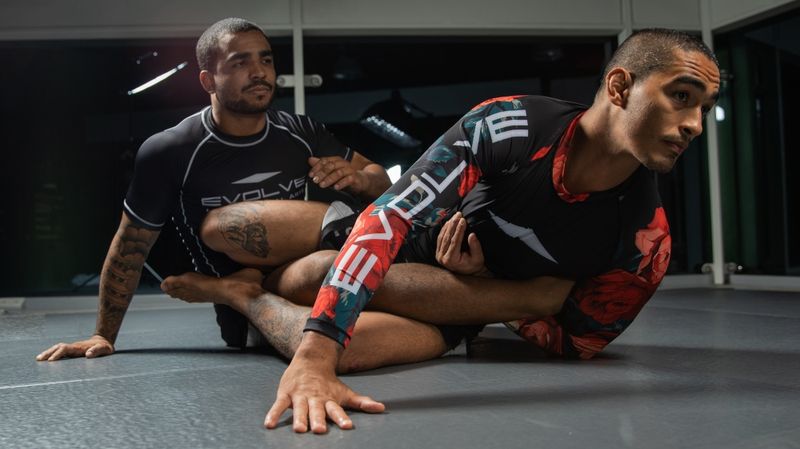
You almost never hit a clean toe hold from open space. It comes out of a leg entanglement — ashi garami, which just means “leg tangle.” The entanglement isolates one of your opponent’s legs against your body so they cannot spin, kick free, or hide the foot. Once the leg is trapped, the foot is exposed and the grip is available.
The saddle, also called inside sankaku or the honey hole, is the position where the toe hold shines because it pins the leg deep and rotates the hip so the foot sits right in front of your chest. The knee bar and toe hold share the saddle as a launch point, which is why leg lockers chain the two together — attack one, and the defense hands you the other.
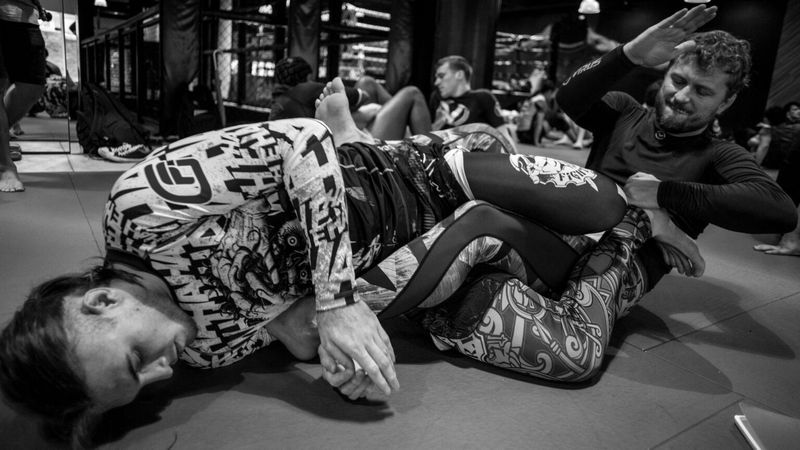
No entanglement, no finish — ashi garami isolates the leg before the toe hold ever starts.
6 Toe Hold Setups That Actually Finish
Every position that traps a leg is a potential toe hold. These six are the ones that show up again and again on the mats and in competition footage, ranked roughly from easiest to sneakiest.
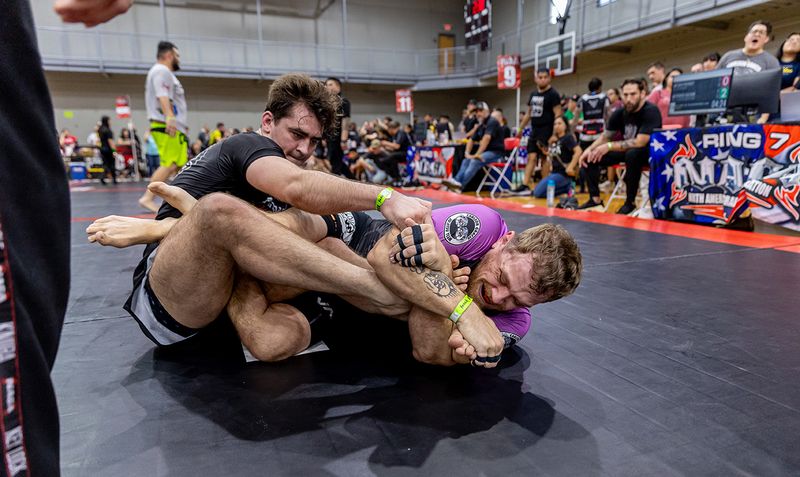
- From 50/50: When both of you are tangled and hunting the heel hook, switch grips to the foot instead. Most people defending 50/50 forget the toe hold entirely because they are so focused on hiding their heel.
- Off a failed heel hook: Your opponent clears their heel and thinks they are safe. Their foot is now sitting exposed on the outside — reach over, cup it, and fold. It is the natural follow-up to the heel hook.
- From top half guard: As you pass and your opponent’s bottom leg extends, you can trap the foot and torque without ever entering a formal entanglement. Old-school and still nasty.
- From the saddle: The deepest control position. Rotate the foot across your chest while the inside sankaku keeps the hip pinned.
- During a scramble: When legs are flying in a takedown exchange, a briefly exposed foot is fair game. This is where matches end in five seconds.
- Reverse toe hold from side control: Rare, but when a bottom player leaves a foot near your hip during a scramble, you can catch it against the mat.
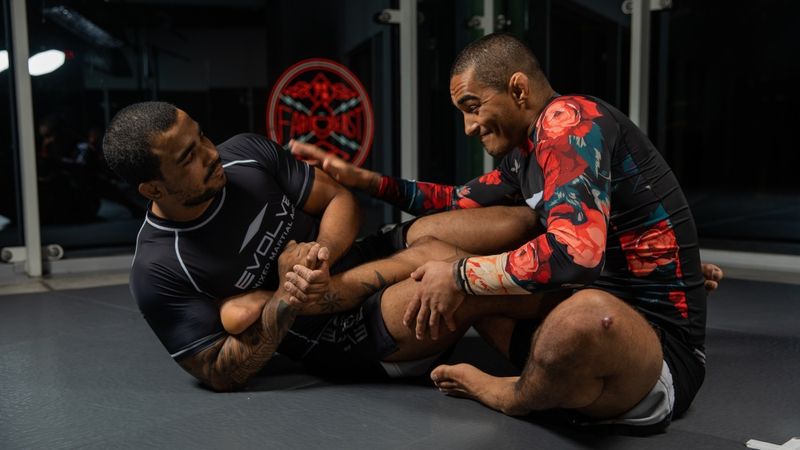
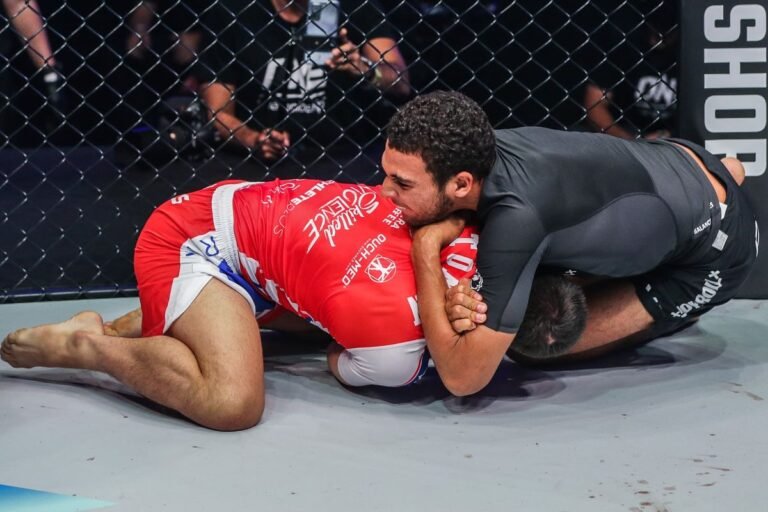
50/50 is a toe hold goldmine because everyone is busy defending the heel.
How to Escape and Defend the Toe Hold
Defense starts before the grip closes. The moment you feel a hand crawling onto your foot, flex your toes hard toward your shin and straighten your leg to take the slack out of the rotation. A rigid, extended leg is far harder to fold than a relaxed one. Fight the grip like your ankle depends on it, because it does.
If the figure-four is already locked, your escape is to rotate with the pressure, not against it. Spin your body in the same direction the foot is being turned so you chase the rotation and rob it of its torque. Boot the free leg into your opponent’s hip or knee to create space, then peel the grip. The one thing you cannot do is stall and hope — unlike a slow armbar, it gives you almost no warning between “uncomfortable” and “torn.” Tap early and keep your season.
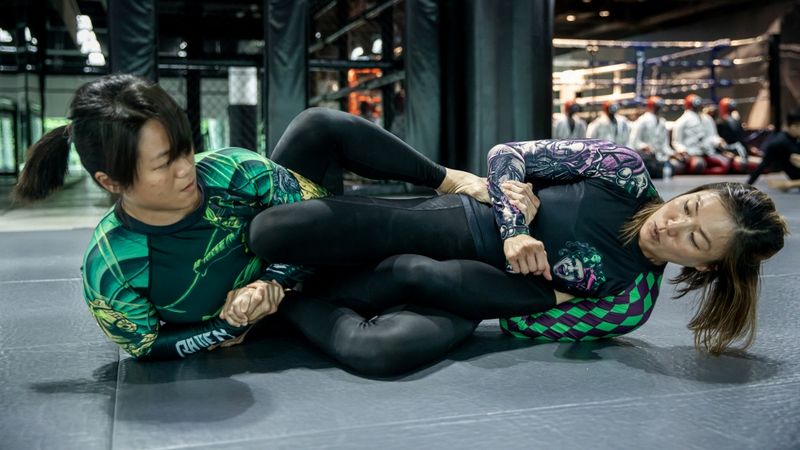
Flex the foot, straighten the leg, and rotate into the pressure — defense is about denying the fold.
Is the Toe Hold Legal? IBJJF, ADCC, and Ruleset Breakdown
The honest answer: it depends entirely on where you are competing. Under IBJJF rules the toe hold is banned for white, blue, and purple belts in both gi and no-gi, and only becomes legal at brown and black belt. That single rule is why so many recreational grapplers never learn it — their tournament circuit forbids it until they have a decade on the mats.
Submission-only and professional events read the opposite way. ADCC allows the toe hold at every level. Many no-gi promotions such as FIVE Grappling open it up from purple belt. The lesson is to read the specific rule set before every event, not to assume. If you train mostly for no-gi submission tournaments, the toe hold is a core weapon; if your circuit is IBJJF gi, treat it as a black-belt project.
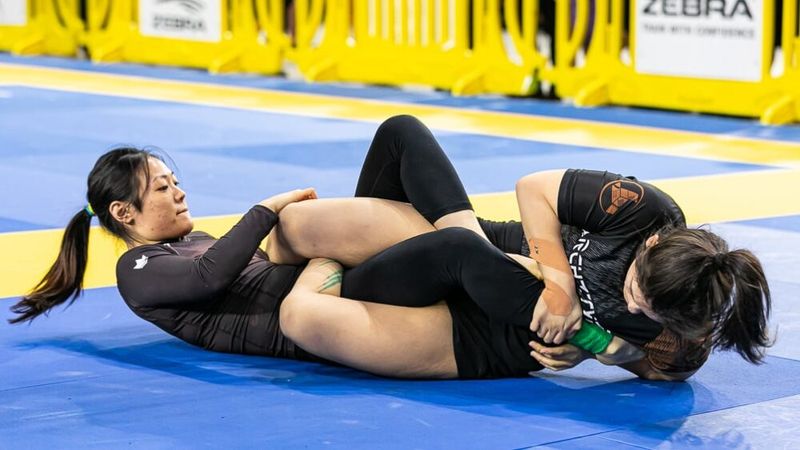
In ADCC and submission-only rules, the toe hold is legal for everyone on the mat.
Toe Hold Safety: Why You Should Tap Early
Here is the position most instructors will not say out loud: the toe hold injures more training partners than the heel hook, because people take it less seriously. A heel hook scares everyone into tapping fast. It feels like a foot cramp right up until a ligament goes. The rotational force does not stay in the ankle — a tight one loads the knee, and knee reconstructions cost months, not weeks.
Apply it in training the way you would want it applied to you: slow, controlled, and released the instant your partner taps or even shifts uncomfortably. There are no style points for cranking a footlock in the gym. Build the grip and control first; the finish is a formality once you own the foot. If you are still assembling your no-gi kit for leg-lock training, our complete no-gi gear guide covers the rashguards and spats that hold up to the friction of constant leg entanglements.
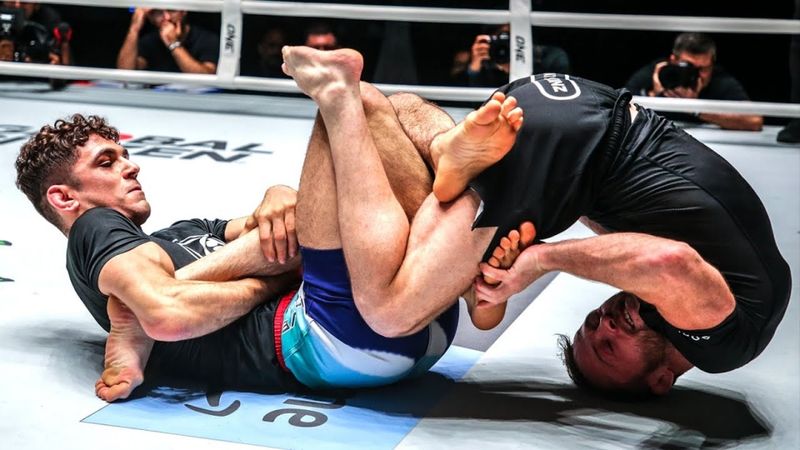
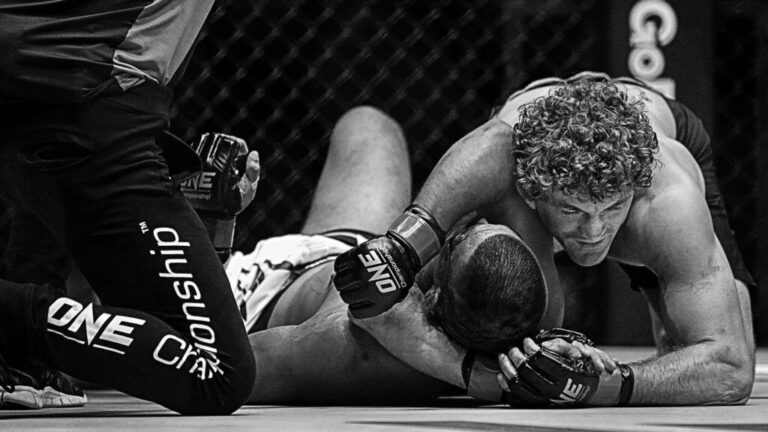
At the pro level, the toe hold is a control-first game — own the foot, then finish.
Should You Add the Toe Hold to Your Game?
If you compete no-gi, yes — start today, even if your IBJJF gi bracket won’t reward it yet. The toe hold pairs with everything else you already threaten from leg entanglements, and defending it makes your whole lower-body game safer. Spend two weeks drilling the grip until the figure-four is automatic, then live-roll it slow with a trusted partner who knows how to tap. Own the foot before you turn it, respect the speed of the finish, and this quiet little footlock becomes one of the most reliable submissions you have.
Sources
- BJJ Heroes — The Toe Hold — history and mechanics of the submission.
- Evolve MMA — BJJ 101: The Toe Hold — grip details and entry positions.
- IBJJF Rule Book — belt-by-belt legality of foot locks in gi and no-gi.
- BJJ Fanatics — Toe Hold Mechanics with Garry Tonon — control-first finishing concepts.
Browse our top-rated rashguards and no-gi gear at the RashguardGuy shop →