Best Rashguards for Men: Matching the Gear to How You Actually Roll
Type “best rashguards for men” into any search bar and you will get a wall of ranked lists, each one crowning a different winner. That should tell you something: the question is broken before you even ask it. There is no single best rashguard, the same way there is no single best pair of running shoes. A garment that feels perfect on a lean 155-pound competitor doing three hard rounds a week will feel completely wrong on a 220-pound hobbyist who trains twice and sweats through everything. The real question — the one that actually gets you gear you will still be reaching for a year from now — is which rashguard is best for you, given how you train, what your body is shaped like, and what the room feels like when you walk in.
This guide skips the ranking game entirely. Instead, it walks through the three variables that actually decide fit — training load, body type, and mat climate — and shows how the top-tier rashguards worn at events like ADCC and the FloGrappling shows are built to solve specific problems, not to win a popularity contest. By the end you should be able to look at any rashguard on a shelf and know within a few seconds whether it is built for the grappler you are.
Why “Best” Is the Wrong Word
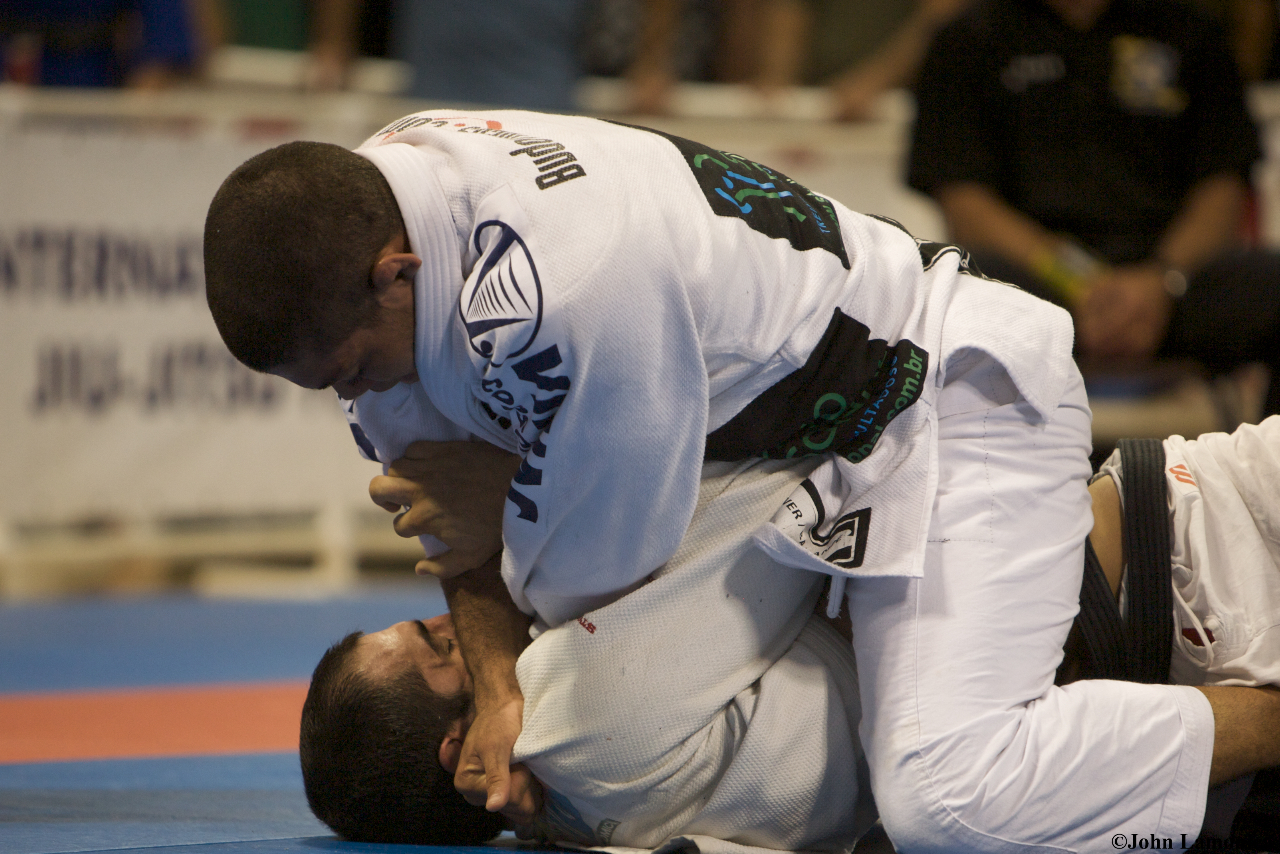
Rashguards started life in surfing, where the whole job was to stop board wax and sun from tearing up your skin. No-gi grappling borrowed the garment and then quietly rewrote every requirement. On the mat, a rashguard has to manage friction against another human body, wick a genuinely alarming amount of sweat, hold compression through explosive scrambles, and survive being gripped, stretched, and dragged across a rubber floor for years. A shirt that is excellent at one of those jobs can be mediocre at the others.
This is why “best” collapses under its own weight. The rashguard that holds the tightest compression is often the one that runs the hottest. The one with the most durable seams is frequently the heaviest and least breathable. The featherweight competition shirt that feels like a second skin at a tournament might pill and thin out if you wear it for daily open-mat abuse. Every design is a set of trade-offs, and the “best” one is simply the one whose trade-offs line up with your reality. So let us define your reality.
Variable One: Your Training Load
How often and how hard you train matters more than almost anything else, because it dictates two things: how much abuse the garment absorbs, and how many of them you actually need. A rashguard is a consumable more than a keepsake — the more you roll, the faster it wears.
The two-to-three-times-a-week grappler
If you train a couple of times a week, you are not stress-testing seams the way a daily competitor is, so you can prioritize comfort and feel over industrial durability. Two solid rashguards on rotation is plenty — one in the wash, one on your back. Look for a mid-weight fabric with four-way stretch and flatlock seams. You do not need the most aggressive compression on the market; you need something you will actually enjoy wearing, because the enemy at this training frequency is not wear, it is your own motivation.
The five-plus sessions and competition track
Once you are on the mat most days, durability stops being a nice-to-have and becomes the whole point. You need at least four rashguards in rotation so no single garment is being washed and worn into the ground, and you want the construction to reflect real load: high polyester-to-spandex ratios for shape retention, reinforced or bonded seams instead of light stitching, and printing that is sublimated into the fabric rather than screen-printed on top, because screen prints crack and peel under the friction of live rolling. This is the tier where the premium competition brands earn their price. The extra cost buys you fabric that still holds compression after a hundred washes instead of turning into a loose, pilled rag by month three.
Variable Two: Your Body Type
Rashguard sizing is where most men go wrong, because they buy for the number on their T-shirt tag instead of for how compression garments are supposed to sit. A rashguard should be snug enough that it does not bunch, ride up, or offer an opponent a fistful of loose fabric to grip. But “snug” reads very differently across body types, and the brands know it — which is why the fit charts vary so much from one label to the next.
Lean and long-torso builds
If you are slim, your enemy is length, not width. Many rashguards are cut for a stockier average, so a shirt that fits your chest can end up short enough to creep out of your shorts during inversions and scrambles. Hunt for brands that publish torso length in their sizing, or that offer “tall” cuts. A silicone gripper hem at the waist is worth its weight in gold here — it is the single feature that keeps a rashguard tucked when your body is folded in half.
Bigger and broader builds
Larger grapplers get punished by two things: fabric that is not stretchy enough to move with a big frame, and compression that is set so aggressively it becomes a tourniquet after ten minutes. If you carry size, prioritize fabric with a genuinely high spandex content and a generous, athletic cut through the shoulders and chest. Do not size down chasing the skin-tight competition look — a rashguard that restricts your breathing under fatigue is actively costing you rounds. Some brands now run extended size ranges specifically built for heavier athletes, and they are worth seeking out over squeezing into a standard XL.
Variable Three: The Room You Roll In
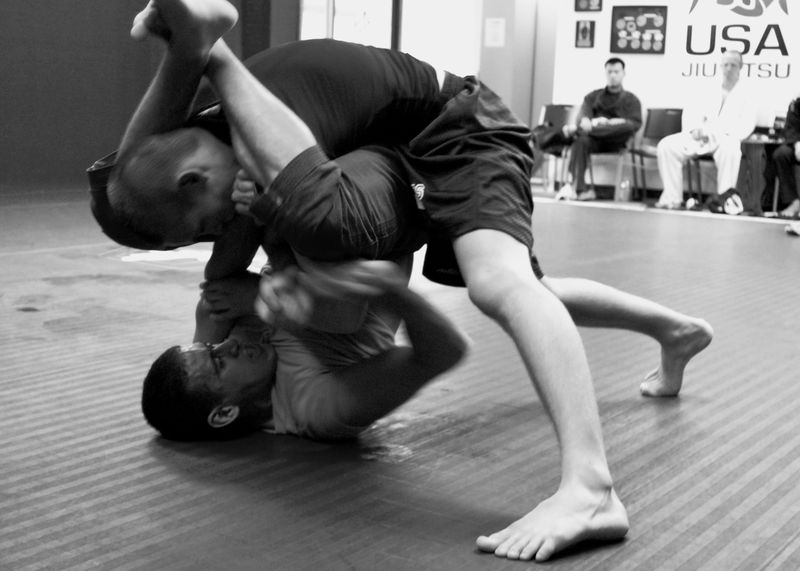
The single most overlooked factor in the whole decision is the climate of your actual gym. A rashguard that is a joy to wear in an air-conditioned academy in a temperate city can be miserable in a humid, un-air-conditioned room where the mats are slick with everyone’s sweat by the second round. This is where the long-sleeve-versus-short-sleeve question actually gets answered — not by fashion, but by thermodynamics.
Hot and humid gyms
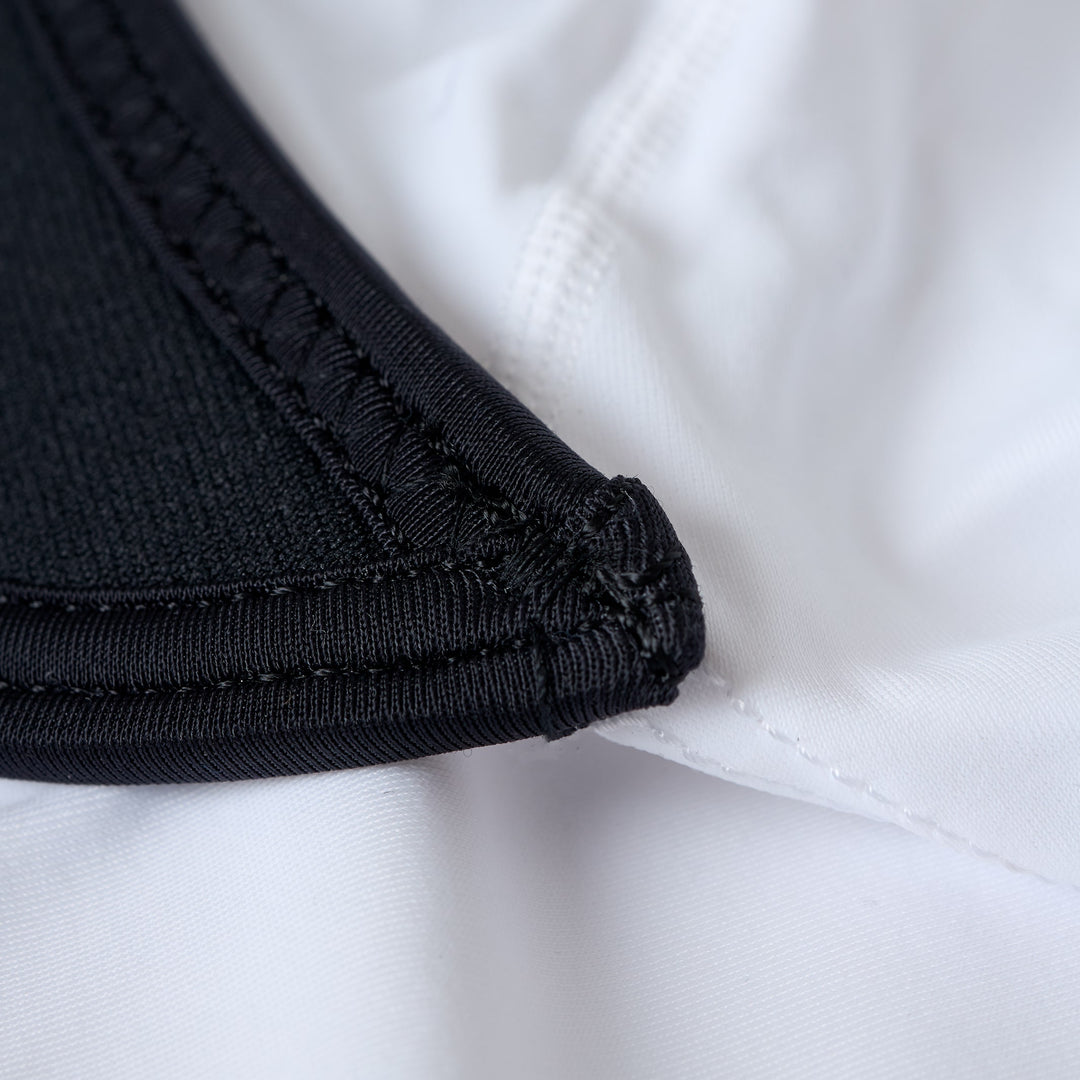
In a sweatbox, breathability beats everything. A short-sleeve rashguard in a lighter-weight, more open knit will keep you cooler and dry faster between sessions, which matters more than most people admit — a heavy rashguard that stays soaked is both a comfort problem and a hygiene problem. Prioritize moisture-wicking fabric and lighter gram weights. You are trading a little abrasion coverage for the ability to actually finish your rounds without overheating, and in a hot room that is the right trade.
Cool gyms and cold seasons
In a cooler room, or during winter training, a full long-sleeve rashguard in a slightly heavier fabric keeps your muscles warm during warm-ups and gives you full skin coverage — which is not just about comfort. Long sleeves reduce direct skin-to-mat and skin-to-skin contact, which is a real line of defense against the ringworm and staph that circulate in any grappling room. If mat hygiene is a concern at your gym, more coverage is simply the safer default.
What the Top Competition Rashguards Actually Get Right
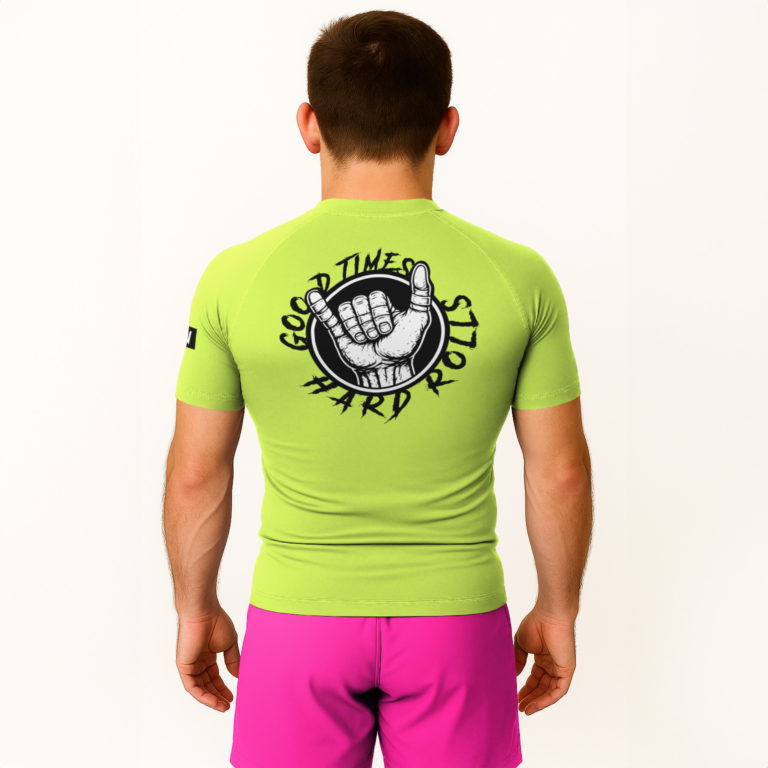
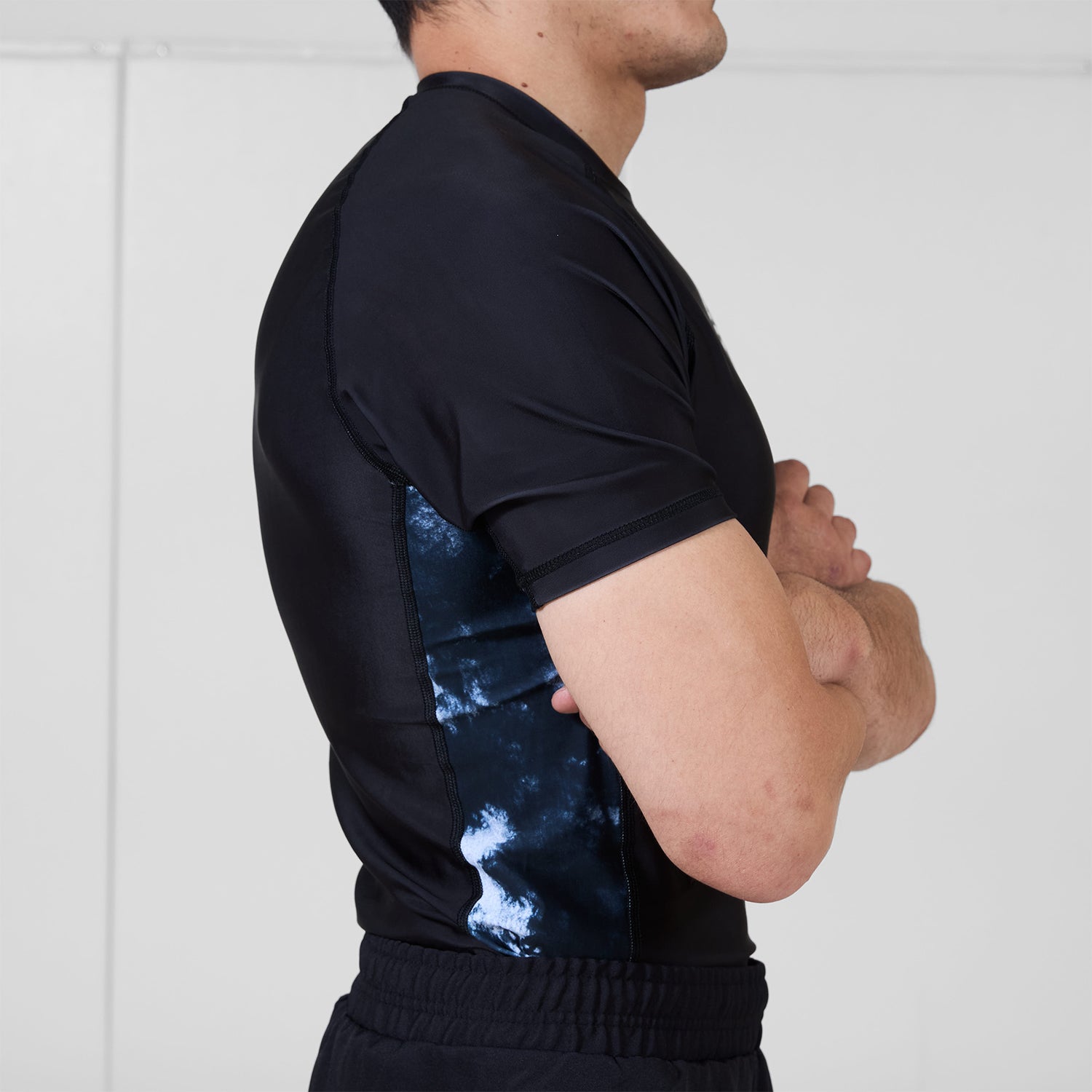
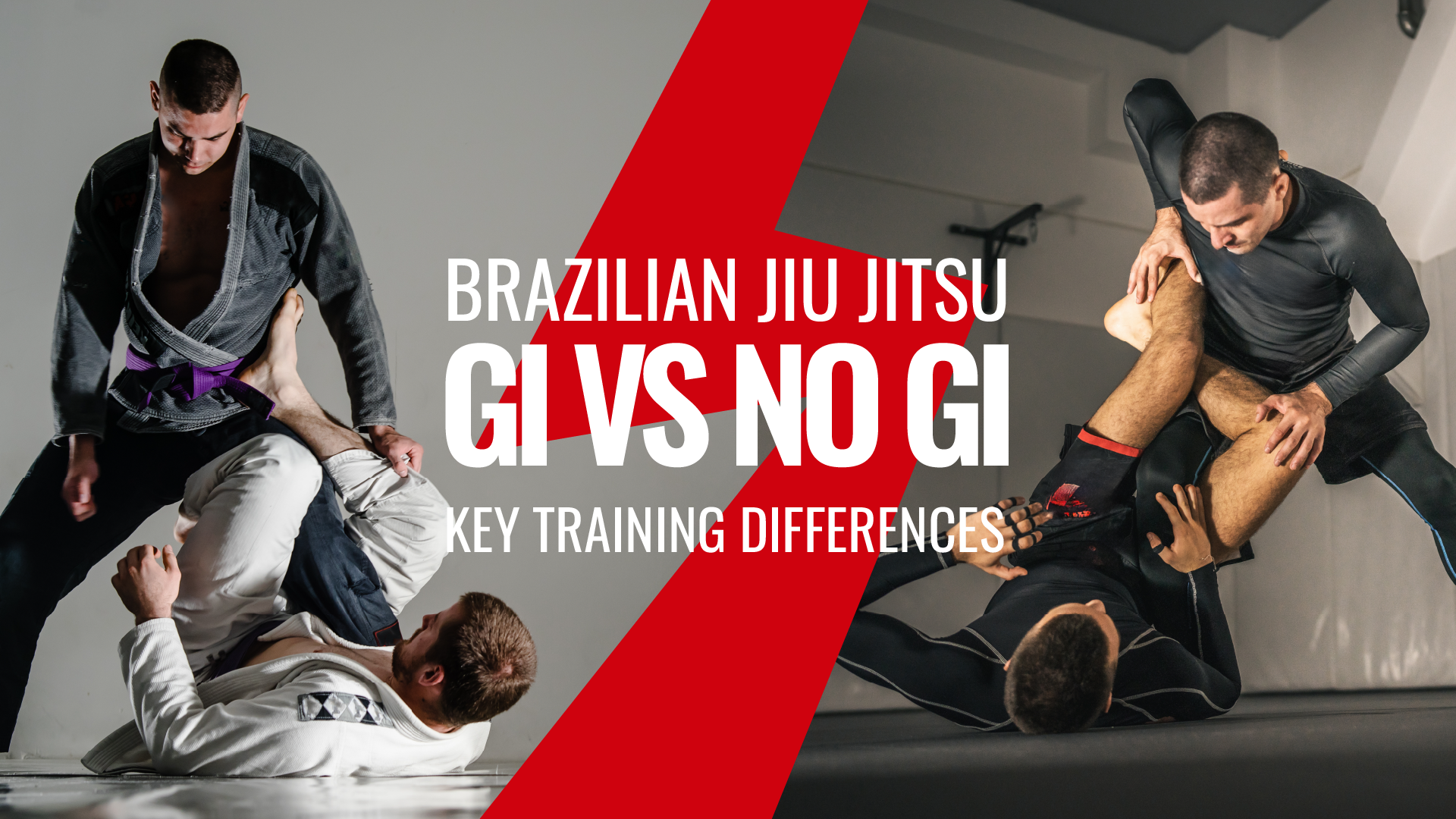
Watch the athletes at a high-level no-gi event and you will notice the rashguards look almost boring. There is a reason for that. The gear worn at the sharp end of the sport is engineered around function first, and the shared traits are a useful checklist no matter your budget. The fabric is a polyester-spandex blend heavy on the polyester for shape retention with just enough spandex for compression. The seams are flat and bonded so they do not chafe or blow out. The graphics are sublimated into the cloth, not layered on top. And the cut is athletic without being a costume — it moves when the athlete moves.
Notice what is not on that list: brand hype, loud designs, or a celebrity endorsement. The best rashguards for men, at every level, are the ones that quietly nail construction. When you shop, run your hands over the seams, check the fabric composition on the label, stretch it in four directions, and ignore the marketing copy entirely. A shirt that passes those physical tests will outperform a flashier one that does not, regardless of which “best of” list either one appears on.
Building Your Personal Shortlist
Put the three variables together and your “best” rashguard basically writes itself. A daily competitor with a lean frame in a cool gym wants durable, long-sleeve, tall-cut rashguards with reinforced seams, bought four at a time. A twice-a-week hobbyist with a bigger build in a humid room wants two comfortable, short-sleeve, high-stretch shirts in a generous cut. Neither of them should be buying the other person’s rashguard just because a listicle called it number one.
When you are ready to buy, shop by feature rather than by name. Search for the specific attributes your profile calls for — long-sleeve compression for a cold room, extended sizing for a bigger build, lightweight and breathable for a hot one — and compare the fabric specs and fit charts before you commit. If you want a fast starting point, an open search for men’s no-gi BJJ rashguards lets you filter by sleeve length, size, and material in one place, so you can match the specs above to what is actually in stock.

The grapplers who never seem to complain about their gear are not the ones who found the mythical best rashguard. They are the ones who figured out their own three variables and bought accordingly. Do that, and the endless ranked lists stop mattering — because the only ranking that counts is the one your own training writes for you, one hard round at a time.
Sources
- Wikipedia — Rash guard
- Wikipedia — Submission wrestling (no-gi grappling)
- ADCC — Abu Dhabi Combat Club
Browse our top-rated rashguards and no-gi gear at the RashguardGuy shop →
Shop on Amazon
BJJ Rashguards on Amazon →
As an Amazon Associate we earn from qualifying purchases.