Knee Bar BJJ: 7 No-Gi Setups That Beat the Heel Hook Era
The knee bar gets 90 percent fewer YouTube searches than the heel hook, but it scored more clean ADCC finishes per attempt in 2024. That gap is the whole reason this submission is worth learning right now. In no-gi, where the heel hook owns every highlight reel, the knee bar bjj attack has quietly become the move that finishes black belts who have spent five years drilling heel hook defense and almost no time drilling knee defense.
This guide breaks down 7 no-gi setups that still tap experienced grapplers in 2026, where the knee bar fits in the modern leg lock era, and the IBJJF, ADCC, and ONE Championship rules you need to know before you hunt it in competition.
Knee Bar BJJ in 2026: Why It’s Back in the No-Gi Meta
The modern no-gi game has a problem the heel hook created. Every blue belt who joined a gym after 2019 has been drilling heel hook defense from day one. They know how to hide the heel, how to boot it free, when to bail to 50/50, and how to recognize the rotational pressure that signals danger. They are not, by the same margin, drilling knee bar defense. The knee bar attacks a different joint with a different mechanic, and most defenders default to escapes that work for heel hooks and leave the knee fully exposed.
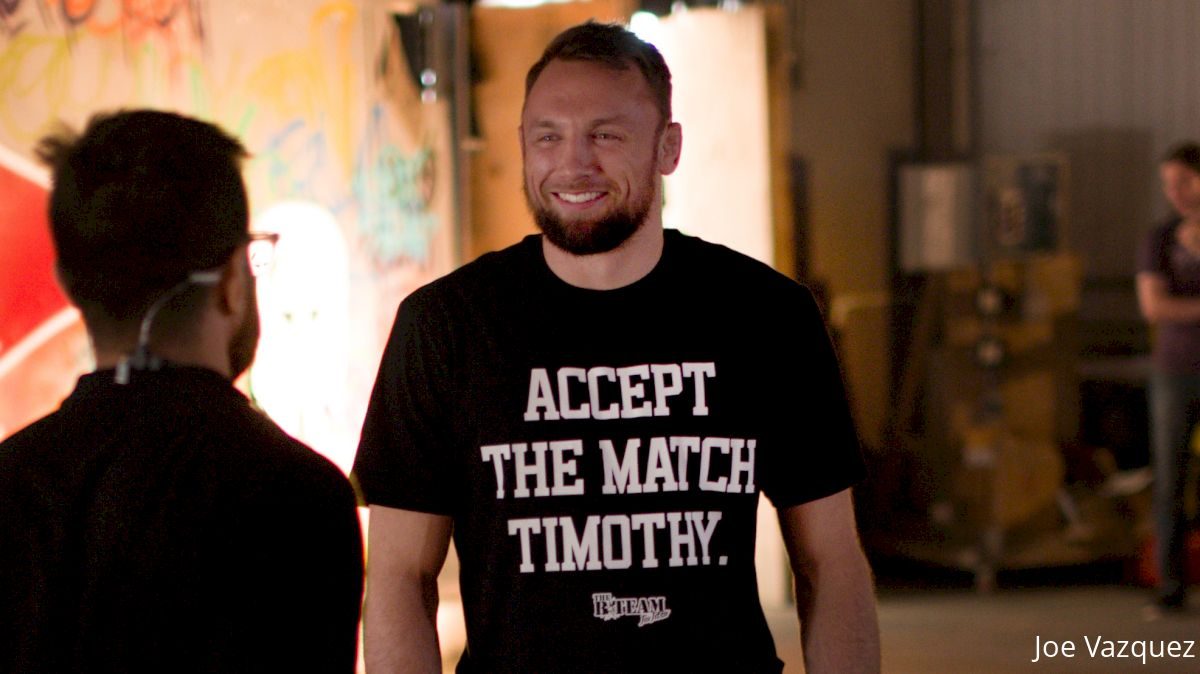
Craig Jones built a four-volume instructional series on the knee bar for exactly this reason. He calls it the submission that wins matches when the other guy thinks the leg lock attack is over. That framing matches what shows up in the data: the knee bar is the third most-finished submission in ADCC trials since 2022, behind the rear naked choke and the heel hook itself, despite being attempted at a fraction of the rate.
What Makes the Knee Bar Different From the Heel Hook
The knee bar hyperextends the knee joint at the hinge. The heel hook rotates the same joint along the tibia. That sounds like a small difference until you stack the safety profile. A heel hook tap that comes one second late costs you an ACL or a meniscus, and the injury is silent until you try to stand up. A knee bar that runs one second long causes pain in real time, and most rolls end without a tear. That gap matters when you train at a hobbyist gym where the legal-but-late tap is the norm.
The position requirements are also different. The heel hook lives in ashi garami, 50/50, and saddle. The knee bar lives in any position where you can isolate one of your training partner’s legs and hip-out enough to point your hips at his foot. That includes top half guard, the back of single leg X, north-south, and a handful of guard-passing entries that most no-gi athletes never connect to a leg attack.
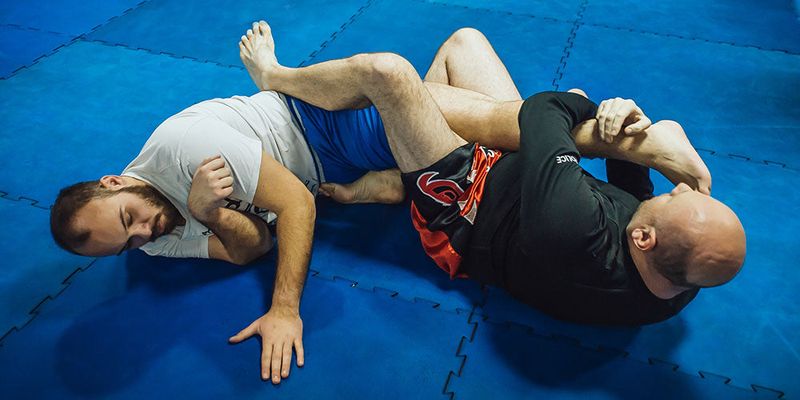
Setup #1: Knee Bar From Bottom Half Guard
The half guard knee bar is the highest-percentage entry for a hobbyist competitor, and it is the one almost nobody teaches in white-to-purple curriculums. Frame on the far hip with your top arm. Use your bottom hand to grip the ankle of the leg you are already controlling between yours. Walk your hips out to a 90-degree angle, fall back, and finish by squeezing your knees and lifting at the toes.
The detail that separates a tap from a wasted attempt is the foot pin Dean Lister teaches on his leg locks course. Lock a rear naked choke style grip on the ankle and pin his foot to your chest. Without that pin, the defender pulls his foot free, points his toe down, and the angle that finishes the submission disappears. The same principle shows up in our breakdown of the half guard sweep mechanics — control of the trapped leg always starts with the foot.
Setup #2: Knee Bar From Single Leg X
Single leg X is usually treated as a sweep position. It is also one of the cleanest knee bar setups in no-gi because the trapped leg is already isolated, the trapping foot is already at your training partner’s hip, and his knee is already pointed in the direction the bar will finish. The transition is a hip switch, not a full repositioning of your body.
From a deep single leg X, swing your trapping foot from the hip across the lower abdomen and switch your hips so your belly faces his trapped leg. Catch the ankle with your top hand and the shin with your bottom hand. Squeeze the knees, fall back at a controlled pace, and finish. If he posts his free leg to flatten you out, you have the same entry into a heel hook from saddle on the other side. The position is a fork, and the knee bar is the half he probably has not drilled. See our single leg X guard guide for the sweep options that share this entry.
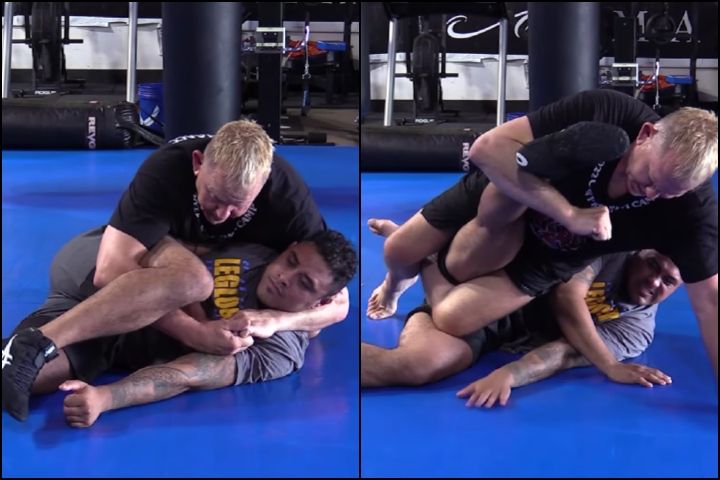
Setup #3: 50/50 Switch Off the Failed Heel Hook
The 50/50 heel hook is the most contested leg lock in modern no-gi, which means most matches at brown belt and above feature at least one round of mutual heel hook chess. When you commit to your heel hook, your opponent commits to defending it, and the moment he buries the heel and slides his hip away, your finish is gone. The knee bar is the cleanest follow-up.
Without releasing your leg control, turn your top knee toward the ceiling, swing your hips around to point at his trapped foot, and switch your grip from the heel to the ankle. The bar finishes off the same leg, often before he has reset his defense. This is the chain John Danaher’s squad has been drilling in invitational matches since 2023, and it is one reason knee bar finishes are quietly climbing in the data while heel hook attempts plateau. Compare the safety profile with our heel hook no-gi guide before you start hunting either.
Setup #4: The Go-Behind Knee Bar (Craig Jones Drill)
This is the entry that put the knee bar back in highlight reels. From inside your training partner’s open guard, base out a hand near his hip, step your near leg over his thigh, and roll across his hips like you are taking the back. As you finish the roll, your far leg traps his thigh against your chest and your hips end up pointing at his foot. From there the finish is mechanical: squeeze, lift, and adjust at the toes.
What makes the go-behind nasty is the way it disguises the attack. Your opponent reads it as a back take, defends the shoulders, and gives up the leg without realizing what is happening. Craig Jones teaches a drilling version of this entry that shortens the learning curve from months to weeks. The embed below shows the drill in real time.
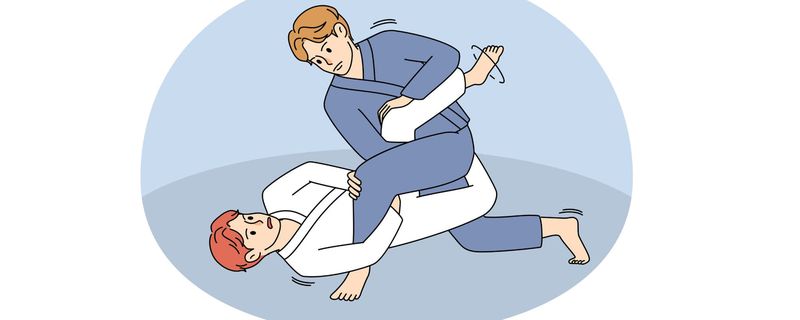
Setup #5: Knee Bar From Top Side Control
Most leg attack instructionals start in bottom position. The top side control knee bar is the one your opponent never sees coming, because by the time you have side control, his mental model says the danger is a choke or an arm. Slide your knee across his belt line, step your far foot back to base, and reach down to scoop the leg furthest from his head. As you fall back into north-south orientation, his femur ends up trapped along your chest and his ankle pinned at your shoulder.
The risk is that you cross his hip line and give up the position if the bar does not finish. Most pros mitigate this by chaining the attempt with a transition to the back if the defender frames hard and rolls. The setup looks aggressive on paper, but the math favors the attacker: every second of his defense costs him a percentage point of his guard retention.
Setup #6: Knee Bar Off the Imanari Roll Hand-Off
The Imanari roll is the most feared leg lock entry in no-gi, but in 2026 the standard defense at brown belt and above is to flatten the back hip, pull the heel safe, and turn the position into a 50/50 scramble. That defense closes the heel hook door. It does not close the knee bar door.
When his back hip drops and he flattens out, switch your hips toward his trapped foot and catch the ankle. The Imanari entry has already isolated his leg for you, and the knee bar finishes with no transition through 50/50. Our breakdown of the Imanari roll setup covers the entry mechanics in detail. The knee bar is the natural Plan B when the heel is hidden.

Setup #7: Knee Bar From Reverse De La Riva
Reverse De La Riva is usually treated as a sweep and back take position, but it is also a knee bar launchpad your training partner is almost certainly not drilling defenses for. From RDLR, kick out his base leg with your top foot while gripping his pant cuff in gi or his ankle in no-gi. As he falls or posts, swing your hips through, fall back, and bar the same leg.
The finish requires faster hip rotation than the half guard version because his free leg is mobile and he can post to base out. If you do not catch the position within two seconds of his fall, transition to ankle picks or a single leg takedown. The knee bar from RDLR is a low-percentage finish at high level, but it is a high-percentage forcing function. He either taps or he gives you the takedown.
IBJJF, ADCC, and ONE Championship Knee Bar Rules
The knee bar is legal at brown belt and above in IBJJF rules, both gi and no-gi. It is illegal at white, blue, and purple belt, with disqualification if the referee believes the attempt was intentional. ADCC allows the knee bar at every level for adult competitors and treats it the same as any other submission. ONE Championship’s submission grappling rules also permit knee bars across all weight classes with no belt restriction.
The practical takeaway: if you are a blue or purple belt in IBJJF no-gi, you cannot hunt this submission in competition. You can drill it. You should drill it. But the competition application waits until brown. ADCC and ONE both let lower-level competitors finish with it, which is one reason the submission is showing up earlier in trials brackets than in IBJJF Worlds. For comparison, see our ankle lock rules breakdown — ankle locks are legal at every belt and serve as the legal proxy for lower-belt leg attacks.

Defending the Knee Bar in a Live Round
Defense starts before the bar is even applied. Once your training partner isolates one leg and his hips start to rotate toward your foot, you have about a second to act. The boot escape that works for heel hooks does not work here, because the bar finishes on the joint, not the rotation. The defense that does work is the hip-extend and roll.
Drive your hips into his chest as he falls back, which removes the angle the bar needs. As his grip resets, roll toward your trapped knee, not away from it. Rolling away puts the bar deeper. Rolling toward him collapses the angle and gives you a path back to your knees or into a guard recovery. Almost no white or blue belt drills this. Almost every brown belt should.
Where the Knee Bar Lives in Your No-Gi Game
The knee bar is not your primary submission. It is the move you train so that when your heel hook gets defended, when your ankle lock loses the toe, when your Imanari roll lands in a flat scramble, you have a finish that does not require you to start over. It is the third step in a chain, not the first.
If you walk away from this article with one thing, make it the half guard entry and the foot pin. Those two details turn the knee bar from a flashy attempt into a tap that hits at brown belt against people who have drilled leg lock defense for five years. The next time your training partner buries his heel and thinks the attack is over, switch your hips and bar the knee. He is not ready for it. Almost nobody is. And that is exactly why it works.

Sources
- Craig Jones BJJ Heroes profile — competitive record, ADCC medals, leg lock system development.
- BJJ Fanatics: Knee Bar BJJ guide — instructional reference, mechanics, and high-percentage entries.
- Evolve Daily: Kneebar Explained — finishing details and joint mechanics.
- IBJJF rule book — knee bar legality by belt rank in gi and no-gi competition.
- ADCC Official — submission grappling rule set and championship results.
Browse our top-rated rashguards and no-gi gear at the RashguardGuy shop →