No-Gi Ear Guards: What a Full Year of Consistent Protection Actually Teaches You
Most no-gi grapplers who try ear guards quit too early. Here’s what a full year of consistent protection actually teaches you about your game.

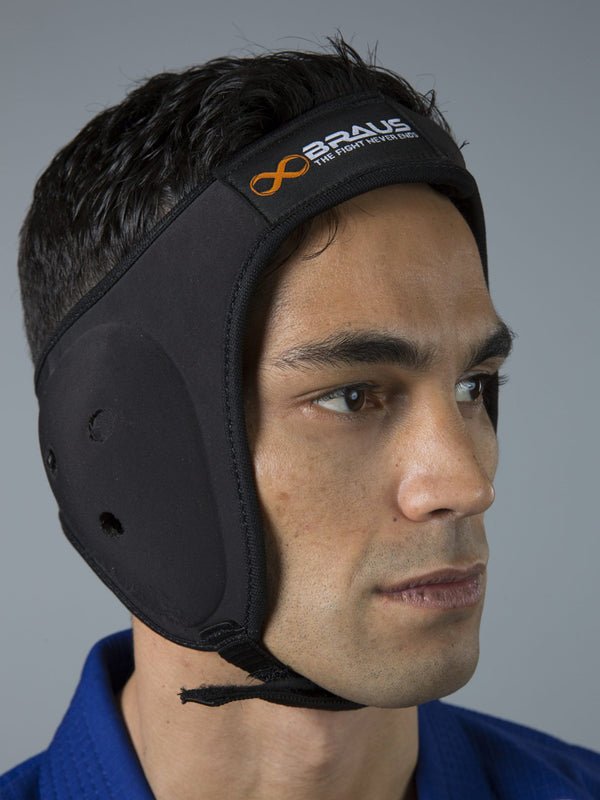
Most no-gi grapplers who try ear guards quit too early. Here’s what a full year of consistent protection actually teaches you about your game.
Most no-gi grapplers don’t think about ear protection until damage has already started. Understanding how contact accumulates with training volume tells you exactly when ear guards stop being optional.

Quick Answer: Guard pulling in no-gi requires wrist control and frame-based entries rather than lapel grips. The three most reliable entries are the 2-on-1 to butterfly guard, the arm drag to x-guard, and the Russian tie to deep half guard. Without gi fabric to hold, timing and distance management matter far more than in gi…
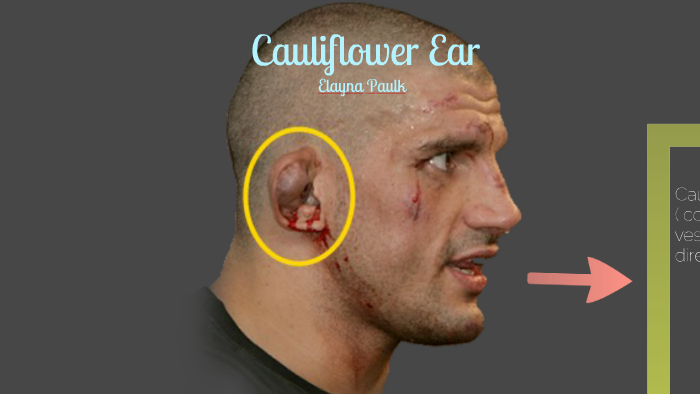
Not every no-gi position carries the same cauliflower ear risk. This guide breaks down where ear damage accumulates fastest, why certain grappling exchanges are more destructive than others, and how consistent ear guard use fits into a real prevention approach.
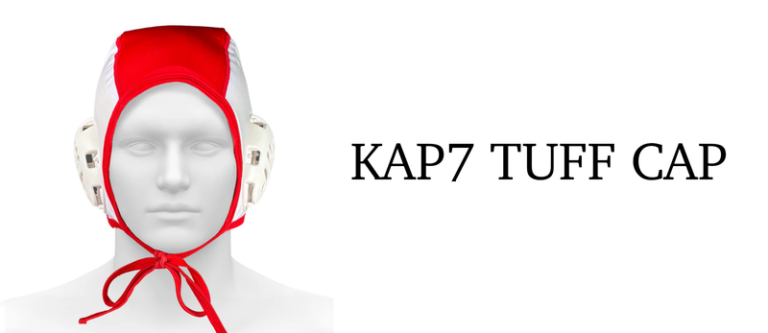
Ear guards don’t just protect you — they change how your head feels, how you read pressure, and how you move through scrambles. Here’s what the adaptation actually looks like.
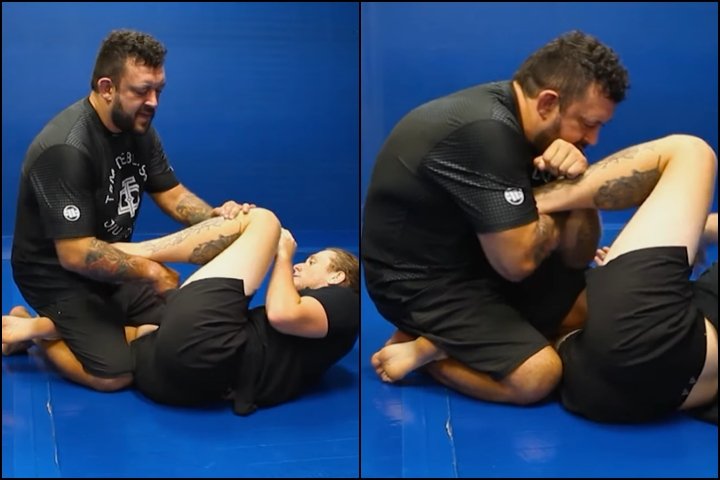
Quick Answer: The estima lock is a no-gi footlock that attacks the ankle and foot by trapping your opponent’s foot against your body and falling backward while applying torque to the joint. Unlike a traditional toe hold, you don’t chase the foot — you let your opponent bring it to you during a guard pass…
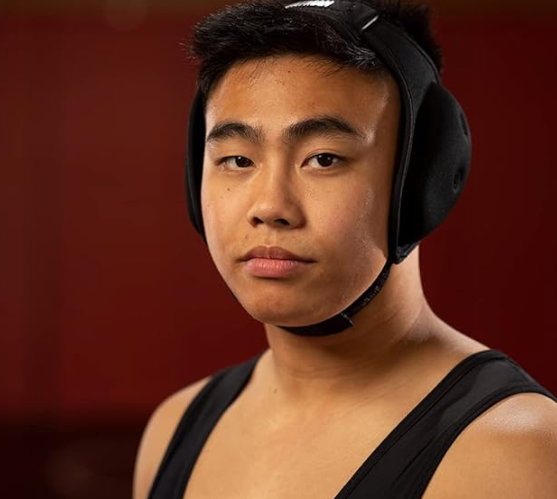
Most grapplers focus on fit and retention but ignore what happens to ear guards between sessions. Here’s what no-gi training does to your gear and how maintenance determines how long it actually protects you.
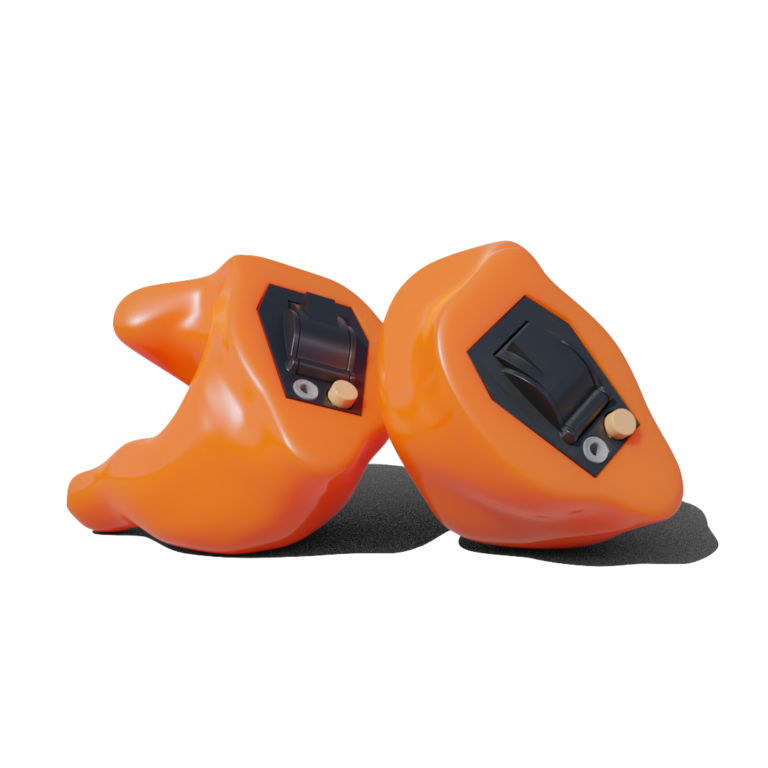
Most grapplers choose ear guards by brand and skip the fitting process entirely. Here is how to size them correctly, position the ear cups, set the chin strap, and break them in so they actually prevent cauliflower ear in no-gi training.

Most ear guard articles address prevention. This guide covers what happens after the damage starts — how ear guards function on already-injured tissue, what changes when you drain, and how no-gi practitioners manage cauliflower ear long-term.

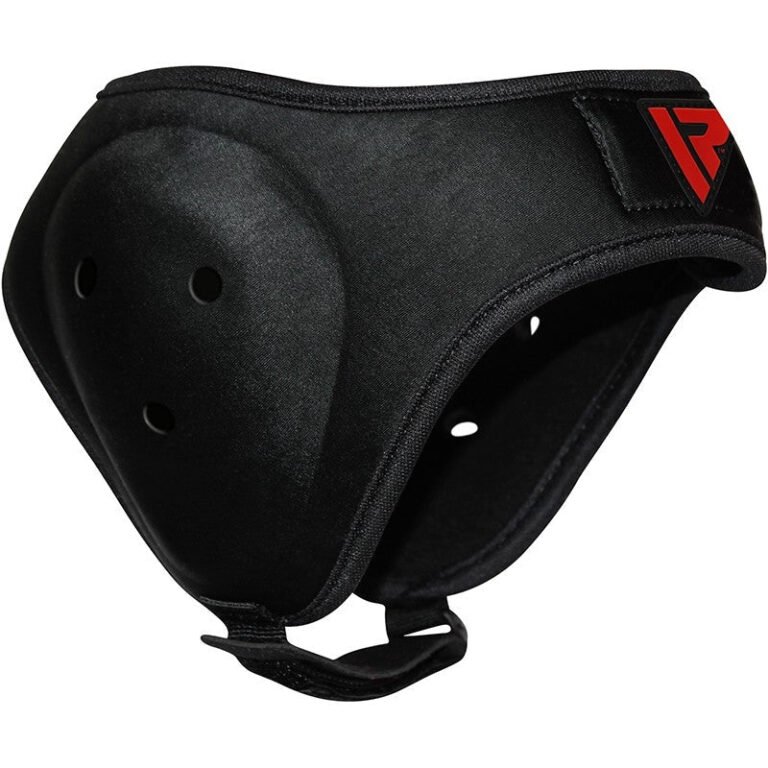
Not all ear guards survive live no-gi training. A close look at cup design, strap systems, fit geometry, and grappling style — so you know what to look for before the first roll.
Cauliflower ear develops through a specific biological process most grapplers never fully understand. This is what actually happens inside the ear during no-gi training — and exactly how ear guards interrupt the damage cycle before it becomes permanent.
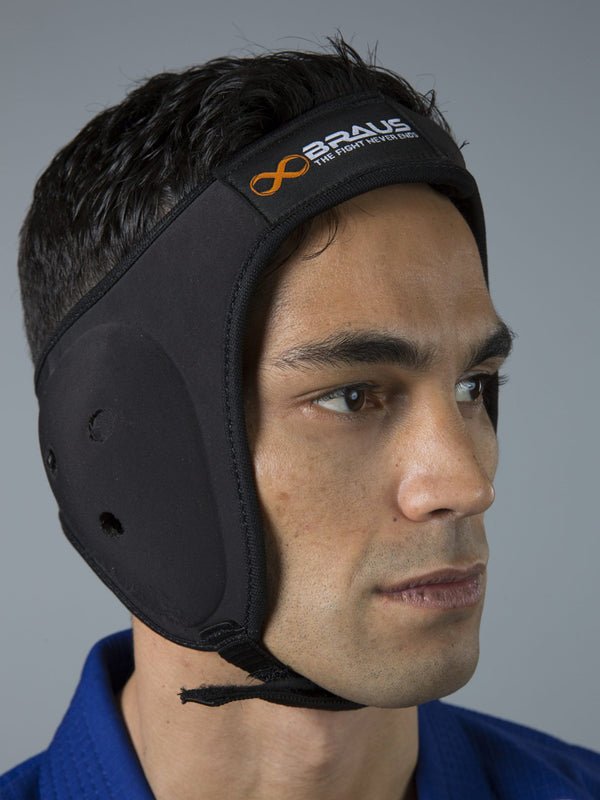
Cauliflower ear builds session by session before most grapplers notice it. Here is how ear guards work in no-gi training, why the culture pushes athletes to wait too long, and what to look for in protection built for grappling.