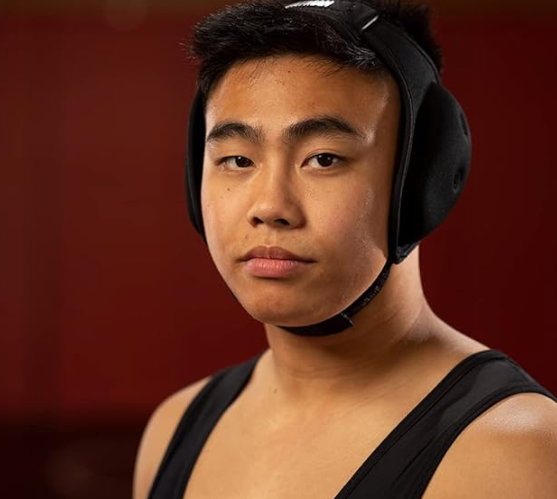
Ear Guard Maintenance in No-Gi Grappling: Cleaning, Degradation, and When to Replace
Grapplers spend real time researching which ear guards fit, which strap systems hold through scrambles, and which shell materials balance protection with bulk. The maintenance question — what you do with the gear between sessions — gets almost no attention. That’s a mistake, and one that compounds quietly over months.
Ear guards that aren’t maintained lose their protective capacity before they look visibly worn. The strap that felt secure six months ago now slips during live rolling not because you bought the wrong gear, but because no-gi training conditions degrade silicone and rubber on a predictable timeline that cleaning and storage habits can either accelerate or slow down significantly.
What No-Gi Training Does to Ear Guard Material
No-gi grappling creates conditions that are genuinely hard on ear guard materials. The combination of body heat, sustained contact pressure, and sweat exposure is more intense than most people appreciate when they’re first getting into ear protection. Wrestling — where ear guards have a longer history — involves similar exposure, but no-gi grappling often means longer rounds, more body-to-body contact, and sessions that push into high aerobic output for extended durations.
The two main points of failure are the strap system and the foam padding inside the shell cups. Straps made from silicone — common on competition-grade ear guards — are durable, but silicone degrades when it’s regularly exposed to certain soaps, prolonged UV exposure, and the salt content of dried sweat. Rubber-based straps break down faster under sustained heat and repeated flexion. Neither material fails immediately, but both are operating on a timeline that maintenance either extends or shortens.
The foam inside the cups compresses with use. This is expected — absorbing impact means force transfers into the foam rather than into the ear cartilage. But foam that has been heavily compressed without adequate drying time loses its recovery ability incrementally. Wet foam stays compressed longer, and gear stored inside a bag still damp from training comes out the next session with measurably less cushion than it went in with. Repeated cycles of this pattern permanently reduce the foam’s protective capacity.
Cleaning Protocols That Actually Preserve the Gear
The most effective maintenance habit is the simplest one: rinse the ear guards immediately after every session. Running water removes sweat salts and mat bacteria before they have time to dry into the foam and strap material. This doesn’t require any cleaning agent at this stage — the rinse alone disrupts most of the biological content that accumulates during training and prevents the salt crystallization that stiffens strap material over time.
The Post-Session Rinse
Cold water is better than hot for rinsing ear guards. Hot water accelerates silicone and rubber degradation and can warp the plastic shell on certain models. A thorough cold rinse of the outer surface, the strap system, and the interior of the cups handles post-session care adequately. The goal at this stage is salt and surface debris removal — not sterilization.
After rinsing, shake out excess water and set the ear guards on a clean, flat surface to air dry before storage. Not back into the bag — out in open air. This one step, applied consistently, extends strap life and reduces the bacterial buildup that accumulates over weeks of compressed wet storage.
The Weekly Deep Clean
Once a week — or every four to five sessions — a more thorough cleaning is worth the time. Mild antibacterial soap applied with a soft brush or cloth works well on both the shell exterior and the strap. The areas that accumulate the most biological material are the strap anchors and the inner cup surfaces — both hard to dry adequately and both in sustained skin contact during training.
Avoid soaking ear guards that have foam padding — prolonged submersion drives water into the foam core, extending drying time and potentially affecting the bond between the foam and the shell housing. A surface wash with a damp cloth is more effective than a bucket soak. After washing, allow the gear to air dry completely before storing. Ear guards placed in a bag while still damp develop mildew inside the foam that isn’t visible from the outside but is responsible for the characteristic stale smell most grapplers have encountered in gear they thought was clean.
Harsh disinfectants — bleach solutions, high-concentration isopropyl alcohol — are not the right tool for regular ear guard maintenance. They’re effective against bacteria but they accelerate breakdown in silicone, rubber, and the adhesives that bond foam to shell. A mild antibacterial soap or a diluted sports equipment cleaning spray handles regular cleaning without shortening the gear’s lifespan.
The Hygiene Reality in Close-Contact Training
Grappling gyms are documented environments for skin-to-skin pathogen transmission. Staphylococcus aureus — including drug-resistant strains — circulates in close-contact sports environments, and the mat surface isn’t the only transmission vector. Gear with direct skin contact that isn’t cleaned properly becomes a carrier between sessions, reintroducing what was on the mat back to the face and scalp when the gear goes back on.
Ear guards sit directly against the side of the head, close to the ear canal and the jaw line — areas where skin is thin and prone to minor abrasions from friction during training. The proximity of unclean gear to these areas during subsequent sessions creates a hygiene risk that athletes at high competition levels take seriously for practical reasons, not aesthetic ones.
Rashguards and shorts can be machine-washed after every session. Ear guards require manual cleaning, which is probably why the habit is less consistent. But the consequence of skipping ear guard hygiene is more direct — the gear is in sustained contact with the face and scalp, not just the torso, and the ear canal proximity makes skin infections around the ear particularly difficult to manage once established.
Storage Conditions That Don’t Accelerate Breakdown
Where and how ear guards are stored between sessions matters considerably. The inside of a gear bag is one of the worst environments — minimal airflow, residual moisture from other training gear, and temperature extremes when the bag sits in a car. Compressed storage deforms the shell and strap system over time, particularly when the ear guards are sandwiched under heavier items.
The best storage is flat, open-air, and out of direct sunlight. UV exposure degrades silicone and certain shell plastics faster than most grapplers expect, especially in warm climates or gear left near a window. A shelf in a gear room or a ventilated locker accomplishes what matters — dry, not compressed, no UV, and room temperature.
Grapplers who pack gear for seminars or competitions often store ear guards compressed inside shoes or at the bottom of a bag for convenience. Unpacking and allowing the gear to air out immediately upon arrival — rather than leaving it compressed overnight — makes a genuine difference to strap recovery and prevents the mildew cycle that starts within hours of sustained damp compression.
Reading the Gear for Real Wear
Functional tests are more reliable than visual inspection for assessing ear guard condition. The strap elasticity test is straightforward: hold the ear guard in position and stretch each strap to its full extension, then release. A strap in good condition returns to its resting position cleanly and without delay. One approaching failure drags back slowly, or doesn’t fully recover. This single indicator tells you more about whether the strap can still hold the shell in position during live rolling than any visual assessment of discoloration or surface wear.
Shell and Foam Indicators
Shell cracks are obvious failure points, but shell warping is subtler and more significant. An ear guard shell that no longer sits flush against the side of the head — that rocks or sits at an angle even when correctly adjusted — has warped enough that its protective geometry has changed. The cup is designed to distribute impact across a surface area; a warped cup concentrates force in ways it wasn’t designed to handle.
Foam degradation is assessed by pressing into the cup with a thumb and watching recovery time. Fresh foam recovers in under a second. Foam that takes two to three seconds to return has lost significant elasticity. Foam that doesn’t fully recover — that shows a persistent impression after the pressure is removed — is no longer performing at the level it was designed for. A visual inspection won’t catch this; the foam can look intact while having lost most of its functional cushioning.
Strap discoloration — yellowing or dark staining that persists after washing — is a lag indicator. It marks mineral and biological deposit buildup that has penetrated the surface layer of the material. Straps in this condition are typically past the point where cleaning meaningfully affects function. The discoloration becomes visible weeks after the structural degradation has already begun, which is why the elasticity test matters more than surface appearance.
The Replacement Decision
Most ear guards from established manufacturers come with straps that can be replaced independently of the shell, which extends the functional life of the gear considerably. If the shell and foam are intact but the strap system has failed the elasticity test, sourcing replacement straps from the manufacturer is the practical call — it’s substantially cheaper than full replacement and keeps functional protective equipment in service.
When both the strap and foam have degraded, full replacement makes more sense than partial repair. Attempting to rehabilitate compressed foam by leaving gear in the sun or applying heat almost never works and typically accelerates the material’s failure. At that stage, new gear is the correct answer.
A realistic lifespan for ear guards used in regular no-gi training — assuming consistent post-session rinsing, weekly cleaning, and proper storage — is twelve to twenty-four months of reliable protection. Grapplers who skip maintenance consistently see functional failure inside six months. The difference is entirely in the post-session habits, not in the quality of the gear they purchased. Protection that doesn’t stay positioned, cushion that doesn’t recover, and a strap that doesn’t hold tension isn’t ear protection — it’s the appearance of it.
Sources
Image credit: absolutemma.com