Rear Naked Choke No-Gi: 7 Keys to Lock In the Finish
Of the 910 rear naked choke submissions tracked in competitive grappling between 2017 and 2026, 79% happened in no-gi — more than any other submission format by a wide margin, according to Digitsu’s competition database. Dante Leon, who leads all active grapplers with 24 RNC finishes, puts it plainly: “My favorite move is constantly changing but it’s no secret I love to take the back and finish, rear naked choke being my biggest weapon from the back.” For anyone who trains without the gi, this is the submission worth understanding completely.
The Position Before the Rear Naked Choke
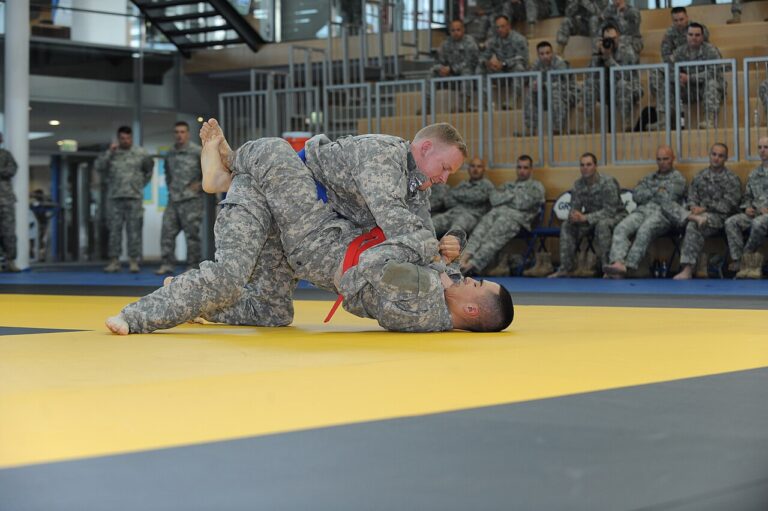
Back mount without a seat belt is not back mount — it’s a scramble waiting to happen. Before any discussion of the choke itself, the control position has to be airtight. The seat belt grip — one arm over the shoulder, one under the armpit, hands clasped at the sternum — is what separates finishing from stalling.
In no-gi, the seat belt is harder to maintain than in the gi because there’s nothing to grab. Your top arm digs into the crook of the shoulder, your bottom arm wraps tight under the armpit. Both arms pull down and into your chest. This pressure keeps your opponent from creating space to turn in. Without it, the choke reach exposes your top position and they escape.
Nick Rodriguez, who has 17 of his 25 submission wins by rear naked choke, builds the entire system around maintaining this grip before attempting anything else. The seat belt is the position. The RNC is the reward for holding it.
Key 1: Seat Belt First — Every Time
The mistake that kills more rear naked choke attempts than anything else is reaching for the choke before establishing the seat belt. It’s tempting. You just took the back, you’re riding adrenaline, and the choke feels close. But the moment you reach, your base opens, and a good no-gi grappler will exploit that in under a second.
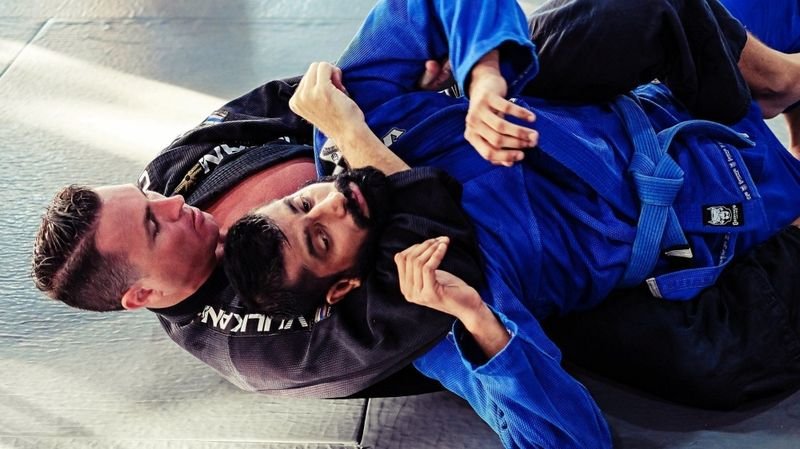
Get the seat belt locked, feel your weight sink into their back, then — and only then — begin working for the choke arm. Marcelo Garcia, who finished 30% of his 56 recorded submission wins with the RNC, was famous for attacking the choke in the first seconds of back exposure precisely because he built the seat belt so fast it felt automatic. Train the control reflex before you train the finish.
Key 2: Getting Your Arm Under the Chin
The choking arm has to go under the chin. That sounds obvious, but in live no-gi rolling with sweat and active defense, the chin tucks down and forward, and grapplers end up choking the jaw or the neck muscles instead of the carotid artery. That’s a pain choke, not a blood choke. Pain chokes are unreliable — a tough opponent will hold out. Blood chokes work on everyone.
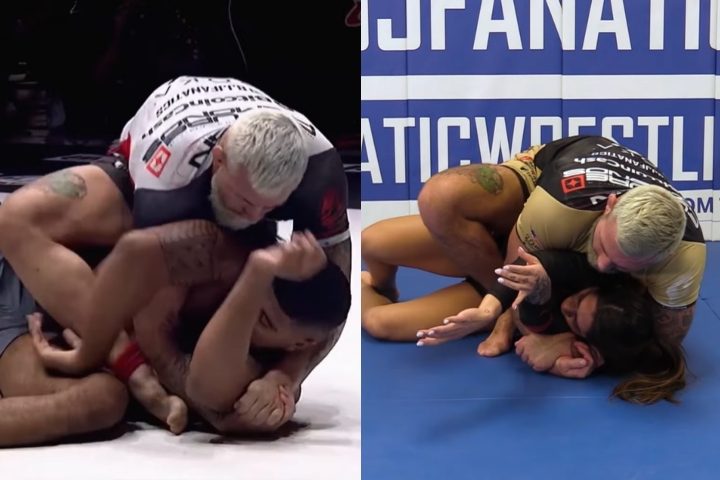
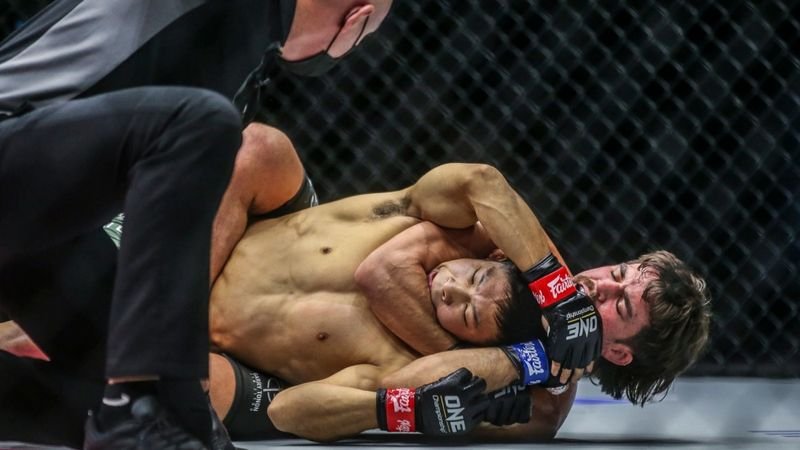
The entry: from seat belt, your over-the-shoulder arm drives forward along the side of their neck. You’re not muscling it — you’re using their head position. When they resist by pulling their chin down, lift your elbow slightly to raise their head, then slide your arm underneath. The chin comes up for just a moment. That moment is your window.
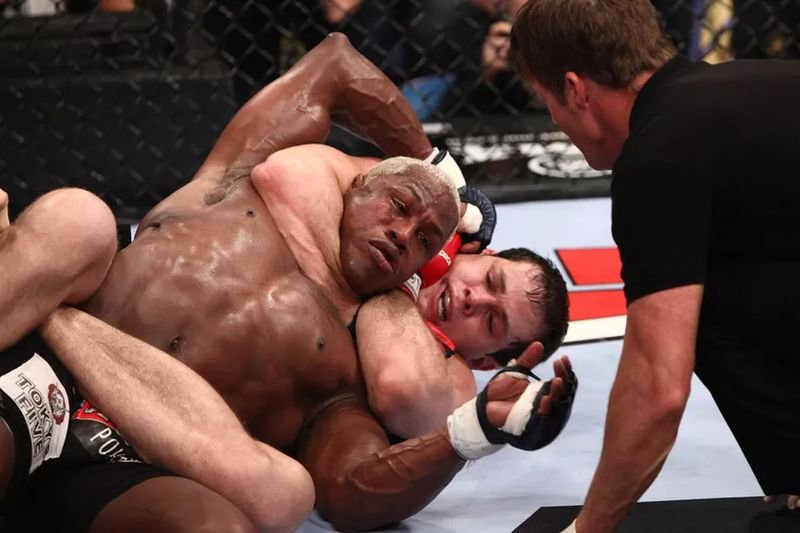
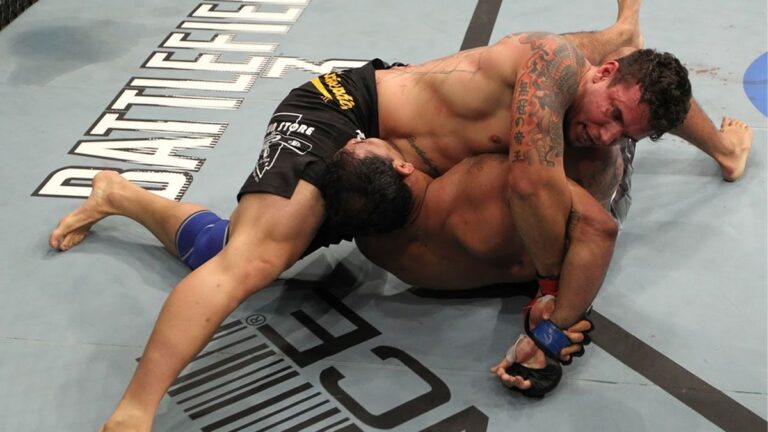
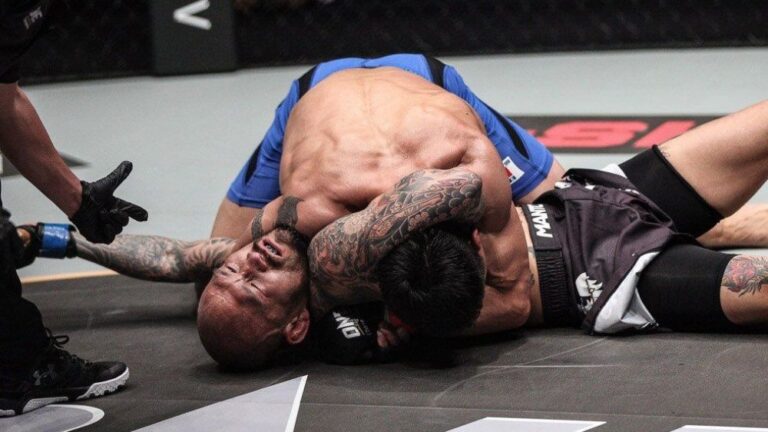
Roger Gracie — arguably the most technically precise BJJ competitor in history — built his entire finishing game around getting the arm exactly under the chin before squeezing. The photo above shows the standard: arm deep, throat clear, pressure on the carotid.
Key 3: Blade vs. Bicep — What’s Actually Pressing
Once the arm is under the chin, the detail that separates a finishing choke from a stalling choke is what part of your forearm presses against the carotid artery. The blade of the wrist — the bony inner edge — creates direct pressure on the artery. The bicep, when you curl your arm, adds secondary pressure from the other side.
The finishing position: choking arm bent, blade pressing carotid, hand touching your own shoulder or your opponent’s neck. Then the free hand comes behind the opponent’s head to push it forward into the choke. The squeeze happens when you flatten your elbows toward each other while pulling the opponent’s head down with the second hand.
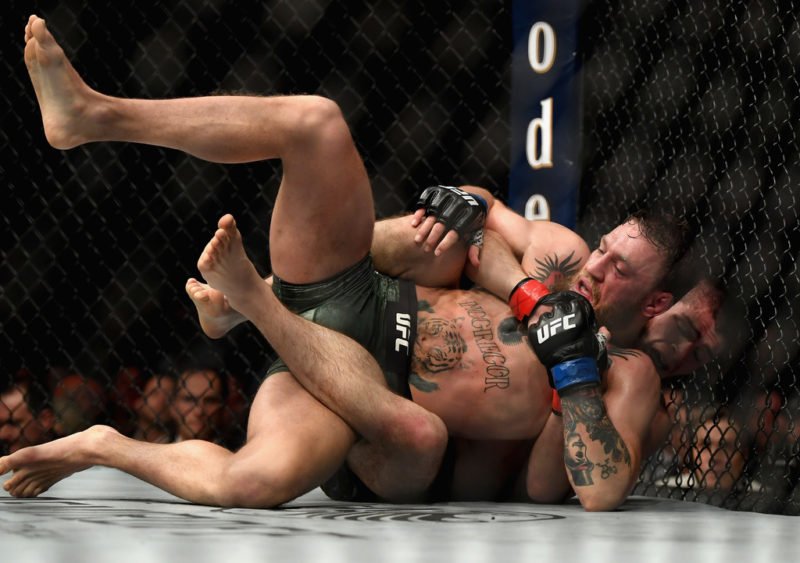
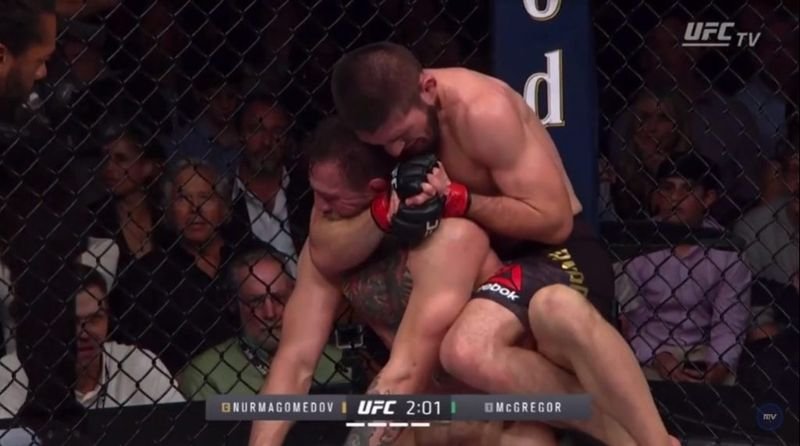
Khabib Nurmagomedov’s submission of Conor McGregor at UFC 229 illustrated a variation: Khabib’s choking arm was positioned more over the chin than under it. The choke still finished because the neck pressure and positional control were overwhelming — but the cleaner finish comes from the blade under the chin. Joe Rogan noted on commentary that Khabib submitted McGregor without a textbook arm position, which is remarkable, but it reflects how dominant his control was rather than a preferred technique to copy.[1]
Key 4: Body Triangle or Hooks — When to Use Each
Your lower body has two options for controlling the opponent’s hips: feet hooks inside their legs, or a body triangle wrapping around the waist. Neither is universally better. The choice depends on the opponent’s build and what they’re doing.
Hooks work well for movement — when the opponent is rolling, turtling, or scrambling, hooks allow you to follow the motion. You can switch from left-side to right-side back control without losing position. For longer-legged grapplers, hooks also provide more hip control because they dig deeper into the thighs.
The body triangle works best against stocky, flexible opponents who pop their hooks out. Lock the triangle around their waist — one knee behind the other — and they cannot free their hips the same way. The tradeoff is reduced mobility. If they roll into you, repositioning takes longer.
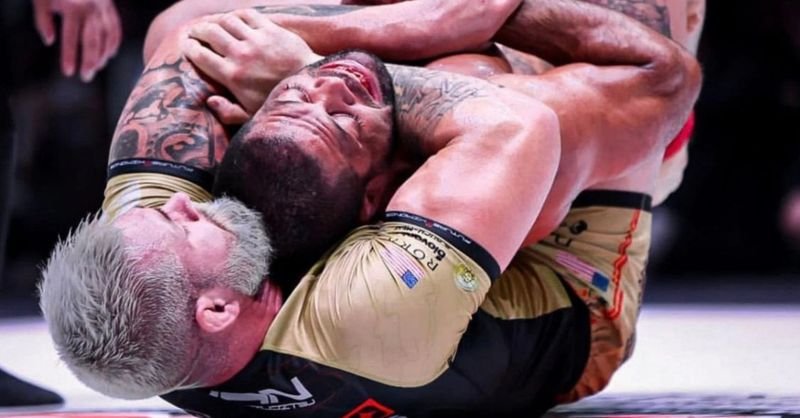
In competition at ADCC 2022, Gordon Ryan held Andre Galvao in body triangle control while working the choke arm — the lock gave him stable pressure that Galvao’s famous flexibility couldn’t escape.[2]
Key 5: Finishing from Movement in No-Gi
The back isn’t always a static position. In no-gi grappling, you take the back during scrambles, after sprawls, from guard passes gone wrong, and through arm drags. Most of those dynamic situations don’t give you time to set your position before finishing. The RNC has to work in motion.
Marcelo Garcia’s approach was built for this. He took the back via arm drag — from butterfly guard, from seated, from standing — and attacked the choke before the opponent could orient. He described it as attacking “in the first seconds of back exposure,” before the opponent understands what’s happening. That window is wide open in no-gi because there are no collar grips to slow the entry.[3]
When you take the back from a sprawl or a scramble, prioritize getting one hook and the seat belt simultaneously. You don’t need both hooks to finish. Many RNC submissions in competition happen with one hook and one leg flattening the opponent into the mat. The choke works if the arm is under the chin and the grip is locked — the lower body position is secondary to the arm mechanics.
Key 6: Back Control Without the Gi — Grip Security
Sweat changes everything in no-gi. The seat belt that felt locked in drilling slips during live rolling because bodies are slick. Three adjustments help:
- Anchor your top arm higher. Instead of gripping at the sternum, anchor the top arm just below the collarbone. The shoulder joint is harder to rotate away from than the chest.
- Squeeze your elbows in. Don’t just grab — compress your arms toward each other. This creates friction across the back that doesn’t depend on grip strength alone.
- Use your chin. Pressing your chin into the back of the opponent’s neck adds another contact point that stabilizes the position when hands start sliding.
For the back control position itself, the full mechanics of getting there and maintaining it under pressure are worth studying separately — the choke finish is useless if you can’t hold the position long enough to apply it.
Key 7: When They’re Fighting Your Hands
Late-stage RNC defense — when the opponent grabs your choking wrist with both hands and tries to peel it away — is where most grapplers stall. The answer is not to muscle through it. Muscling against two hands on one wrist is how you gas out on the back.
Instead: stop pulling. When they grab the wrist and focus both hands there, your free hand is no longer pinned. Use it to push the back of their head forward. That increases choke pressure without requiring more arm strength, and it forces them to release one hand to defend the neck. The moment one hand releases, swim the choking arm deeper and squeeze.
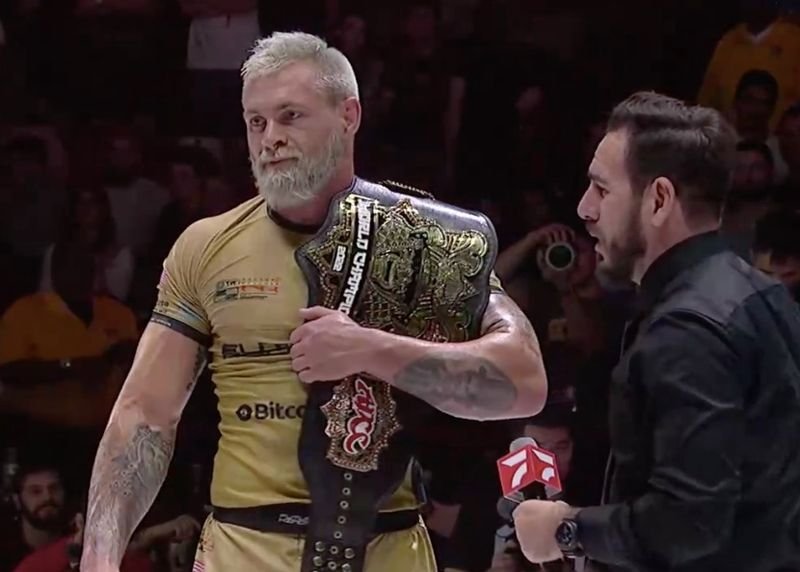
This is the same principle Gordon Ryan uses — minimal force, maximum leverage. The position does the work. Your job is to remove the slack. When they fight one part of the choke, something else opens up.
The RNC in No-Gi: What the Stats Reveal
Dante Leon’s 24 RNC finishes lead all grapplers in Digitsu’s database. Behind him: João Miyao with 16, Nick Rodriguez and Andrew Tackett with 14 each, Roberto Jimenez and Marcelo Garcia with 13. Every name on that list has a back-take system that delivers the position — the RNC is the reward at the end of a reliable sequence, not a standalone technique.[4]
That’s the real lesson from the data. The technique itself is simple. The grip mechanics can be learned in one session. What builds a 24-submission RNC record is having three or four reliable entries that land you on the back consistently. The choke closes the loop. The system starts earlier.
Defending the Rear Naked Choke in No-Gi
Three defenses that work at the competition level, in order of when to apply them:
Early defense — deny the seat belt. When someone takes your back, your first job is preventing the seat belt. Reach back and underhook their top arm before they can clasp. Driving your elbow into their forearm and pressing their arm outward limits their control before the choke arm can reach.
Mid-stage — chin tuck and shoulder shrug. Once the seat belt is set, tuck your chin hard into your chest and shrug your shoulder toward your ear on the choking side. This reduces the space the arm can get under. It doesn’t stop a determined opponent forever, but it buys time to work other escapes — rolling to guard, clearing the hook, spinning into front headlock territory. Pairing this with an early high elbow guillotine counter can be effective if you catch the scramble early.
Late defense — two-hand wrist control. If the arm is under the chin and the grip is nearly set, grab the choking wrist with both hands and turn your chin into the forearm to reduce carotid pressure. The goal is not to hold this position indefinitely — it’s to survive long enough to work to your feet, turn into the opponent, or find a scramble exit.
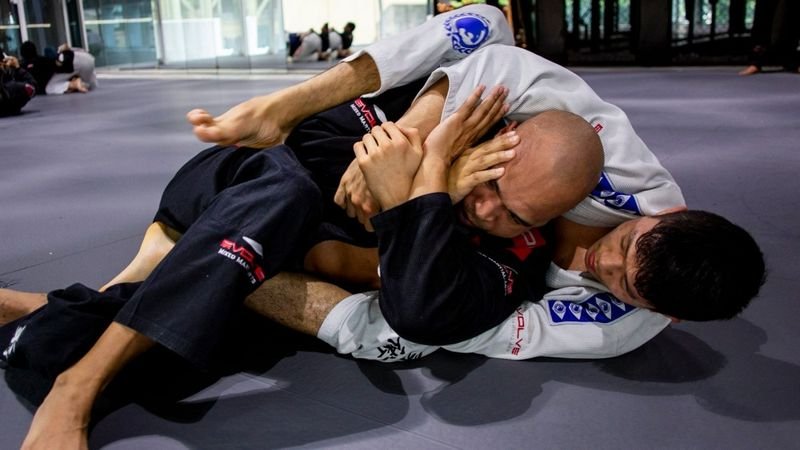
The RNC is the most common submission in no-gi grappling for a reason — from the right position with good mechanics, it’s very hard to stop. The defenses above slow it down. The real answer is not getting to the back in the first place, which puts the problem back where it belongs: on your takedown defense, guard retention, and scrambling ability before the choke ever becomes the issue.
Sources
- The Body Lock MMA — Understanding Khabib’s Rear Naked Choke Mechanics vs. McGregor — detailed breakdown of the over-chin RNC variation at UFC 229
- BJJ Eastern Europe — Gordon Ryan Wins ADCC 2022 Superfight vs. Andre Galvao — back control and RNC mechanics in the historic submission finish
- Grapplearts — 10 Key Techniques and Tactics of Marcelo Garcia — arm drag to back and early choke attack philosophy from the legend’s competitive system
- Digitsu — Rear Naked Choke Stats & Competition Database — 910 tracked submissions, 79% no-gi rate, top practitioners by finish count
- Wikipedia — Rear Naked Choke — history, anatomy, and mechanical description of the submission