Returning to No-Gi After a Break: Why Your Ears Are More Vulnerable Than You Think
Three months off the mats. Maybe it was an injury, a demanding work stretch, or life pulling you away from the gym. When you finally come back, you already know what to expect: cardio shot, technique rusty, body sore in ways it forgot about. What almost nobody thinks about — and what gear articles rarely address — is the ear. Specifically, why the first weeks back represent a peak window of risk for the kind of ear damage that ear guards exist to prevent.
The assumption most returning grapplers carry is that their ears were fine before the break, so they will be fine now. That reasoning makes intuitive sense but misses what actually happens to ear tissue during extended time away from grappling, and why re-entry into no-gi training carries a risk profile that looks different from the steady background risk of continuous training.
Why the First Weeks Back Create an Elevated Risk Window
Ear damage in no-gi grappling follows a consistent mechanical pathway. Friction or sustained pressure against the outer ear creates shear forces between the skin and the underlying cartilage, which tears small blood vessels in the perichondrium — the thin, vascular membrane that wraps the cartilage and keeps it alive. Blood pools in that space. Without prompt intervention, the hematoma organizes and calcifies into the deformed shape known as cauliflower ear.
What that pathway depends on is the condition of the tissue before friction occurs. Ear tissue, like most connective tissue in the body, adapts to the demands placed on it over time. Consistent grappling creates a kind of low-level conditioning in and around the ear. The surrounding tissue, skin, and perichondrium develop a tolerance to the repetitive friction common in no-gi positions. It does not make the ear immune to damage, but it changes the threshold at which damage becomes likely under a given level of pressure or contact.
When you step away from training for weeks or months, that adaptation diminishes. The tissue de-conditions in the same way cardiovascular fitness or flexibility diminishes during a layoff. When you come back, your ears are closer in risk profile to those of someone who has never trained than to the ears of the experienced grappler you were when you left.
The Perichondrium Under Pressure: What Time Off Actually Changes
The perichondrium gets mentioned often in discussions of cauliflower ear biology, but the specifics of what makes it vulnerable — and why that vulnerability fluctuates — rarely receive full treatment. During active grappling, repeated low-level stress to ear tissue triggers adaptive responses similar to those seen in tendons and ligaments under repetitive mechanical load. Circulation in the area remains elevated. Minor microtraumas resolve quickly because the tissue environment supports rapid cellular turnover and repair.
During extended rest periods, that adaptive state winds down. Circulation to the ear normalizes around lower baseline demands. The tissue environment becomes less primed for rapid repair of acute trauma. When grappling resumes, the same frictional forces that the adapted ear tissue handled without significant consequence can now produce hematomas that a conditioned grappler mid-training-block would have been less susceptible to.
Intensity Does Not Determine Risk — Contact Does
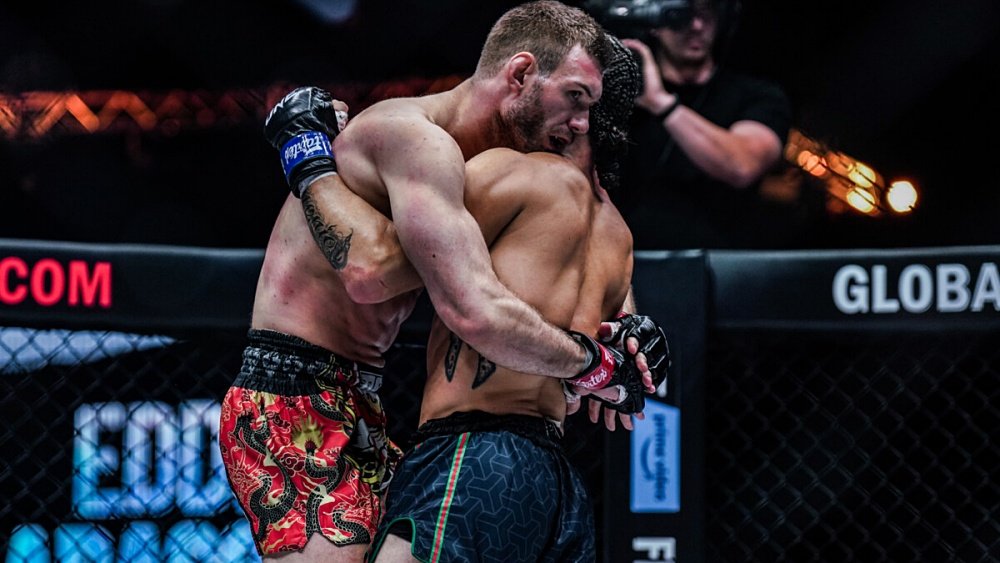
This is where the returning grappler’s intuition most often fails. The assumption is that lower-intensity sessions mean lower ear risk. But hematoma formation is not principally about the force of impact — it is about the mechanics of friction, shear, and the condition of the tissue experiencing them. A slow, technical round where your head spends extended time pressed against a partner’s ribcage or locked in a tight overhook can create exactly the sustained friction that damages the perichondrium. The grappler returning from a break, rolling at 60 percent with familiar training partners, is not in a low-risk scenario just because the pace feels manageable.
The Returning Grappler’s Reasoning — and Where It Breaks Down
Ask a returning grappler why they are not wearing ear guards on their first sessions back and the answers cluster around a few common threads. I have never had issues before. We are just going light. I will put them on if it starts to feel like a problem. Each of these makes sense from the inside. Each one also ignores the specific dynamics of the return window.
The most common is also the most misleading: I have never had issues before. It reflects a reasonable inference — if your ears survived years of training, they will survive a few more sessions. The problem is that those years of training are precisely what made your ears resistant, and a significant break partially reverses that resistance. The track record your ears built was earned under conditions that no longer fully apply when you walk back into the gym after three months away.
We are just going light underestimates how much sustained head contact happens even in technical, low-intensity rounds. No-gi grappling is contact-dense by nature. Head position matters for nearly every entry, pass attempt, and scramble. Technical drilling is often slower but involves more repetitive sustained contact in specific positions than hard rolling does. The friction profile of a slow technical round is not necessarily gentler than a fast scramble round — it is just slower friction across more controlled positions.
I will put them on if it starts to feel like a problem misunderstands the timeline of ear damage. The acute hematoma window typically opens and closes fast — often within 48 to 72 hours of the initial injury. By the time a returning grappler notices that an ear feels swollen or hot, the damage has already occurred and the race to drain before it organizes has already started. Ear guards prevent the hematoma from forming. They cannot undo one that already has.
Building an Ear Guard Protocol for the Return Phase
A return-to-training protocol that accounts for ear vulnerability does not need to be complicated. The core principle is that ear guards go on before the first session back and stay on consistently through the initial re-adaptation period — not added reactively once a problem appears. This is the same logic behind any return-to-sport protocol: the protective measure covers the window of elevated risk before injury occurs, not after.
For grapplers who wore ear guards inconsistently before the break, the return window is a concrete opportunity to establish a more consistent habit. The heightened risk during the first weeks back gives the habit a clear rationale that is easy to connect to real physiology. The goal is not necessarily to wear ear guards in every session indefinitely unless that is what you want — it is to cover the specific elevated-risk period while ear tissue re-adapts to training demands, and to use that period to build the habit of reaching for them automatically.
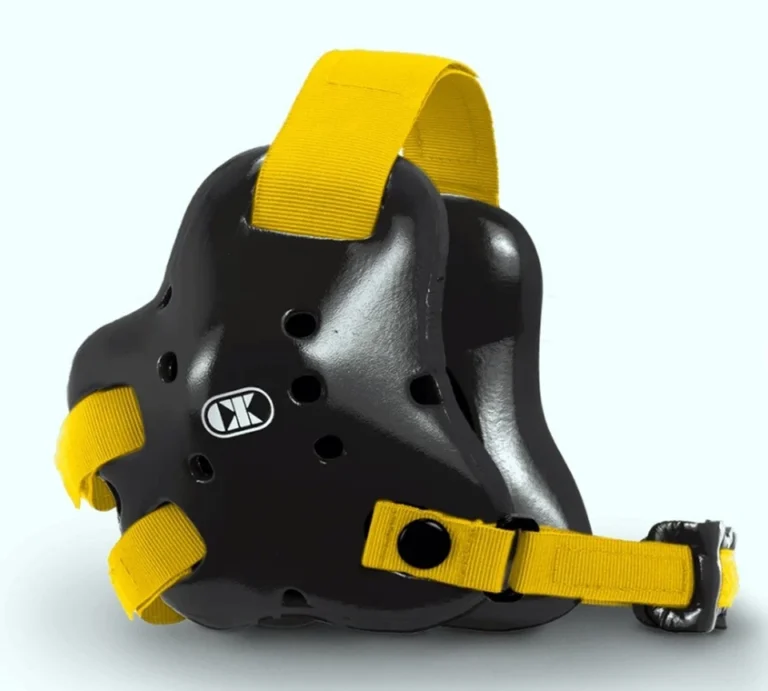
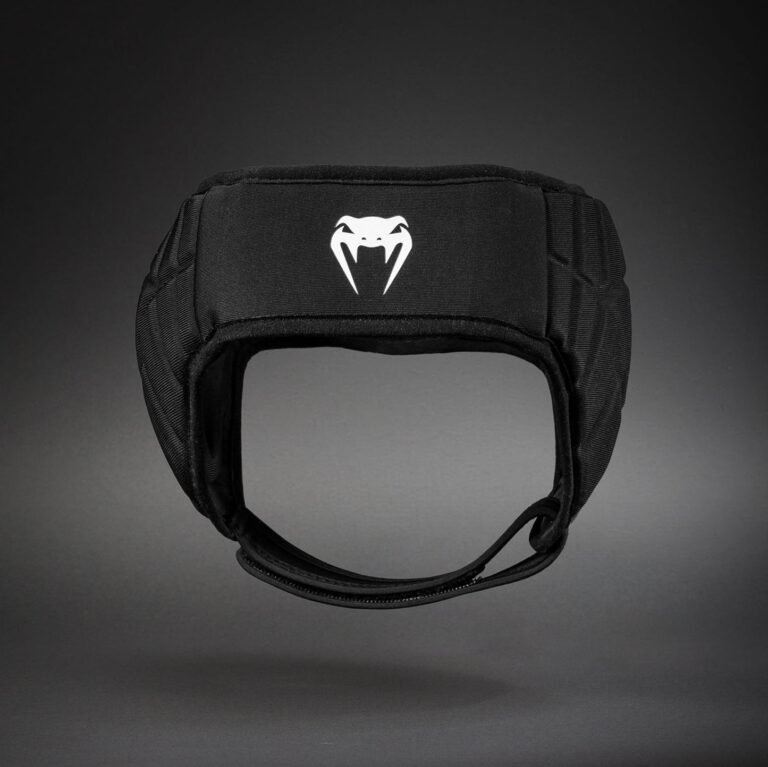
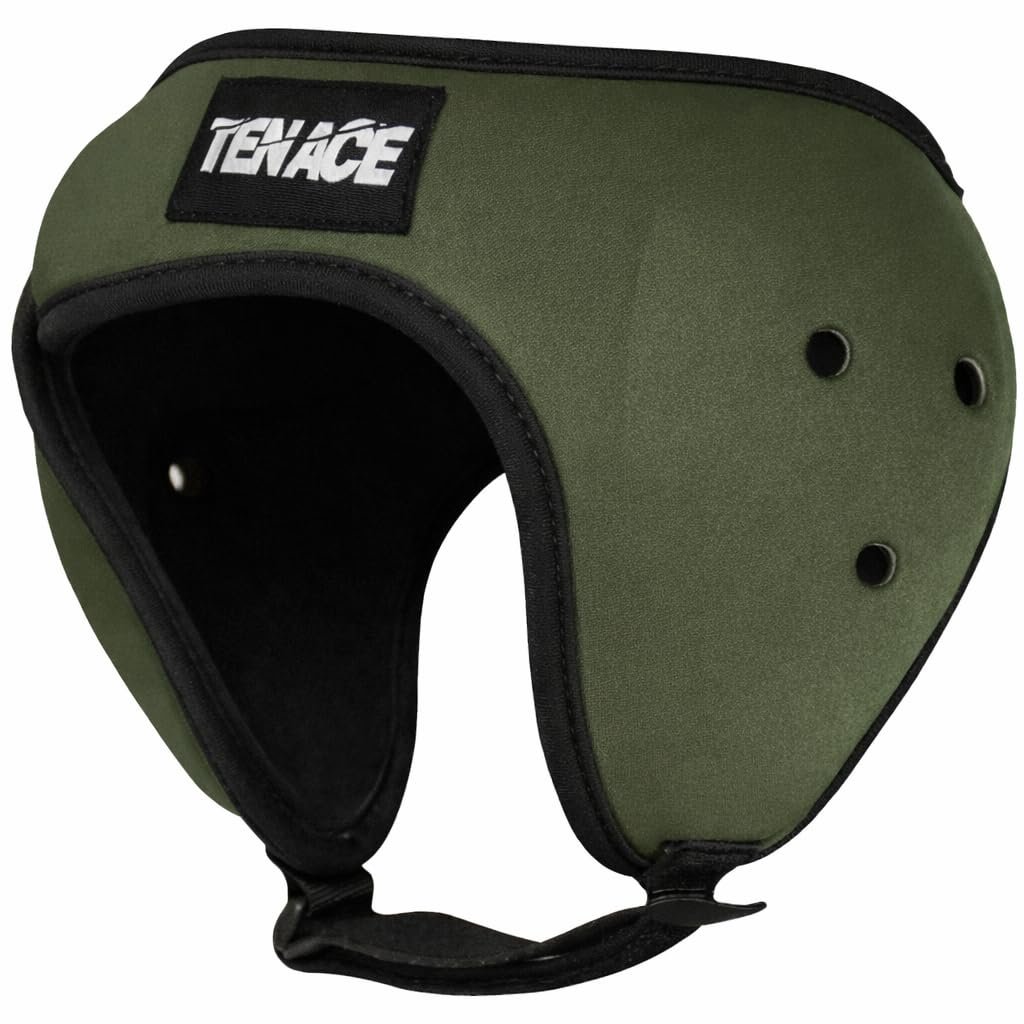
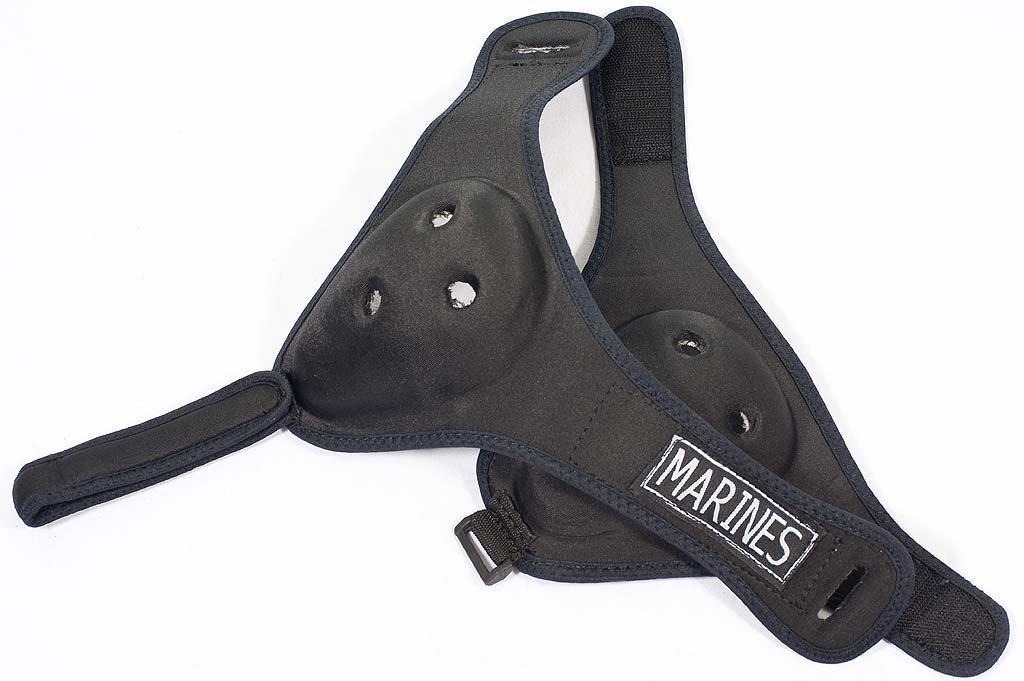
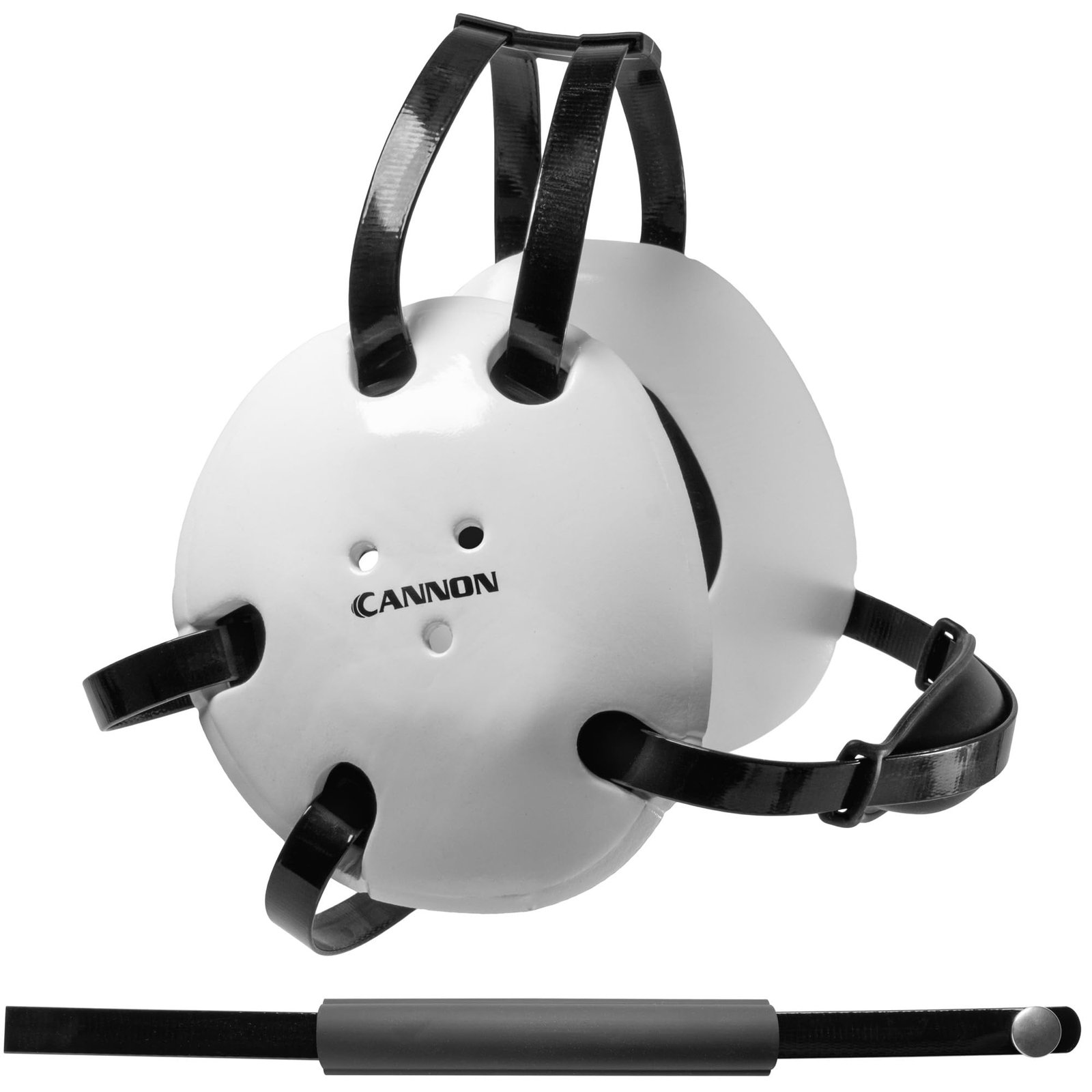
In terms of gear selection, the return window does not require anything beyond a properly fitted standard no-gi ear guard. Full coverage models that extend over both the upper and lower ear tend to provide better friction management than minimal designs, particularly for positions involving prolonged head contact rather than brief impact. Retention matters more here than in sessions where you are fully warmed up and into a rhythm — a guard that slips during early sessions when you are still finding your groove is not doing its job. Secure-fitting hook-and-loop or snap retention systems outperform elastic-band-only designs under sustained positional pressure of the kind common in slow technical rounds.
Communication with training partners during a return phase also removes friction around consistent ear guard use. Partners who know you are coming back from a break typically adjust without needing detail. A simple acknowledgment that you are working your way back in and wearing protection sets the right tone, removes the social pressure that sometimes discourages gear use, and tends to make partners more mindful of head position during exchanges.
How Long the Elevated-Risk Window Lasts
There is no universal timeline for how long it takes ear tissue to re-adapt after a training break, because the relevant variables — length of break, age of the grappler, prior damage history, training volume on return — all interact differently for each person. A two-week break is unlikely to produce significant de-conditioning. A six-month break following a serious injury almost certainly does. Age matters because connective tissue circulation and repair capacity decline over time. Prior damage to the ear changes the baseline structure of the tissue and can make even re-conditioned ears more vulnerable than they were before the original injury.
As a practical reference, sports medicine frameworks for return-to-activity protocols after soft tissue injuries commonly use a two-to-four week re-adaptation window as the period of heightened attention. Applying a similar window to post-break ear protection in no-gi grappling is a reasonable starting point. If you have been away for three months or more, treating the first four weeks back as a mandatory ear guard window is a conservative but well-reasoned approach. Grapplers with a history of prior hematoma or partial cauliflower ear formation should extend that window and consider treating consistent ear guard use as permanent, since damaged tissue does not fully recover its prior architecture.
The subjective signals that ear tissue has re-adapted are not reliable guides. Ears often feel normal even when they are not fully conditioned. The absence of symptoms during rolling does not confirm that the tissue has recovered its previous tolerance. This is another argument for erring toward consistent wear rather than making session-by-session decisions based on how your ears feel during warmups — by the time ears report a problem, the hematoma window is already underway.
What the Return Experience Reveals About Ear Damage Risk More Broadly
The returning grappler’s situation is a useful lens for understanding ear damage risk beyond just breaks. The standard picture of cauliflower ear risk in no-gi training tends to focus on training volume: more training equals more friction equals more ear risk. That framing is true as far as it goes. But the return-from-break scenario makes visible a different variable — tissue state — that operates independent of volume and that does not get much attention in gear discussions.
A grappler training consistently at high volume is simultaneously providing the adaptive stimulus that makes ear tissue more resistant. A grappler who trains at lower volume but never takes extended breaks may have more conditioned ear tissue than a higher-volume trainer who periodically steps away for months. Volume is not the whole picture. The continuity of the training stimulus matters in ways that are difficult to perceive from the inside but real in their consequences.
This also applies to grapplers who cross-train between gi and no-gi formats. Consistent gi grappling partially maintains ear tissue adaptation, but gi contact patterns differ from no-gi ones — the specific frictional demands on the ear vary between the two. A grappler spending several months in gi-only training before returning to no-gi may find their ears less prepared than expected, even with consistent overall mat time. The format of the contact matters alongside the volume of it.
Protecting the Return
Getting back on the mat after time away is one of the better experiences in no-gi grappling. The motivation is high, the appreciation for the gym is fresh, and the body responds well to returning movement even if it takes a few sessions to feel coordinated again. The ears do not announce their vulnerability during that process, which is exactly why the return window needs a deliberate protective approach rather than a reactive one.
Ear guards during the first weeks back are not a statement about training intensity or experience level. They are an acknowledgment of a specific physiological state that every returning grappler passes through, regardless of how many years they have been on the mat or how clean their ears have been through a decade of hard training. The grappler who covers that window consistently can move through it without adding to the list of things they are recovering from. The one who does not may find that the return that felt so clean comes with a swollen ear and a 72-hour countdown that changes how the next several sessions look.
Sources
- Wikipedia — Cauliflower ear: anatomy and mechanism of auricular hematoma formation
- National Center for Biotechnology Information — research on auricular hematoma management and connective tissue adaptation
- American Academy of Family Physicians — sports medicine resources on soft tissue injury and return-to-activity protocols