
Two Cheap Rashguards or One Good One? A No-Gi Budget Strategy
Every no-gi grappler who trains more than twice a week eventually runs into the same small-money problem. You have somewhere between $50 and $60 to spend on rashguards, and two roads open up in front of you. You can buy two shirts that each cost under $30, or you can spend nearly all of it on a single piece that sits closer to $50. It sounds trivial. It isn’t. The choice you make here quietly shapes how often you can train clean, how long your gear survives, and how much you end up spending over a full year. This is a strategy question dressed up as a shopping question, and it deserves a real answer.
The instinct for most people is to spend as little as possible up front, and the instinct for gear obsessives is to buy the one nice thing. Both instincts are incomplete. The right move depends on how many sessions you train per week, how quickly you sweat through a shirt, and how disciplined you are about laundry. Let’s walk through the actual math and mechanics instead of the marketing. (If you want the raw headcount instead of the strategy question — exactly how many rashguards a given training schedule needs — see our rashguard rotation guide by training frequency. And for what actually separates a good $50 shirt from a mediocre one, see our complete guide to what your money buys.)
The Rotation Problem Nobody Warns You About
The single biggest reason to own two rashguards has nothing to do with fabric quality. It’s rotation. A rashguard soaked in an hour of no-gi rounds is a warm, damp, protein-rich environment, which is exactly what skin bacteria and fungi want. If you own one shirt and train three or four times a week, you are either washing it constantly on tight turnarounds or, more likely, letting it dry in a gym bag and putting it back on before it has fully aired out. That is how ringworm and staph spread on the mats, and it’s a bigger threat to your training consistency than any seam blowing out.
Two cheaper shirts solve this almost by themselves. You train in one, it goes straight into the wash, and the second is clean and dry for the next session. You get a full drying window every time. For a busy grappler training four-plus days a week, that hygiene buffer is worth more than the incremental durability of a single premium shirt. A rashguard you can’t wear because it’s still damp and sour is worth nothing on the day you need it.

What an Extra $20 Actually Buys
Now for the other side of the argument. When you step from the sub-$30 tier up toward $50, you are not paying for a logo, at least not entirely. There are a few concrete things that change, and it’s worth knowing which of them you actually care about.
Stitching and seam construction
The most reliable difference is at the seams. Cheaper rashguards often use a simple overlock stitch that sits proud against your skin and is the first thing to fail under the constant shear of scrambles and guard passing. Higher-end shirts tend to use flatlock or bonded seams that lie flat, chafe less, and hold up to repeated stretching. If you’ve ever finished a hard round with a raw red line under your arm, you’ve met a cheap seam. That’s the upgrade you’re paying for first.
Fabric weight and recovery
The second real difference is in how the fabric holds its shape. A good rashguard uses a polyester-spandex blend that snaps back to its original shape after being stretched a thousand times in a single session. Bargain-basement fabric loses that recovery faster, so after a couple of months it sags, bags around the collar, and rides up during inversions. A shirt that won’t stay put is a genuine distraction when you’re upside down defending a leg entry.
Print durability
Sublimated prints, where the dye is fused into the fibers, survive years of washing without cracking or fading. Cheaper screen-printed or heat-pressed graphics peel and flake. This is cosmetic, so weigh it accordingly, but it’s a visible marker of which tier you’re buying.
Notice what isn’t on that list: compression, moisture-wicking, and basic UV protection. Almost every rashguard in the sub-$30 tier already does these adequately for training. The premium price is buying you longevity and comfort at the margins, not a different category of garment.
Running the Real Cost Over a Year
Here is where the two-cheap camp gets its strongest evidence, and also where it can quietly lose. Say a decent budget rashguard lasts you eight to ten months of hard four-day-a-week use before the seams or the fit give out. A well-made $50 shirt in the same conditions might last a year and a half. On a pure cost-per-wear basis, the premium shirt can actually come out cheaper, because you replace it half as often.
But that math only works if you own enough shirts to rotate. A single $50 rashguard worn every single session without a drying day wears out faster than the spec sheet promises, because it never gets to fully dry and the fabric degrades from constant moisture and detergent cycling. So the durability advantage of the premium tier is partly conditional on you already solving the rotation problem. The two strategies are more tangled than they first appear.
The cheapest rashguard is the one you can wear clean and dry for the next round. Durability only matters after hygiene is handled.
A Decision Framework by Training Load
Instead of a universal answer, match the strategy to how much you actually train. This is the part that matters.
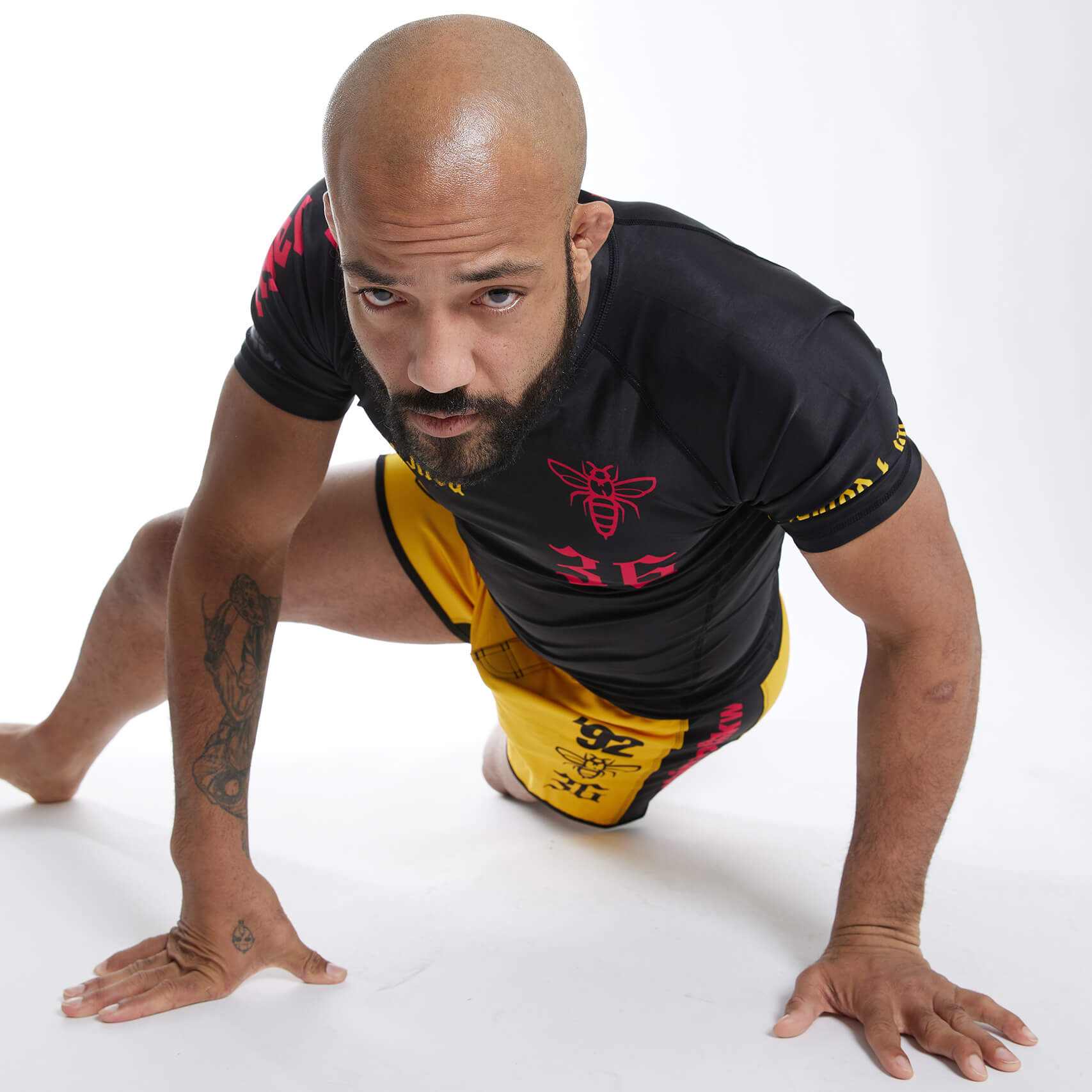
One to two sessions a week. You have plenty of drying time between sessions, so rotation is a non-issue. Here the case for a single better shirt is strongest. Buy one $50 rashguard, treat it well, and it will comfortably outlast the sparse wear you’re putting on it. You get the flatter seams and better fit every session, and you’re not stretching a small budget across two shirts you don’t need yet.
Three to four sessions a week. This is the crossover zone and where most serious hobbyists live. Rotation now matters, so two shirts under $30 is the safer default. You always have a clean, dry option and you never miss a session because your only shirt is still wet. As your budget grows, replace the weaker of the two with a mid-tier shirt rather than buying a second cheap one.
Five or more sessions a week. At this volume you need at least three rashguards regardless of price, so the either/or framing dissolves. Build a small stable of mixed-tier shirts over time. Buy the cheaper ones for volume and add a premium shirt when one wears out. Never let yourself be down to a single clean rashguard, because at this training frequency a hygiene gap almost guarantees a skin infection eventually.
Fit Beats Price at Every Tier
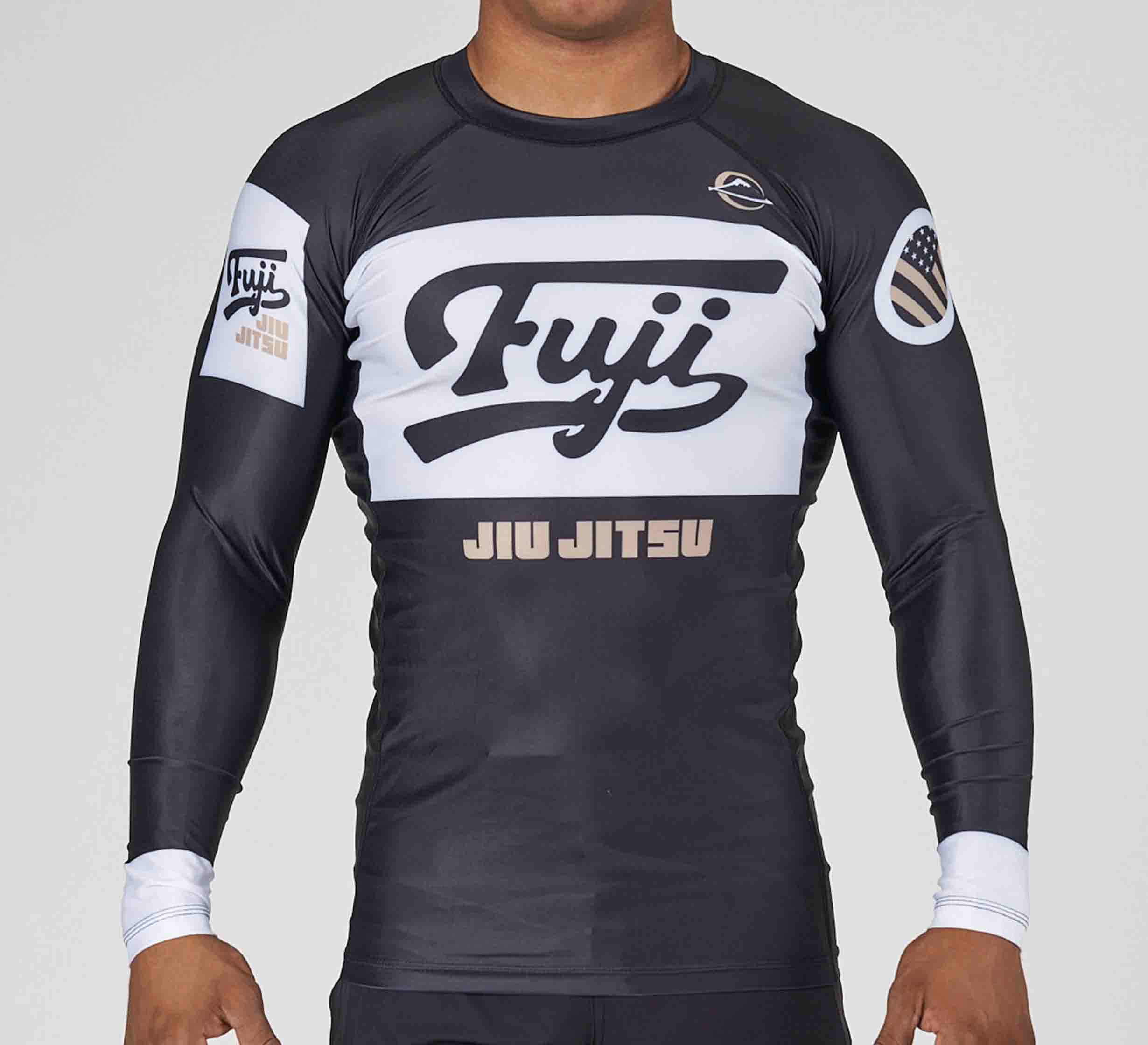
One thing overrides the whole budget conversation: a rashguard that fits badly is a bad rashguard at any price. A $50 shirt that bunches at the shoulders or gaps at the neck is worse than a $25 shirt that fits like a second skin. No-gi rashguards are meant to be compressive and close, so they can’t be grabbed and they don’t slide around during scrambles. When you shop either tier, prioritize the size chart and read reviews specifically for fit notes over anything else.
Sleeve length is a small detail that separates thoughtful buyers from the rest. Short-sleeve rashguards run hotter and expose more forearm to mat friction, while long-sleeve versions add skin coverage that lowers your exposure to whatever the last person left on the mat. Many grapplers keep one of each and choose by season and gym cleanliness. If your budget only stretches to one, a long sleeve gives you more protection per dollar.

How to Make Either Choice Last Longer
Whatever you buy, care is the real durability multiplier, and it’s free. Wash your rashguards in cold water on a normal cycle, and never use fabric softener, which coats the fibers and destroys their moisture-wicking ability. Skip the dryer entirely and hang them to air dry, because high heat is what kills the elastane and cracks prints faster than anything else. Turn printed shirts inside out before washing to protect the graphic. Done consistently, this routine can stretch a cheap shirt’s life close to a premium one’s, which shifts the math back toward buying two.
The honest conclusion is that there is no universal winner between two cheap shirts and one good one. For the light trainer, spend on the single better piece. For the four-day-a-week grappler, own two and let rotation protect your skin and your schedule. For everyone, fit and washing habits matter more than the price tag. Spend where your actual training load tells you to, not where the marketing does.
When you’re ready to compare options across both tiers, browse current no-gi rashguards and read the fit and seam notes before you commit: no-gi BJJ rashguards and long-sleeve grappling rashguards.
Sources
- Centers for Disease Control and Prevention — skin infections in contact sports and prevention guidance
- Wikipedia: Rash guard — construction, materials, and history
- American Academy of Dermatology — mat-borne skin infections and hygiene
Browse our top-rated rashguards and no-gi gear at the RashguardGuy shop →
Shop on Amazon
BJJ Rashguards on Amazon →
As an Amazon Associate we earn from qualifying purchases.