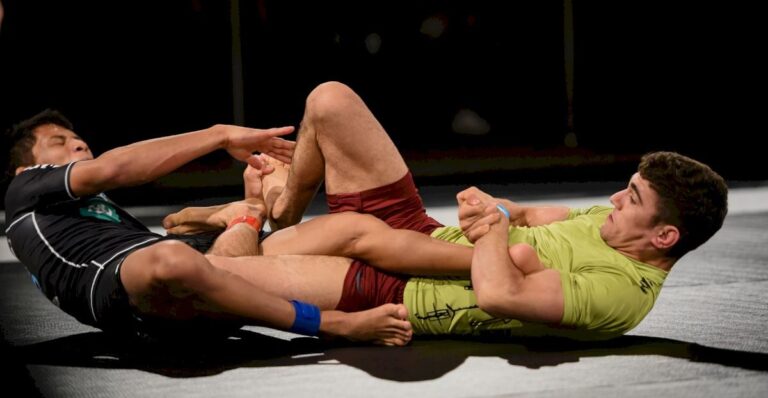
Arm Triangle No-Gi: 7 Setups That Force the Tap
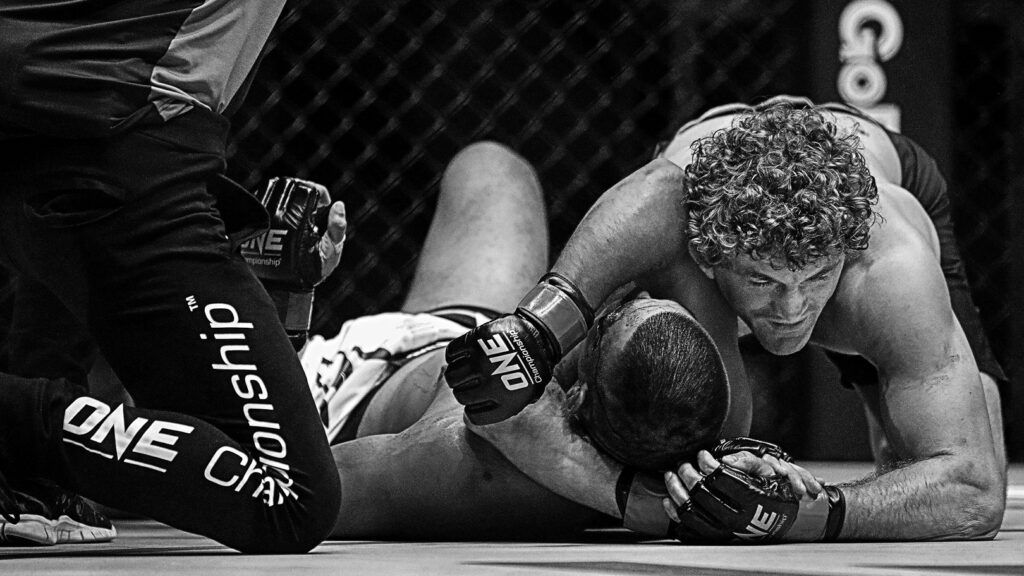
The arm triangle no-gi is the choke most black belts reach for first from the mount. No collar, no fabric, no gi grip — just shoulder pressure, a trapped arm, and a head that has run out of places to hide. Marcelo Garcia hit it on bigger men for a decade. Felipe Pena finished Roberto “Cyborg” Abreu with it. Ben Askren built half his MMA career on the dismount. The version that works in 2026 is not the same hip-to-hip squeeze your first instructor showed you — it is a pressure puzzle that cuts off both carotids through one carefully isolated arm.
This guide breaks down seven arm triangle no-gi setups that actually finish at training and in competition, plus the small mistakes that turn a tight choke into a survivable position. Skip the warm-up paragraphs you find on every other site — the details below are what separates the people who tap with it from the people who keep talking about it.
What Makes the Arm Triangle No-Gi Different from the Gi Version
In the gi, the arm triangle still has competition from the cross collar, the bow and arrow, and a dozen lapel chokes. In no-gi, the same body position has fewer alternatives — so when you trap an arm across the neck, the arm triangle becomes the obvious payoff. The mechanics also reward sweaty bodies. The figure-four is locked palm to palm with a gable grip instead of a collar grip, and the slippage that ruins a no-gi RNC is what lets your forearm slide deeper under the chin. Stephan Kesting has written that the no-gi arm triangle is the highest-percentage submission from mount in modern competition for exactly this reason — fewer options for the bottom player to hand-fight a clean grip.
Two physical truths drive everything in this guide. First, the choke is a blood choke on the carotid the opponent’s own shoulder is pressing on — you are not strangling the side your bicep covers. Second, the finishing angle is between 45 and 90 degrees off the centerline. Square hips with no angle is the most common reason a beginner cannot finish a tight-looking arm triangle.
1. The Classic Mount Setup — Push, Trap, Dismount
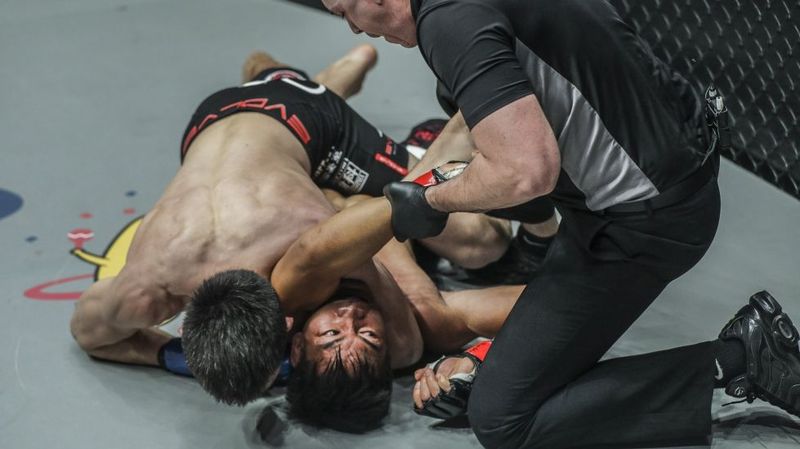
This is the version every white belt eventually learns badly and every brown belt re-learns properly. From a low mount, frame your forearm across the opponent’s neck and shove their same-side wrist past their ear with your free hand. The instant their elbow crosses the centerline, drop your head to the mat next to theirs and lock the gable grip — palm to palm, no fingers interlaced, no S-grip. Then dismount toward the trapped-arm side, never the free side.
The mistake here is staying in mount and trying to squeeze. The choke does not finish in mount. It finishes in side control with your chest sealed to their chest, your hips dropped, and your free hand pulling on your own bicep. If you can see daylight between your ribcage and their shoulder, the carotid is still open.
2. The Failed Triangle Switch — When the Legs Won’t Lock
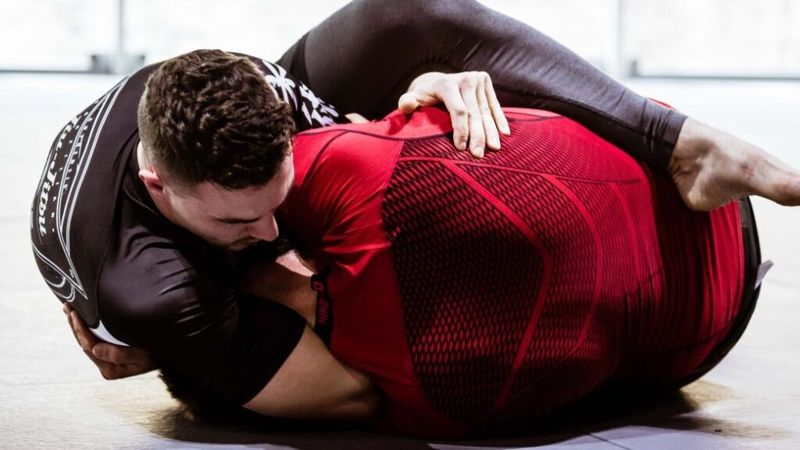
Closed-guard triangle attempts that stall halfway are a gift, not a failure. The arm is already trapped across the neck — that is the entire setup. Instead of fighting for the leg lock, unhook your top leg, post your foot on the mat, hip-escape to a 45-degree angle, and shoot the same-side arm under their neck for the gable grip. You are now finishing the arm triangle from bottom, which is unusual and works because nobody trains the defense from on top.
Lachlan Giles teaches this as the “consolation choke” on his high-percentage chokes series, and it is the reason failed triangles in ADCC rarely end with a posture-up escape — the top player gets caught on the recovery. If your triangle is failing because your opponent stacked you, this switch becomes your highest-percentage exit.
3. The Kimura Trap — When They Defend the Lock
A kimura grip from side control that the opponent stuffs into their own ribs is a perfect launch pad. Release the kimura, walk your trapped-arm-side knee tight to their ear, and the same wrist they were defending will now be sitting across their own throat. Step over to north-south for one count, then dismount to the trapped-arm side. The choke is locked before they realize you abandoned the kimura.
This setup pairs with the chain Mikey Musumeci has used to grind 130-pound opponents over to side control before squeezing. You can read more about no-gi Kimura setups in our companion guide — every kimura trap chain has an arm triangle exit if the lock stalls.
4. The Front Headlock Snap-Down — Kata Gatame Off the Sprawl
This is the wrestler’s version, and it is the fastest finish in the article. When the opponent shoots a single and you sprawl, your hips drive their head down and one of their arms is already extended past their head. Lock a gable grip around their head and that arm, walk your hips perpendicular to their shoulders, and sit through to your hip. The choke finishes in under three seconds against opponents who are still thinking about the takedown.
Kata gatame from front headlock is how Marcelo Garcia turned takedown defense into submissions for a generation. The trick is the walk to perpendicular — square-on never finishes. Drive your far shoulder into their trapped shoulder and the carotid closes itself.

5. The North-South Transition — Pressure Off the Top
From north-south, control the near-side wrist and pin it across the opponent’s throat with your chest. Lock the gable grip, walk your hips toward the trapped side, and sit through to a perpendicular angle. This is essentially a kata gatame from a north-south start, and it works because most defenders are watching for the north-south choke instead.
The detail nobody mentions: keep your weight off their face. Sprawl your hips back so the pressure travels through your chest, not your forehead. A bloody nose on the bottom player is a sign you are wasting compression on the wrong tissue.
6. The Half Guard Pass That Becomes the Choke
When you are passing top half guard and they shrimp toward their trapped leg, their far arm often extends to frame on your hip. Take the gift. Drive your near shoulder under their chin, gable-grip around their head and the framing arm, and finish the pass with the choke already locked. You arrive in side control with the submission already in progress.
This setup teaches the same lesson Felipe Pena reportedly drills at Gracie Barra Recife — every pass is an attack. If the choke is not there, you have a free pass. If the pass is not there, you have a free choke. There is no scenario where you lose ground.
7. The Mounted-Triangle Recovery — Switching Submissions Mid-Lock
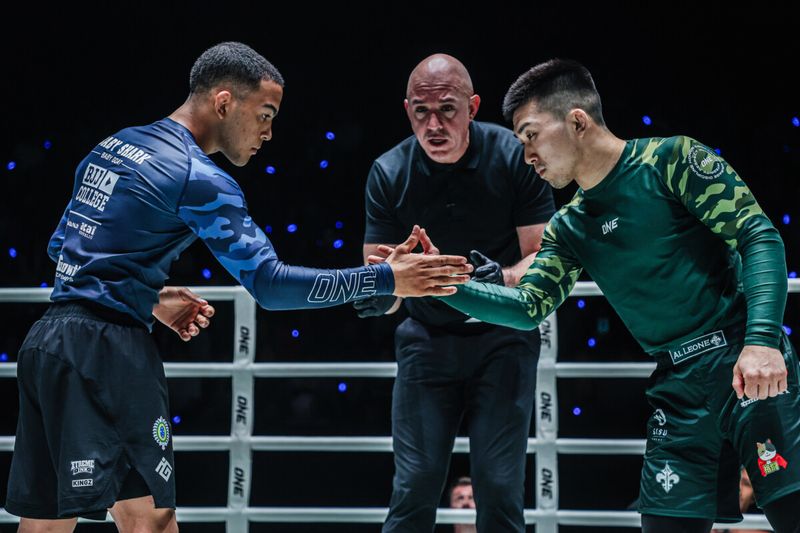
Mounted triangles fail more than they succeed. The opponent posts on the mat, pushes your knee off their shoulder, and you lose the lock. The arm triangle is already half-built. Release the leg figure-four, drop your forehead to the mat next to their ear, gable-grip around their head and the trapped arm, and dismount to side. The choke is tighter from this entry than from any other because the opponent has already isolated their own arm by fighting your triangle.
John Danaher covers this transition in Triangles: Enter the System, and the same chain shows up in Gordon Ryan’s ADCC superfights. The pattern is simple: every triangle attempt is also an arm triangle attempt. If the legs cannot finish, the arms can.
Where the Arm Triangle No-Gi Falls Apart
Three errors kill more arm triangle no-gi attempts than any defense the opponent throws. First, square hips after the dismount — without the 45-to-90-degree angle, the carotid stays open. Second, an interlocked or S-grip instead of the gable grip — interlocked fingers create slack at the worst possible moment. Third, finishing from the wrong side — if you dismount to the free-arm side, you are now squeezing the open carotid with your bicep and the trapped carotid with nothing.
The defense to know: hand fighting before the grip locks. Once the gable grip is set and the chest is sealed, escapes that work at white belt no longer apply. Watch Roberto “Cyborg” Abreu’s 2017 ADCC final loss to Felipe Pena — the moment Pena sealed the grip, Cyborg’s bridge was already too late.

Building the Arm Triangle Into Your No-Gi Game
The best place to start is the failed-triangle switch from setup #2. Every closed guard practitioner already attempts triangles. Adding the arm triangle exit costs nothing and converts a stalled attack into a finish. From there, layer in the front headlock kata gatame from setup #4 — your wrestling-heavy training partners will hand you the position every time they shoot.
Drill the dismount footwork before the grip. The arm triangle no-gi is a footwork submission disguised as an upper body submission. Land the angle and the choke is automatic. Square up and the strongest gable grip in the room will not finish.
Recent Competition Examples Worth Studying
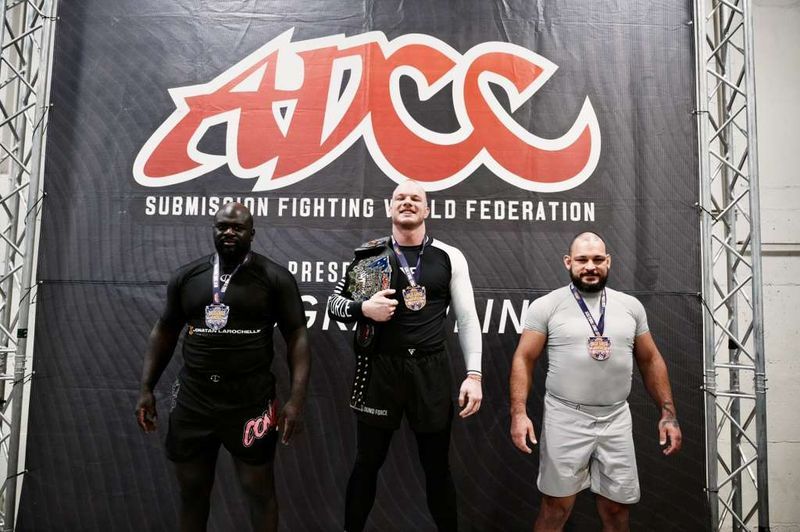
The 2026 ADCC Trials season produced a string of arm triangle finishes at the higher weights, where the dismount angle becomes harder to escape. Nathan Haddad’s run at the 88kg trials featured a kata gatame from front headlock during quarterfinals — the exact setup from #4 above. At 99kg, Elder Cruz’s trials performance included an arm triangle dismount during the bracket, demonstrating how the technique scales when both athletes are over 200 pounds.

For deeper drilling references, the no-gi darce shares 80% of the same upper-body mechanics — if you can hit one, you can usually hit both. Train them as a chain and your top-game submission rate climbs dramatically.
Watch the Arm Triangle No-Gi Finishes Step by Step
Chewjitsu’s breakdown of seven arm triangle finishing details lines up almost perfectly with the setups above. If you only have ten minutes between training sessions, this is the highest-density tutorial on the technique available on YouTube right now.
Drill This Week, Tap Someone Next Week
Pick two setups from this list. Drill them at 50% with a partner for one full session before you try them live. Land the angle, lock the gable grip, seal the chest. If you do nothing else, fix the dismount footwork — square hips kill more arm triangles than any defensive frame. Bring it back to live rolling and one of your sparring partners is going home with a new tap on their list.
Sources
- Evolve Daily — 3 Arm Triangle Variations You Need In Your BJJ Arsenal — variations and angle mechanics.
- FloGrappling — Galvao vs Pena ADCC Superfight Predictions — context for Pena’s arm triangle game at ADCC.
- BJJ Fanatics — Triangles: Enter the System by John Danaher — system framework for triangle-to-arm-triangle chains.
- BJJ Heroes — Gordon Ryan — match history featuring kata gatame and arm triangle finishes.
Browse our top-rated rashguards and no-gi gear at the RashguardGuy shop →