PGF Season 10: Huge 8-Team Expansion
Four seven-figure checks changed hands to make this happen. The Professional Grappling Federation announced on September 8, 2026 that it had closed its fourth, fifth, sixth, and seventh franchise agreements in the span of five months, taking the league from a four-team pilot to an eight-team circuit with 80 professional roster spots. For a sport that still can’t get most gyms to agree on a standard scoring system, that kind of capital moving in one direction is worth paying attention to.
What PGF Season 10 Actually Changes
The mechanics are straightforward. PGF grew from the Las Vegas Kings, Alabama Twisters, Philadelphia Phenoms, and Colorado Wolverines to an eight-team league by adding the St. Louis Outlaws, Carolina Copperheads, Houston Wranglers, and Dallas Mustangs. Season 10 adds a fifth weight class — 145, 155, 170, 185, and 205 pounds — with ten athletes per roster, for a total of 80 professional positions across the league. That’s more than double the pro grappling jobs that existed under the old four-team format.
The broadcast schedule expands too. Instead of one weekly event, PGF is moving to two live nights per week once the season kicks off. The draft — where team captains bid on qualified athletes using in-league currency — is set for January 17, 2027, with the regular season running March 2 through March 30 and playoffs on April 7. It’s a faster calendar than PGF’s Season 9, which ran a single weekly broadcast and crowned the Las Vegas Kings as the top regular-season team before Kevin Beuhring took the individual title in the playoffs.
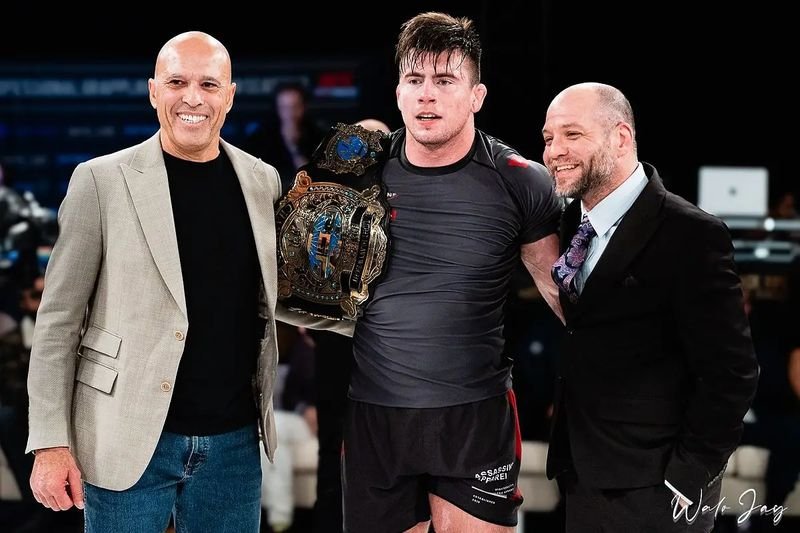
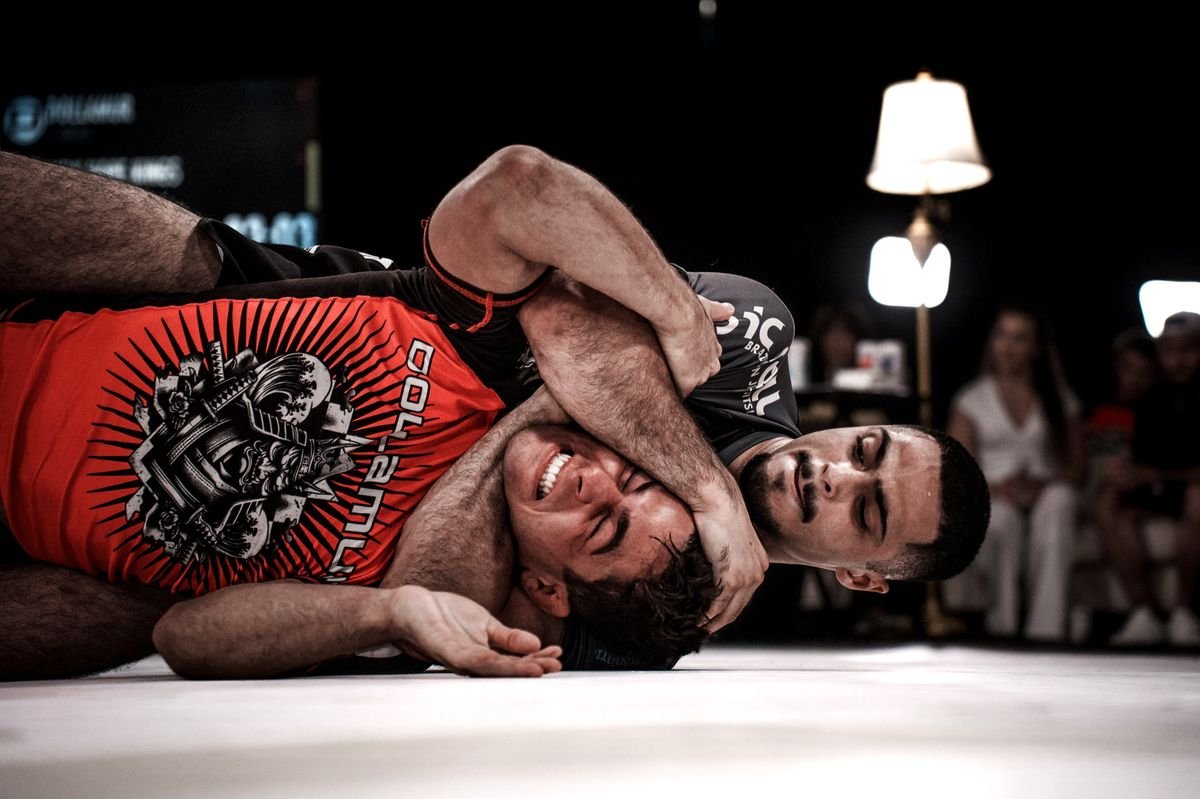
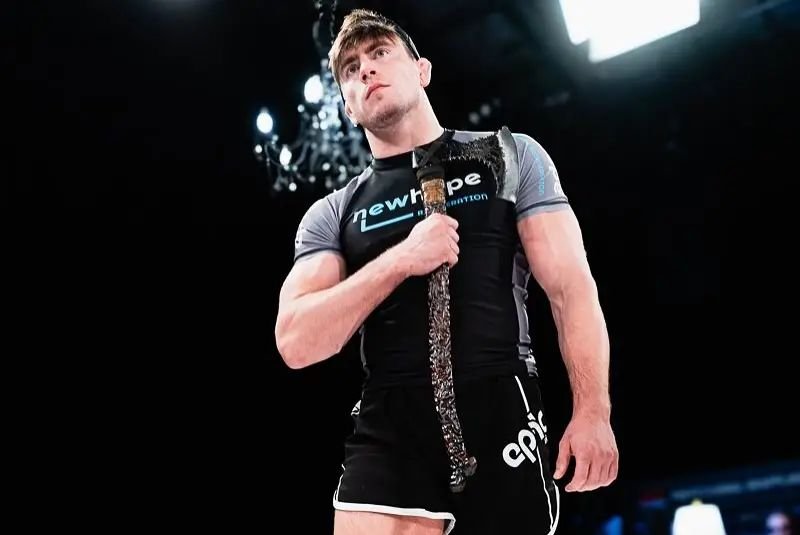
A PGF champion poses with league officials after a title win — the format Season 10 is scaling to eight teams.
The Four New Franchises Joining PGF
St. Louis got there first. The Outlaws signed in March 2026 under Confluence Combat Group, with Managing Director Lloyd Wideman bringing two decades of sponsorship experience from motorsports and pro football — including past work with Purina, Aflac, and Hallmark Cards. Wideman put the stakes plainly: “To pioneer a new professional league is rare. You either board the train, or you get left at the station.”
Houston followed with the Wranglers, who already ran a qualifier on September 12 that drew 52 matches across five divisions. Two PGF veterans headlined it — Austin Oranday, formerly of the Las Vegas Kings, and Caleb Crump, who came over from the Colorado Wolverines. Oranday actually competed in both the 185 and 205-pound brackets and won titles in each, which tells you something about how thin the talent pool still is at this stage of the league’s growth. Both athletes now enter the Season 10 Draft pool as free agents, with no team assignment locked in yet.
Carolina and Dallas rounded out the group. The Copperheads represent the Carolinas as a regional franchise rather than a single city, with athletes Morelli and Schwebel already through their own qualifier and into the draft pool. The Dallas Mustangs carry a different kind of pedigree — owners Carlos and Lindsay Machado introduced Brazilian jiu-jitsu to North Texas back in 1995, while Carlos was working alongside Chuck Norris on the set of Walker, Texas Ranger. General Manager Roger Perez now runs day-to-day operations, and the team already has a qualifier scheduled for October 11 at the Courtyard Marriott in Carrollton, with a $100 entry fee for competing athletes.
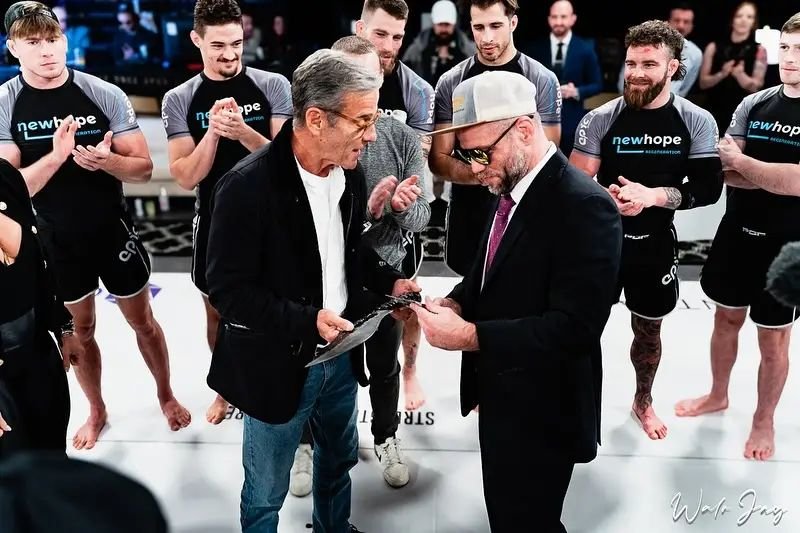
PGF ownership groups sign in as the league adds four franchises for Season 10.
Why Investors Are Betting Seven Figures on Jiu-Jitsu
PGF co-owner Zoltan Bathory didn’t hedge when describing the pace of the deals: “Five seven-figure franchise deals in early expansion is not typical for a combat sports property.” He’s not wrong — most grappling promotions still run on a per-event model, paying athletes a purse for a single match and moving on. PGF is selling something different: a league structure, season-long team affiliation, and recurring media rights, the same bet that turned regional wrestling and arena football into franchise businesses decades ago.
Commissioner Brandon McCaghren framed the pitch to athletes the same way: “Most grappling events give an athlete a match and a moment. PGF gives athletes a team, a season, recurring exposure and the opportunity to build a recognizable professional career.” That’s a real gap in the sport right now — a black belt can win a major tournament and still need a day job six months later because there’s no recurring paycheck attached to being good at grappling. Whether PGF’s model actually closes that gap depends on whether eight teams can draw the sponsorship and ticket revenue to support 80 full-time-adjacent roster spots, and that’s still unproven at this scale.
It’s also a bet made in the shadow of grappling’s biggest showcase event. Three weeks before the Season 10 news broke, the sport’s attention was on Krakow, where the 2026 ADCC World Championship crowned its medalists and then got overshadowed by a post-match brawl that got two competitors banned for a year. ADCC still owns the sport’s biggest single stage, but it happens once every two years. PGF is betting that a weekly, team-based product fills the gap in between — steady exposure instead of one high-stakes tournament that can get overshadowed by a sideline scuffle.
Houston vs. Dallas: Texas Gets a Grappling Rivalry
Putting the Wranglers and the Mustangs in the same state within one expansion cycle wasn’t an accident. Regional rivalries are one of the easiest ways a sports league manufactures fan investment without spending a marketing dollar — ask any NFL executive what a Cowboys-Texans game does for ratings versus a random interconference matchup. PGF is leaning on the same logic here, and doing it deliberately: two Texas franchises, one qualifier already run, another on the calendar for October, and a built-in storyline before either team has drafted a single athlete for Season 10.
It also stress-tests the market. If Houston and Dallas can both sustain local ticket bases and sponsor interest without cannibalizing each other, that’s a strong signal for PGF’s stated goal of reaching sixteen franchises — the league has said the current eight-team footprint is only the halfway mark. If one market struggles while the other thrives, that’s useful information too, the kind investors will be watching closely before PGF closes its next round of franchise deals.
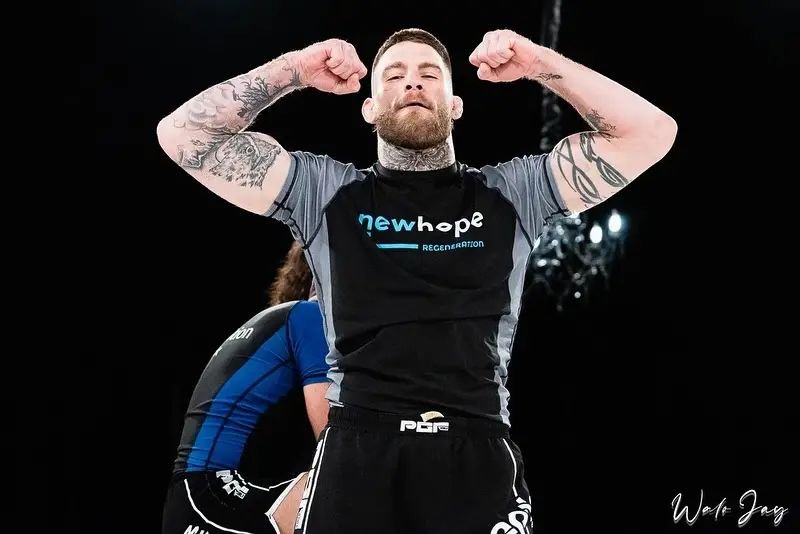
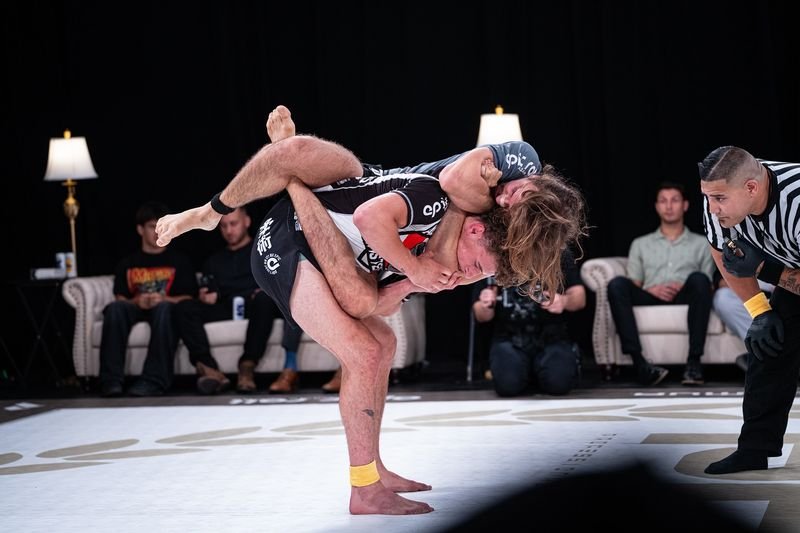
A Las Vegas Kings athlete celebrates — the Kings remain the league’s flagship franchise heading into the expansion.
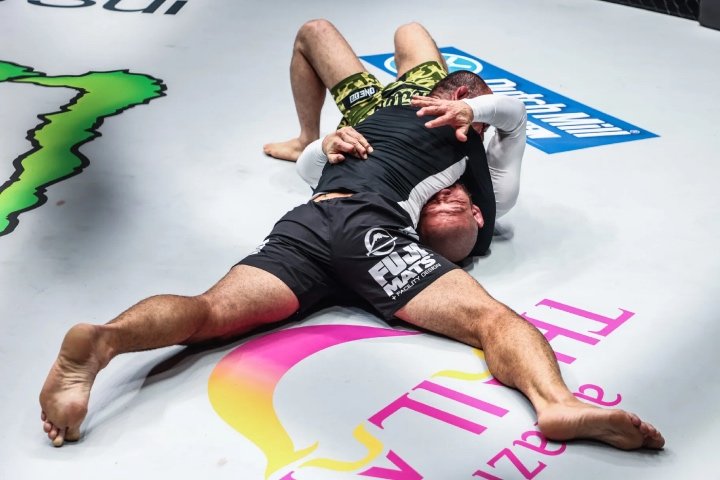
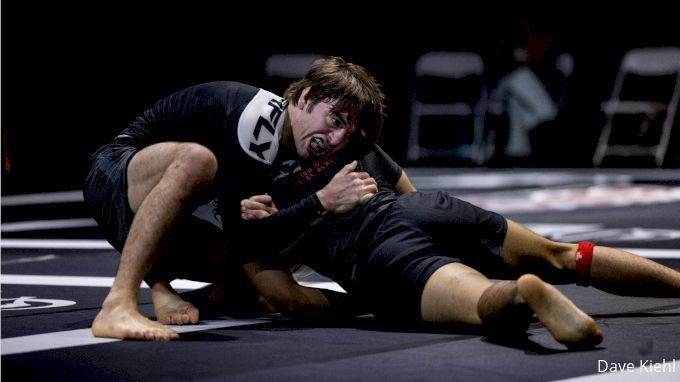
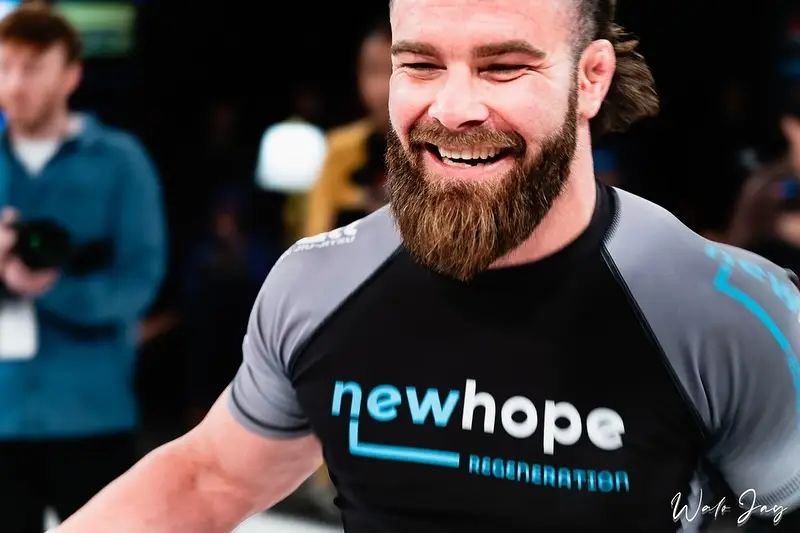
Individual titles still matter in PGF’s team format — a champion holds the belt after a Season match.
What Season 10 Means for No-Gi Athletes
Eighty roster spots is the headline number, but the real shift is in career stability. Under the four-team format, a grappler who didn’t get drafted had almost nowhere else in the league to go. With eight teams and five weight classes instead of four teams overall, there’s meaningfully more room for a 145-pounder or a 205-pounder who’s good enough to compete but wasn’t on a captain’s radar the first time around.
It also changes the qualifier landscape. Houston’s September 12 event and Dallas’s October 11 date are both open paths into the Season 10 draft pool for athletes who aren’t already known PGF names — which matters in a sport where most visibility still runs through ADCC medals and win streaks on FloGrappling. A regional qualifier win in Carrollton or Houston now has a direct line to a professional roster spot, something that didn’t exist in this format a year ago. Carolina and St. Louis ran the same play earlier this year, and both promoted qualifier winners straight into the Season 10 draft pool without requiring an existing PGF track record.
PGF Season 10 Announcement Video
PGF Season 10 Timeline
Houston’s qualifier already happened on September 12. Dallas runs its qualifier October 11 at the Courtyard Marriott in Carrollton, entry set at $100 for competing athletes. The full Season 10 Draft — where all eight team captains build their rosters — lands January 17, 2027. The regular season runs March 2 through March 30, 2027, with playoffs on April 7. Broadcasts move to two nights a week once the season is underway, up from the single weekly night PGF ran during Season 9.
Eight teams, five divisions, and four fresh seven-figure checks don’t guarantee PGF becomes the NFL of jiu-jitsu — plenty of combat sports leagues have expanded fast and stalled just as fast. But for a sport that’s spent years watching its best athletes chase one-off superfight paydays instead of building a career, a season-long paycheck attached to a team jersey is worth watching closely. Keep an eye on how the Houston-Dallas gate numbers compare once both qualifiers are in the books — that’s the data point that tells you whether this expansion was smart or just fast.
Sources
- PGF Season 10 Launch: Eight Teams, Five Weight Classes, and Two Live Nights Every Week — Professional Grappling Federation official announcement
- Cowboys. Mavericks. Mustangs. Dallas Gets a New Team to Rally Behind — PGF official franchise announcement
- St. Louis Outlaws join PGF as league closes its fifth seven-figure franchise deal — PGF official franchise announcement
- PGF Veterans Oranday and Crump Lead Houston Qualifier Champions — PGF official qualifier results